Pain & Nociception — Animal Models & Behavioral Testing

Compare inflammatory, neuropathic, and acute pain models side by side. Match each model to validated nociceptive assays and the equipment you need to run them.

Why Animal Models for Pain Research

Pain is the most common reason patients seek medical care, yet analgesic drug development has one of the highest attrition rates in clinical trials. Preclinical animal models remain indispensable for dissecting nociceptive circuitry, identifying novel analgesic targets, and evaluating candidate compounds before human testing.

Mouse and rat pain models span the full spectrum of clinical pain types — from acute thermal and chemical nociception to chronic inflammatory and neuropathic pain states. Inflammatory models like Complete Freund's Adjuvant (CFA) produce sustained mechanical and thermal hypersensitivity mediated by peripheral and central sensitization. Neuropathic models like Spared Nerve Injury (SNI) reproduce the allodynia and hyperalgesia seen in patients with nerve damage.

Choosing the right model depends on your research question: the formalin test provides a rapid biphasic readout distinguishing peripheral and central pain processing, the hot plate test isolates acute supraspinal nociceptive thresholds, CFA models chronic inflammatory pain with persistent sensitization, and SNI produces robust neuropathic pain that persists for months. Below, we compare four widely used models and map each to a validated behavioral battery.

Model Comparison

ModelTypeBackgroundPain OnsetPain DurationCentral SensitizationTest WindowBest For
CFA Inflammatory PainPharmacologicalC57BL/6J or CD-1Within 4–6 hoursChronic (2–4 weeks)Develops by 24–48 hours1–14 days post-injectionEvaluating anti-inflammatory analgesics and NSAIDs; studying the transition from acute to chronic pain; investigating peripheral and central sensitization mechanisms.
SNI (Spared Nerve Injury)SurgicalC57BL/6J or Sprague-Dawley (rat)Within 24 hours post-surgeryChronic (months)Robust, persistent3–28 days post-surgeryStudying neuropathic pain mechanisms and central sensitization; screening analgesics for nerve injury pain; long-duration studies requiring stable pain phenotype.
Formalin TestPharmacologicalAny (typically C57BL/6J or CD-1)Immediate (seconds)Acute (60 min)Phase 2 (15–60 min)Immediate (single session, 60 min)Rapid analgesic screening distinguishing peripheral vs. central mechanisms; teaching and training in pain research methodology; pharmacological characterization of novel analgesics.
Hot Plate TestPharmacologicalAny (typically C57BL/6J or CD-1)Immediate (seconds)Acute (removed at response)None (supraspinal reflex)Immediate (single session)Screening centrally acting analgesics including opioids; establishing dose-response curves for acute antinociception; comparing potency of analgesic compounds.

CFA Inflammatory PainPharmacological

Background: C57BL/6J or CD-1

Pain OnsetWithin 4–6 hours
Pain DurationChronic (2–4 weeks)
Central SensitizationDevelops by 24–48 hours
Test Window1–14 days post-injection

Intraplantar injection of CFA (heat-killed Mycobacterium tuberculosis in mineral oil) into the hindpaw produces localized inflammation, edema, and sustained mechanical and thermal hypersensitivity. The model engages both peripheral sensitization (prostaglandins, cytokines, NGF) and central sensitization (spinal dorsal horn wind-up). Paw swelling provides a macroscopic inflammation biomarker concurrent with pain behavior.

Ideal for: Evaluating anti-inflammatory analgesics and NSAIDs; studying the transition from acute to chronic pain; investigating peripheral and central sensitization mechanisms.

Stein C, Millan MJ, Herz A. (1988). Unilateral inflammation of the hindpaw in rats as a model of prolonged noxious stimulation: alterations in behavior and nociceptive thresholds. Pharmacol Biochem Behav, 31(2), 455-451. PMID: 3244721

CFA Inflammatory Pain Behavioral Battery

Open Field Test

Locomotor activity assessment reveals pain-induced reductions in total distance, rearing, and center zone exploration. Provides a non-evoked measure of ongoing pain affecting spontaneous behavior.

View Open Field Test

Elevated Plus Maze

Assesses anxiety-like behavior associated with chronic inflammatory pain. CFA-injected mice show increased closed arm time, reflecting pain-related anxiety comorbidity.

View Elevated Plus Maze

Grip Strength Test

Quantifies musculoskeletal pain-related weakness via forelimb peak force. CFA-induced inflammation reduces grip strength, providing a functional pain readout.

View Grip Strength Test

Rotarod

Motor coordination and balance assessment. CFA hindpaw inflammation impairs rotarod performance due to weight-bearing pain and guarding behavior.

View Rotarod Test

Forced Swim Test

Evaluates depressive-like behavior as a pain comorbidity. Chronic CFA pain increases immobility time, modeling the affective dimension of persistent pain.

View Forced Swim Test

SNI (Spared Nerve Injury)Surgical

Background: C57BL/6J or Sprague-Dawley (rat)

Pain OnsetWithin 24 hours post-surgery
Pain DurationChronic (months)
Central SensitizationRobust, persistent
Test Window3–28 days post-surgery

Two of three terminal branches of the sciatic nerve (tibial and common peroneal) are ligated and transected, leaving the sural nerve intact. This produces robust, long-lasting mechanical allodynia and cold hypersensitivity in the sural nerve territory of the lateral hindpaw. The adjacent denervated and intact territories create a sharp boundary for spatial sensitivity mapping. Central sensitization in the spinal dorsal horn develops rapidly and persists for months.

Ideal for: Studying neuropathic pain mechanisms and central sensitization; screening analgesics for nerve injury pain; long-duration studies requiring stable pain phenotype.

Decosterd I, Woolf CJ. (2000). Spared nerve injury: an animal model of persistent peripheral neuropathic pain. Pain, 87(2), 149-158. PMID: 10924808

SNI (Spared Nerve Injury) Behavioral Battery

Open Field Test

Locomotor and exploratory activity assessment. SNI mice show reduced spontaneous activity and increased thigmotaxis reflecting pain-related behavioral depression.

View Open Field Test

Elevated Plus Maze

Anxiety-like behavior assessment. Neuropathic pain from SNI produces sustained anxiety phenotype with reduced open arm exploration beginning 7–14 days post-surgery.

View Elevated Plus Maze

Light-Dark Box

Complementary anxiety measure. SNI mice spend more time in the dark compartment and show fewer light-dark transitions, confirming anxiety comorbidity of neuropathic pain.

View Light-Dark Box

Forced Swim Test

Assesses depressive-like behavior comorbid with chronic neuropathic pain. Increased immobility time in SNI animals reflects the affective burden of persistent pain.

View Forced Swim Test

Grip Strength Test

Hindlimb grip force measurement detects functional motor deficits secondary to nerve injury. SNI reduces ipsilateral grip strength relative to the contralateral paw.

View Grip Strength Test

Formalin TestPharmacological

Background: Any (typically C57BL/6J or CD-1)

Pain OnsetImmediate (seconds)
Pain DurationAcute (60 min)
Central SensitizationPhase 2 (15–60 min)
Test WindowImmediate (single session, 60 min)

Subcutaneous injection of dilute formalin (1–5%) into the hindpaw produces a characteristic biphasic pain response: Phase 1 (0–10 min) reflects direct activation of C-fiber nociceptors, while Phase 2 (15–60 min) involves central sensitization and inflammatory mediator release. The interphase quiescent period (10–15 min) separates peripheral and central mechanisms, allowing pharmacological dissection of pain processing at different levels of the neuraxis.

Ideal for: Rapid analgesic screening distinguishing peripheral vs. central mechanisms; teaching and training in pain research methodology; pharmacological characterization of novel analgesics.

Hunskaar S, Hole K. (1987). The formalin test in mice: dissociation between inflammatory and non-inflammatory pain. Pain, 30(1), 103-114. PMID: 3614974

Formalin Test Behavioral Battery

Open Field Test

The formalin test is often conducted in an open field arena where licking, flinching, and lifting of the injected paw are scored during both phases. Automated video tracking quantifies time spent in pain behaviors.

View Open Field Test

Elevated Plus Maze

Post-formalin anxiety assessment. Animals tested after formalin show increased anxiety-like behavior, demonstrating the acute affective component of chemical nociception.

View Elevated Plus Maze

Light-Dark Box

Complementary anxiety-like behavior assessment following formalin injection. Increased dark zone preference confirms aversive affective state induced by acute pain.

View Light-Dark Box

Novel Object Recognition

Evaluates whether acute pain impairs attention and recognition memory. Formalin-injected mice show reduced discrimination index, indicating pain-related cognitive disruption.

View Novel Object Recognition

Hot Plate TestPharmacological

Background: Any (typically C57BL/6J or CD-1)

Pain OnsetImmediate (seconds)
Pain DurationAcute (removed at response)
Central SensitizationNone (supraspinal reflex)
Test WindowImmediate (single session)

The mouse is placed on a heated surface (typically 52–56 degrees C) and the latency to a nociceptive response (hindpaw licking, jumping, or shaking) is measured. Unlike the tail flick test, hot plate responses involve supraspinal processing, making it sensitive to opioid analgesics and other centrally acting drugs. A cutoff time (typically 30 seconds) prevents tissue damage. The test requires no prior training and generates data within minutes.

Ideal for: Screening centrally acting analgesics including opioids; establishing dose-response curves for acute antinociception; comparing potency of analgesic compounds.

Eddy NB, Leimbach D. (1953). Synthetic analgesics. II. Dithienylbutenyl- and dithienylbutylamines. J Pharmacol Exp Ther, 107(3), 385-393. PMID: 13035677

Hot Plate Test Behavioral Battery

Open Field Test

Baseline locomotor activity and sedation screening. Essential control to confirm that increased hot plate latency from analgesics is not due to motor sedation or impaired locomotion.

View Open Field Test

Rotarod

Motor coordination control for analgesic studies. Opioids and other centrally acting drugs may increase hot plate latency through sedation rather than true antinociception — rotarod rules this out.

View Rotarod Test

Grip Strength Test

Neuromuscular function control measure. Confirms that analgesic-induced changes in nociceptive thresholds are not confounded by muscle relaxation or motor impairment.

View Grip Strength Test

Behavioral Test Battery by Model

Which tests are validated for each model. Build your protocol by selecting from recommended assays.

TestCFA Inflammatory PainSNI (Spared Nerve Injury)Formalin TestHot Plate Test
Open Field Test
Elevated Plus Maze
Grip Strength Test
Rotarod
Forced Swim Test
Light-Dark Box
Novel Object Recognition

Behavioral Testing Equipment

Purpose-built equipment for Pain & Nociception preclinical research. Each product ships with protocol documentation and technical support from PhD scientists.

Open Field Test

Open Field Test

Square or circular arena for locomotor activity, spontaneous pain behaviors, and formalin test scoring. Video tracking quantifies distance, velocity, and zone preferences.

Elevated Plus Maze

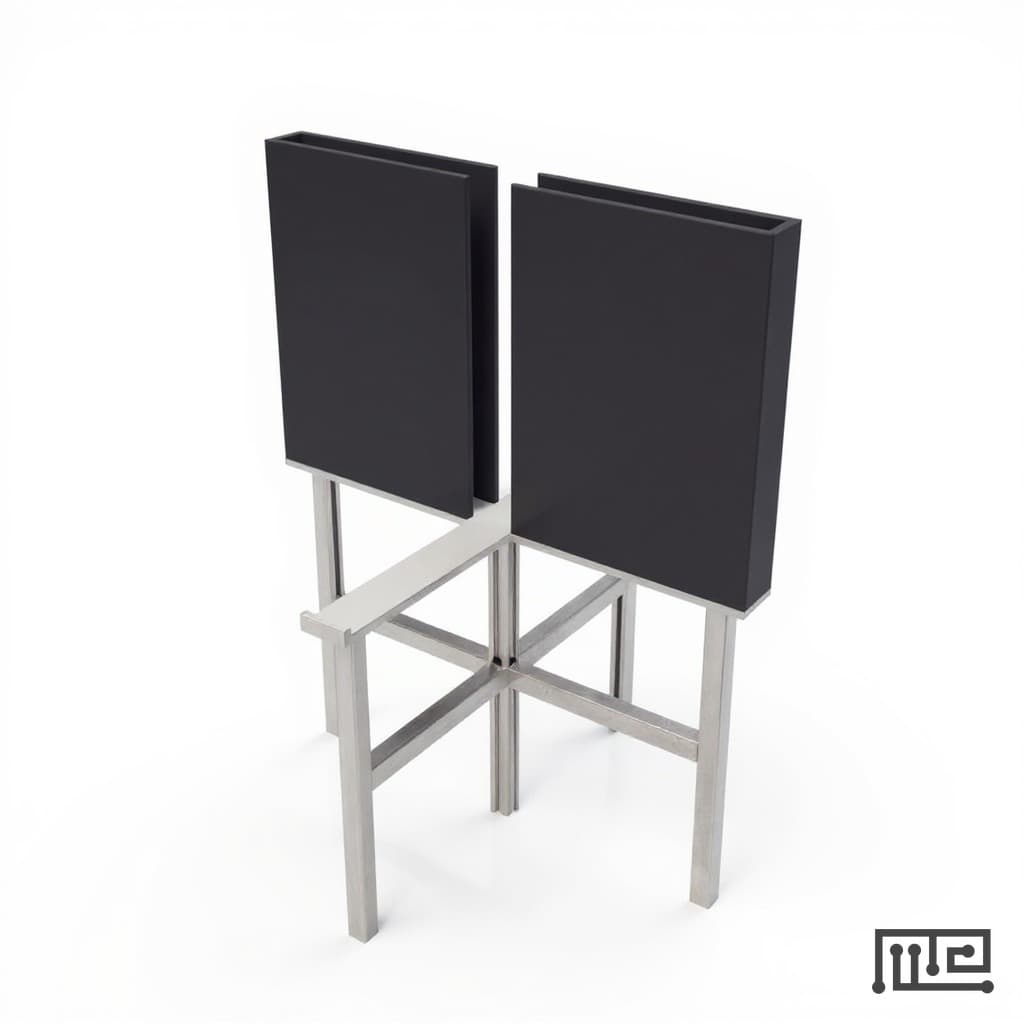
Elevated Plus Maze

Four-arm elevated maze with open and closed arms for anxiety-like behavior assessment. Critical for quantifying pain-induced anxiety comorbidity.

Grip Strength Test

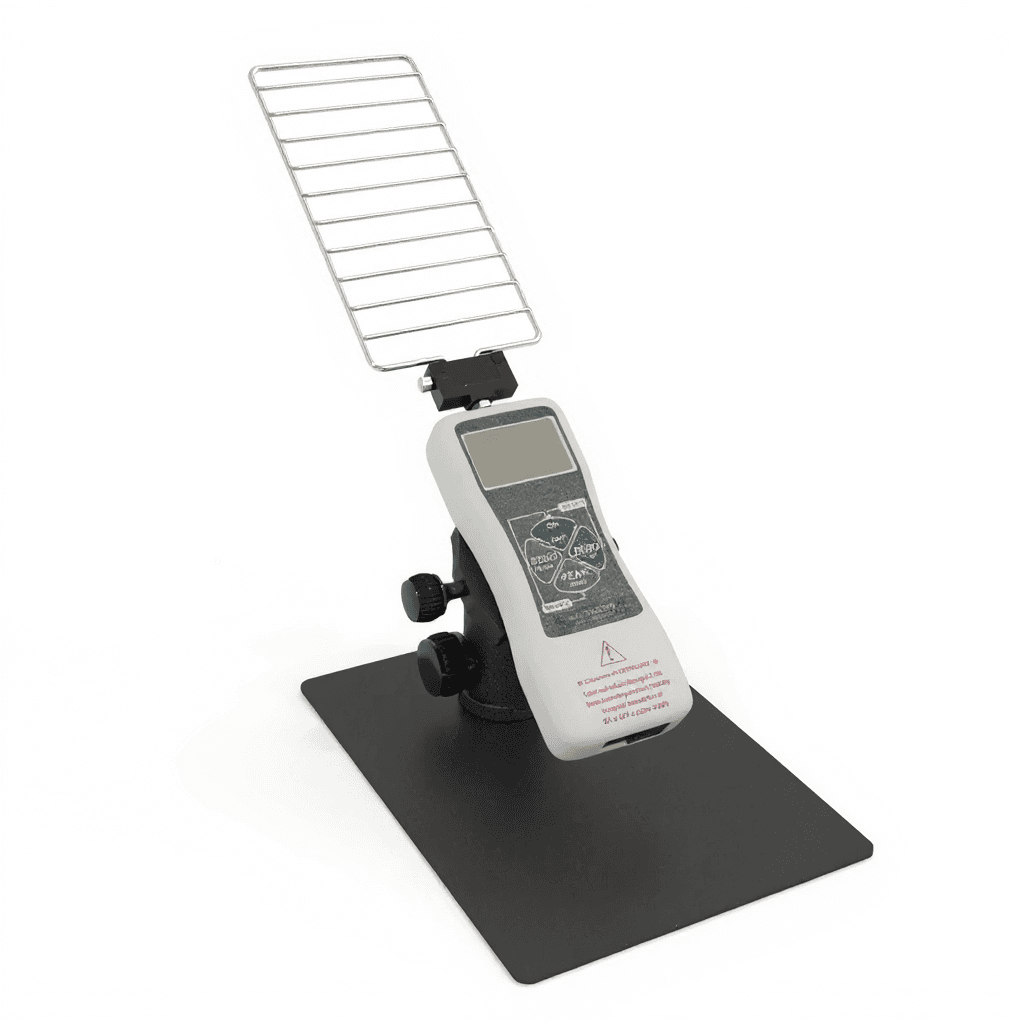
Grip Strength Test

Digital force gauge with grid and bar attachments for forelimb and hindlimb peak force measurement. Quantifies pain-related functional impairment.

Rotarod Test

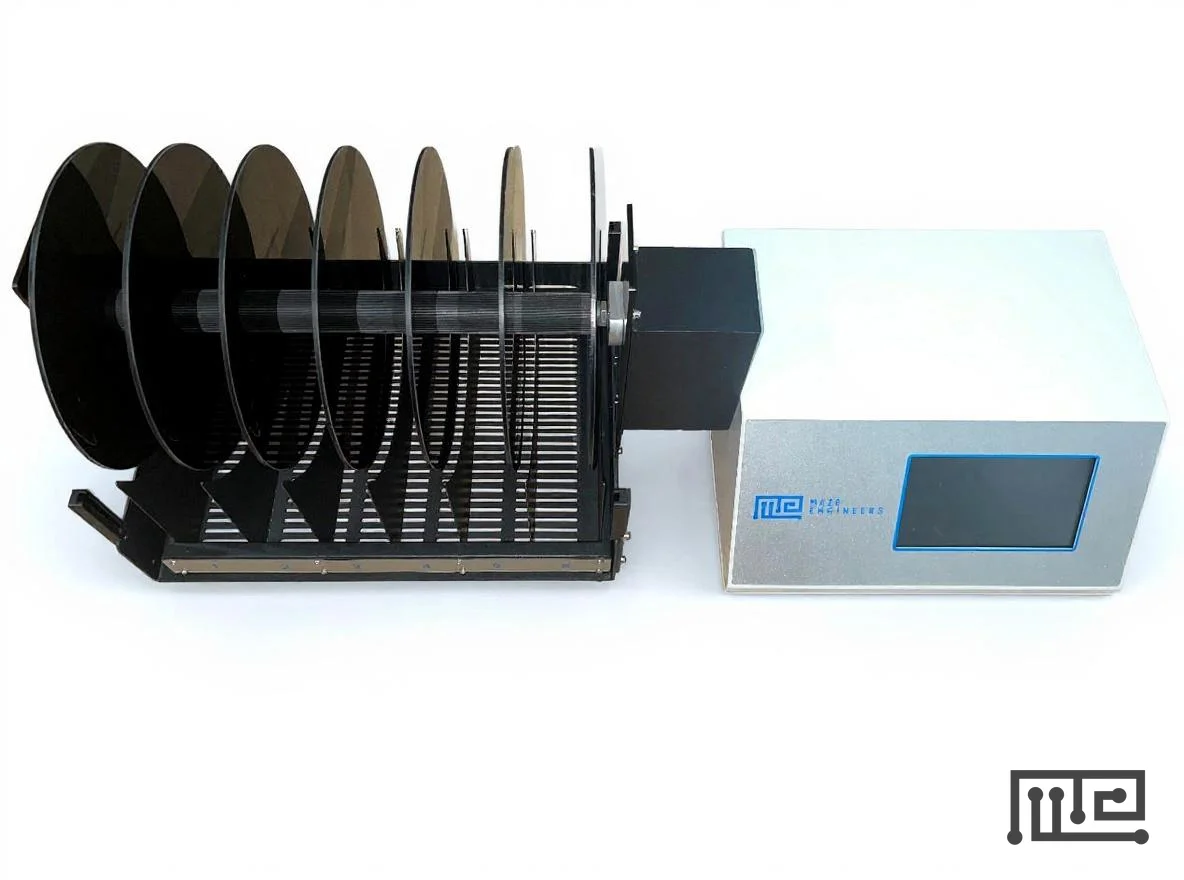
Rotarod Test

Accelerating rotating rod for motor coordination and balance. Essential control measure in analgesic studies to distinguish antinociception from sedation.

Forced Swim Test

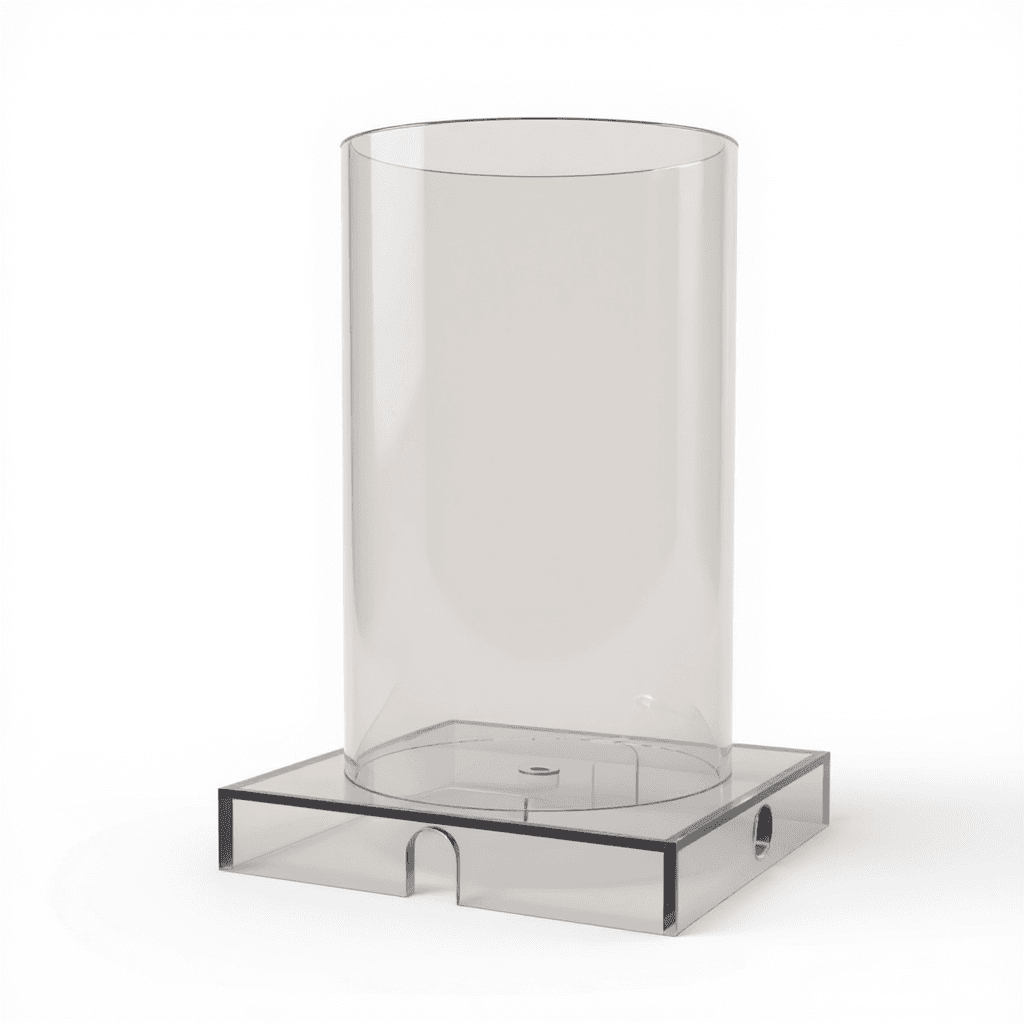
Forced Swim Test

Cylindrical swim chamber for depressive-like behavior assessment. Measures immobility time as a readout of chronic pain-induced affective disruption.

Light-Dark Box

Light-Dark Box

Two-compartment apparatus for anxiety-like behavior. Complementary to EPM for assessing pain-related anxiety without elevated maze locomotor confounds.

Novel Object Recognition

Novel Object Recognition

Arena with standardized object sets for recognition memory. Evaluates pain-related cognitive impairment in chronic pain models.

Frequently Asked Questions

What is the best mouse model for pain research?

The best model depends on your research question. For chronic inflammatory pain, CFA produces sustained hypersensitivity lasting 2–4 weeks. For neuropathic pain, SNI provides robust, long-lasting mechanical allodynia. The formalin test offers rapid screening with biphasic readouts distinguishing peripheral and central mechanisms. The hot plate test is optimal for acute supraspinal nociceptive threshold measurement and opioid screening.

What is the difference between the formalin test Phase 1 and Phase 2?

Phase 1 (0–10 minutes) reflects direct chemical activation of peripheral C-fiber nociceptors and is sensitive to local anesthetics and peripherally acting analgesics. Phase 2 (15–60 minutes) involves central sensitization, spinal facilitation, and ongoing inflammatory mediator release — it is sensitive to centrally acting drugs including NSAIDs, opioids, and NMDA receptor antagonists. The interphase quiescent period (10–15 minutes) separates these mechanisms pharmacologically.

How long does neuropathic pain last in the SNI model?

Mechanical allodynia in the SNI model develops within 24 hours of surgery and persists for at least 6 months, often longer. This prolonged time course makes SNI one of the most stable neuropathic pain models available. Cold hypersensitivity is also robust and long-lasting. The chronic nature allows longitudinal drug studies and investigation of pain chronification mechanisms.

What behavioral tests measure pain in mice?

Pain in mice is assessed through evoked and non-evoked measures. Evoked tests include von Frey filaments (mechanical threshold), Hargreaves test (thermal withdrawal latency), hot plate (supraspinal thermal nociception), and cold plate or acetone tests (cold allodynia). Non-evoked measures include spontaneous behaviors in the open field (locomotion, guarding), grimace scales, weight bearing, and conditioned place preference/aversion. Comorbidity assessments — elevated plus maze for anxiety and forced swim for depression — capture the affective dimension of chronic pain.

What is central sensitization and which models produce it?

Central sensitization is an amplification of neural signaling in the spinal dorsal horn that produces pain hypersensitivity — touch becomes painful (allodynia) and painful stimuli feel more painful (hyperalgesia). CFA produces central sensitization by 24–48 hours post-injection. SNI induces rapid, persistent central sensitization. The formalin test Phase 2 involves transient central sensitization. The hot plate test does not produce central sensitization as it measures an acute supraspinal reflex.

Can I use the CFA model in any mouse strain?

CFA produces inflammatory pain in all standard laboratory mouse strains, but sensitivity varies. C57BL/6J is the most commonly used and best characterized strain. BALB/c mice show lower baseline mechanical thresholds and different inflammatory responses. CD-1 outbred mice offer genetic diversity but wider variability. Always run a pilot study when using CFA in a new strain and consider strain-specific differences in immune response and pain sensitivity.

What is the hot plate test cutoff time and why is it important?

The standard cutoff time is 30 seconds at 52–56 degrees C. This prevents thermal tissue damage to the paw while allowing sufficient dynamic range to detect both hyperalgesia (shorter latency) and analgesia (longer latency). Without a cutoff, analgesics could mask all pain responses and cause burns. The cutoff also serves as a data point — animals reaching cutoff are assigned the maximum value for statistical analysis.

How do I distinguish analgesic effects from sedation in pain models?

Always include motor function controls alongside nociceptive assays. The rotarod test detects drug-induced motor impairment that could artificially increase hot plate latency or reduce formalin flinching. Open field locomotor activity identifies sedation. Grip strength testing rules out muscle relaxation. If a drug increases hot plate latency but impairs rotarod performance at the same dose, the apparent antinociception may be confounded by sedation rather than true pain relief.