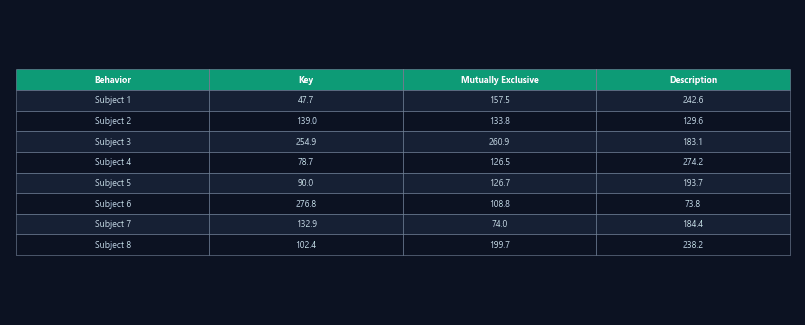
Ethogram definition file
Complete ethogram exported as JSON — shareable across lab members, importable on any ConductVision installation.
JSON
Structured behavioral event catalogs for standardized scoring
Define hierarchical behavioral categories, mutually exclusive event groups, and keyboard shortcut assignments — standardize scoring across your entire lab.
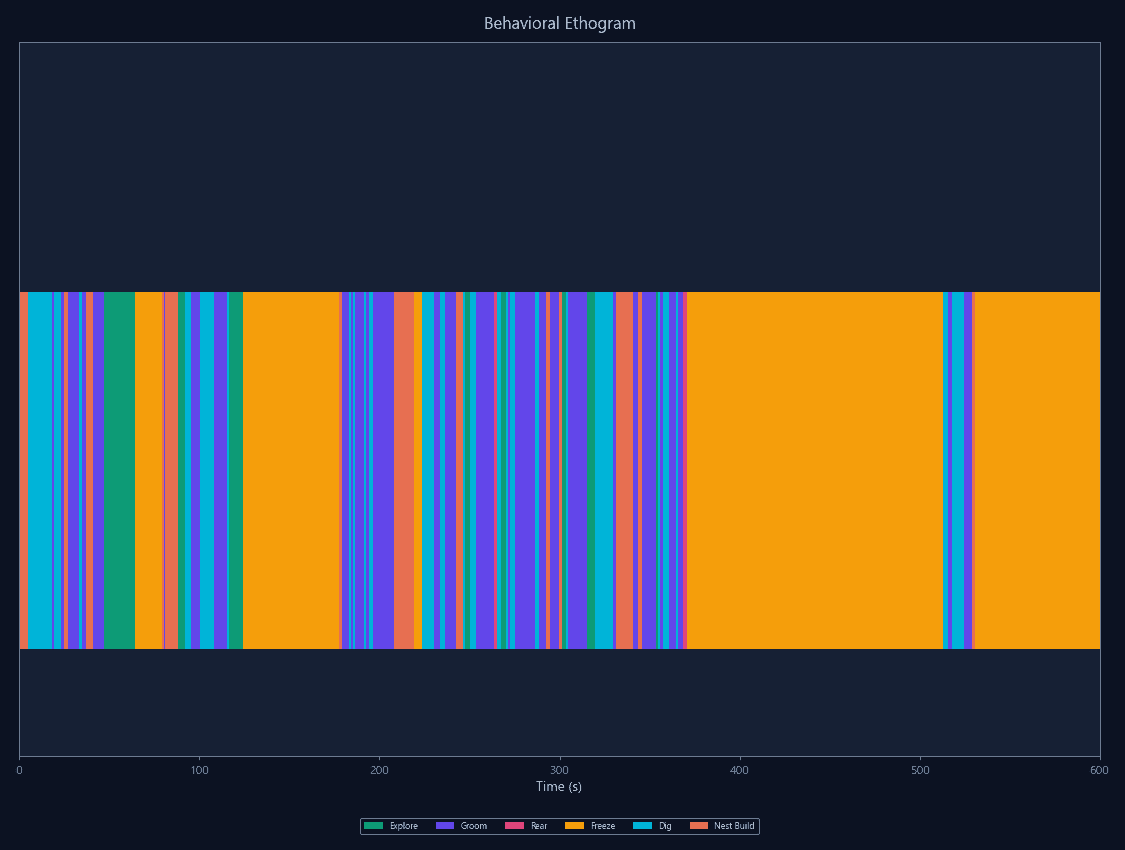
Without a formal ethogram, each lab member creates their own behavior list with overlapping categories, ambiguous definitions, and inconsistent terminology. Data from different scorers cannot be compared, and definitions drift over time.
The ethogram builder provides a structured editor for defining behavioral event catalogs. Events are organized into hierarchical categories, mutual exclusivity groups ensure only one state is active at a time, and each event has a formal definition and keyboard shortcut.
Complete ethogram exported as JSON — shareable across lab members, importable on any ConductVision installation.
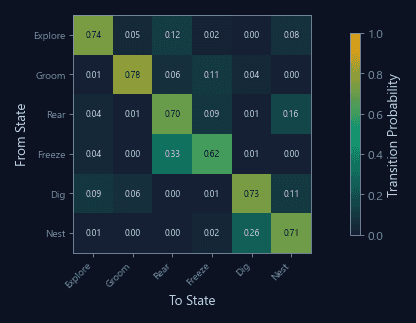
Ready-to-use annotation template derived from the ethogram — keyboard shortcuts pre-assigned, categories pre-configured.
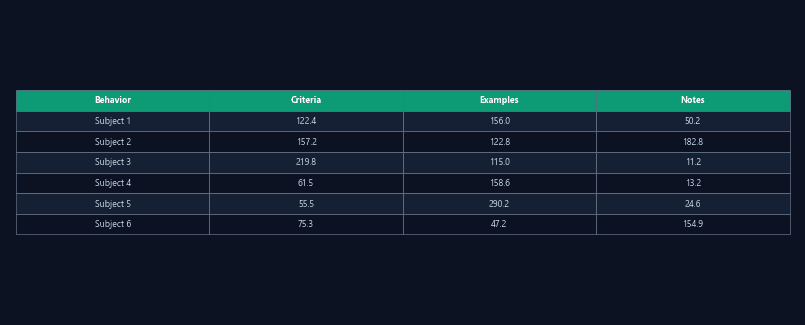
Human-readable ethogram document with event names, definitions, hierarchy, and exclusivity rules — for lab protocols and publications.
Every lab member uses the same ethogram with the same definitions and shortcuts. Training new scorers is systematic rather than oral tradition.
Share ethogram files across collaborating sites to ensure identical behavioral definitions and scoring criteria.
Start with broad categories, refine with sub-categories as you observe new behaviors — the ethogram evolves with your understanding.
Ethogram categories become classifier labels. Structured definitions ensure consistent training data across annotators.
| Feature | ConductVision | Typical systems |
|---|---|---|
| Behavior catalog structure | Hierarchical with exclusivity rules | Flat lists |
| Formal definitions | Per-event text definitions | Informal or absent |
| Shareability | Exportable JSON, version-controlled | Paper protocols or spreadsheets |
| Keyboard shortcut integration | Ethogram-driven shortcut assignment | Manual shortcut configuration |
| Mutual exclusivity enforcement | Automatic — prevents conflicting scores | Not enforced |
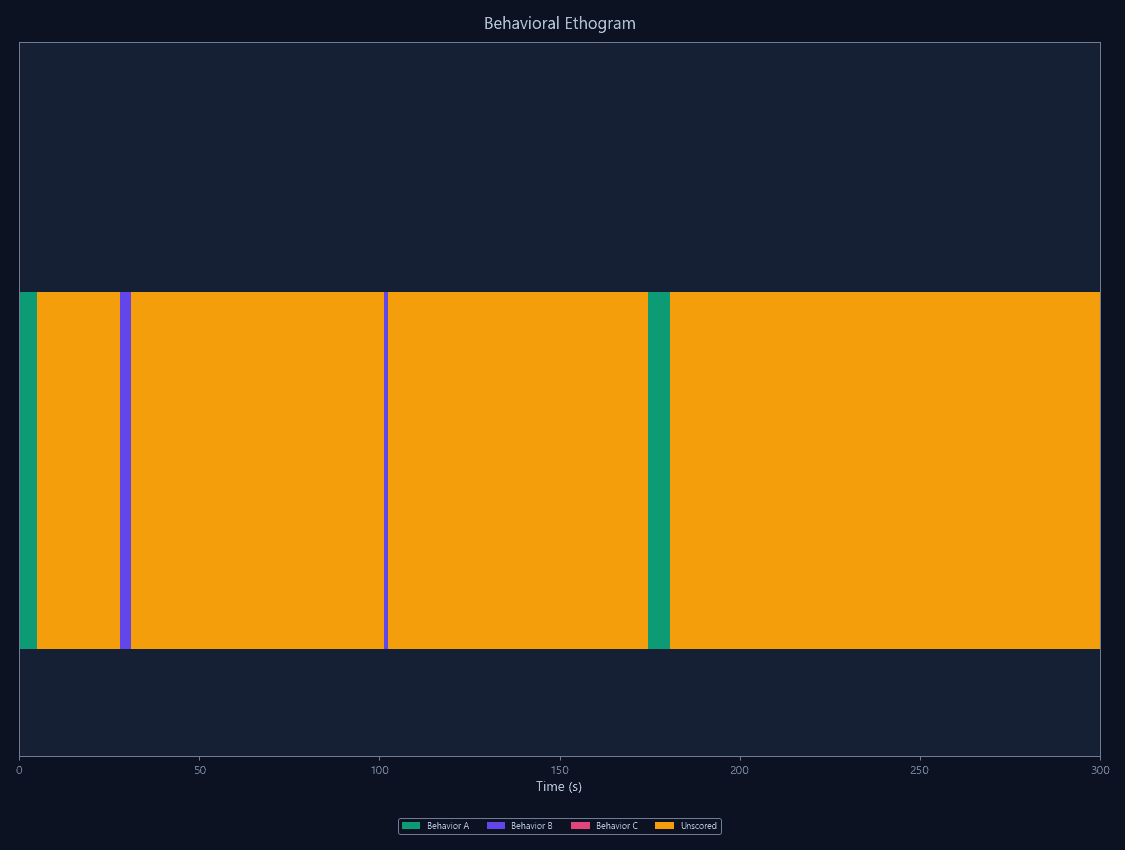
Frame-level manual annotation merged with automated tracking for hybrid human-AI scoring.
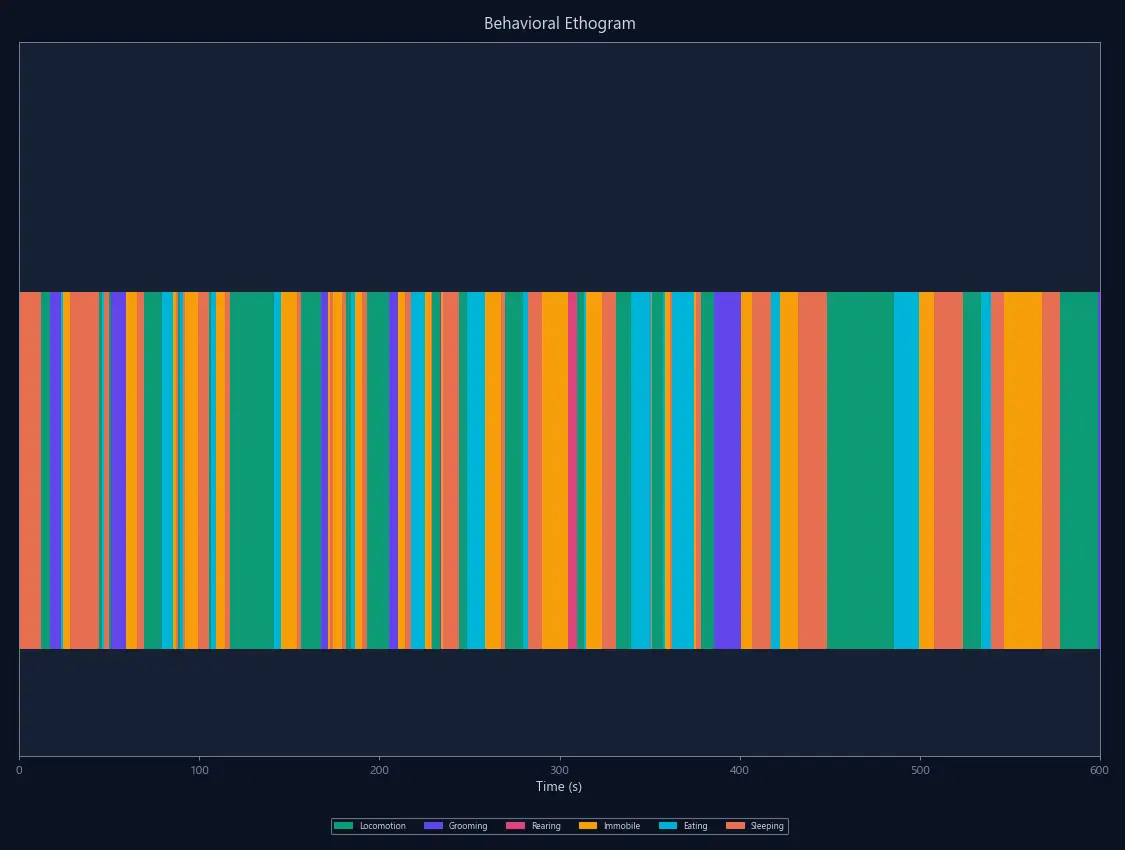
ML-powered frame-level behavioral classification with temporal smoothing and custom classifier training.
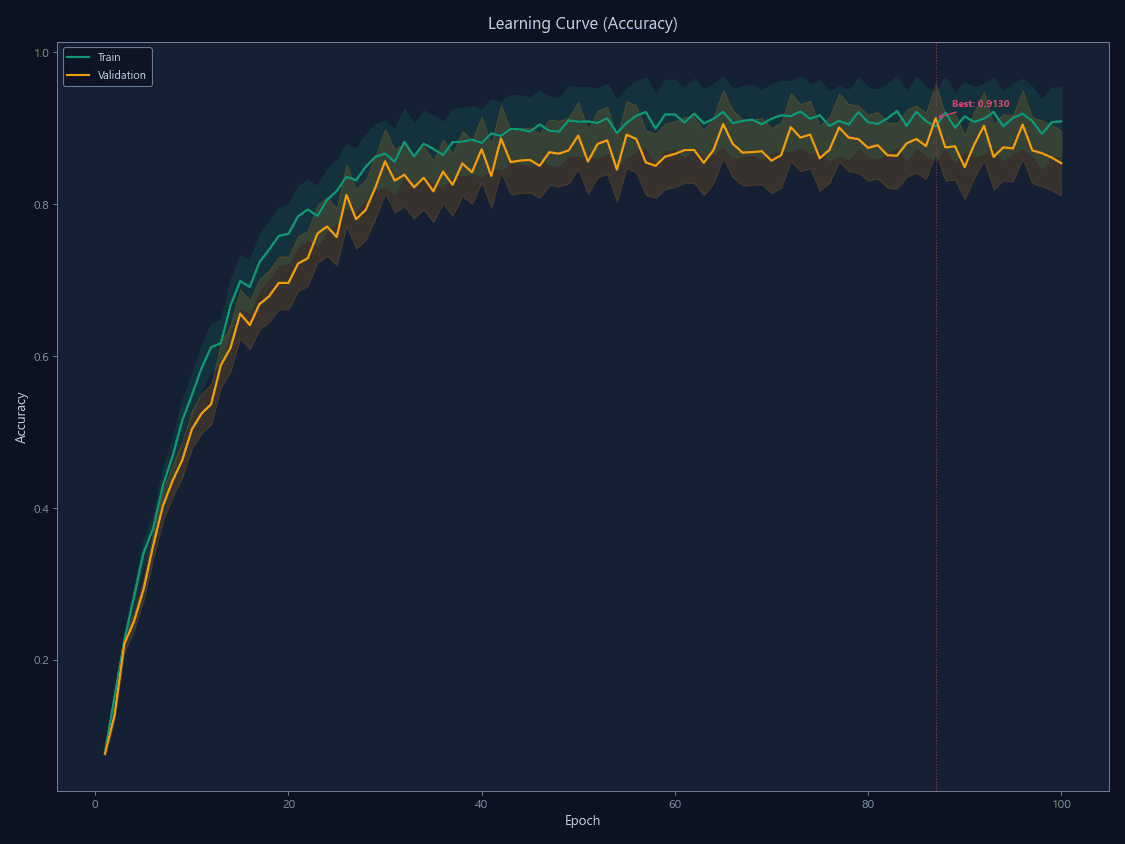
Train and validate custom behavior classifiers on lab-specific annotated data.
Define your ethogram once, share it across your lab, and score consistently from day one.