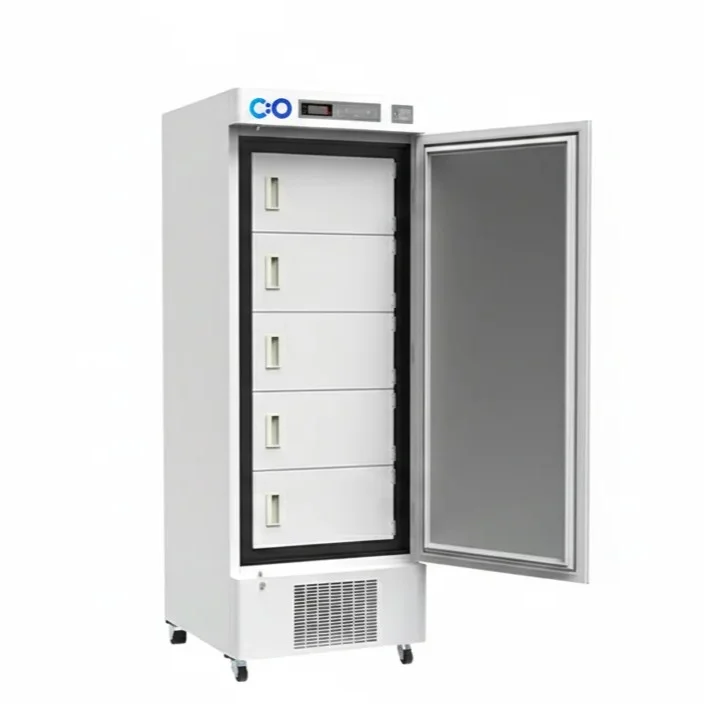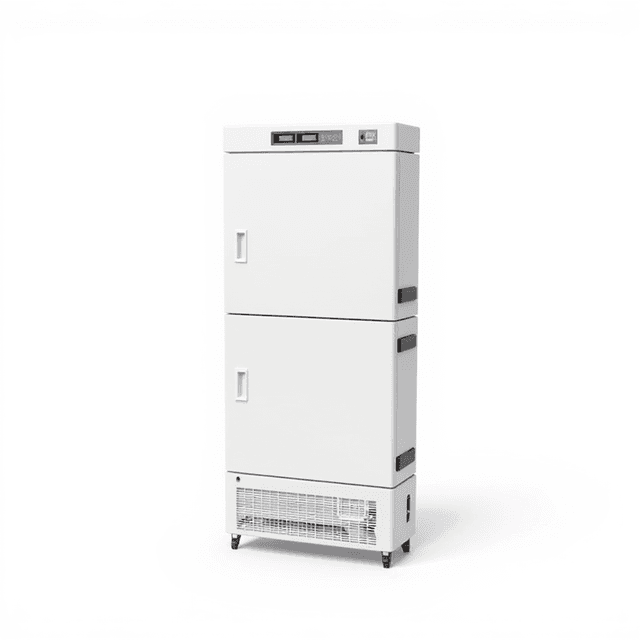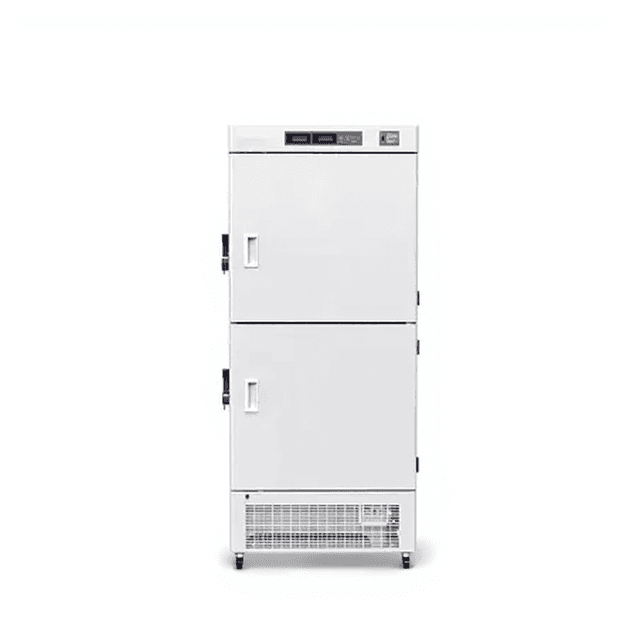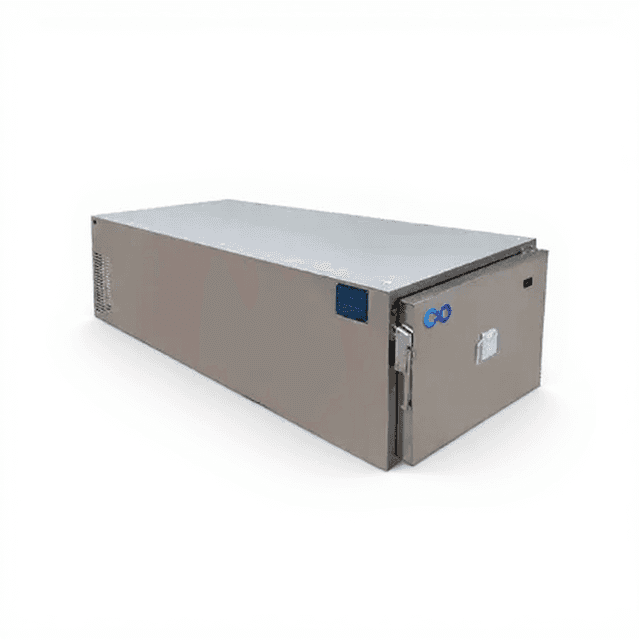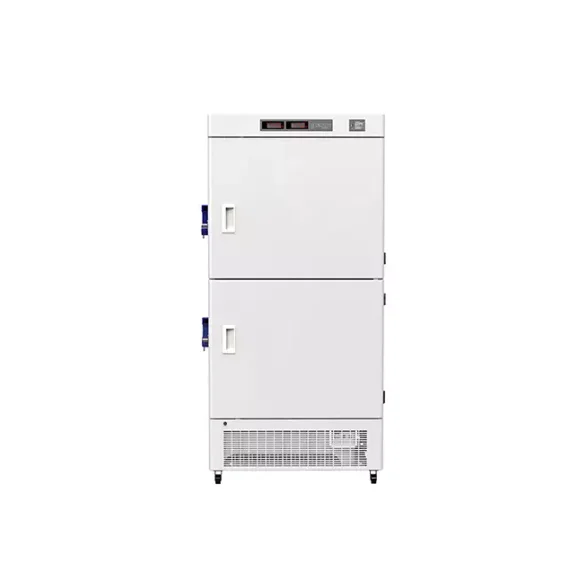
-30°C Freezer BDF-30V368D BDF-30V528D
Direct-cooling freezers providing -10°C to -30°C storage with ±0.1°C accuracy for biomedical specimens, vaccines, and temperature-sensitive research materials in 368L or 528L capacities.

Louise Corscadden, PhD
Neuroscience · ConductScience
Ask Louise about -30°C Freezer BDF-30V368D BDF-30V528D fit, setup, configuration, or quote prep.
Already working with us? Sign in to connect this with My Scientist.
The -30°C Freezer BDF-30V368D/BDF-30V528D series provides reliable low-temperature storage for biomedical specimens, vaccines, reagents, and temperature-sensitive research materials. These direct-cooling freezers maintain temperatures from -10°C to -30°C with ±0.1°C accuracy and temperature uniformity within 3°C throughout the storage chamber, ensuring consistent sample preservation conditions for critical research applications.
Available in two capacities (368L and 528L), each unit features dual-compressor refrigeration with R290 refrigerant, microprocessor control with LED display, and comprehensive alarm systems for temperature monitoring, door status, and power failure events. The 304 stainless steel interior construction and polyurethane cyclopentane foam insulation ensure sample integrity and energy efficiency, with recovery time to -22°C following door opening of 15 minutes or less in 25°C ambient conditions.
How It Works
The BDF-30V368D/BDF-30V528D series employs dual-compressor direct-cooling refrigeration technology with R290 refrigerant to achieve and maintain precise sub-zero temperatures. The dual-compressor system provides redundancy and improved temperature stability by distributing cooling load across two independent refrigeration circuits, reducing temperature fluctuations during high-demand periods or door openings.
Microprocessor-based temperature control continuously monitors chamber conditions through precision sensors, automatically adjusting compressor operation to maintain the setpoint within ±0.1°C. The polyurethane cyclopentane foam insulation minimizes heat transfer from ambient conditions, while the 304 stainless steel interior provides uniform thermal distribution and chemical resistance for sample protection.
Integrated alarm systems monitor temperature deviations, door status, and power failure conditions, providing audible and visual alerts when parameters exceed programmed limits. The LED display provides real-time temperature readings and system status information for continuous monitoring of storage conditions.
Features & Benefits
Model
- BIO-BDF-30V368D
- BIO-BDF-30V528D
Automation Level
- semi-automated
Research Domain
- Cell Biology
- Clinical Diagnostics
- Immunology
- Microbiology
- Pharmaceutical QC
Temperature Range
- -15~-40°C
Weight
- 833.35 kg
Dimensions
- L: 42.0 mm
- W: 43.6 mm
- H: 38.0 mm
| Feature | This Product | Typical Alternative | Advantage |
|---|---|---|---|
| Temperature Accuracy | ±0.1°C accuracy with microprocessor control | Standard models often provide ±0.5°C to ±1.0°C accuracy | Precise temperature control ensures consistent sample preservation conditions required for maintaining biological activity and research reproducibility. |
| Cooling System | Dual-compressor refrigeration with R290 refrigerant | Single-compressor systems are common in basic models | Dual-compressor design provides backup cooling capability and enhanced temperature stability during high-demand periods or maintenance. |
| Temperature Uniformity | Within 3°C throughout storage chamber | Basic freezers may have wider temperature variations | Consistent temperature distribution eliminates hot spots and ensures uniform sample preservation regardless of storage location. |
| Recovery Performance | 15 minutes or less to reach -22°C after door opening | Recovery times vary widely by model and design | Fast temperature recovery minimizes thermal stress on samples during access periods and maintains storage integrity. |
| Interior Construction | 304 stainless steel interior with polyurethane insulation | Aluminum or coated steel interiors are common | Stainless steel provides superior chemical resistance, uniform thermal distribution, and easy cleaning for laboratory hygiene requirements. |
The BDF-30V368D/BDF-30V528D series offers precise temperature control with ±0.1°C accuracy and dual-compressor reliability for critical sample preservation. The 304 stainless steel construction and comprehensive alarm systems provide laboratory-grade performance for biomedical research applications requiring consistent sub-zero storage conditions.
Practical Tips
Place calibrated temperature probes in multiple locations throughout the chamber during initial validation and quarterly verification checks.
Why: Temperature mapping ensures uniform conditions and identifies any potential hot spots that could compromise sample integrity.
Clean condenser coils monthly and inspect door seals regularly for proper sealing to maintain energy efficiency and temperature stability.
Why: Proper maintenance prevents performance degradation and ensures consistent operating conditions for sample preservation.
Allow 24 hours of stable operation at target temperature before loading critical samples and avoid overloading shelves.
Why: Proper stabilization and air circulation ensure optimal temperature distribution and prevent thermal stress on newly stored samples.
If temperature alarms activate, check door closure and allow recovery time before investigating mechanical issues.
Why: Door-related temperature excursions are common and resolve quickly, avoiding unnecessary service calls for normal operational variations.
Implement continuous temperature monitoring with independent data loggers for critical sample storage validation.
Why: Independent monitoring provides documentation for regulatory compliance and early warning of potential storage issues.
Ensure adequate ventilation around the unit and avoid blocking air intake or exhaust areas to prevent overheating.
Why: Proper ventilation maintains compressor efficiency and prevents system overheating that could lead to cooling failures.
Organize samples with clear labeling and maintain an inventory log to minimize door opening time during sample retrieval.
Why: Reduced door opening time minimizes temperature excursions and maintains stable storage conditions for all samples.
Schedule regular calibration verification of the display temperature against traceable reference standards.
Why: Periodic calibration verification ensures measurement accuracy and maintains confidence in storage temperature documentation.
Setup Guide
What’s in the Box
- Main freezer unit
- Adjustable shelves (typical)
- Temperature monitoring probe (typical)
- Power cord
- User manual and documentation
- Warranty information (typical)
Warranty
ConductScience provides standard manufacturer warranty coverage with technical support for installation guidance and operational assistance. Extended warranty and service contracts are available for critical research applications.
Compliance
References
Background reading relevant to this product:
How quickly does the freezer recover temperature after door opening?
The system recovers to -22°C within 15 minutes following door opening under standard ambient conditions (25°C), minimizing temperature excursions that could affect sample integrity.
What is the temperature uniformity throughout the storage chamber?
Temperature uniformity is maintained within 3°C throughout the storage chamber, ensuring consistent preservation conditions for samples regardless of their position within the unit.
Can the alarm limits be customized for different sample requirements?
Yes, the microprocessor control system allows configuration of temperature alarm limits according to specific sample storage requirements, with both audible and visual alert capabilities.
What type of temperature monitoring is recommended for validation?
Independent temperature monitoring using calibrated data loggers placed in multiple locations within the chamber is recommended for validation and ongoing temperature mapping verification.
How does the dual-compressor system improve reliability?
The dual-compressor system provides backup cooling capability and distributes thermal load, reducing the risk of total system failure and maintaining more stable temperatures during high-demand periods.
What maintenance is required for optimal performance?
Regular cleaning of condenser coils, door seal inspection, and periodic calibration verification are recommended. Consult product datasheet for specific maintenance intervals and procedures.
Is the interior suitable for storing corrosive reagents?
The 304 stainless steel interior provides good chemical resistance for most laboratory reagents, though compatibility should be verified for highly corrosive materials.
Have a question about this product?
Upgrade Options