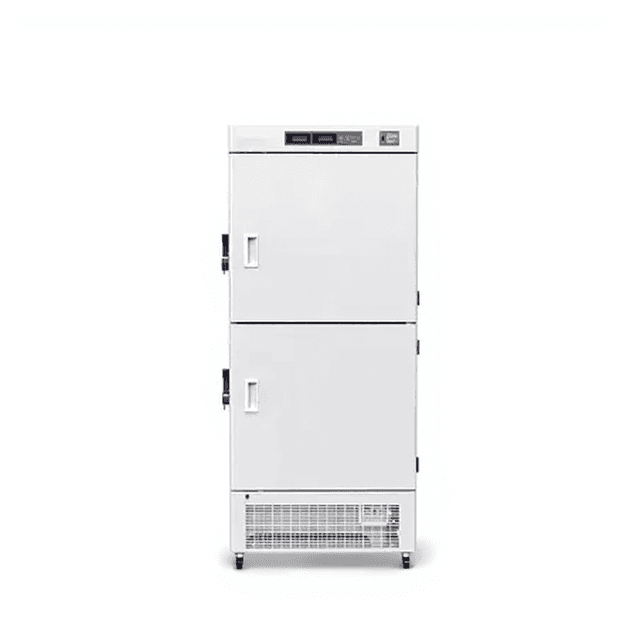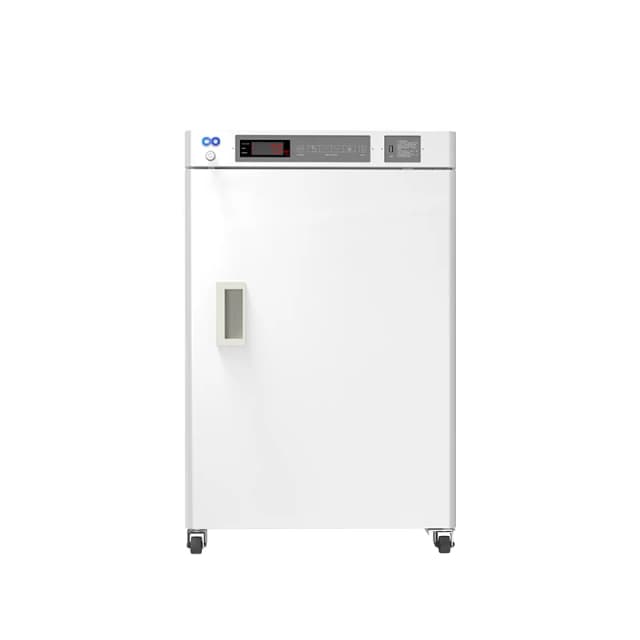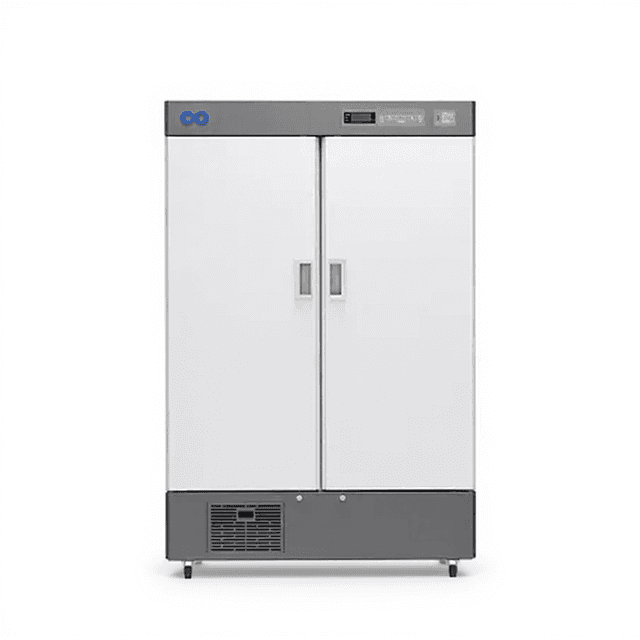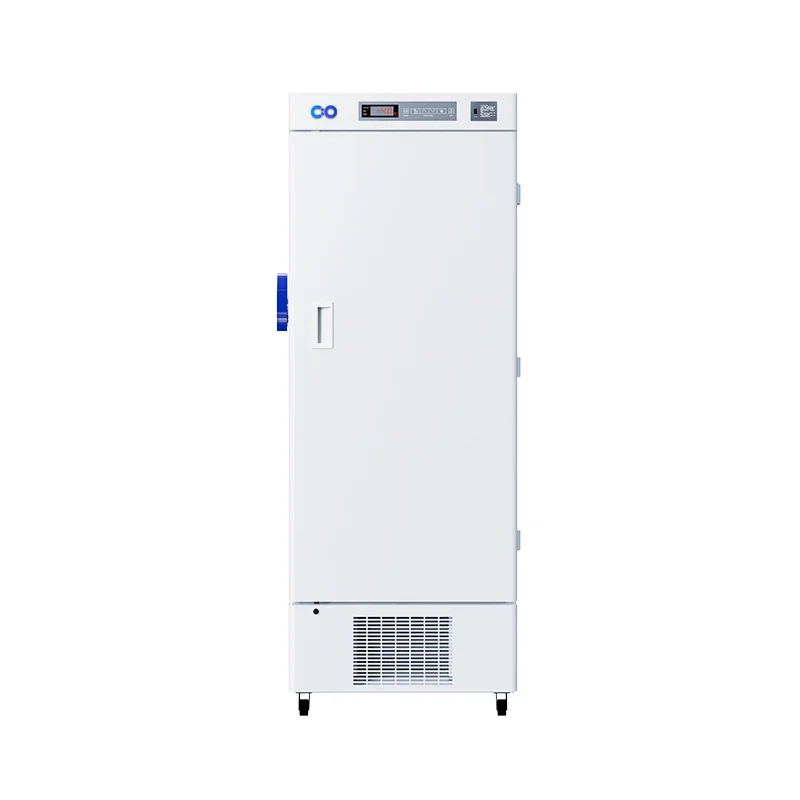
-40°C Freezer 362L 408L 450L
Ultra-low temperature freezers providing reliable storage at -40°C minimum with ±0.1°C accuracy, available in 362L, 408L, and 450L capacities for biological specimens and pharmaceutical compounds.

Louise Corscadden, PhD
Director of Science · ConductScience
Ask Louise about -40°C Freezer 362L 408L 450L fit, setup, configuration, or quote prep.
Already working with us? Sign in to connect this with My Scientist.
Key Specifications
Full details →- Model fit
- 3 selectable configurations
- SKU family
- BIO-BDF-40V362 | BIO-BDF-40V398 | BIO-BDF-40V450
- Shipping box
- 49.84 x 22.32 x 20.47 cm
- Ordering
- Online checkout and quote request available
- Category
- Cold Storage
- Build notes
- Confirm accessories, station layout, and support needs before purchase
The -40°C Freezer series provides reliable ultra-low temperature storage for biological specimens, pharmaceutical compounds, and temperature-sensitive materials requiring consistent conditions between -15°C and -40°C. These direct-cooling freezers feature microprocessor control with LED display and maintain temperature accuracy of ±0.1°C across three available capacities: 362L, 408L, and 450L.
Each unit incorporates comprehensive alarm systems for temperature deviations, power failures, and door monitoring, with recovery times ranging from 30-40 minutes to restore -37°C following door opening. The freezers utilize environmentally-appropriate refrigerants (R290 or R404A/R23) with wire-on-tube or finned copper tube condensers depending on model configuration, ensuring consistent performance in laboratory environments requiring precise temperature control.
How It Works
The freezers employ direct-cooling refrigeration systems using environmentally-appropriate refrigerants (R290 or R404A/R23) to achieve and maintain temperatures between -15°C and -40°C. The microprocessor-controlled system continuously monitors internal temperature through precision sensors, automatically adjusting compressor operation to maintain the setpoint within ±0.1°C accuracy.
Temperature uniformity is maintained at ≤4°C throughout the storage chamber through optimized airflow design and thermal insulation. The control system features LED display for real-time temperature monitoring and incorporates multiple alarm functions that activate upon temperature deviation, power failure, or door opening events. Recovery performance is engineered to restore -37°C within 30-40 minutes following door opening, minimizing exposure time for stored specimens.
The wire-on-tube or finned copper tube condenser configurations provide efficient heat exchange, while the direct-cooling design eliminates the need for fans inside the storage chamber, reducing temperature fluctuations and maintaining stable storage conditions for sensitive biological and chemical materials.
Features & Benefits
Available Capacities
- 362L, 408L, 450L
Model Variants
- BIO-BDF-40V362, BIO-BDF-40V398, BIO-BDF-40V450
Automation Level
- semi-automated
Temperature Accuracy
- 0.1°C
Temperature Uniformity
- ≤4°C
Internal Dimensions
- 520×567×1266mm
External Dimensions
- 690×744×1885mm
Temperature Range
- -40°C minimum
Research Domain
- Analytical Chemistry
- Cancer Research
- Cell Biology
- Clinical Diagnostics
- Microbiology
- Pharmaceutical QC
Capacity
- 362L
Power/Voltage
- 278W
Weight
- 130kg
Shipping weight
- 286.6 lb
Shipping box
- L: 49.84 cm
- W: 22.32 cm
- H: 20.47 cm
| Feature | This Product | Typical Alternative | Advantage |
|---|---|---|---|
| Temperature Accuracy | ±0.1°C precision control | Entry-level models often provide ±1°C to ±2°C accuracy | Ensures tighter temperature control for sensitive specimens requiring precise storage conditions. |
| Temperature Uniformity | ≤4°C throughout chamber | Basic units may have wider temperature variations | Eliminates hot spots that could compromise sample integrity across the entire storage volume. |
| Recovery Performance | 30-40 minutes to restore -37°C | Lower-end models often require longer recovery times | Minimizes specimen exposure time during routine access procedures. |
| Alarm Systems | Comprehensive monitoring for temperature, power, and door events | Basic models may have limited alarm functions | Provides complete protection against multiple failure modes that could compromise stored materials. |
| Capacity Options | Three models: 362L, 408L, 450L | Varies by manufacturer and product line | Allows laboratories to select appropriate storage volume based on specific workflow requirements. |
| Direct-Cooling Design | Fan-free internal environment | Some models use internal circulation fans | Reduces temperature fluctuations and vibration that could affect sensitive stored specimens. |
This freezer series provides laboratory-grade temperature control with ±0.1°C accuracy and comprehensive monitoring systems across multiple capacity options. The direct-cooling design and rapid recovery performance support demanding storage applications requiring consistent ultra-low temperature conditions.
| Model | SKU | Listed price | Status | Shipping box |
|---|---|---|---|---|
| BIO-BDF-40V450 | BIO-BDF-40V450 | $6,040.00 | Available | 49.84 x 22.32 x 20.47 cm |
| BIO-BDF-40V398 | BIO-BDF-40V398 | $5,290.00 | Available | 49.84 x 22.32 x 20.47 cm |
| BIO-BDF-40V362 | BIO-BDF-40V362 | $4,790.00 | Available | 49.84 x 22.32 x 20.47 cm |
Practical Tips
Verify temperature accuracy monthly using calibrated reference thermometer placed in the center of the storage chamber.
Why: Regular calibration ensures continued precision for critical specimen storage requirements.
Clean condenser coils quarterly and check door seal integrity to maintain optimal cooling efficiency.
Why: Proper maintenance prevents performance degradation and extends equipment operational life.
Pre-chill storage containers and minimize door opening time to reduce temperature fluctuations.
Why: Reduces thermal load on the system and maintains stable conditions for stored specimens.
Organize samples with clear labeling and inventory management to minimize search time during access.
Why: Reduces door opening duration and exposure time for temperature-sensitive materials.
Ensure adequate ventilation around the unit and monitor alarm functions regularly.
Why: Proper ventilation prevents overheating while functional alarms provide early warning of storage failures.
Document temperature logs and alarm events for quality assurance and regulatory compliance records.
Why: Maintains traceability of storage conditions required for validated laboratory procedures.
Check door alignment and seal condition if temperature recovery times exceed specifications.
Why: Door seal issues are common causes of poor thermal performance and extended recovery times.
Schedule professional refrigerant level checks annually to ensure optimal cooling performance.
Why: Proper refrigerant levels are essential for maintaining specified temperature ranges and energy efficiency.
Setup Guide
What’s in the Box
- Ultra-low temperature freezer unit
- Power cable
- User manual and operation guide
- Temperature monitoring documentation
- Alarm system setup instructions
- Refrigerant specification sheet (typical)
Warranty
ConductScience provides standard one-year manufacturer warranty covering components and technical support for normal laboratory use. Extended service plans and calibration services are available through authorized service networks.
Compliance
References
Background reading relevant to this product:
What is the temperature recovery time after door opening?
The freezer restores -37°C within 30-40 minutes following door opening, minimizing specimen exposure time during access procedures.
How precise is the temperature control system?
Temperature accuracy is maintained at ±0.1°C with uniformity of ≤4°C throughout the storage chamber, ensuring consistent storage conditions.
What alarm functions are included?
Comprehensive alarm systems monitor temperature deviations, power failures, and door opening events to protect against storage failures.
Which refrigerants are used in these units?
Units utilize environmentally-appropriate refrigerants including R290 or R404A/R23 depending on model configuration and regional requirements.
What are the internal storage dimensions?
The 362L model provides 520×567×1266mm internal dimensions, while 408L and 450L models offer proportionally larger storage volumes.
How does this compare to liquid nitrogen storage?
Provides controlled temperature storage without the operational complexity and safety considerations of cryogenic systems, suitable for materials not requiring ultra-deep freezing.
What is the power consumption?
The 362L model consumes 278W during normal operation, providing efficient ultra-low temperature storage with moderate energy requirements.
Can the units be networked for remote monitoring?
Consult product datasheet for specific networking capabilities and remote monitoring options available with the control system.
Have a question about this product?
Have a question? Just ask.
Send it over and we'll email you a personalized answer — no call, no scheduling.
Prefer to talk it through?