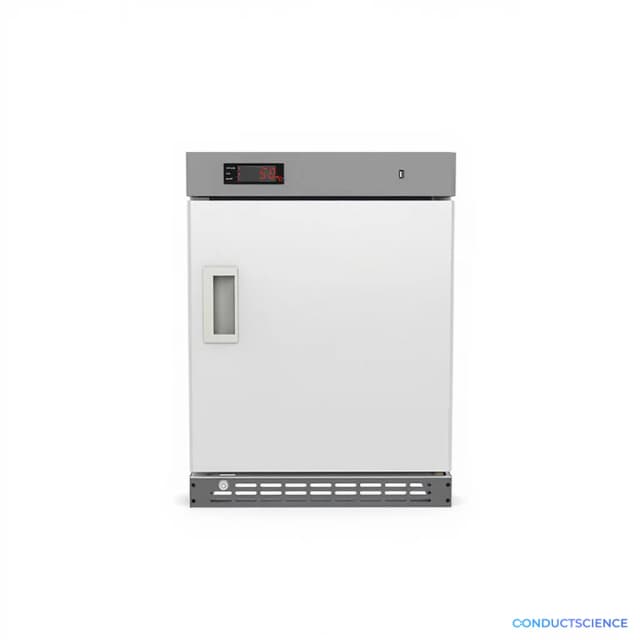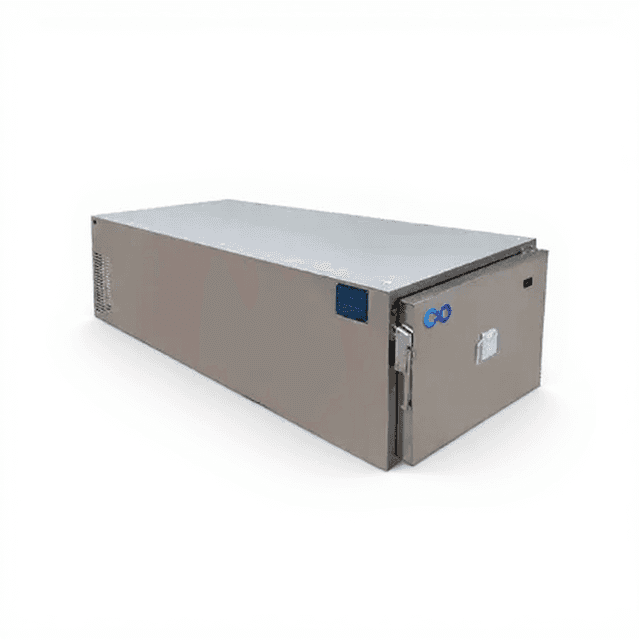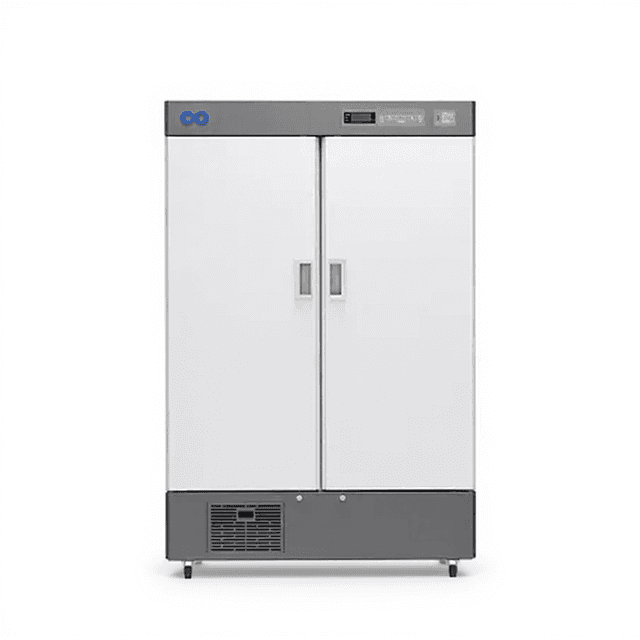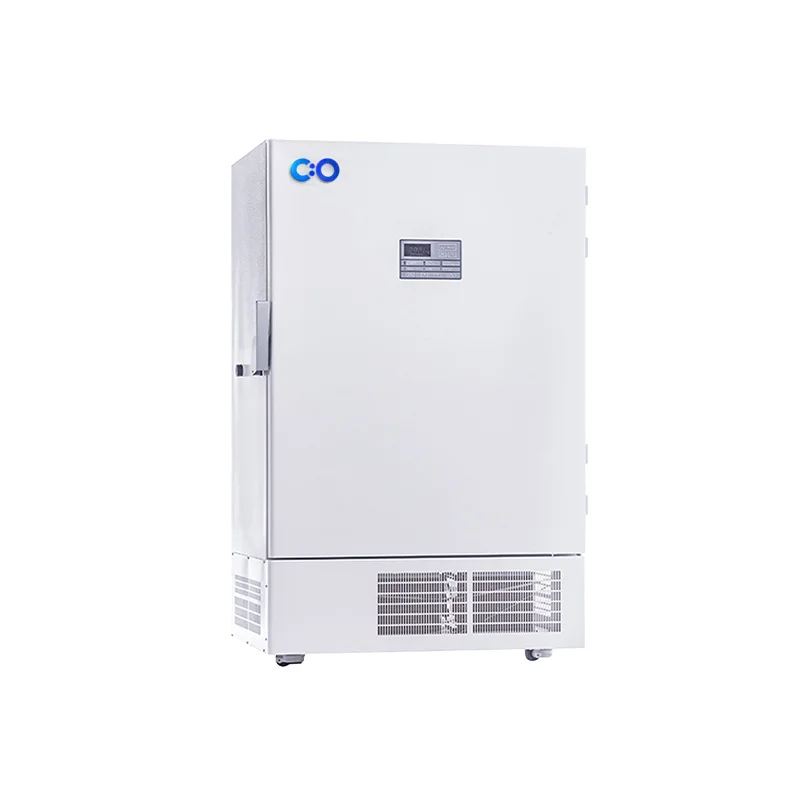
-40°C Freezer 608L 708L 808L 936L
Ultra-low temperature freezers offering -15°C to -40°C storage across four capacity options (608L-936L) for biological sample preservation, biobanking, and pharmaceutical applications.

Louise Corscadden, PhD
Director of Science · ConductScience
Ask Louise about -40°C Freezer 608L 708L 808L 936L fit, setup, configuration, or quote prep.
Already working with us? Sign in to connect this with My Scientist.
Key Specifications
Full details →- Model fit
- 4 selectable configurations
- SKU family
- BIO-BDF-40V608 | BIO-BD-40V708 | BIO-BDF-40V808 | BIO-BDF-40V936
- Shipping box
- 42.0 x 43.6 x 38.0 cm
- Ordering
- Online checkout and quote request available
- Category
- Cold Storage
- Build notes
- Confirm accessories, station layout, and support needs before purchase
The -40°C Freezer series provides reliable ultra-low temperature storage for biological samples, pharmaceuticals, and temperature-sensitive materials across four capacity configurations (608L, 708L, 808L, and 936L). Operating within a temperature range of -15°C to -40°C, these freezers maintain stable storage conditions essential for preserving sample integrity in research and clinical applications.
Designed for laboratory environments requiring consistent sub-zero storage, these units support long-term biobanking protocols, enzyme preservation, and pharmaceutical stability testing. The multiple capacity configurations accommodate varying laboratory space requirements and sample volumes, from small research groups to large-scale biorepositories. Semi-automated temperature management systems ensure consistent storage conditions while minimizing manual intervention requirements.
How It Works
The -40°C freezer series employs mechanical refrigeration systems with precision temperature control to maintain stable sub-zero storage conditions. The cooling mechanism utilizes a cascade refrigeration system or low-temperature refrigerant to achieve and maintain temperatures between -15°C and -40°C. Insulated cabinet construction minimizes thermal transfer while maintaining uniform temperature distribution throughout the storage compartment.
Temperature stability is maintained through microprocessor-controlled systems that monitor internal conditions and adjust cooling cycles to compensate for thermal loads introduced during door openings or sample additions. The semi-automated operation includes alarm systems that alert users to temperature deviations, power failures, or system malfunctions that could compromise sample integrity.
Multiple capacity options (608L, 708L, 808L, and 936L) provide different storage volumes while maintaining consistent temperature performance characteristics. The design accommodates various sample storage formats including boxes, racks, and individual containers while ensuring adequate air circulation for uniform temperature maintenance.
Features & Benefits
Automation Level
- semi-automated
Research Domain
- Analytical Chemistry
- Cancer Research
- Cell Biology
- Clinical Diagnostics
- Developmental Biology
- Immunology
- Microbiology
- Pharmaceutical QC
Temperature Range
- -15~-40°C
Shipping weight
- 30.0 lb
Shipping box
- L: 42.0 cm
- W: 43.6 cm
- H: 38.0 cm
| Feature | This Product | Typical Alternative | Advantage |
|---|---|---|---|
| Temperature Range | -15°C to -40°C operational range | Entry-level models often provide narrower temperature ranges or less precise control | Flexible temperature selection allows optimization for specific sample preservation requirements |
| Capacity Options | Four capacity configurations (608L, 708L, 808L, 936L) | Many models offer fewer capacity options or fixed sizes | Multiple sizes accommodate diverse laboratory space requirements and sample volumes |
| Automation Level | Semi-automated temperature management with microprocessor control | Basic models may require more manual monitoring and adjustment | Reduces operator intervention while maintaining precise temperature control |
| Alarm Systems | Integrated temperature deviation and system failure alarms | Lower-cost units may have limited or no alarm capabilities | Immediate notification protects valuable samples from temperature excursions |
| Storage Flexibility | Compatible with multiple storage formats including boxes, racks, and individual containers | Some models have limited internal configuration options | Adapts to diverse sample types and laboratory workflow requirements |
The -40°C Freezer series offers flexible temperature control across four capacity options with semi-automated management systems. The temperature range and alarm integration provide reliable sample preservation capabilities for diverse laboratory applications requiring controlled sub-zero storage conditions.
| Model | SKU | Listed price | Status | Shipping box |
|---|---|---|---|---|
| BIO-BDF-40V936 | BIO-BDF-40V936 | $10,999.00 | Available | 42.0 x 43.6 x 38.0 cm |
| BIO-BDF-40V808 | BIO-BDF-40V808 | $6,129.00 | Available | 42.0 x 43.6 x 38.0 cm |
| BIO-BD-40V708 | BIO-BD-40V708 | $5,559.00 | Available | 42.0 x 43.6 x 38.0 cm |
| BIO-BDF-40V608 | BIO-BDF-40V608 | $4,579.00 | Available | 42.0 x 43.6 x 38.0 cm |
Practical Tips
Verify temperature accuracy using calibrated reference thermometers placed at multiple locations within the storage compartment during initial setup and periodic validation.
Why: Ensures temperature uniformity and confirms accurate temperature display throughout the storage volume.
Clean condenser coils monthly and inspect door seals regularly to maintain cooling efficiency and prevent temperature fluctuations.
Why: Proper heat exchange and cabinet sealing are critical for maintaining stable storage temperatures and energy efficiency.
Minimize door opening frequency and duration by organizing samples systematically and using sample logs to locate materials quickly.
Why: Reducing thermal load introduction helps maintain consistent storage temperatures and protects sample integrity.
If temperature alarms activate, verify door closure and check for excessive frost buildup before contacting technical support.
Why: Many temperature deviations result from simple operational issues that can be resolved quickly to minimize sample exposure risk.
Implement continuous temperature monitoring with independent data loggers to maintain comprehensive storage condition records.
Why: Documentation of storage conditions supports regulatory compliance and provides evidence of proper sample handling.
Ensure adequate ventilation around the unit and avoid blocking air circulation vents to prevent overheating of refrigeration components.
Why: Proper air circulation prevents system overheating and maintains reliable cooling performance for consistent sample preservation.
Pre-cool new samples to approximately 4°C before transferring to the freezer to minimize thermal load on the storage system.
Why: Reducing the temperature differential decreases cooling time and minimizes impact on other stored samples.
Schedule regular defrost cycles according to frost accumulation patterns to maintain optimal cooling efficiency and storage capacity.
Why: Excessive frost buildup reduces cooling efficiency and available storage volume while increasing energy consumption.
Setup Guide
What’s in the Box
- Main freezer unit (typical)
- Power cord (typical)
- Temperature monitoring probe (typical)
- User manual and operation guide (typical)
- Warranty documentation (typical)
- Internal storage accessories (typical)
- Installation hardware (typical)
Warranty
ConductScience provides standard manufacturer warranty coverage with technical support for installation guidance, operational questions, and troubleshooting assistance. Warranty terms typically include parts and labor coverage for the first year of operation.
Compliance
References
Background reading relevant to this product:
What temperature uniformity can be expected across the storage compartment?
Consult product datasheet for specific temperature uniformity specifications. The uniform air circulation design is engineered to minimize temperature gradients throughout the storage volume.
How quickly does the system recover to set temperature after door opening?
Temperature recovery time depends on door opening duration, ambient conditions, and thermal load. Microprocessor-controlled systems optimize cooling cycles to minimize recovery periods.
What types of temperature monitoring and data logging are available?
Consult product datasheet for specific monitoring capabilities. Systems typically include internal temperature sensors with alarm functions for temperature deviation detection.
Can the units be integrated with laboratory monitoring systems?
Integration capabilities vary by model. Consult product specifications for available communication interfaces and compatibility with external monitoring systems.
What preventive maintenance is required for optimal performance?
Regular maintenance includes condenser cleaning, door seal inspection, and temperature calibration verification. Consult operation manual for detailed maintenance schedules.
How do these units compare to liquid nitrogen storage systems?
Mechanical freezers provide consistent temperatures without cryogen supply requirements, making them suitable for applications not requiring ultra-low temperatures below -40°C.
What backup systems are available for power failure protection?
Consult product specifications for available backup power options. Consider uninterruptible power supplies or generator connections for critical sample protection.
What is the expected energy consumption for continuous operation?
Energy consumption varies by model capacity and operating conditions. Consult product datasheet for specific power requirements and energy efficiency ratings.
Have a question about this product?
Have a question? Just ask.
Send it over and we'll email you a personalized answer — no call, no scheduling.
Prefer to talk it through?