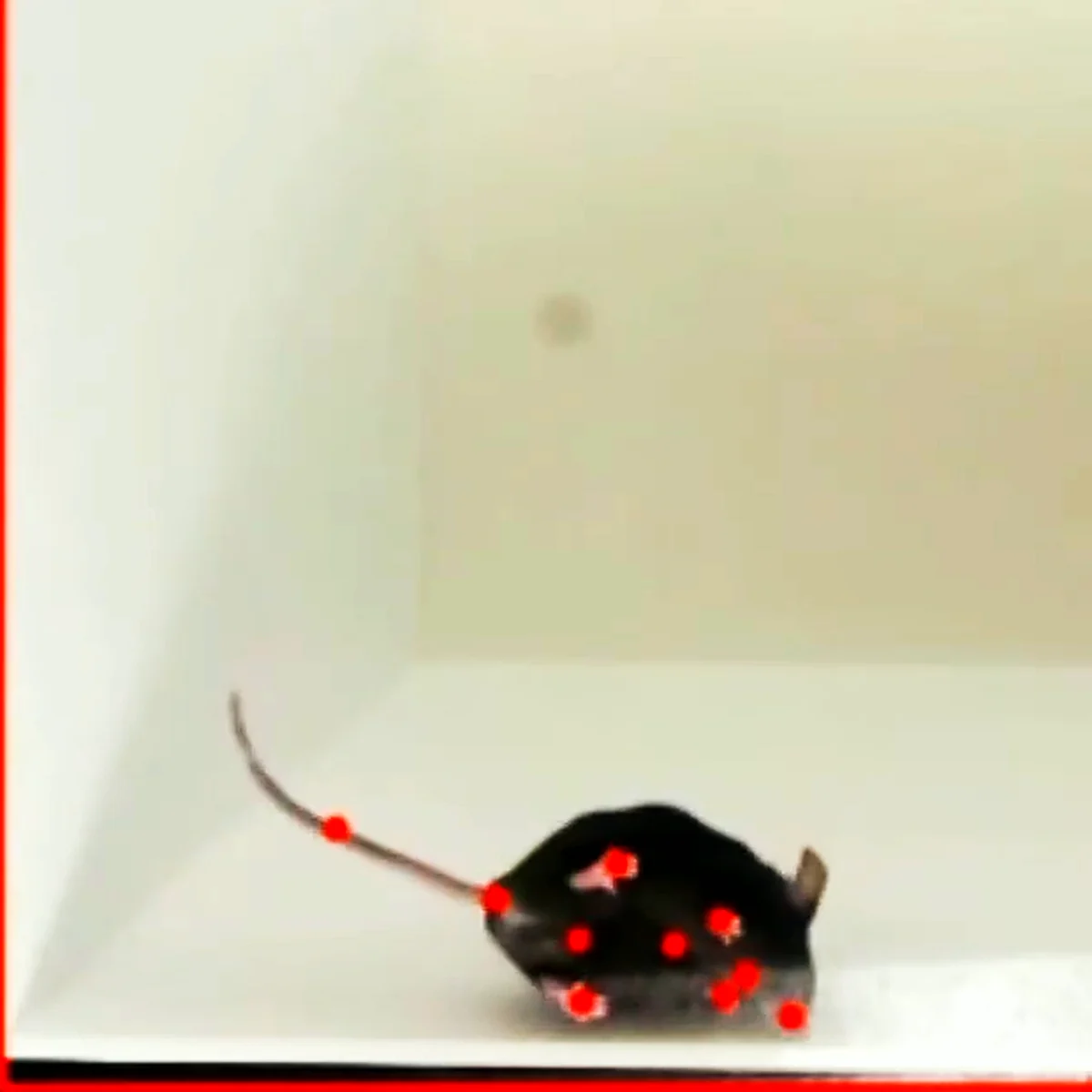
ConductVision
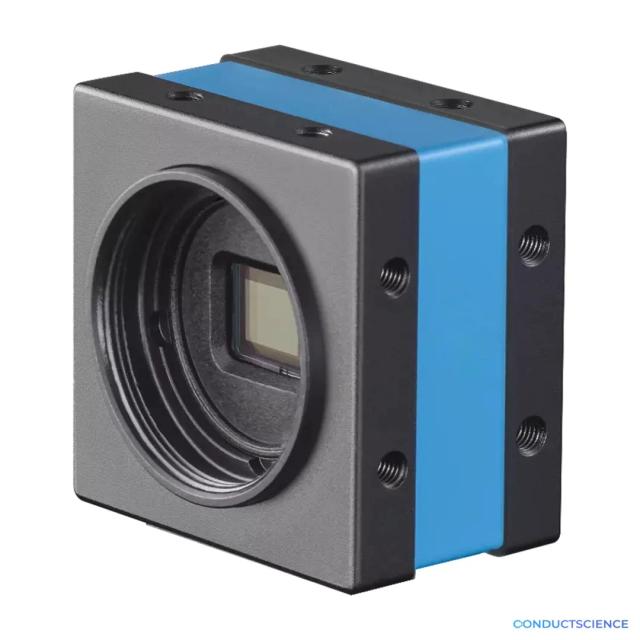
$1,490 per year for one computerA 5-year license is $3,990 in total.
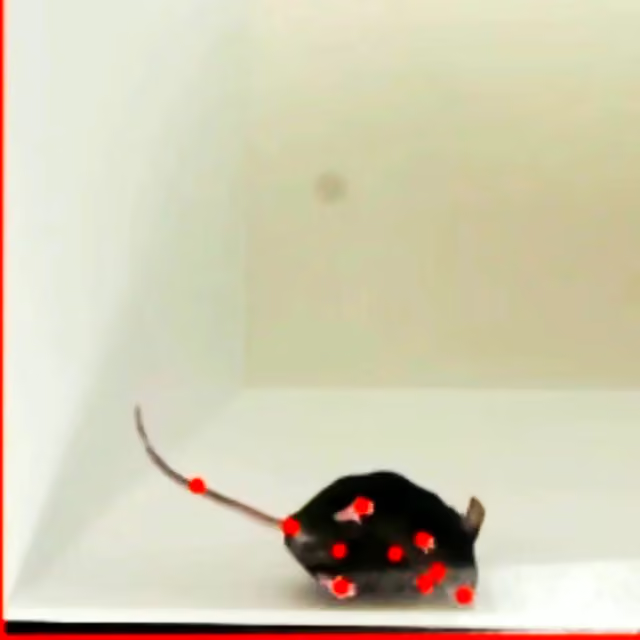
Results export as CSV files.
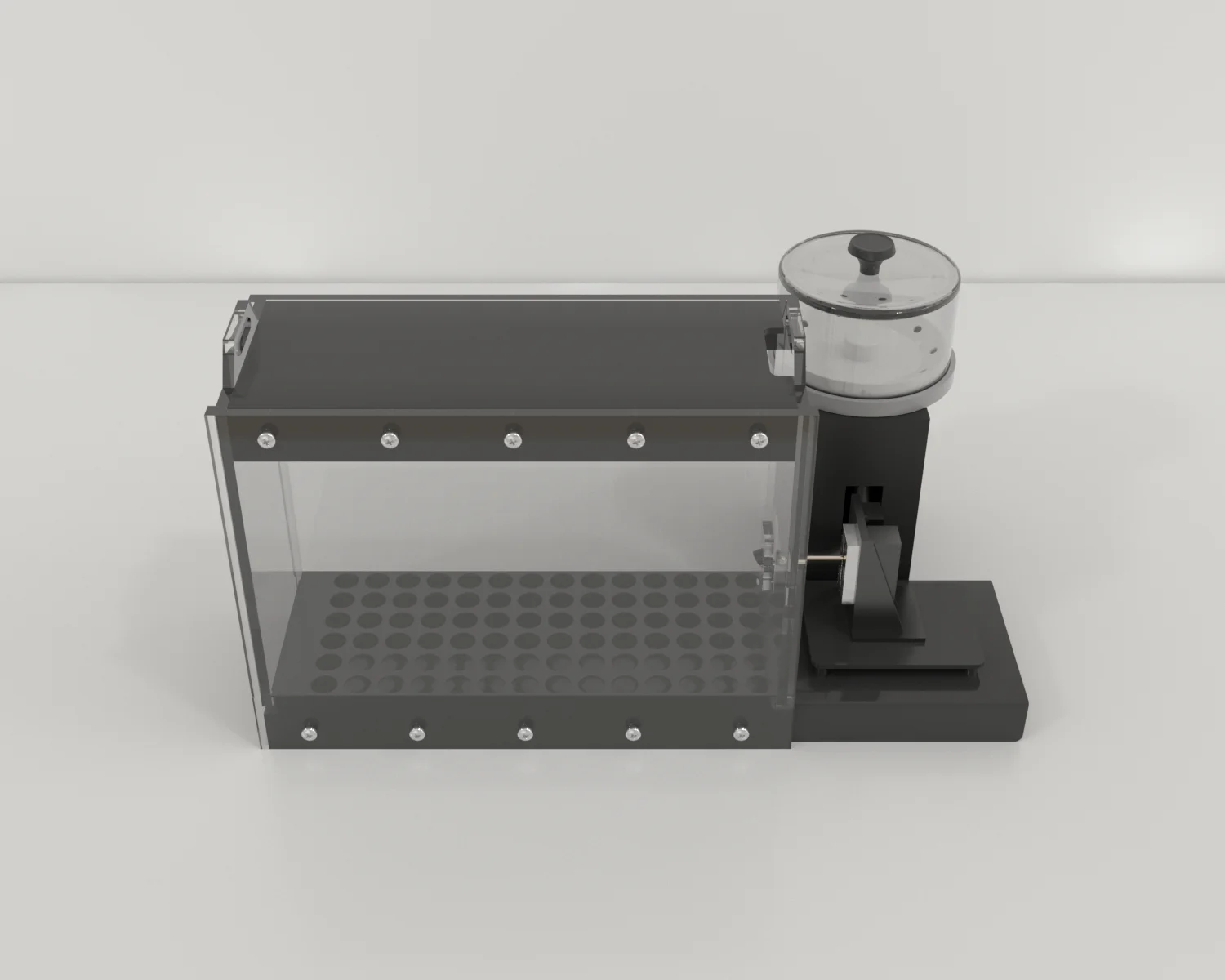
Automated system for quantitative assessment of rodent forelimb dexterity and fine motor control through pellet reaching tasks with real-time data acquisition.

Director of Science · ConductScience
Ask Louise about Automated Skilled Forelimb fit, setup, configuration, or quote prep.
Already working with us? Sign in to connect this with My Scientist.
From 2021 to 2025, 92 animal research papers mentioned skilled reaching. The count covers the test on any apparatus, not only this one.
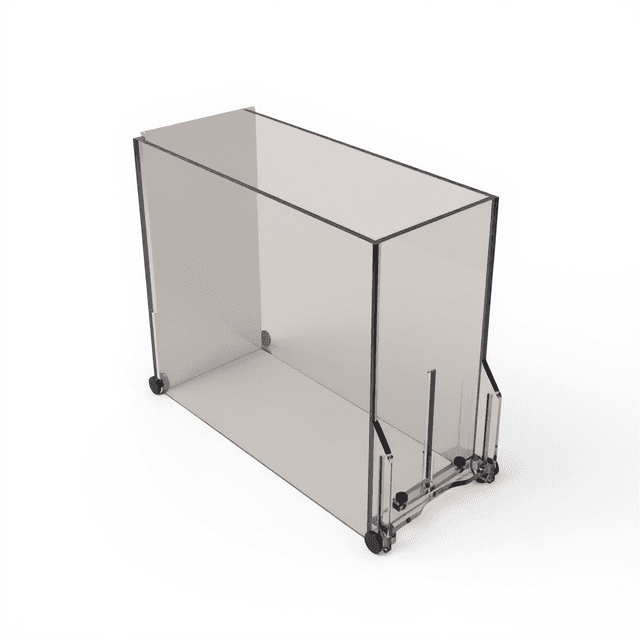
The Automated Skilled Forelimb system provides quantitative assessment of fine motor control and forelimb dexterity in rodents through automated pellet reaching tasks. The system consists of an acrylic chamber with a narrow slit through which animals reach for food pellets, coupled with automated pellet dispensing, fiber optic sensing, and real-time data acquisition software. Available in mouse (0.5 cm gap) and rat (1 cm gap) configurations, the system enables continuous recording of reaching attempts, success rates, and movement patterns without researcher supervision.
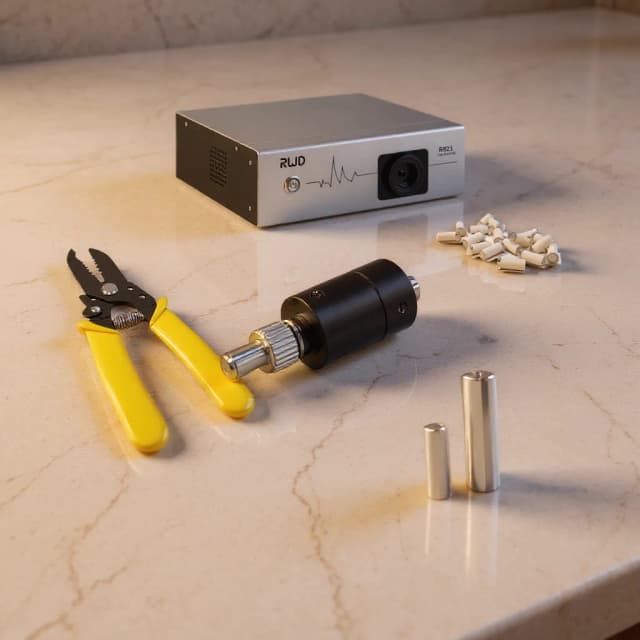
The system incorporates a single-sided sensor stripe for pellet detection, automated 20 mg pellet dispensing from bio-serv.com, and integration capability with Noldus EthoVision and ANY-maze video tracking systems. The control box supports up to 8 pellet dispensers with 4 active connectors, enabling simultaneous testing of multiple subjects. The removable floor insert facilitates cage maintenance, while the clear acrylic construction allows for behavioral observation and video recording integration.
The system operates through automated detection of pellet retrieval attempts using a fiber optic sensor system positioned at the chamber slit. When animals reach through the narrow gap (0.5 cm for mice, 1 cm for rats) to grasp 20 mg food pellets, the sensor stripe registers contact events and pellet displacement. The automated pellet dispenser delivers individual pellets to the reaching zone on programmed intervals or trial-based schedules.
Real-time data acquisition software records reaching attempts, success/failure rates, retrieval latencies, and inter-trial intervals. The system's adaptive software capability enables unsupervised learning paradigms where pellet delivery schedules adjust based on individual animal performance. Integration with video tracking systems (Noldus EthoVision, ANY-maze) allows correlation of reaching kinematics with automated performance metrics.
The clear acrylic chamber design (1/4 inch wall thickness) provides optimal visualization while constraining animal movement to standardize reaching posture. The removable floor insert system facilitates maintenance while preserving experimental conditions across sessions.
These IDs come from NCBI Taxonomy. Use them in data records and methods sections.
NCBITaxon:10090 NCBITaxon:10116 | Measurement | Mouse Automated Skilled Forelimb | Rat Automated Skilled Forelimb |
|---|---|---|
| Height | 20 cm | 30 cm |
| Length | 23 cm | 35 cm |
| Width | 10 cm | 15 cm |
| Gap | 0.5 cm | 1 cm |
Ready for RO-Crate, the open standard for sharing data.
| Feature | This Product | Typical Alternative | Advantage |
|---|---|---|---|
| Detection Method | Fiber optic sensor for precise pellet displacement detection | Manual observation or basic infrared beam-break systems | Provides accurate success/failure determination without subjective scoring bias. |
| Multi-Unit Capacity | Supports up to 8 pellet dispensers with 4 active connectors | Single-unit systems requiring individual testing sessions | Enables simultaneous testing of multiple subjects for increased experimental throughput. |
| Video Integration | Direct compatibility with Noldus EthoVision and ANY-maze systems | Limited or no video tracking integration capabilities | Combines automated performance metrics with detailed kinematic analysis in a single workflow. |
| Adaptive Software | Real-time performance-based protocol adjustments | Fixed-schedule pellet delivery systems | Personalizes training protocols based on individual learning curves and performance levels. |
| Chamber Design | Species-specific dimensions with removable floor inserts | One-size-fits-all chambers with fixed configurations | Optimizes reaching posture standardization while facilitating rapid cleaning between subjects. |
| Data Recording Scope | Continuous pre-trial and trial activity recording with real-time analysis | Trial-only data collection with limited baseline monitoring | Captures comprehensive behavioral patterns including motivation and approach behaviors. |
This system combines fiber optic precision detection with multi-unit testing capability and comprehensive video integration. The adaptive software and species-specific chamber designs provide standardized yet flexible assessment protocols for diverse research applications.
| Model | Size | SKU | Listed price | Status | Shipping box |
|---|---|---|---|---|---|
| Mouse Automated Skilled Forelimb | Height 20 cm · Length 23 cm · Width 10 cm · Gap 0.5 cm | ME-14101 | $2,990.00 | Available | 43.2 × 38.0 × 27.9 cm |
| Rat Automated Skilled Forelimb | Height 30 cm · Length 35 cm · Width 15 cm · Gap 1 cm | ME-14102 | $3,490.00 | Available | 43.2 × 38.0 × 27.9 cm |
Perform sensor calibration at the beginning of each experimental session to ensure consistent pellet detection thresholds.
Why: Environmental factors and pellet characteristics can affect sensor sensitivity over time.
Clean the sensor stripe and slit area daily to prevent pellet debris accumulation that could interfere with detection accuracy.
Why: Food particle buildup can create false positive signals or block proper pellet positioning.
Allow 5-10 minutes of acclimation time before beginning data collection to minimize stress-related performance variability.
Why: Novel environment stress can temporarily suppress natural reaching behavior and affect baseline measurements.
Monitor pellet supply levels during extended sessions to prevent dispenser jamming or inconsistent pellet presentation.
Why: Irregular pellet availability can create artificial learning deficits or motivation artifacts in the data.
If reaching success rates drop suddenly, verify pellet positioning at the slit and check sensor alignment before adjusting behavioral protocols.
Why: Hardware issues can masquerade as behavioral changes and lead to misinterpretation of experimental results.
Use consistent testing times relative to feeding schedules to maintain stable motivation levels across subjects and sessions.
Why: Food motivation directly impacts reaching effort and can confound motor performance measurements.
Ensure proper ventilation around the control box during extended operation to prevent overheating of electronic components.
Why: Thermal drift in electronics can affect sensor calibration and data acquisition accuracy.
Document pellet batch numbers and verify consistent pellet dimensions when switching suppliers or lots.
Why: Pellet size variations can alter reaching difficulty and affect cross-session comparability of performance data.
ConductScience provides a standard one-year manufacturer warranty covering hardware components and software functionality. Technical support includes setup assistance, calibration guidance, and troubleshooting for optimal system performance.
Specifications, models, materials, and operating envelopes
What pellet specifications are required for optimal system performance?
The system utilizes standardized 20 mg pellets from bio-serv.com. Pellet size and weight consistency is critical for proper sensor detection and standardized reaching difficulty across subjects.
How does the system handle unsuccessful reaching attempts versus successful retrievals?
The fiber optic sensor detects pellet displacement from the dispensing zone, distinguishing successful retrievals from unsuccessful reaching attempts. All events are timestamped and recorded for success rate calculations.
Can the system accommodate different training protocols or fixed-ratio schedules?
Yes, the adaptive software allows programming of various pellet delivery schedules, including fixed intervals, variable ratios, and performance-based adaptive protocols that adjust based on individual success rates.
What data outputs are provided by the acquisition software?
The software records reaching attempts, success/failure rates, retrieval latencies, inter-trial intervals, and session statistics. Data can be exported for analysis of learning curves, motor recovery, and performance trends.
How does video tracking integration enhance the automated measurements?
Integration with Noldus EthoVision or ANY-maze enables correlation of automated performance metrics with detailed movement kinematics, reach trajectories, and postural analysis for comprehensive motor assessment.
What maintenance procedures are required for consistent performance?
Regular cleaning of the sensor stripe, pellet dispenser calibration, and floor insert replacement are recommended. The fiber optic sensor requires periodic alignment verification for accurate pellet detection.
How many animals can be tested simultaneously with the multi-unit system?
The control box supports up to 8 pellet dispensers through 4 active connectors, enabling simultaneous testing of multiple subjects while maintaining individual data collection streams.
What factors should be considered when selecting between mouse and rat chamber configurations?
Chamber selection depends on species body size and limb proportions. Mouse chambers (0.5 cm gap) are optimized for C57BL/6 and similar strains, while rat chambers (1 cm gap) accommodate standard laboratory rat strains.
Research data
92 animal research papers in PubMed from 2021 to 2025 mention skilled reaching
32% fewer than the 135 papers from 2011 to 2015
These counts are for the test, whoever made the apparatus, not for this product.
The lists below cover 2021 to 2025, the years in the band.
Hover over a bar to see its year. Click or tap a bar to show only that year in the lists below, or drag across the bars to show a span of years. On a keyboard, use the arrow keys on the chart to read each year, and the menus below it to pick the years.
A paper can mention more than one species, test or condition, so the percentages can add up to more than 100%.
To put a whole battery on one quote, open the test battery tool and start from skilled reaching. Pick the other tests your study will run, then add the apparatus we sell for each.
By papers from 2021 to 2025, skilled reaching ranks 57th of the 90 tests we track.
ConductVision is our video-tracking software. Record your sessions on video, and it scores standard rodent tests, such as those listed below.
To check whether ConductVision scores your protocol in this apparatus, ask in your quote request.
A 5-year license is $3,990 in total.
Results export as CSV files.
Send it over and we'll email you a personalized answer, with no call or scheduling.
Prefer to talk it through?
Enhance your setup with compatible accessories