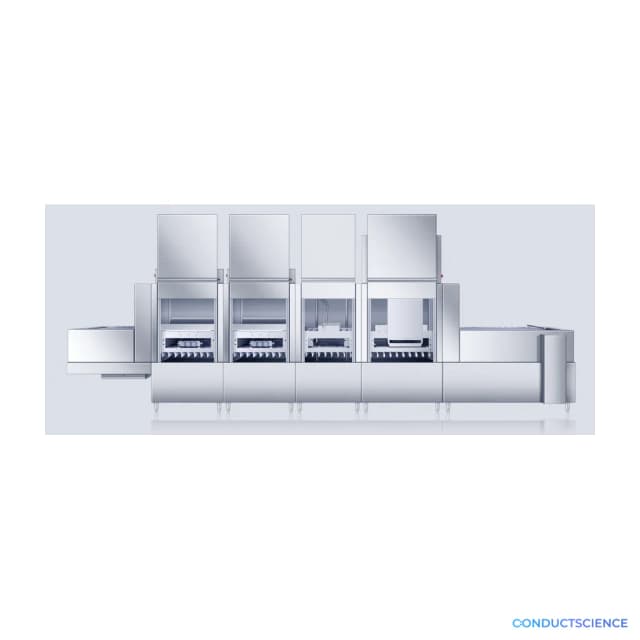
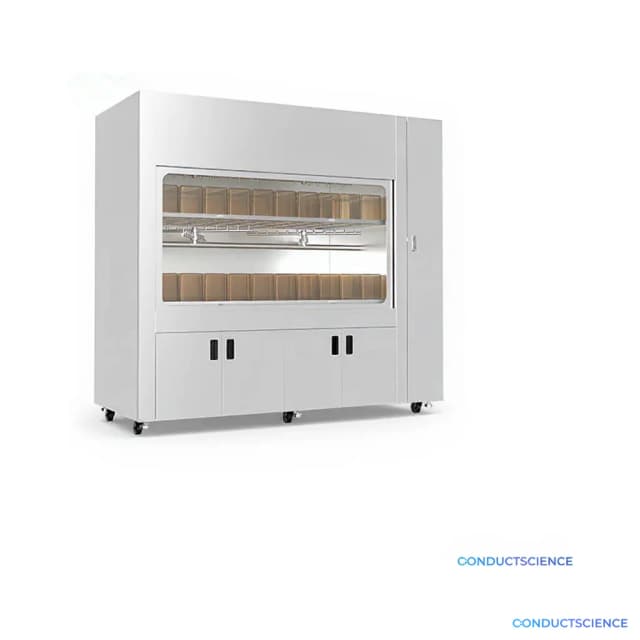
Cage Changing Station
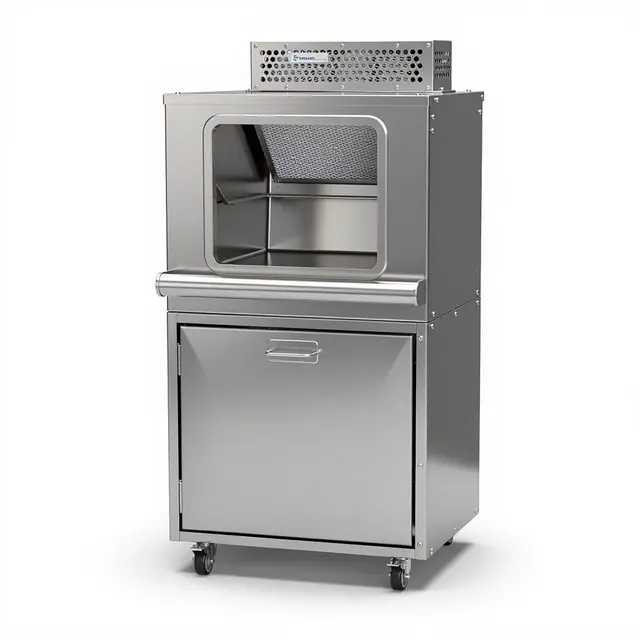
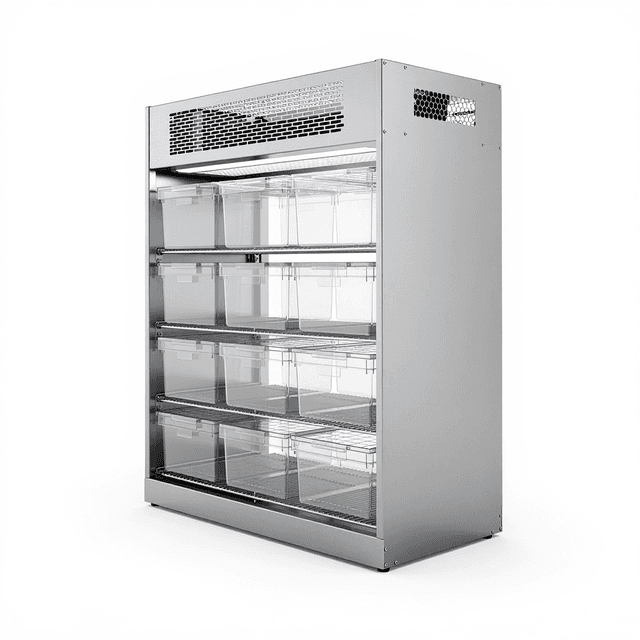
HEPA-filtered workstation for safe bedding changes and animal transfers in IVC and open-cage systems, providing dual protection for operators and research animals.

Louise Corscadden, PhD
Director of Science · ConductScience
Ask Louise about Cage Changing Station fit, setup, configuration, or quote prep.
Already working with us? Sign in to connect this with My Scientist.
Key Specifications
Full details →- Model fit
- IVC and open-cage systems
- SKU family
- PTY-0034
- Shipping box
- 65.0 x 32.0 x 82.0 cm
- Ordering
- Online checkout and quote request available
- Category
- Bedding & Change Stations
- Build notes
- Confirm accessories, station layout, and support needs before purchase
The Cage Changing Station provides HEPA-filtered containment for bedding changes, animal transfers, and routine maintenance of individually ventilated cage (IVC) and open-cage systems. The unit creates a controlled laminar airflow environment that maintains cage-level containment integrity while protecting laboratory personnel from animal allergens during husbandry procedures.
This workstation employs dual HEPA filtration to establish directional airflow patterns that protect both operators and animals during cage manipulation. The design supports standard laboratory rodent caging systems and accommodates the workflow requirements of research animal facilities operating under controlled environmental conditions. The manual operation system allows for precise control during sensitive procedures requiring sterile technique.
How It Works
The Cage Changing Station operates through a dual HEPA filtration system that creates controlled laminar airflow patterns within the work area. Air is drawn through the primary HEPA filter, establishing a clean working environment, then passes through a secondary HEPA stage before exhaust to remove particulates and allergens generated during cage manipulation procedures.
The laminar flow design maintains directional airflow that prevents contaminated air from entering the operator's breathing zone while simultaneously protecting animals from external contaminants. The work surface accommodates standard rodent caging systems, allowing for efficient transfer of animals and bedding materials within the contained environment.
Containment integrity is maintained through negative pressure differential and controlled air exchange rates, ensuring that allergens, dander, and other particulates generated during husbandry procedures are captured by the filtration system rather than dispersed into the laboratory environment.
Features & Benefits
Filtration
- HEPA filtered
Protection
- Operator and animal protection
Compatibility
- IVC and open-cage systems
Automation Level
- manual
Brand
- ConductScience
Research Domain
- Aging Research
- Behavioral Pharmacology
- Cancer Research
- Metabolic Research
- Neuroscience
- Pharmaceutical QC
- Toxicology
Species
- Mouse
- Rat
Shipping weight
- 75.0 lb
Shipping box
- L: 65.0 cm
- W: 32.0 cm
- H: 82.0 cm
| Feature | This Product | Typical Alternative | Advantage |
|---|---|---|---|
| Filtration System | Dual HEPA filtration with directional airflow control | Single-stage filtration or basic ventilation systems | Provides simultaneous protection for both operators and animals during cage manipulation procedures |
| Cage System Compatibility | Supports both IVC and open-cage systems | Designed for single cage type only | Eliminates need for multiple workstations in facilities using diverse housing systems |
| Protection Design | Bidirectional containment protecting operators and animals | Operator protection only or no containment | Maintains study integrity by preventing environmental contamination of research animals |
| Operation Control | Manual operation allowing precise procedural control | Automated systems with fixed cycle timing | Enables operator to adapt timing and technique for sensitive procedures or stressed animals |
This workstation combines dual HEPA filtration with manual operation control to provide bidirectional containment suitable for multiple cage systems. The design addresses both operator safety and animal protection requirements commonly needed in research animal facilities.
Practical Tips
Verify airflow patterns monthly using smoke tubes to ensure proper laminar flow and absence of turbulence zones.
Why: Turbulent airflow can compromise containment effectiveness and allow allergen escape.
Monitor HEPA filter pressure differential indicators and replace filters when resistance exceeds manufacturer specifications.
Why: Overloaded filters reduce airflow velocity and compromise containment performance.
Allow 5-10 minutes of operation before beginning procedures to establish stable airflow patterns.
Why: Initial startup turbulence can temporarily reduce containment effectiveness during the first few minutes of operation.
Sanitize work surfaces between different animal groups or experimental conditions using facility-approved disinfectants.
Why: Prevents cross-contamination that could affect study outcomes or introduce confounding variables.
If detecting allergen exposure symptoms, immediately check filter seating and gasket integrity for bypass leaks.
Why: Improperly seated filters allow unfiltered air to bypass the HEPA media, reducing protection effectiveness.
Position waste containers and soiled bedding within the contained airflow zone during disposal procedures.
Why: Prevents allergen dispersal when removing contaminated materials from the work area.
Document environmental conditions and any deviations from normal operation procedures in study records.
Why: Changes in containment effectiveness could influence animal stress levels and affect research outcomes.
Setup Guide
What’s in the Box
- Cage Changing Station main unit
- Primary HEPA filter (typical)
- Secondary HEPA filter (typical)
- Power cord and electrical connections (typical)
- Installation and operation manual (typical)
- Airflow verification smoke tubes (typical)
Warranty
ConductScience provides standard one-year manufacturer warranty covering defects in materials and workmanship, with technical support for installation and operational guidance.
Compliance
References
Background reading relevant to this product:
What cage systems are compatible with this workstation?
The station accommodates both individually ventilated cage (IVC) systems and traditional open-cage configurations commonly used in rodent research facilities.
How does the dual HEPA system protect both operators and animals?
Primary filtration creates a clean work environment protecting animals from external contaminants, while secondary filtration captures allergens and particulates before exhaust, protecting laboratory personnel.
What maintenance is required for optimal performance?
Regular HEPA filter replacement according to usage and particle loading, periodic airflow verification, and routine cleaning of work surfaces with appropriate disinfectants.
Can this unit handle multiple cage changes in sequence?
Yes, the continuous airflow system maintains containment integrity during sequential cage changes, though work surface sanitization between different animal groups is recommended.
How do I verify proper containment during operation?
Use smoke visualization techniques to confirm laminar flow patterns, monitor for air turbulence, and ensure no particulate escape from the work area during procedures.
What power requirements are needed for installation?
Consult product datasheet for specific electrical requirements, as these vary based on motor specifications and facility voltage standards.
Is this suitable for handling hazardous material exposures?
The unit provides containment for routine allergen protection, but handling animals exposed to hazardous compounds may require additional safety protocols specific to the exposure agent.
Have a question about this product?
Have a question? Just ask.
Send it over and we'll email you a personalized answer — no call, no scheduling.
Prefer to talk it through?
Accessories
Enhance your setup with compatible accessories
Frequently Bought Together