Compressed Air Collector
Precision gas collection system for nitrogen, argon, and helium with 0.1-1.0 MPa operating range and quiet ≤50dB operation in SUS304 stainless steel construction.

Louise Corscadden, PhD
Neuroscience · ConductScience
Ask Louise about Compressed Air Collector fit, setup, configuration, or quote prep.
Already working with us? Sign in to connect this with My Scientist.
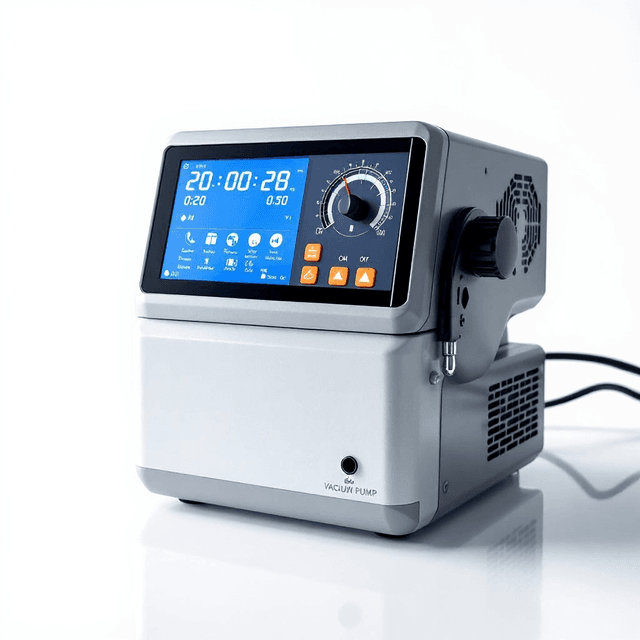
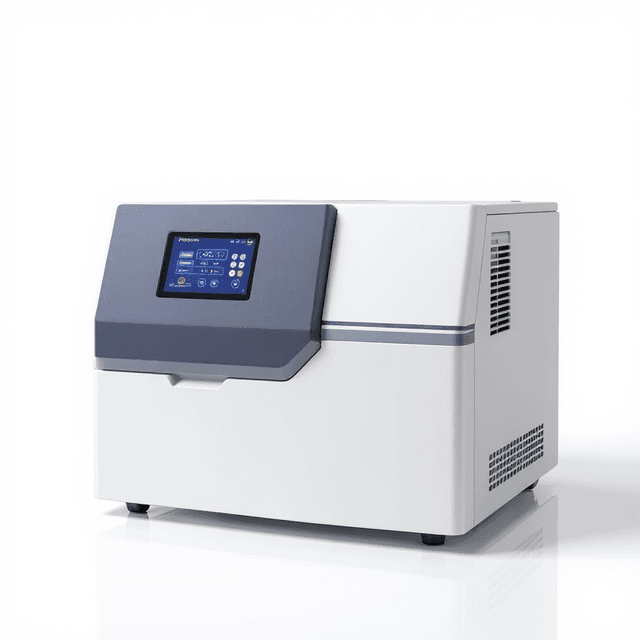
The Compressed Air Collector is a precision gas handling instrument designed for laboratory applications requiring controlled gas collection and distribution. Built with a SUS304 stainless steel construction, this benchtop system operates across input pressures from 0.1 to 1.0 MPa while maintaining quiet operation at ≤50dB noise levels. The system accommodates nitrogen, argon, and helium gases, making it suitable for analytical and sample preparation workflows requiring inert gas environments.
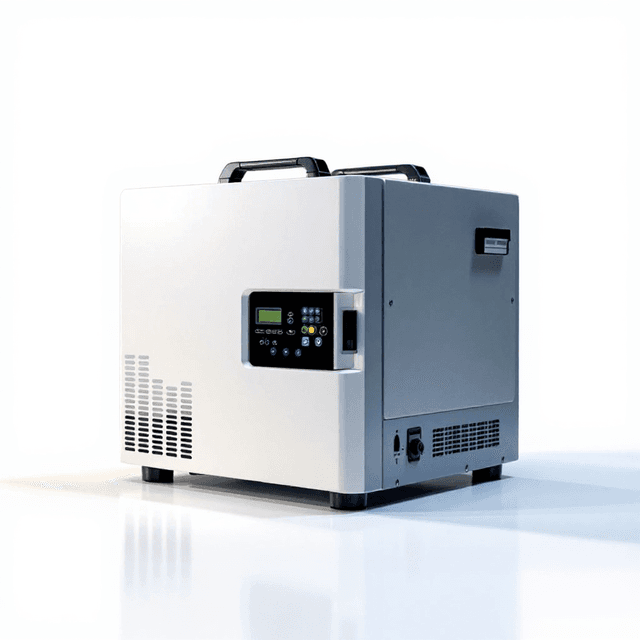
The compact design features external dimensions of 300×150×200mm with a 3.3kg instrument weight, enabling integration into standard laboratory bench configurations. The robust construction and pressure range capabilities support applications in analytical chemistry, gas chromatography sample preparation, and controlled atmosphere research where precise gas handling is critical for experimental reproducibility.
How It Works
The Compressed Air Collector operates on compressed gas principles, utilizing controlled pressure reduction and gas flow management to collect and distribute gases at laboratory-appropriate pressures. The system accepts input pressures from 0.1 to 1.0 MPa and conditions the gas flow for downstream applications. The SUS304 stainless steel construction provides chemical compatibility with nitrogen, argon, and helium while preventing contamination of gas streams.
Internal pressure regulation mechanisms maintain consistent output conditions while the low-noise design (≤50dB) ensures laboratory-compatible operation. The compact form factor allows for benchtop placement while maintaining access to gas inlet and outlet connections. The system's pressure range accommodates both low-pressure analytical applications and higher-pressure gas handling requirements common in research environments.
Features & Benefits
Automation Level
- manual
Input Pressure
- 0.1~1.0 MPa
Compatible Gas
- Nitrogen, Argon, Helium
Noise
- ≤50dB
Shell Material
- SUS304
External Size(W*D*H)
- 300*150*200mm
Packing Size(W*D*H)
- 600*300*450mm
Brand
- ConductScience
Research Domain
- Analytical Chemistry
- Environmental Monitoring
- Food Science
- Industrial Hygiene
- Materials Science
- Pharmaceutical QC
Weight
- 8.2kg
Weight
- 3.3 kg
Dimensions
- L: 20.0 mm
- W: 30.0 mm
- H: 15.0 mm
| Feature | This Product | Typical Alternative | Advantage |
|---|---|---|---|
| Pressure Range | 0.1-1.0 MPa operating range | Entry-level models often limited to 0.5 MPa or below | Broader pressure range accommodates diverse analytical and research applications without requiring multiple systems. |
| Construction Material | SUS304 stainless steel housing | Basic models often use plastic or coated aluminum | Superior chemical compatibility and durability for demanding laboratory environments. |
| Gas Compatibility | Nitrogen, argon, and helium compatible | Single-gas or limited compatibility systems | Multi-gas capability reduces need for dedicated systems for different research applications. |
| Noise Level | ≤50dB quiet operation | Standard systems often exceed 60dB | Laboratory-appropriate noise levels prevent interference with sensitive analytical work. |
| Footprint | 300×150×200mm compact design | Larger systems often require floor mounting | Benchtop compatibility preserves valuable laboratory space while maintaining functionality. |
This system combines broad pressure range capability with multi-gas compatibility in a compact, laboratory-appropriate design. The SUS304 construction and quiet operation address key requirements for analytical and research environments.
Practical Tips
Verify pressure accuracy using traceable pressure standards at regular intervals based on usage frequency.
Why: Maintains measurement reliability for downstream analytical applications requiring precise gas handling.
Inspect gas connections weekly for leaks using appropriate leak detection methods.
Why: Prevents gas waste and maintains system performance while ensuring laboratory safety.
Allow system to reach thermal equilibrium before critical applications, especially after pressure changes.
Why: Thermal stability improves pressure regulation accuracy and flow consistency.
Ensure adequate ventilation around the unit and verify gas supply shutoff procedures.
Why: Prevents accumulation of displaced gases and ensures rapid response to emergency situations.
Monitor noise levels during operation; increased noise may indicate internal component wear or flow restrictions.
Why: Early detection of performance degradation prevents unexpected system failures during critical experiments.
Document inlet pressure and gas type for each application to maintain experimental traceability.
Why: Enables reproducible results and facilitates troubleshooting of downstream analytical issues.
Setup Guide
What’s in the Box
- Compressed Air Collector main unit
- Power adapter (typical)
- Gas connection fittings (typical)
- User manual and safety documentation (typical)
- Calibration certificate (typical)
Warranty
ConductScience provides a standard one-year manufacturer warranty covering defects in materials and workmanship, with technical support available for installation and operational guidance.
Compliance
What gas types are compatible with this system and are there purity requirements?
The system is designed for nitrogen, argon, and helium gases. Consult product datasheet for specific purity requirements and compatibility with gas mixtures.
How do I determine the appropriate inlet pressure for my application?
Input pressure should be within the 0.1-1.0 MPa range. Select pressure based on downstream equipment requirements and desired flow rates.
What maintenance procedures are required for the SUS304 construction?
Regular inspection of gas connections and periodic cleaning of stainless steel surfaces with appropriate solvents. Consult manual for detailed maintenance schedules.
Can this system handle corrosive or reactive gases?
The system is specified for nitrogen, argon, and helium only. For corrosive or reactive gases, consult technical support for compatibility assessment.
What flow rates can this system accommodate?
Consult product datasheet for specific flow rate capabilities at various inlet pressures and downstream conditions.
How does the noise level affect placement in analytical laboratories?
At ≤50dB operation, the system is suitable for most laboratory environments without interfering with precision instrumentation or acoustic-sensitive procedures.
Are there temperature considerations for optimal performance?
Standard laboratory temperature ranges typically apply. Consult specifications for operating temperature limits and thermal considerations.
Have a question about this product?
Accessories
Enhance your setup with compatible accessories