Conditioned Place Preference Hiroi 1991a
SKU CS-958289
$1,830.00
IncludesStandard care
Behavioral paradigm for assessing rewarding or aversive properties of drugs and stimuli through environmental conditioning in laboratory animals.
CE MarkedBAA available
Scientist guidance

Louise Corscadden, PhD
Director of Science · ConductScience
Ask Louise about Conditioned Place Preference Hiroi 1991a fit, setup, configuration, or quote prep.
Already working with us? Sign in to connect this with My Scientist.
Key Specifications
Full details →- Model fit
- Mouse, Rat
- SKU family
- CS-958289
- Shipping box
- 65.0 x 36.0 x 27.0 cm
- Ordering
- Online checkout and quote request available
- Category
- Behavioral Mazes
- Build notes
- Confirm accessories, station layout, and support needs before purchase
The Conditioned Place Preference (CPP) protocol following Hiroi et al. (1991) methodology represents a foundational paradigm for assessing the rewarding or aversive properties of drugs, environmental stimuli, or experimental manipulations in laboratory animals. This behavioral assay exploits the natural tendency of animals to associate environmental cues with rewarding or aversive experiences, providing researchers with a robust tool for investigating the neural mechanisms underlying addiction, motivation, and learning processes.
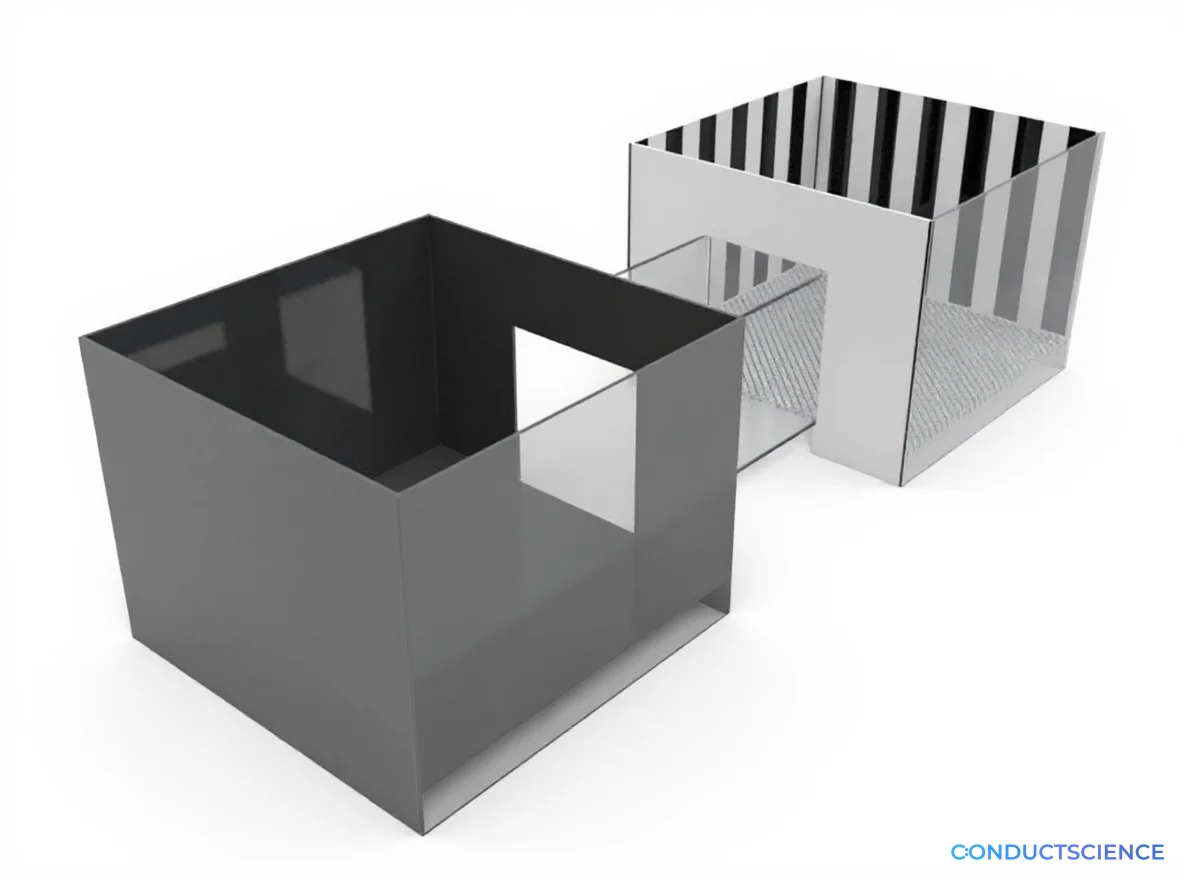
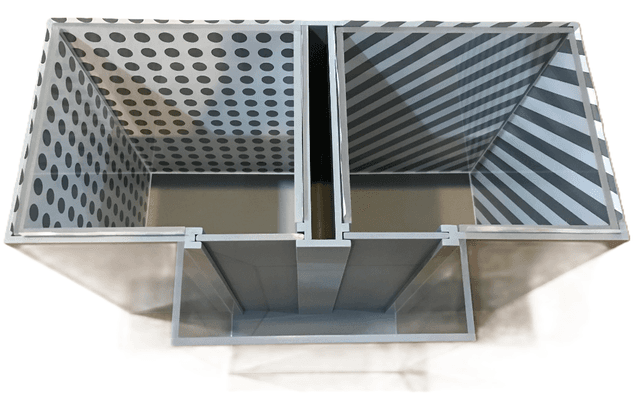
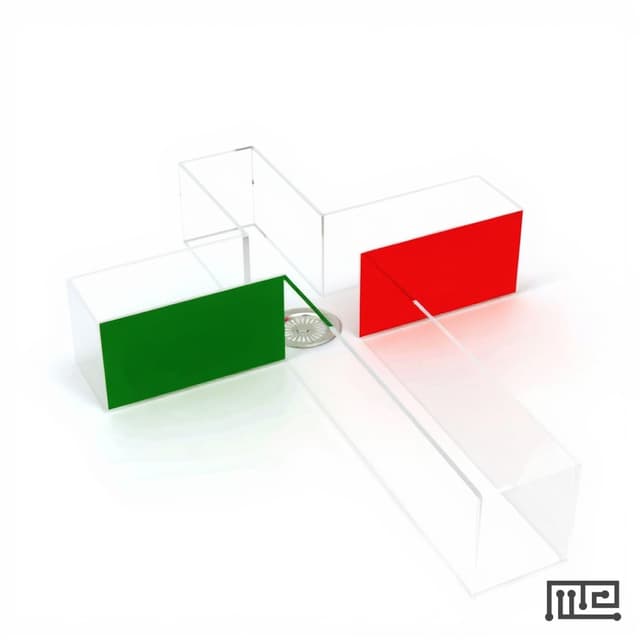
The apparatus typically consists of distinct compartments with different visual, tactile, or olfactory cues that allow animals to form associative memories between specific environments and pharmacological or behavioral treatments. During the conditioning phase, subjects receive treatments paired with specific compartments, followed by a preference test where animals can freely choose between environments. The time spent in each compartment serves as an objective measure of the conditioned preference or aversion developed during training.
How It Works
The conditioned place preference paradigm operates on the principle of classical conditioning, where neutral environmental stimuli become associated with the positive or negative effects of experimental treatments. During the conditioning phase, animals receive specific treatments (drug administration, stress exposure, or other manipulations) while confined to distinct environmental compartments that differ in visual, tactile, or olfactory characteristics.
The associative learning process involves the formation of memory traces linking environmental cues with the internal states induced by experimental treatments. Through repeated pairings, previously neutral environmental stimuli acquire motivational significance, becoming conditioned stimuli that can elicit approach or avoidance behaviors. The strength of conditioning is measured during preference tests, where animals have free access to all compartments and their spatial distribution reflects the learned associations.
Quantification involves measuring time spent in each compartment, entries between areas, and locomotor activity patterns. The preference score is typically calculated as the difference between time spent in treatment-paired versus control-paired environments, providing an objective measure of the conditioned response magnitude.
Features & Benefits
Hiroi 1991 standardized protocol
Provides established methodology with published parameters for reliable replication and comparison across studies
Multi-compartment design flexibility
Accommodates various experimental designs including two-compartment and three-compartment configurations for different research questions
Environmental cue customization
Allows researchers to modify visual, tactile, and olfactory stimuli to optimize conditioning strength and prevent confounding variables
Quantitative behavioral output
Generates objective time-based measurements that can be statistically analyzed and compared across treatment groups
Drug-free testing protocol
Enables assessment of conditioned responses without acute drug effects, isolating learned associations from pharmacological actions
Scalable group testing
Supports sequential testing of multiple subjects using the same apparatus configuration, improving experimental efficiency
Longitudinal assessment capability
Permits repeated testing to evaluate extinction, reinstatement, and long-term memory retention of place preferences
Behavioral Construct
- reward learning
- place conditioning
- associative memory
- motivational behavior
- addiction liability
Automation Level
- manual
Research Domain
- Addiction Research
- Anxiety and Depression
- Behavioral Pharmacology
- Learning and Memory
- Neuroscience
Species
- Mouse
- Rat
Compatible Tracking Software
- ConductVision
Shipping weight
- 6.06 lb
Shipping box
- L: 65.0 cm
- W: 36.0 cm
- H: 27.0 cm
| Feature | This Product | Typical Alternative | Advantage |
|---|---|---|---|
| Conditioning Duration | 4-8 session protocol with flexible timing | Some protocols use fixed 3-day or extended 14-day schedules | Optimizes conditioning strength while minimizing stress and experimental duration |
| Environmental Cue Selection | Validated visual and tactile cue combinations | Many studies use single-modality cues or unvalidated stimulus combinations | Reduces apparatus bias and improves conditioning reliability through established cue effectiveness |
| Testing Protocol Standardization | Established baseline and post-conditioning test procedures | Variable testing approaches across different laboratories | Enables direct comparison with published literature and facilitates replication studies |
| Species Validation | Optimized parameters for rodent species | Generic protocols not adapted for specific animal characteristics | Maximizes conditioning efficacy through species-appropriate timing and environmental parameters |
The Hiroi 1991 CPP methodology offers researchers a well-established foundation for place conditioning studies with validated parameters and flexible implementation options. The protocol balances experimental efficiency with methodological rigor, providing reliable results while accommodating diverse research applications.
Addiction Research
Evaluating the rewarding potential of novel psychoactive substances by measuring time spent in drug-paired environments compared to vehicle-paired compartments.
Behavioral Pharmacology
Assessing the motivational effects of pharmaceutical compounds during drug development to identify potential abuse liability or therapeutic efficacy.
Neuroscience
Investigating the neural circuits underlying reward processing by combining CPP testing with optogenetic manipulations or targeted lesions of specific brain regions.
Learning and Memory
Studying associative learning mechanisms and memory consolidation by examining how animals form and retain place-reward associations over extended time periods.
Anxiety and Depression
Evaluating the hedonic properties of antidepressant treatments by measuring changes in environmental preference following chronic drug administration.
Neurodegeneration
Assessing cognitive and motivational deficits in animal models of neurodegenerative diseases through altered place preference learning and expression.
Practical Tips
Best Practices
Conduct all conditioning and testing sessions at the same time of day to control for circadian rhythm effects on behavior and drug sensitivity.
Why: Temporal consistency reduces variability and improves the reliability of conditioning effects.
Best Practices
Allow animals to acclimate to the testing room for at least 30 minutes before beginning behavioral sessions.
Why: Stress reduction improves baseline behavior and reduces confounding effects of environmental anxiety on place preference.
Data Quality
Record locomotor activity in addition to time spent in each compartment to identify potential sedative or stimulant effects of treatments.
Why: Activity measurements help distinguish true preference changes from mobility-related artifacts.
Troubleshooting
If conditioning effects are weak or absent, verify that environmental cues are sufficiently distinct and that treatment timing aligns with peak drug effects.
Why: Inadequate stimulus differentiation or poor treatment-environment temporal pairing can prevent association formation.
Maintenance
Clean all compartments thoroughly between subjects using ethanol solution to eliminate olfactory cues from previous animals.
Why: Residual scents can influence place preferences and confound experimental results.
Calibration
Validate apparatus dimensions and environmental cues match published specifications before beginning studies.
Why: Protocol standardization ensures results can be compared to published literature and replicated by other laboratories.
Safety
Monitor animals closely during conditioning sessions for signs of distress or adverse reactions to treatments.
Why: Early intervention prevents animal welfare issues and maintains data quality by identifying problematic subjects.
Setup Guide
Apparatus Preparation
Set up the multi-compartment chamber according to the Hiroi 1991 specifications, ensuring distinct environmental cues (visual patterns, floor textures, or lighting) differentiate each compartment.
Environmental Validation
Verify that naive animals show no inherent bias for any compartment during pre-conditioning baseline sessions, adjusting cues if necessary to achieve balanced initial preferences.
Conditioning Schedule Design
Establish the conditioning protocol timeline, typically involving alternating treatment and vehicle sessions over 4-8 days with animals confined to designated compartments.
Baseline Assessment
Record initial preference patterns by allowing animals free access to all compartments for the designated test duration, typically 15-30 minutes.
Conditioning Implementation
Execute the conditioning protocol by administering treatments and confining animals to specific compartments according to the predetermined schedule.
Preference Testing
Conduct post-conditioning preference tests under drug-free conditions, allowing free movement between compartments while recording spatial distribution and activity patterns.
Data Analysis
Calculate preference scores and analyze statistical significance of place conditioning effects using appropriate behavioral analysis software and statistical methods.
What’s in the Box
- Detailed protocol documentation based on Hiroi 1991 methodology (typical)
- Experimental timeline templates and conditioning schedules (typical)
- Data recording sheets and analysis guidelines (typical)
- Species-specific parameter recommendations (typical)
- Statistical analysis protocols and software recommendations (typical)
Warranty
ConductScience provides comprehensive protocol support and methodological guidance for implementing the Hiroi 1991 CPP paradigm. Technical consultation is available for protocol optimization and troubleshooting experimental design questions.
Compliance
ARRIVE Guidelines 2.0Behavioral studies using CPP protocols are commonly reported following ARRIVE guidelines for transparent methodology and statistical reporting.
NIH Guide for Care and Use of Laboratory AnimalsCPP testing protocols require institutional approval and adherence to animal welfare standards for behavioral research.
Good Laboratory Practice (GLP)Pharmaceutical companies conducting CPP studies for drug development commonly operate under GLP standards for regulatory submissions.
Q
What is the optimal conditioning schedule for detecting weak rewarding effects?
A
The Hiroi 1991 protocol recommends 4-8 conditioning sessions with alternating treatment/vehicle days. For weak rewards, extend to 8-12 sessions or increase confinement time to 30-45 minutes per session while monitoring for ceiling effects.
Q
How do I prevent apparatus bias from confounding preference measurements?
A
Conduct pre-conditioning sessions to identify any inherent compartment preferences, then counterbalance treatment assignments across subjects. Animals showing >65% baseline preference for any compartment should receive treatment paired with the less-preferred side.
Q
What constitutes a significant place preference in CPP studies?
A
Significant conditioning typically requires >60% time spent in the treatment-paired compartment, though statistical significance depends on group size and variability. Use appropriate statistical tests (t-test or ANOVA) comparing post-conditioning preferences to baseline or vehicle controls.
Q
Can the CPP protocol be adapted for studying aversive conditioning?
A
Yes, the same apparatus and timing can assess conditioned place aversion by measuring decreased time in treatment-paired compartments. Aversive stimuli often produce more robust and longer-lasting conditioning than rewarding stimuli.
Q
How long do conditioned place preferences typically persist?
A
CPP effects generally peak 24-48 hours post-conditioning and may persist for 1-4 weeks depending on conditioning strength. Test retention at multiple time points to characterize the temporal dynamics of memory decay or persistence.
Q
What environmental cues work best for place conditioning?
A
Visual patterns (stripes vs. dots), floor textures (smooth vs. textured), or lighting differences are commonly effective. Avoid olfactory cues that may persist between sessions unless specifically testing scent-based conditioning.
Q
How does this protocol compare to other reward assessment methods?
A
CPP offers advantages over operant self-administration by requiring no training period and measuring drug effects in a drug-free state. However, it provides less direct assessment of reinforcing efficacy compared to progressive ratio or breakpoint procedures.
Have a question about this product?
Track rodents with ConductVision
ConductVision is our video-tracking software. Record your sessions on video, and it scores standard rodent tests, such as those listed below.
Examples of tests it scores
To check whether ConductVision scores your protocol in this apparatus, ask in your quote request.
Ask a question
Have a question? Just ask.
Send it over and we'll email you a personalized answer — no call, no scheduling.
Personalized email reply
Usually within one business day
Helpful answers published here
Prefer to talk it through?
Accessories
Enhance your setup with compatible accessories
Total: $0.00
Frequently Bought Together
Total: $7,790.00


Conditioned Place Preference Hiroi 1991a
$1,830.00
Added to quoteView Quote