Conditioned Place Preference Kelsey 1989
SKU CS-958285
$1,830.00
IncludesStandard care
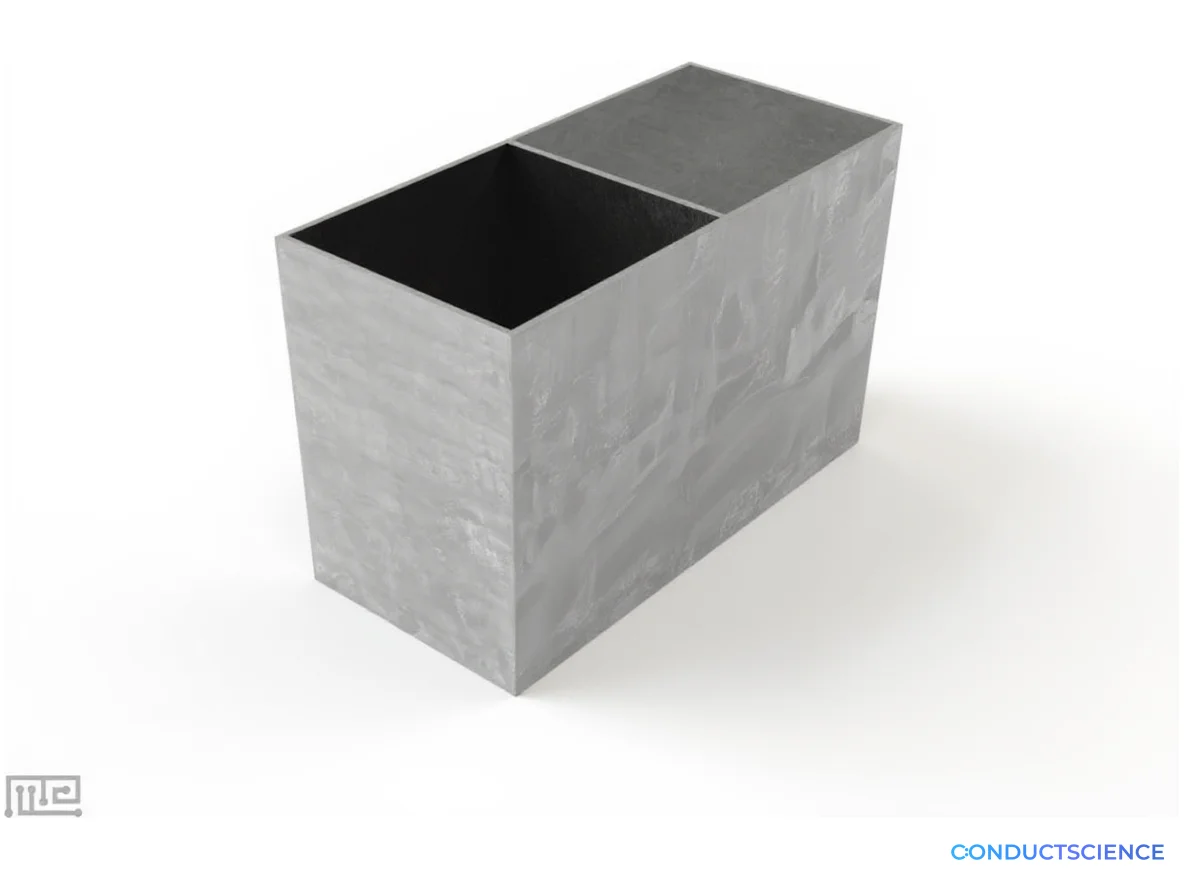
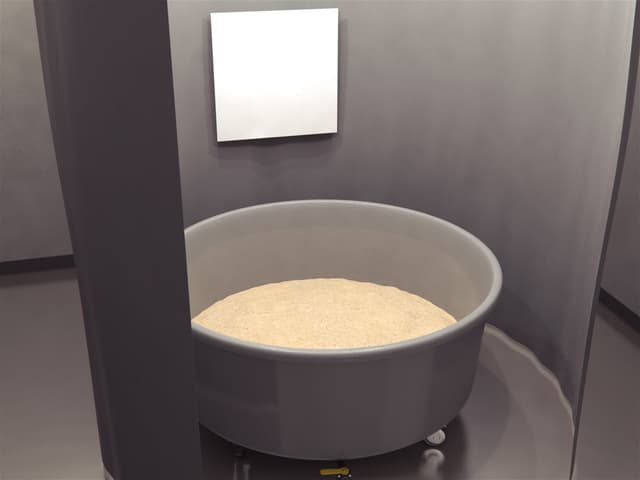
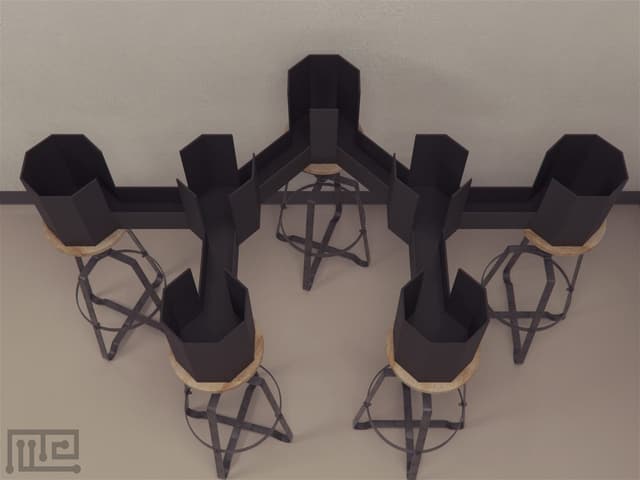
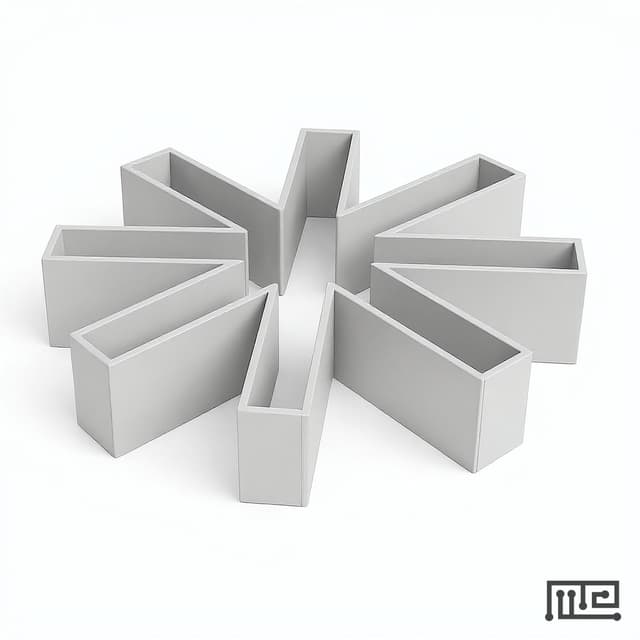
Three-compartment behavioral testing apparatus for measuring conditioned place preference and aversion in laboratory animals through environmental conditioning protocols.
CE MarkedBAA available
Scientist guidance

Louise Corscadden, PhD
Director of Science · ConductScience
Ask Louise about Conditioned Place Preference Kelsey 1989 fit, setup, configuration, or quote prep.
Already working with us? Sign in to connect this with My Scientist.
Key Specifications
Full details →- Model fit
- Mouse, Rat
- SKU family
- CS-958285
- Shipping box
- 65.0 x 36.0 x 27.0 cm
- Ordering
- Online checkout and quote request available
- Category
- Behavioral Mazes
- Build notes
- Confirm accessories, station layout, and support needs before purchase
The Conditioned Place Preference apparatus is a behavioral testing system designed to assess the rewarding or aversive properties of drugs, environmental stimuli, or experimental manipulations in laboratory animals. This three-compartment system allows researchers to measure an animal's preference for a particular environment that has been paired with a specific stimulus, providing quantitative data on motivational states and reinforcement learning.
The apparatus enables controlled assessment of place conditioning through systematic pairing of environmental cues with experimental treatments, followed by preference testing in a drug-free state. This methodology is widely used in addiction research, behavioral pharmacology, and studies of reward mechanisms, providing reliable measures of conditioned preferences and aversions.
How It Works
The conditioned place preference paradigm operates on principles of classical conditioning, where neutral environmental cues become associated with the physiological or psychological effects of experimental treatments. During conditioning phases, animals experience distinct environmental contexts (differing in visual, tactile, or olfactory cues) while under the influence of test substances or control treatments.
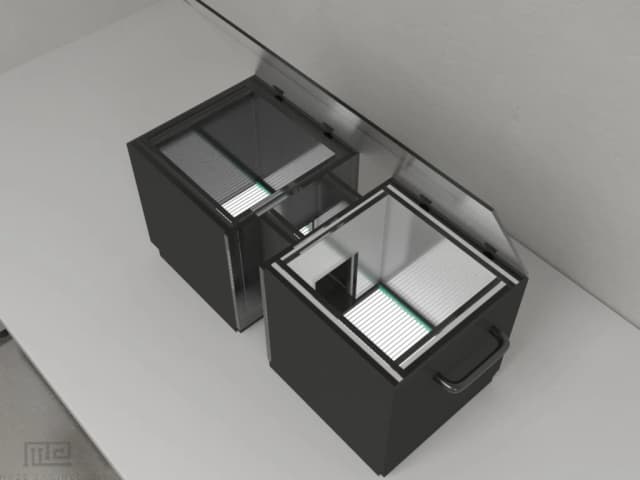
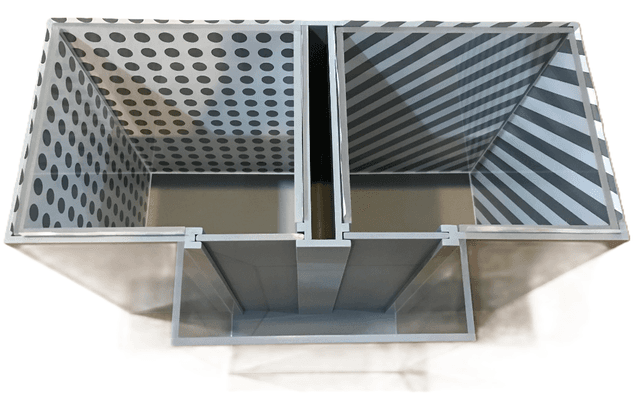
The apparatus typically consists of two distinct conditioning compartments connected by a neutral central area. Animals learn to associate specific environmental characteristics with drug effects or experimental manipulations through repeated pairings. During testing, animals are placed in the central compartment and allowed free access to all areas while their location and time spent in each compartment are recorded.
Preference is quantified by measuring the time spent in drug-paired versus vehicle-paired compartments, with increased time in the drug-paired side indicating rewarding properties and decreased time suggesting aversive effects. This behavioral readout reflects the motivational salience of the conditioning stimulus.
Features & Benefits
Three-compartment design
Enables controlled comparison between conditioning environments while providing neutral starting zone for unbiased testing
Distinct environmental cues
Facilitates clear associative learning through visual, tactile, and spatial differentiation between conditioning contexts
Standardized dimensions
Ensures reproducible results across studies and enables comparison with published literature using established protocols
Easy-clean construction
Minimizes contamination between subjects and maintains consistent olfactory environments throughout testing sessions
Modular compartment access
Allows for flexible protocol design with controlled access during conditioning and free exploration during testing phases
Compatible with tracking systems
Supports integration with automated video tracking for precise measurement of location preferences and movement patterns
Behavioral Construct
- Place Preference
- Conditioned Place Preference
- Reward Learning
- Associative Learning
- Motivational Behavior
Automation Level
- manual
Research Domain
- Addiction Research
- Anxiety and Depression
- Behavioral Pharmacology
- Learning and Memory
- Neuroscience
- Pain Research
Species
- Mouse
- Rat
Compatible Tracking Software
- ConductVision
Shipping weight
- 6.06 lb
Shipping box
- L: 65.0 cm
- W: 36.0 cm
- H: 27.0 cm
| Feature | This Product | Typical Alternative | Advantage |
|---|---|---|---|
| Compartment Design | Three-compartment configuration with distinct environmental cues | Some systems use two-compartment designs without neutral zones | The neutral zone eliminates bias during testing phase initiation and provides unbiased starting point for preference assessment |
| Environmental Differentiation | Standardized visual and tactile cue differences between compartments | Custom-built systems may have inconsistent or inadequate environmental distinction | Clear environmental differences ensure robust associative learning and reliable conditioning effects |
| Protocol Standardization | Design based on established Kelsey 1989 methodology | Varies by model | Following established protocols enables direct comparison with extensive published literature |
| Construction Quality | Durable materials suitable for repeated cleaning and disinfection | Some systems use materials that degrade with repeated cleaning | Long-term reliability maintains consistent experimental conditions across extended study periods |
This apparatus provides standardized three-compartment design following established protocols for conditioned place preference testing. The system enables reliable assessment of rewarding and aversive properties of experimental treatments through controlled environmental conditioning paradigms.
Addiction Research
Evaluating the rewarding properties of drugs of abuse by measuring preference for environments previously paired with drug administration.
Behavioral Pharmacology
Assessing the motivational effects of novel pharmaceutical compounds through place conditioning paradigms.
Learning and Memory
Investigating associative learning mechanisms by measuring how animals form preferences for environments paired with specific stimuli.
Neuroscience
Studying reward pathways and neural mechanisms underlying place conditioning using pharmacological or optogenetic interventions.
Pain Research
Measuring place aversion to assess pain states by pairing noxious stimuli with specific environmental contexts.
Anxiety and Depression
Evaluating the anxiolytic or antidepressant properties of treatments through place preference testing protocols.
Practical Tips
Best Practices
Counterbalance drug-environment pairings across subjects to control for inherent chamber preferences.
Why: This prevents bias from pre-existing preferences and strengthens experimental validity.
Calibration
Conduct pilot sessions to establish baseline preferences before beginning conditioning protocols.
Why: Baseline data enables proper counterbalancing and provides within-subject controls for preference changes.
Maintenance
Clean apparatus thoroughly with ethanol between subjects and allow complete drying before next session.
Why: Residual odors can create confounding olfactory cues that influence animal behavior and preference formation.
Data Quality
Record ambient conditions (temperature, lighting, noise levels) for each session.
Why: Environmental consistency is critical for reproducible results and identifying potential confounding factors.
Troubleshooting
If animals show extreme preferences for one side, verify environmental cue balance and check for hidden stimuli.
Why: Unexpected strong preferences may indicate technical issues rather than conditioning effects.
Safety
Ensure all compartment connections allow easy animal retrieval in case of distress or emergency.
Why: Animal welfare requires ability to quickly intervene if subjects show signs of distress during testing.
Setup Guide
Unpack and Inspect
Remove apparatus components from packaging and inspect for damage. Verify all compartment walls, doors, and connecting passages are intact.
Assembly Setup
Assemble the three-compartment system according to configuration requirements. Ensure compartments have distinct visual and tactile cues as specified in protocols.
Environmental Preparation
Clean all surfaces with appropriate disinfectant and allow to dry completely. Set up environmental monitoring to maintain consistent temperature and lighting.
Tracking System Integration
Install and calibrate any automated tracking equipment if used. Test detection zones and verify accurate position recording across all compartments.
Baseline Testing
Conduct pre-conditioning sessions to establish baseline preferences and ensure animals can freely navigate between compartments.
Protocol Validation
Run test trials with control animals to validate timing protocols and confirm consistent environmental conditions across sessions.
What’s in the Box
- Three-compartment testing apparatus (typical)
- Removable divider panels (typical)
- Connecting passages or doors (typical)
- Assembly hardware (typical)
- User manual with protocol guidelines (typical)
Warranty
ConductScience provides comprehensive warranty coverage including technical support for setup optimization and protocol guidance. Standard warranty terms apply to manufacturing defects and component replacement.
Compliance
NIH Guidelines for Care and Use of Laboratory AnimalsBehavioral testing protocols using this apparatus must be conducted under approved IACUC protocols following established animal welfare standards.
ARRIVE Guidelines 2.0Studies utilizing place preference testing should report experimental design, randomization, and statistical methods according to research reporting standards.
Q
What is the standard protocol duration for conditioned place preference testing?
A
Typical protocols involve 3-8 conditioning sessions (20-60 minutes each) followed by preference testing sessions. Session length and frequency depend on the conditioning stimulus and research objectives.
Q
How should I control for inherent place preferences in naive animals?
A
Conduct pre-conditioning sessions to identify baseline preferences, then use counterbalanced designs where drug and vehicle pairings are assigned to initially non-preferred and preferred sides across subjects.
Q
What environmental factors need to be controlled during testing?
A
Maintain consistent lighting, temperature, humidity, and noise levels. Ensure thorough cleaning between subjects to eliminate olfactory cues that could influence preferences.
Q
How do I determine appropriate sample sizes for place preference studies?
A
Power analyses should consider expected effect sizes from literature. Typical studies use 8-12 animals per group, though this varies based on experimental design and statistical requirements.
Q
Can this apparatus be used for place aversion studies?
A
Yes, the same apparatus can assess conditioned place aversion by pairing one compartment with aversive stimuli and measuring decreased preference for that environment during testing.
Q
What tracking methods work best with this apparatus?
A
Automated video tracking systems provide precise location data and eliminate observer bias. Manual scoring methods can be used but require trained observers and standardized timing protocols.
Have a question about this product?
Track rodents with ConductVision
ConductVision is our video-tracking software. Record your sessions on video, and it scores standard rodent tests, such as those listed below.
Examples of tests it scores
To check whether ConductVision scores your protocol in this apparatus, ask in your quote request.
Ask a question
Have a question? Just ask.
Send it over and we'll email you a personalized answer — no call, no scheduling.
Personalized email reply
Usually within one business day
Helpful answers published here
Prefer to talk it through?
Accessories
Enhance your setup with compatible accessories
Total: $0.00
Frequently Bought Together
Total: $7,790.00

Conditioned Place Preference Kelsey 1989
$1,830.00
Added to quoteView Quote