Conditioned Place Preference Martin Iverson 1985
SKU CS-958280
$1,830.00
IncludesStandard care
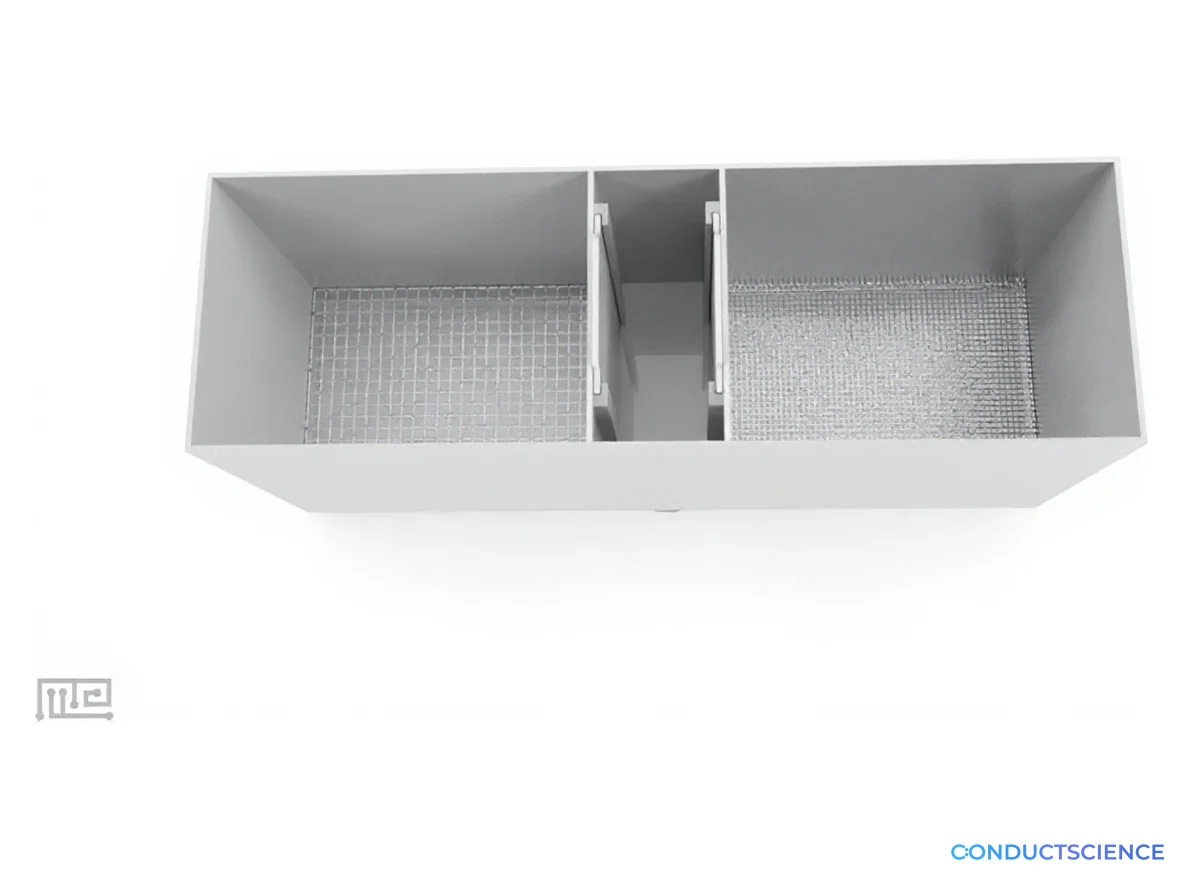
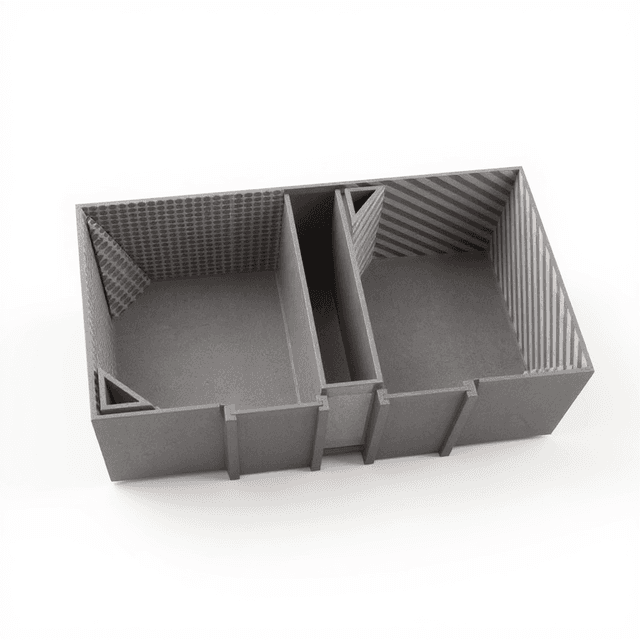
Behavioral testing apparatus for evaluating conditioned place preference based on the Martin Iverson 1985 methodology, enabling assessment of associative learning and drug reward mechanisms.
CE MarkedBAA available
Scientist guidance

Louise Corscadden, PhD
Director of Science · ConductScience
Ask Louise about Conditioned Place Preference Martin Iverson 1985 fit, setup, configuration, or quote prep.
Already working with us? Sign in to connect this with My Scientist.
Key Specifications
Full details →- Model fit
- Mouse, Rat
- SKU family
- CS-958280
- Shipping box
- 65.0 x 36.0 x 27.0 cm
- Ordering
- Online checkout and quote request available
- Category
- Behavioral Mazes
- Build notes
- Confirm accessories, station layout, and support needs before purchase
The Conditioned Place Preference Martin Iverson 1985 apparatus represents a foundational behavioral testing system for evaluating associative learning and drug reward mechanisms in laboratory animals. This paradigm, established through Iverson's seminal 1985 methodology, assesses an animal's learned preference for environmental contexts previously associated with rewarding or aversive stimuli. The apparatus enables researchers to quantify place conditioning through systematic exposure protocols followed by preference testing in a neutral state.
The system supports investigation of neurobiological mechanisms underlying addiction, reward processing, and associative memory formation. Researchers utilize this paradigm to evaluate the rewarding or aversive properties of pharmacological agents, environmental stimuli, or experimental manipulations by measuring changes in time spent in previously conditioned locations.
How It Works
The conditioned place preference paradigm operates on principles of Pavlovian associative learning, where environmental contexts serve as conditioned stimuli paired with unconditioned stimuli (typically pharmacological agents or rewarding/aversive experiences). During conditioning phases, animals are confined to distinct environmental chambers that differ in visual, tactile, or olfactory cues while receiving specific treatments. This creates learned associations between environmental contexts and the physiological or psychological effects of the administered stimuli.
Following conditioning, preference testing occurs in a drug-free state where animals have access to all chamber environments. The apparatus measures time spent in each compartment as an index of conditioned preference or aversion. Increased time spent in drug-paired environments indicates conditioned place preference, suggesting rewarding properties of the paired stimulus, while decreased time indicates conditioned place aversion, suggesting aversive properties.
The behavioral outcome reflects the integration of multiple neural systems including the mesolimbic dopamine pathway, hippocampal memory circuits, and associative learning networks. Place preference magnitude correlates with the rewarding efficacy of the paired stimulus and provides quantitative assessment of motivational valence.
Features & Benefits
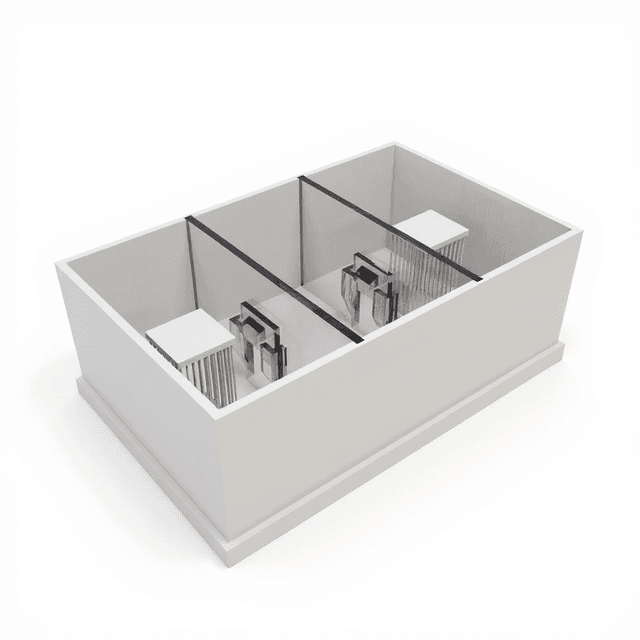
Multi-chamber design with distinct environmental cues
Enables creation of discriminable contexts for effective associative learning and preference assessment
Standardized Iverson 1985 methodology
Provides established protocol with extensive validation literature for reliable experimental outcomes
Automated tracking capability
Reduces observer bias and enables precise quantification of chamber occupancy and movement patterns
Modular chamber configuration
Allows customization of environmental cues and chamber characteristics to match specific experimental requirements
Temporal recording precision
Captures detailed behavioral dynamics and preference development over extended testing sessions
Standardized spatial dimensions
Ensures consistent testing conditions and facilitates comparison across experiments and research groups
Behavioral Construct
- Associative Learning
- Place Preference
- Conditioned Response
- Reward Processing
- Memory Consolidation
Automation Level
- semi-automated
Research Domain
- Addiction Research
- Anxiety and Depression
- Behavioral Pharmacology
- Learning and Memory
- Neurodegeneration
- Neuroscience
Species
- Mouse
- Rat
Compatible Tracking Software
- ConductVision
Shipping weight
- 6.06 lb
Shipping box
- L: 65.0 cm
- W: 36.0 cm
- H: 27.0 cm
| Feature | This Product | Typical Alternative | Advantage |
|---|---|---|---|
| Methodology Validation | Based on established Martin Iverson 1985 protocol with extensive literature foundation | Custom apparatus designs often lack standardized protocols | Provides established behavioral parameters and facilitates literature comparison |
| Chamber Configuration | Multi-chamber design with standardized spatial dimensions | Entry-level models may offer limited chamber customization | Enables precise environmental control and cue discrimination for reliable conditioning |
| Data Collection Integration | Compatible with automated tracking and behavioral analysis systems | Basic models often require manual observation and scoring | Reduces observer bias and enables detailed movement pattern analysis |
| Protocol Standardization | Includes validated experimental protocols and setup guidance | Generic apparatus may lack specific methodological documentation | Ensures consistent experimental implementation and reproducible results |
This apparatus provides standardized methodology implementation with established validation literature, supporting reliable place preference assessment for addiction research, behavioral pharmacology, and associative learning studies.
Behavioral Pharmacology
Evaluating the rewarding properties of novel psychoactive compounds by measuring conditioned place preference following repeated drug-context pairings.
Addiction Research
Investigating the development and extinction of conditioned responses to drug-associated environmental cues in animal models of substance dependence.
Learning and Memory
Assessing associative learning capacity and memory consolidation through context-reward association paradigms in cognitive research protocols.
Neuroscience
Examining the neural circuits underlying reward processing and place conditioning through pharmacological or optogenetic manipulations during behavioral testing.
Anxiety and Depression
Testing the aversive or anxiogenic properties of environmental manipulations by measuring place avoidance in anxiety disorder models.
Neurodegeneration
Evaluating associative learning deficits in neurodegenerative disease models through place preference conditioning protocols.
Practical Tips
Calibration
Verify chamber neutrality through extensive baseline testing with naive animals before implementing conditioning protocols.
Why: Unconditioned chamber biases can confound place preference interpretation and require experimental counterbalancing.
Maintenance
Clean chambers thoroughly between subjects using appropriate disinfectants to eliminate olfactory cues from previous animals.
Why: Residual odors can create unintended conditioning stimuli that interfere with experimental manipulations.
Best Practices
Implement conditioning sessions at consistent times of day and maintain standardized handling procedures across all experimental groups.
Why: Circadian factors and handling stress can influence conditioning efficacy and preference expression.
Troubleshooting
If preference effects are weak, consider increasing conditioning session duration, stimulus intensity, or implementing multiple daily pairings.
Why: Conditioning strength depends on stimulus-context association frequency and can be optimized through protocol modifications.
Data Quality
Record detailed movement patterns and chamber transition frequencies in addition to total time spent measurements.
Why: Locomotor activity changes provide important context for interpreting place preference magnitude and behavioral mechanisms.
Safety
Ensure adequate ventilation in testing areas when using volatile compounds or olfactory cues for chamber discrimination.
Why: Poor air circulation can create concentration gradients that confound conditioning or create health hazards for researchers.
Setup Guide
Environment Preparation
Establish testing room with consistent lighting, temperature, and minimal auditory distractions. Position apparatus away from high-traffic areas to minimize environmental confounds.
Apparatus Configuration
Configure chamber environments with distinct visual, tactile, or olfactory cues according to experimental protocol. Ensure chambers provide equivalent spatial dimensions and accessibility.
Baseline Assessment
Conduct initial preference testing to establish baseline chamber preferences and identify animals with strong unconditioned biases that may require exclusion or counterbalancing.
Conditioning Protocol
Implement conditioning schedule with alternating confinement to treatment-paired and vehicle-paired chambers according to experimental design, typically over 4-8 conditioning sessions.
Preference Testing
Conduct post-conditioning preference tests in drug-free state with full chamber access, recording time spent in each compartment over standardized testing duration.
Data Collection
Monitor animal movement and chamber occupancy using automated tracking systems or manual observation, ensuring consistent scoring criteria across sessions.
What’s in the Box
- Multi-chamber testing apparatus with removable barriers (typical)
- Environmental cue systems for chamber differentiation (typical)
- Data collection software and interface cables (typical)
- Experimental protocol documentation and setup guide (typical)
- Calibration and validation materials (typical)
Warranty
ConductScience provides comprehensive warranty coverage including technical support for behavioral apparatus setup, calibration verification, and experimental protocol optimization.
Compliance
ARRIVE GuidelinesCommonly used in behavioral studies following ARRIVE reporting standards for animal research methodology and experimental design.
NIH Guide for Care and Use of Laboratory AnimalsSupports behavioral testing protocols conducted under institutional animal care guidelines and welfare standards.
Q
What conditioning schedule provides optimal place preference establishment?
A
Most protocols employ 4-8 conditioning sessions with alternating daily confinements to treatment and control chambers, though session number may be adjusted based on stimulus potency and species responsiveness.
Q
How should strong unconditioned chamber preferences be addressed?
A
Animals showing >65% baseline preference for any chamber should be excluded or the design should employ a counterbalanced approach where drug pairings are distributed across naturally preferred and non-preferred environments.
Q
What testing duration is recommended for preference assessment?
A
Standard protocols employ 15-30 minute preference tests, allowing sufficient time for chamber exploration while minimizing habituation effects that could confound preference measurements.
Q
Can the apparatus accommodate both reward and aversion paradigms?
A
Yes, the same apparatus design supports both conditioned place preference (CPP) and conditioned place aversion (CPA) protocols through appropriate stimulus selection and experimental controls.
Q
What environmental factors most commonly confound place preference results?
A
Inconsistent lighting, temperature gradients, external noise, or odor contamination between chambers can create artifacts that interfere with conditioning and preference expression.
Q
How does this methodology compare to operant self-administration for addiction research?
A
Place preference provides assessment of conditioned motivational effects with minimal training requirements, while self-administration measures active drug-seeking behavior and intake regulation under operant contingencies.
Have a question about this product?
Track rodents with ConductVision
ConductVision is our video-tracking software. Record your sessions on video, and it scores standard rodent tests, such as those listed below.
Examples of tests it scores
To check whether ConductVision scores your protocol in this apparatus, ask in your quote request.
Ask a question
Have a question? Just ask.
Send it over and we'll email you a personalized answer — no call, no scheduling.
Personalized email reply
Usually within one business day
Helpful answers published here
Prefer to talk it through?
Accessories
Enhance your setup with compatible accessories
Total: $0.00
Frequently Bought Together
Total: $7,790.00

Conditioned Place Preference Martin Iverson 1985
$1,830.00
Added to quoteView Quote