Conditioned Place Preference Schenk 1986
SKU CS-958265
$1,830.00
IncludesStandard care
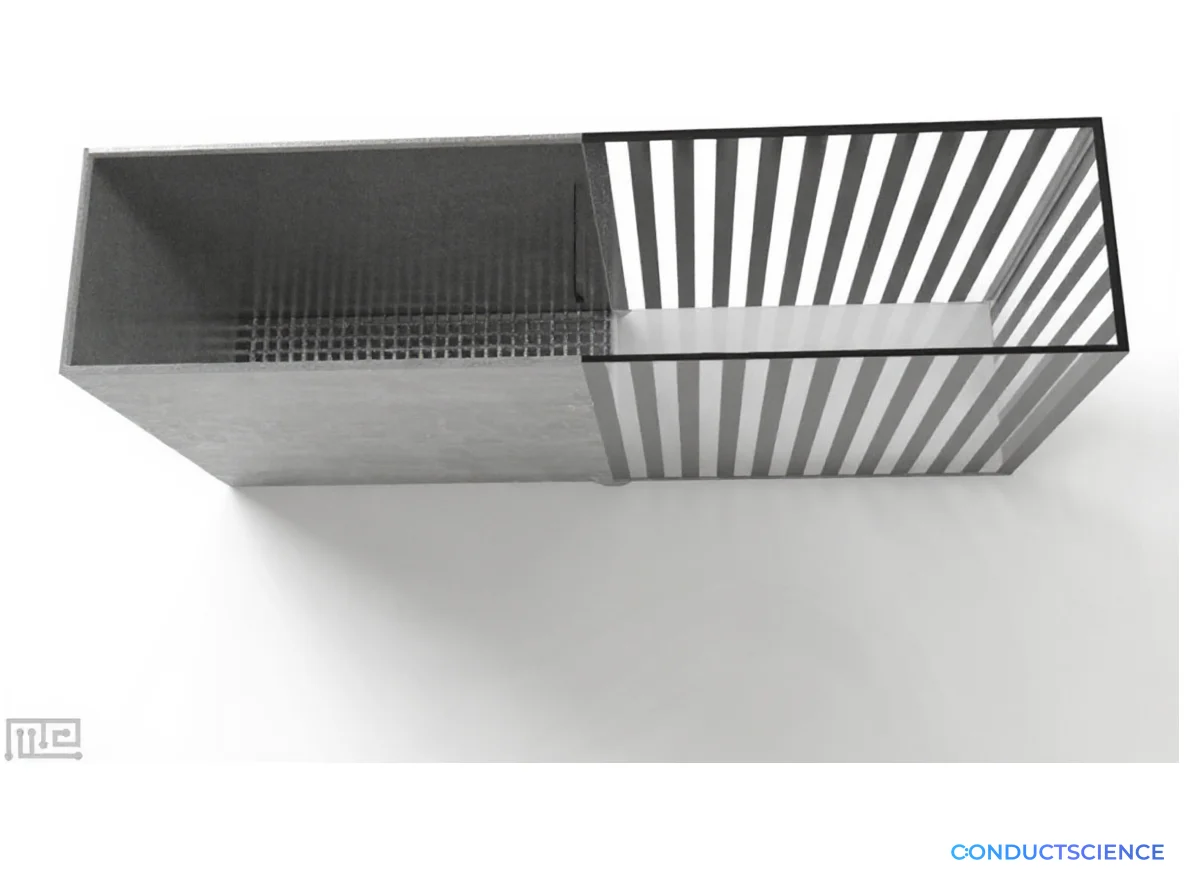
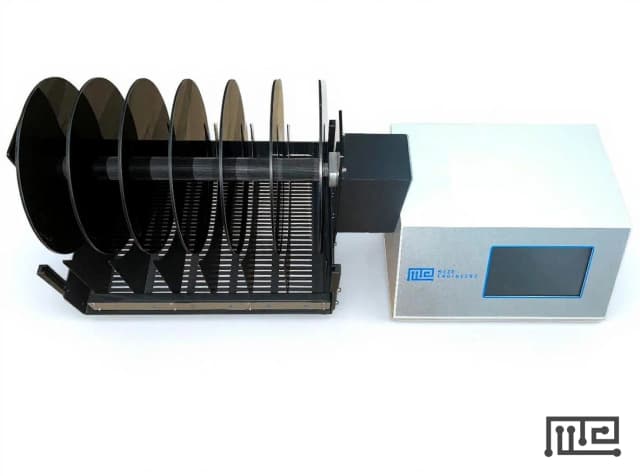
Behavioral testing apparatus for measuring conditioned place preference in laboratory animals, enabling assessment of drug reward and aversion properties through environmental conditioning paradigms.
CE MarkedBAA available
Scientist guidance

Louise Corscadden, PhD
Director of Science · ConductScience
Ask Louise about Conditioned Place Preference Schenk 1986 fit, setup, configuration, or quote prep.
Already working with us? Sign in to connect this with My Scientist.
Key Specifications
Full details →- Model fit
- Mouse, Rat
- SKU family
- CS-958265
- Shipping box
- 65.0 x 36.0 x 27.0 cm
- Ordering
- Online checkout and quote request available
- Category
- Behavioral Mazes
- Build notes
- Confirm accessories, station layout, and support needs before purchase
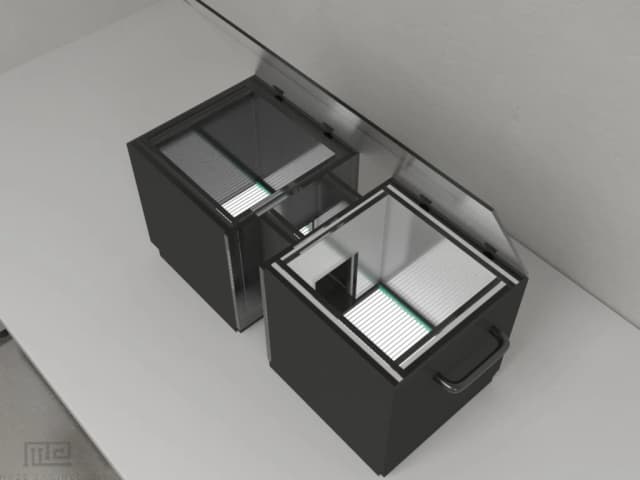
The Conditioned Place Preference (CPP) apparatus based on the Schenk 1986 protocol represents a fundamental behavioral testing system for studying drug reward and aversion in laboratory animals. This paradigm exploits the natural tendency of animals to form associations between environmental cues and pharmacological effects, providing researchers with a reliable method to assess the rewarding or aversive properties of various compounds.
The apparatus enables researchers to condition animals to associate specific environmental contexts with drug effects, then measure preference or aversion by allowing free choice between conditioned and non-conditioned environments. This behavioral model has become essential for addiction research, providing insights into the motivational properties of drugs and potential therapeutic interventions.
How It Works
The conditioned place preference paradigm operates on principles of classical conditioning, where environmental cues become associated with the interoceptive effects of pharmacological agents. During conditioning phases, animals receive drug treatments in one distinct environment and vehicle treatments in an alternate environment, creating associative memories between contextual cues and drug effects.
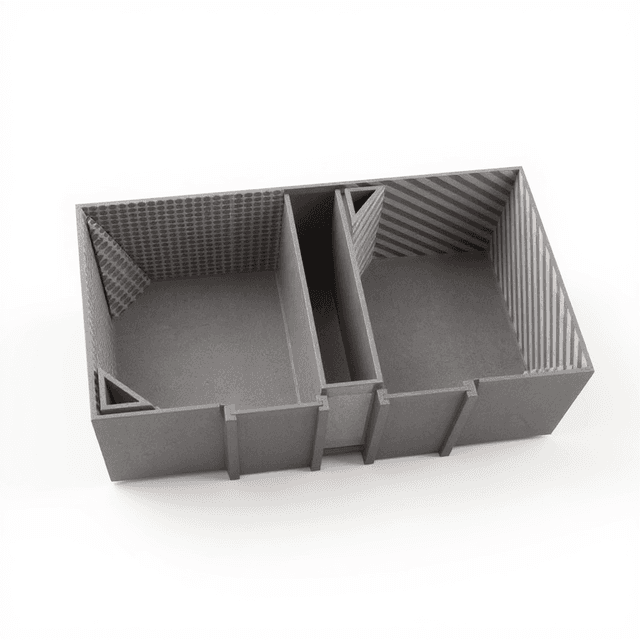
The apparatus typically consists of multiple compartments with distinct visual, tactile, and olfactory characteristics that serve as discriminative stimuli. Following conditioning sessions, animals are given free access to all compartments during drug-free test sessions. Time spent in each environment provides a quantitative measure of the strength and direction of conditioned associations.
Preference for the drug-paired environment indicates rewarding properties, while avoidance suggests aversive effects. The magnitude of preference or aversion correlates with the motivational salience of the conditioning stimulus, making this paradigm particularly valuable for dose-response studies and comparative pharmacology.
Features & Benefits
Multiple compartment design
Provides distinct environmental contexts necessary for establishing differential conditioning associations
Standardized Schenk 1986 protocol
Ensures consistency with established literature and enables direct comparison with published studies
Configurable environmental cues
Allows customization of visual, tactile, and olfactory stimuli to optimize conditioning strength
Free exploration access
Eliminates experimenter bias by allowing natural behavioral expression during test phases
Quantitative preference measurement
Provides objective behavioral metrics for statistical analysis of conditioning effects
Adaptable conditioning schedules
Accommodates various experimental designs including single-trial and multiple-session conditioning protocols
Behavioral Construct
- Place preference
- Associative learning
- Drug reward
- Environmental conditioning
Automation Level
- manual
Research Domain
- Addiction Research
- Behavioral Pharmacology
- Learning and Memory
- Neurodegeneration
- Neuroscience
- Toxicology
Species
- Mouse
- Rat
Compatible Tracking Software
- ConductVision
Shipping weight
- 6.06 lb
Shipping box
- L: 65.0 cm
- W: 36.0 cm
- H: 27.0 cm
| Feature | This Product | Typical Alternative | Advantage |
|---|---|---|---|
| Protocol Standardization | Based on established Schenk 1986 methodology | Custom designs may lack standardized protocols | Ensures consistency with published literature and enables direct comparison across studies |
| Environmental Customization | Configurable contextual cues | Fixed environmental characteristics in some systems | Allows optimization of conditioning strength based on species and experimental requirements |
| Observation Flexibility | Manual observation compatible design | Automated systems may restrict direct behavioral assessment | Enables detailed behavioral analysis beyond simple location tracking |
This apparatus provides a standardized implementation of the widely-used Schenk 1986 conditioned place preference protocol with flexible environmental customization capabilities. The design prioritizes experimental consistency while accommodating various research applications in addiction and behavioral pharmacology studies.
Addiction Research
Evaluating the rewarding properties of drugs of abuse by measuring preference for environments previously paired with drug administration.
Behavioral Pharmacology
Screening potential therapeutic compounds for their ability to modify conditioned place preference responses to established drugs of abuse.
Neuroscience
Investigating neural mechanisms underlying reward and aversion by combining behavioral testing with neurochemical or electrophysiological measurements.
Toxicology
Assessing the aversive properties of toxic compounds through conditioned place aversion protocols.
Learning and Memory
Studying associative learning mechanisms and memory consolidation processes in drug-environment conditioning.
Neurodegeneration
Evaluating changes in reward processing and associative learning in animal models of neurodegenerative diseases.
Practical Tips
Best Practices
Conduct all conditioning and testing sessions at the same time of day to control for circadian influences on behavior.
Why: Temporal consistency minimizes variability in drug sensitivity and behavioral responses.
Best Practices
Allow animals to acclimate to the testing room for at least 30 minutes before each session.
Why: Reduces stress-related behaviors that could interfere with preference expression.
Data Quality
Record the sequence of chamber entries in addition to total time spent to assess exploration patterns.
Why: Provides insights into the strength and consistency of conditioned responses.
Troubleshooting
If no preference develops, verify that environmental cues are sufficiently distinct and drug doses are within the effective range.
Why: Weak conditioning may result from inadequate discriminative stimuli or subthreshold drug effects.
Maintenance
Clean all surfaces with appropriate disinfectants between subjects while preserving environmental cue characteristics.
Why: Prevents olfactory contamination while maintaining the integrity of conditioning cues.
Safety
Handle all test compounds according to institutional safety guidelines and maintain proper documentation of drug administration.
Why: Ensures researcher safety and regulatory compliance for controlled substance research.
Setup Guide
Environment Preparation
Set up the testing room with consistent lighting and minimal external noise to ensure standardized testing conditions.
Apparatus Configuration
Assemble the conditioning chambers ensuring distinct environmental characteristics between compartments are clearly differentiated.
Baseline Assessment
Conduct pre-conditioning sessions to establish baseline preferences and identify any inherent chamber bias in test subjects.
Conditioning Protocol
Implement the conditioning schedule alternating drug and vehicle treatments in designated environments according to experimental design.
Data Collection Setup
Configure tracking systems or manual observation protocols to record time spent in each compartment during test sessions.
Test Phase Execution
Conduct preference testing sessions allowing free exploration of all compartments while recording behavioral responses.
What’s in the Box
- Conditioning chamber system (typical)
- Environmental cue inserts (typical)
- User manual with protocol guidelines (typical)
- Assembly hardware (typical)
Warranty
ConductScience provides standard manufacturer warranty coverage with technical support for proper apparatus setup and protocol implementation.
Compliance
ARRIVE GuidelinesCommonly used in studies following ARRIVE guidelines for reporting animal research methodology and experimental design.
Guide for Care and Use of Laboratory AnimalsSupports behavioral testing protocols conducted under institutional animal care guidelines.
Q
What conditioning schedule should be used for optimal preference establishment?
A
The Schenk 1986 protocol typically employs alternating daily conditioning sessions over 4-8 days, with drug administration in one environment and vehicle in the alternate environment.
Q
How long should test sessions be conducted to obtain reliable preference measurements?
A
Standard test sessions range from 15-30 minutes, allowing sufficient time for exploration while avoiding habituation effects that could confound preference measurements.
Q
Can this apparatus be used for both preference and aversion conditioning?
A
Yes, the same apparatus design supports both conditioned place preference and conditioned place aversion studies depending on the pharmacological properties of the test compound.
Q
What environmental cues are most effective for establishing strong conditioning?
A
Multimodal cues combining visual patterns, floor textures, and odor cues typically produce the strongest conditioning effects while remaining ethologically relevant.
Q
How should baseline chamber preferences be handled in the experimental design?
A
Pre-conditioning bias assessment is essential, with drug pairing typically assigned to the initially non-preferred chamber to avoid ceiling effects in preference measurements.
Q
What behavioral parameters beyond time spent should be measured?
A
Additional measures may include entries between compartments, locomotor activity patterns, and specific behaviors exhibited in each environment to provide comprehensive behavioral profiles.
Have a question about this product?
Track rodents with ConductVision
ConductVision is our video-tracking software. Record your sessions on video, and it scores standard rodent tests, such as those listed below.
Examples of tests it scores
To check whether ConductVision scores your protocol in this apparatus, ask in your quote request.
Ask a question
Have a question? Just ask.
Send it over and we'll email you a personalized answer — no call, no scheduling.
Personalized email reply
Usually within one business day
Helpful answers published here
Prefer to talk it through?
Accessories
Enhance your setup with compatible accessories
Total: $0.00

Conditioned Place Preference Schenk 1986
$1,830.00
Added to quoteView Quote