Conditioned Place Preference Spyraki 1988
SKU CS-958260
$1,830.00
IncludesStandard care
Behavioral apparatus for assessing conditioned place preference using the established Spyraki 1988 protocol, designed for addiction research and reward learning studies.
CE MarkedBAA available
Scientist guidance

Louise Corscadden, PhD
Director of Science · ConductScience
Ask Louise about Conditioned Place Preference Spyraki 1988 fit, setup, configuration, or quote prep.
Already working with us? Sign in to connect this with My Scientist.
Key Specifications
Full details →- Model fit
- Mouse, Rat
- SKU family
- CS-958260
- Shipping box
- 65.0 x 36.0 x 27.0 cm
- Ordering
- Online checkout and quote request available
- Category
- Behavioral Mazes
- Build notes
- Confirm accessories, station layout, and support needs before purchase
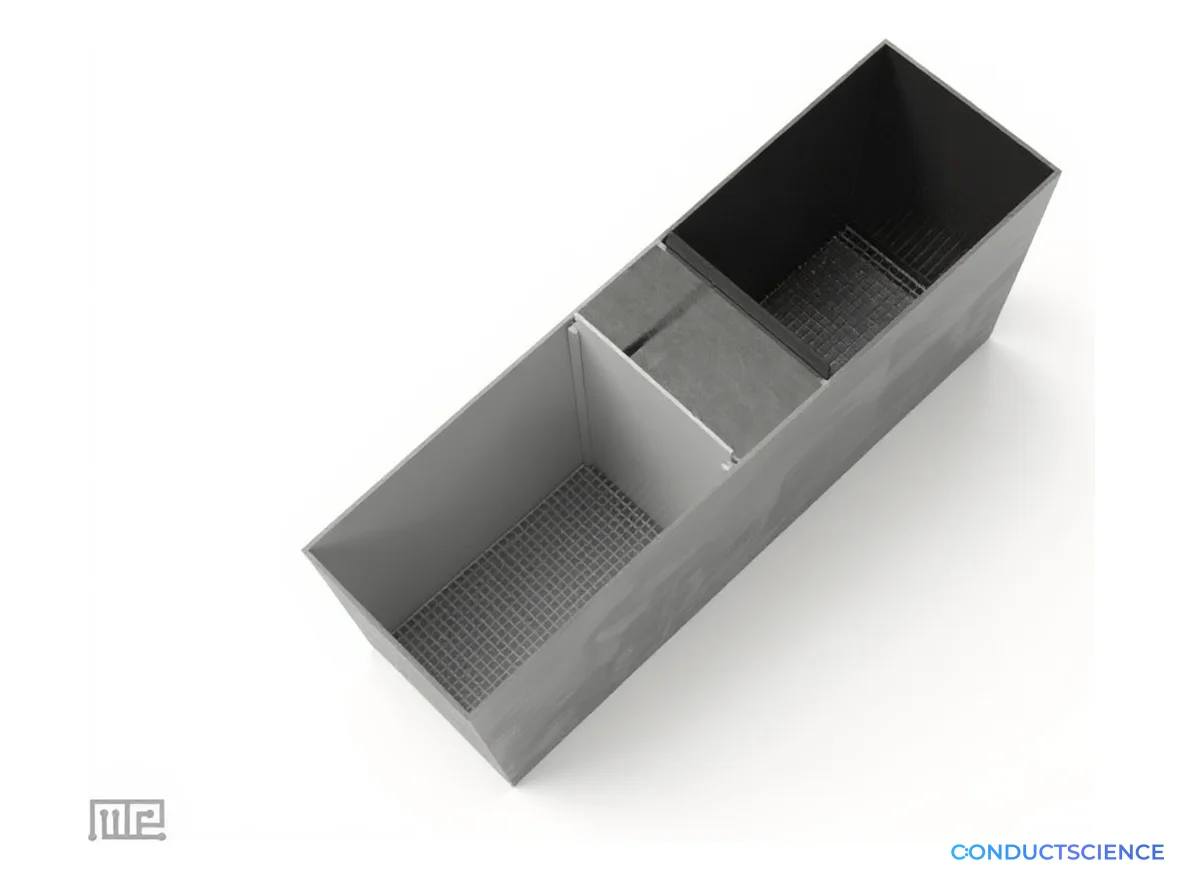
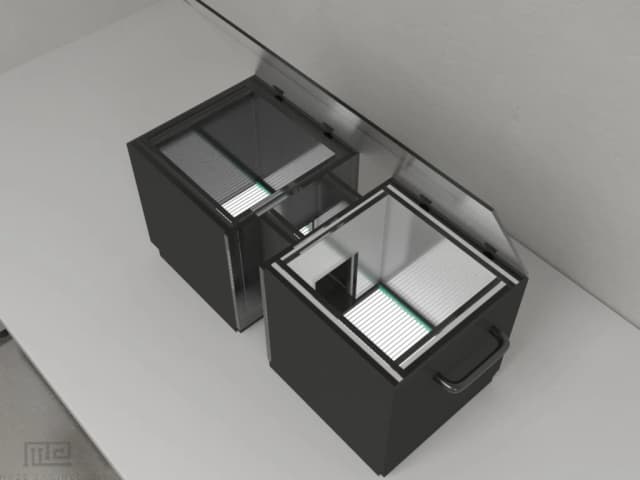
The Conditioned Place Preference (CPP) apparatus based on the Spyraki 1988 protocol provides a standardized methodology for assessing the rewarding or aversive properties of pharmacological compounds and environmental stimuli. This behavioral paradigm measures an animal's preference for environmental contexts previously associated with drug administration or other experimental manipulations, serving as a critical tool for addiction research and behavioral pharmacology studies.
The apparatus enables researchers to quantify place conditioning by monitoring time spent in distinct compartments that differ in visual, tactile, or olfactory cues. Following the established Spyraki methodology, the system supports both biased and unbiased experimental designs, allowing investigation of drug reward mechanisms, conditioned learning processes, and environmental preference formation in laboratory animals.
How It Works
The conditioned place preference paradigm operates on principles of classical conditioning, where environmental contexts become associated with drug effects or other experimental manipulations. During conditioning sessions, animals receive treatments in one compartment while receiving vehicle or no treatment in an alternate compartment, establishing associative learning between environmental cues and pharmacological effects.
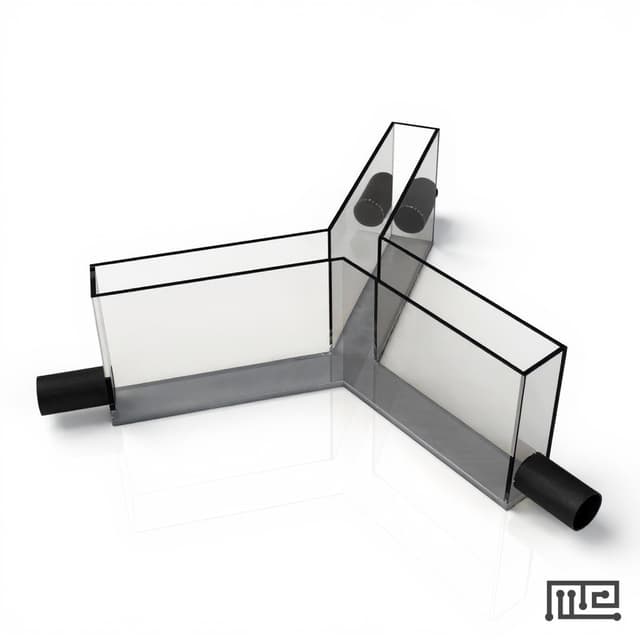
The Spyraki 1988 protocol specifically employs a three-compartment design with distinct environmental cues in each chamber. Animals demonstrate preference through increased time allocation in compartments previously paired with rewarding stimuli, or avoidance of compartments associated with aversive experiences. This behavioral readout provides quantitative measurement of the motivational properties of experimental treatments.
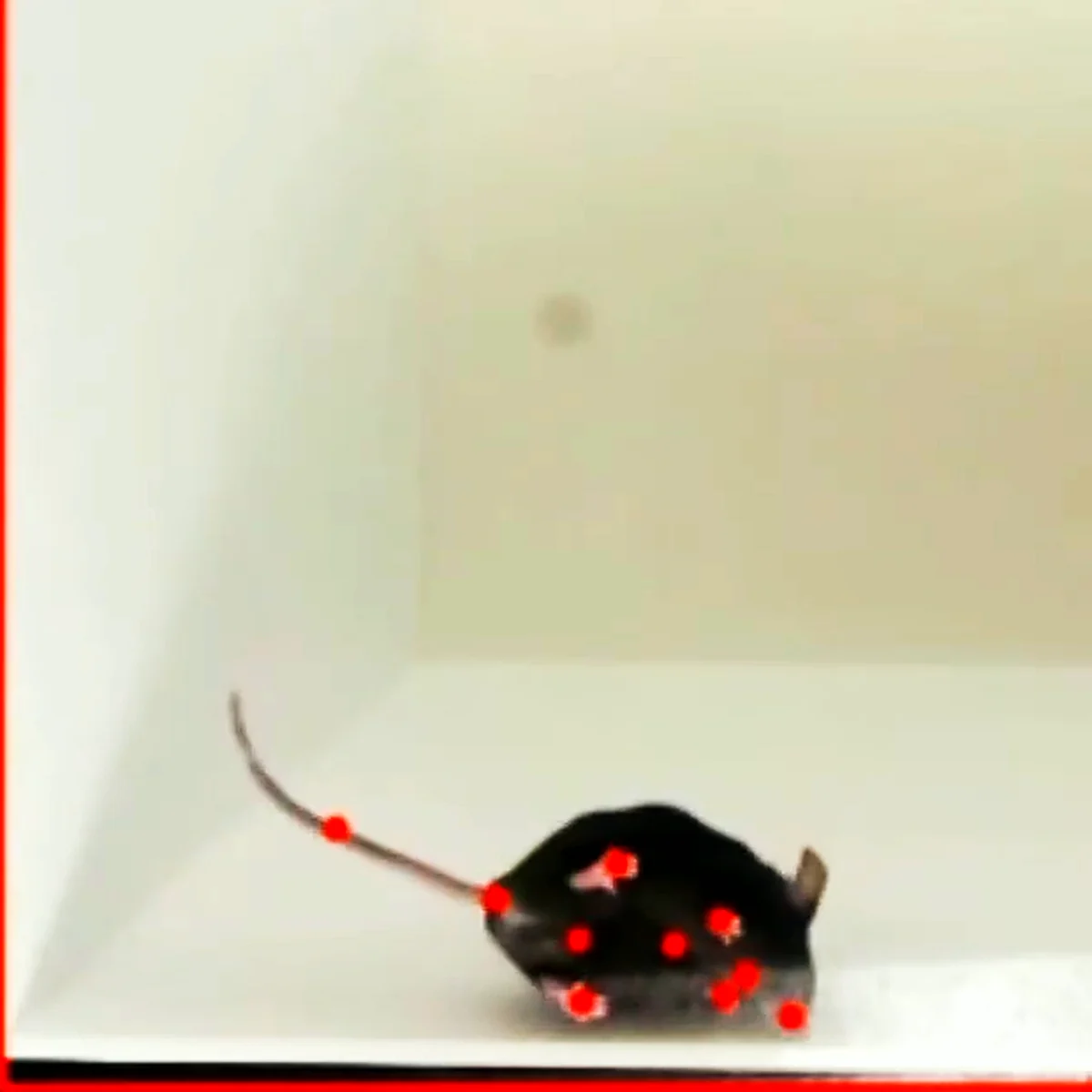
Data collection involves tracking animal position and movement patterns throughout test sessions, typically using automated detection systems that monitor compartment occupancy time, transitions between chambers, and locomotor activity patterns within each environmental context.
Features & Benefits
Three-compartment design
Enables unbiased place preference testing with neutral center compartment and two distinct conditioning environments
Standardized Spyraki protocol compliance
Ensures experimental consistency and reproducibility across laboratories using established methodological framework
Configurable environmental cues
Allows customization of visual, tactile, and olfactory stimuli to create distinct contextual associations
Automated position tracking
Provides objective measurement of compartment occupancy and eliminates observer bias in behavioral scoring
Real-time data acquisition
Enables continuous monitoring of animal behavior and immediate feedback on experimental progress
Modular chamber construction
Facilitates cleaning between subjects and allows modification of environmental parameters for specific protocols
Behavioral Construct
- place preference
- conditioned learning
- reward processing
- associative memory
- approach-avoidance behavior
Automation Level
- semi-automated
Research Domain
- Addiction Research
- Anxiety and Depression
- Behavioral Pharmacology
- Learning and Memory
- Neuroscience
Species
- Mouse
- Rat
Compatible Tracking Software
- ConductVision
Shipping weight
- 6.06 lb
Shipping box
- L: 65.0 cm
- W: 36.0 cm
- H: 27.0 cm
| Feature | This Product | Typical Alternative | Advantage |
|---|---|---|---|
| Compartment Design | Three-compartment configuration with neutral center area | Some systems use two-compartment designs without neutral zones | Neutral compartment allows unbiased assessment and reduces forced choice artifacts |
| Protocol Standardization | Based on established Spyraki 1988 methodology | Custom protocols may vary between laboratories | Ensures reproducibility and comparability across research groups |
| Environmental Cue Flexibility | Configurable visual and tactile environmental contexts | Fixed cue configurations in some systems | Allows customization for specific experimental requirements and species differences |
| Data Collection Method | Automated position tracking and behavioral monitoring | Manual observation methods still used in some protocols | Eliminates observer bias and provides continuous objective measurement |
This apparatus provides standardized implementation of the established Spyraki place preference protocol with automated data collection capabilities and configurable environmental contexts for flexible experimental design.
Behavioral Pharmacology
Evaluating the rewarding or aversive properties of novel pharmaceutical compounds by measuring conditioned place preference in rodent models.
Addiction Research
Investigating drug reward mechanisms and conditioned learning associated with substances of abuse in preclinical addiction models.
Neuroscience
Studying neural mechanisms underlying reward processing and associative learning through place conditioning paradigms.
Learning and Memory
Examining contextual learning and memory consolidation processes through environmental preference conditioning protocols.
Anxiety and Depression
Assessing the effects of anxiolytic or antidepressant compounds on environmental preference and approach-avoidance behaviors.
Practical Tips
Calibration
Verify position detection accuracy before each experimental session using test objects of known size and position.
Why: Accurate position tracking is essential for reliable compartment occupancy measurements.
Maintenance
Clean all surfaces with appropriate disinfectant between subjects and replace environmental cue materials regularly.
Why: Prevents olfactory contamination that could influence place preference behavior.
Best Practices
Conduct pre-conditioning sessions to establish baseline preferences and identify any apparatus bias.
Why: Baseline assessment enables appropriate counterbalancing and unbiased experimental design.
Data Quality
Monitor locomotor activity levels to ensure animals are actively exploring during test sessions.
Why: Low activity may indicate stress or health issues that could confound preference measurements.
Troubleshooting
If animals show extreme compartment avoidance, verify environmental cue intensity is not creating inherent aversion.
Why: Overly intense environmental stimuli can overshadow experimental manipulations.
Safety
Ensure all chamber edges are smooth and electrical connections are properly insulated.
Why: Prevents animal injury and maintains experimental integrity throughout conditioning protocols.
Setup Guide
Apparatus Assembly
Assemble the three-compartment chamber system ensuring proper alignment of connecting doors and distinct environmental cues in each compartment.
Environmental Cue Configuration
Configure visual, tactile, and olfactory cues according to Spyraki protocol specifications to create distinguishable environmental contexts.
Detection System Calibration
Calibrate position tracking sensors or video detection system to accurately monitor animal location and movement between compartments.
Baseline Assessment
Conduct pre-conditioning sessions to establish baseline compartment preferences and identify any inherent bias in the apparatus.
Conditioning Protocol Implementation
Execute conditioning sessions according to established timeline, pairing experimental treatments with specific environmental contexts.
Data Collection Setup
Configure data acquisition software to record position coordinates, compartment occupancy times, and locomotor activity parameters.
What’s in the Box
- Three-compartment behavioral chamber (typical)
- Environmental cue inserts for visual and tactile differentiation (typical)
- Position tracking sensors or video detection hardware (typical)
- Data acquisition software (typical)
- User manual with Spyraki protocol guidelines (typical)
- Calibration tools and setup instructions (typical)
Warranty
ConductScience provides standard one-year manufacturer warranty covering hardware components and technical support for setup and protocol implementation.
Compliance
IACUC GuidelinesSupports behavioral research protocols requiring institutional animal care committee approval for conditioned learning studies
NIH Guide for Laboratory AnimalsEnables behavioral testing procedures conducted in accordance with federal guidelines for research animal welfare
Q
What is the recommended conditioning protocol duration for the Spyraki method?
A
Consult the provided protocol documentation for specific timing parameters. Standard implementations typically involve multiple conditioning sessions over several days with test sessions to assess preference development.
Q
Can the apparatus accommodate both biased and unbiased experimental designs?
A
Yes, the three-compartment design supports both approaches by allowing researchers to use either inherently neutral compartments or to counterbalance for any baseline preferences detected during pre-conditioning assessment.
Q
What data parameters are automatically collected during testing?
A
The system typically records compartment occupancy time, number of transitions between chambers, locomotor activity within each compartment, and position coordinates throughout the session duration.
Q
How should environmental cues be configured to ensure effective conditioning?
A
Environmental contexts should provide clearly distinguishable visual, tactile, and/or olfactory cues while avoiding inherently rewarding or aversive stimuli that could confound experimental results.
Q
What is the appropriate sample size for place preference studies?
A
Sample size calculations should consider effect size expectations and statistical power requirements. Consult published Spyraki methodology papers and conduct power analyses based on your specific experimental parameters.
Q
Can the apparatus be used for chronic or repeated testing paradigms?
A
The system supports various experimental designs including acute, chronic, and repeated exposure protocols, though consideration should be given to potential sensitization or extinction effects.
Have a question about this product?
Track rodents with ConductVision
ConductVision is our video-tracking software. Record your sessions on video, and it scores standard rodent tests, such as those listed below.
Examples of tests it scores
To check whether ConductVision scores your protocol in this apparatus, ask in your quote request.
Ask a question
Have a question? Just ask.
Send it over and we'll email you a personalized answer — no call, no scheduling.
Personalized email reply
Usually within one business day
Helpful answers published here
Prefer to talk it through?
Accessories
Enhance your setup with compatible accessories
Total: $0.00


Conditioned Place Preference Spyraki 1988
$1,830.00
Added to quoteView Quote