ConductScience Conical Centrifuge Tubes 15mL, Sterile (Pack of 10)
$72.00 per unit | 10 units per pack Bulk pricing: Pack of 10 at $720.00 ($72.00 per unit)
| Automation Level | manual |
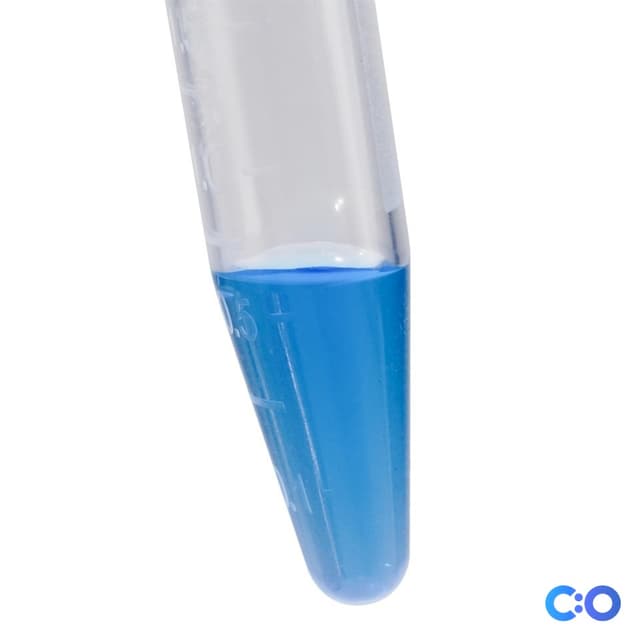
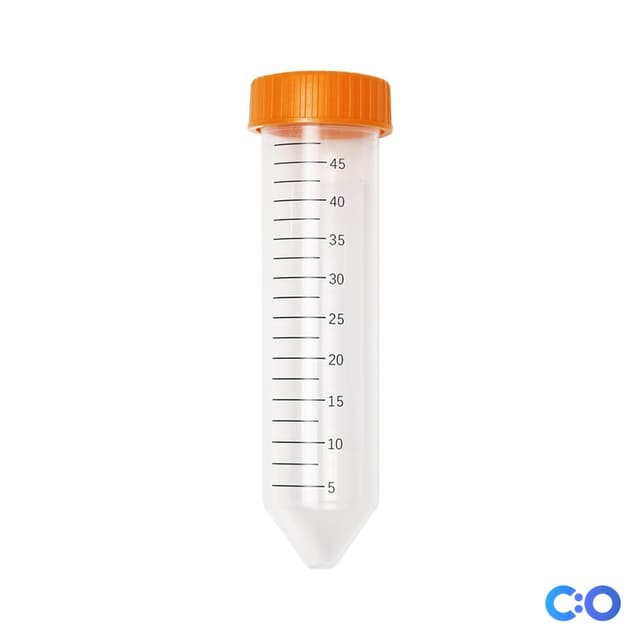
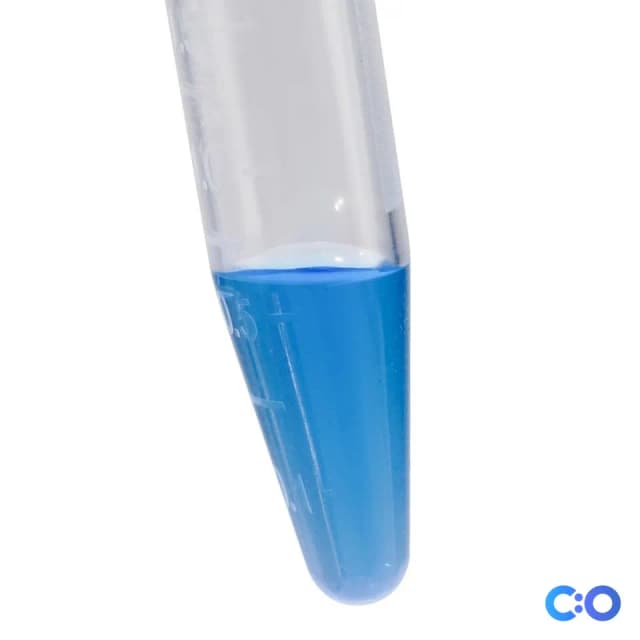
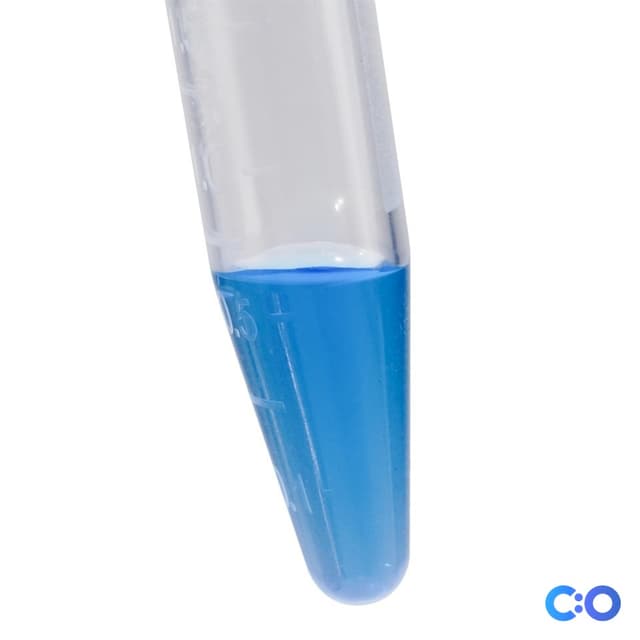
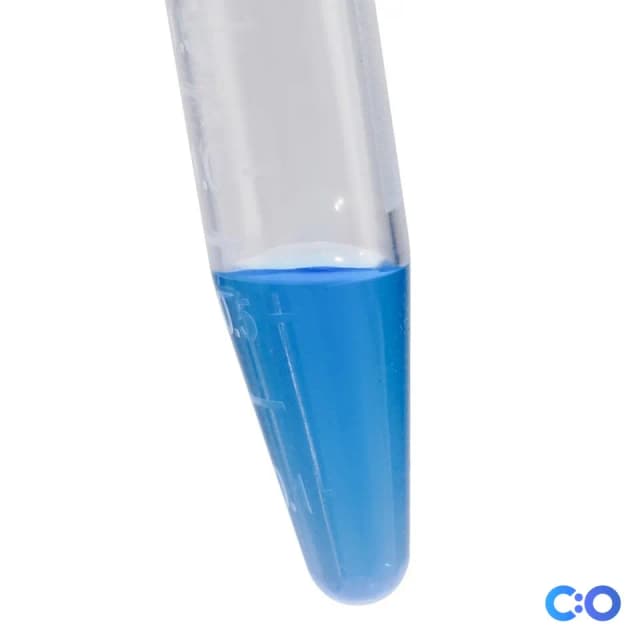
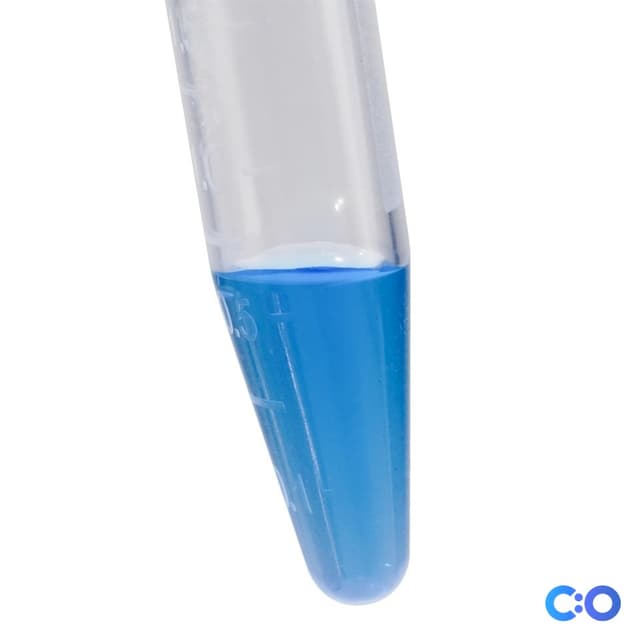
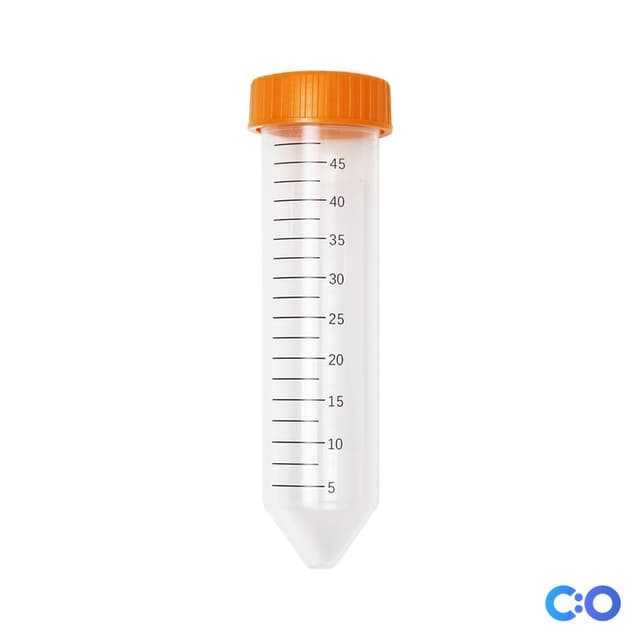
Medical-grade polypropylene conical centrifuge tubes designed for sterile sample processing applications. Each 15mL tube features a screw cap closure and is manufactured from high-quality polypropylene that withstands centrifugal forces up to 12,000×g. The tubes are supplied sterile and certified DNase/RNase free for molecular biology applications.
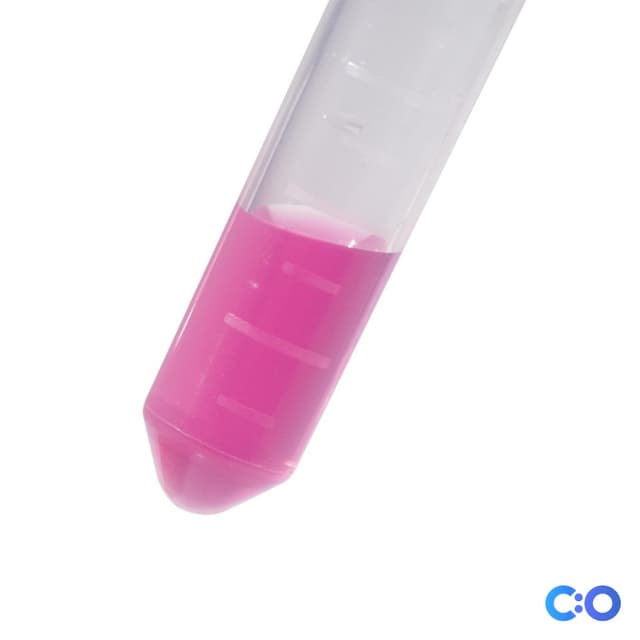
The conical bottom design facilitates efficient pellet formation and complete sample recovery, making these tubes suitable for cell culture, protein precipitation, nucleic acid isolation, and general laboratory centrifugation protocols. The graduated volume markings enable accurate sample measurement and the screw cap design provides secure closure during high-speed centrifugation.
How It Works
Centrifugal separation occurs when samples are subjected to centrifugal force, creating an artificial gravitational field that causes particles of different densities to migrate at different rates. In conical centrifuge tubes, denser particles migrate toward the tube bottom while lighter components remain in the supernatant. The centrifugal force is calculated as RCF = 1.118 × 10⁻⁵ × r × N², where r is the radius from the axis of rotation to the sample, and N is the rotational speed in rpm.
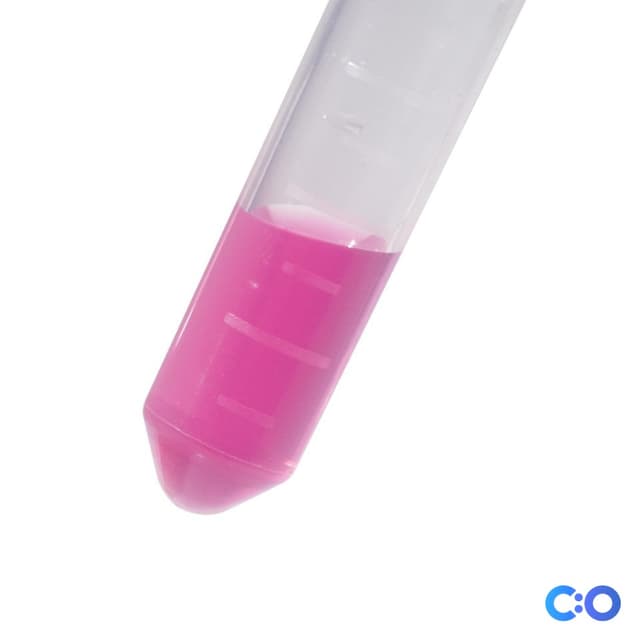
The conical tube geometry optimizes pellet formation by concentrating settled particles into a small volume at the tube tip. The 15° angle of the conical bottom facilitates complete pellet recovery and enables precise aspiration of supernatant without disturbing the pellet. The polypropylene construction provides chemical resistance and mechanical strength necessary to withstand repeated centrifugation cycles at forces up to 12,000×g.
The screw cap closure system creates an airtight seal that prevents sample evaporation and contamination during centrifugation. The threaded design distributes mechanical stress evenly around the tube rim, preventing cap failure under high centrifugal forces while maintaining sterile conditions throughout the separation process.
Features & Benefits
Automation Level
- manual
Research Domain
- Analytical Chemistry
- Cell Biology
- Clinical Diagnostics
- Immunology
- Microbiology
- Pharmaceutical QC
Weight
- 4.41 kg
Dimensions
- L: 22.6 mm
- W: 18.8 mm
- H: 15.1 mm
Comparison Guide
| Feature | This Product | Typical Alternative | Advantage |
|---|---|---|---|
| Maximum RCF Rating | 12,000×g maximum centrifugal force | Entry-level tubes often rated for 8,000-10,000×g | Higher force tolerance enables more efficient pelleting of dense particles and reduces centrifugation time requirements. |
| Sterility Certification | Sterile and DNase/RNase free certified | Basic tubes may lack nuclease-free certification | Critical for molecular biology protocols where nucleic acid integrity must be maintained throughout sample processing. |
| Material Grade | Medical-grade polypropylene construction | Standard laboratory plastic formulations | Medical-grade materials provide superior purity and consistency for sensitive analytical applications. |
| Closure System | Screw cap design with secure threading | Snap-cap designs common in basic tubes | Screw caps provide more reliable sealing during high-speed centrifugation and prevent accidental opening. |
These tubes combine high centrifugal force tolerance with molecular biology-grade purity standards. The medical-grade polypropylene construction and DNase/RNase free certification make them suitable for both routine laboratory work and sensitive analytical applications requiring sterile, nuclease-free conditions.
Practical Tips
Always balance tubes in pairs with equivalent masses before centrifugation to prevent rotor damage and ensure even force distribution.
Why: Unbalanced loads can damage centrifuge rotors and create safety hazards during high-speed operation.
Inspect tubes for stress cracks around the cap threads after repeated use, especially following high-force centrifugation.
Why: Repeated stress can weaken the plastic structure and compromise tube integrity during subsequent use.
Never exceed the 12,000×g maximum RCF rating, and ensure centrifuge programming matches tube specifications.
Why: Exceeding force limits can cause tube failure, creating safety hazards and sample loss.
Fill tubes to no more than 80% capacity to prevent overflow during centrifugation and allow for sample expansion.
Why: Overfilling can cause sample spillage into the centrifuge chamber and cross-contamination between samples.
Use consistent centrifugation parameters across experimental replicates to ensure reproducible pellet formation and recovery.
Why: Variable centrifugation conditions can affect pellet compaction and introduce experimental variability.
If pellets appear loose or easily disturbed, increase centrifugation time rather than force to improve pellet compaction.
Why: Extended centrifugation at appropriate force is safer than exceeding RCF limits and often provides better separation.
Remove tubes from centrifuge slowly and avoid jarring movements that could resuspend pelleted material.
Why: Careful handling preserves the separation achieved during centrifugation and prevents sample loss.
Setup Guide
What’s in the Box
- 500 sterile 15mL conical centrifuge tubes (typical)
- 500 screw caps (typical)
- Product certificate of analysis (typical)
Warranty
ConductScience provides standard manufacturer warranty covering material defects and performance specifications. Technical support is available for protocol optimization and troubleshooting applications.
Compliance
References
Background reading relevant to this product:
What is the maximum centrifugal force these tubes can withstand?
The tubes are rated for maximum RCF of 12,000×g, suitable for most standard laboratory centrifugation protocols including cell pelleting and protein precipitation.
Are these tubes suitable for molecular biology applications?
Yes, the tubes are certified DNase/RNase free and manufactured from medical-grade polypropylene, making them appropriate for nucleic acid isolation and other molecular biology protocols.
Can these tubes be autoclaved for sterilization?
Polypropylene typically withstands standard autoclave conditions, but consult product datasheet for specific temperature and pressure limits to ensure tube integrity.
What is the accuracy of the volume graduations?
Consult product datasheet for specific graduation accuracy specifications, as this varies by manufacturer and production standards.
Are these tubes compatible with automated liquid handling systems?
The standard 15mL conical tube format is compatible with most automated systems, but verify tube dimensions against specific equipment requirements.
How should these tubes be stored to maintain sterility?
Store in original sterile packaging in a clean, dry environment away from direct sunlight and extreme temperatures until use.
Have a question about this product?
Accessories
Enhance your setup with compatible accessories
Frequently Bought Together
Upgrade Options
Related Products