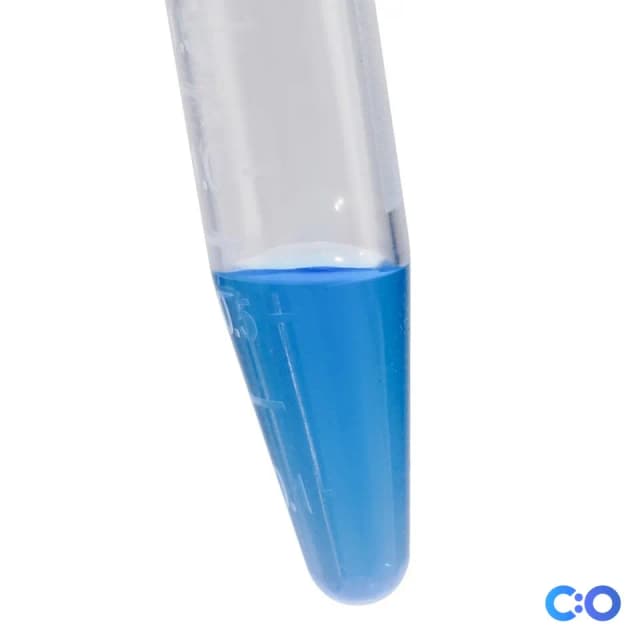
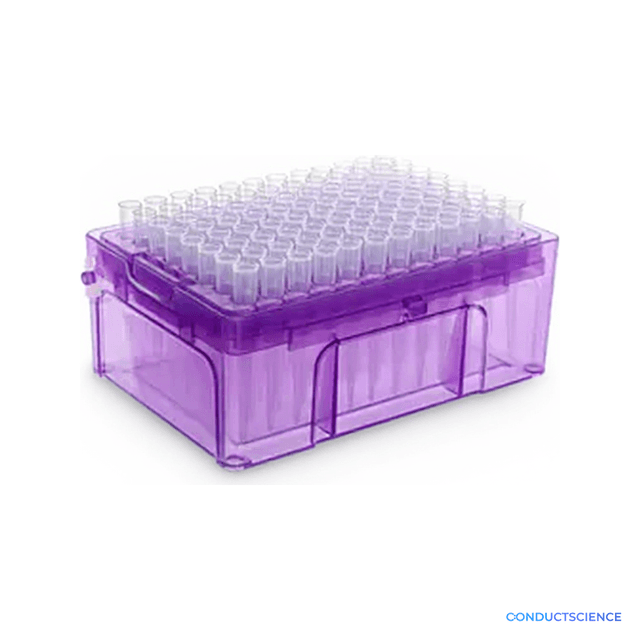
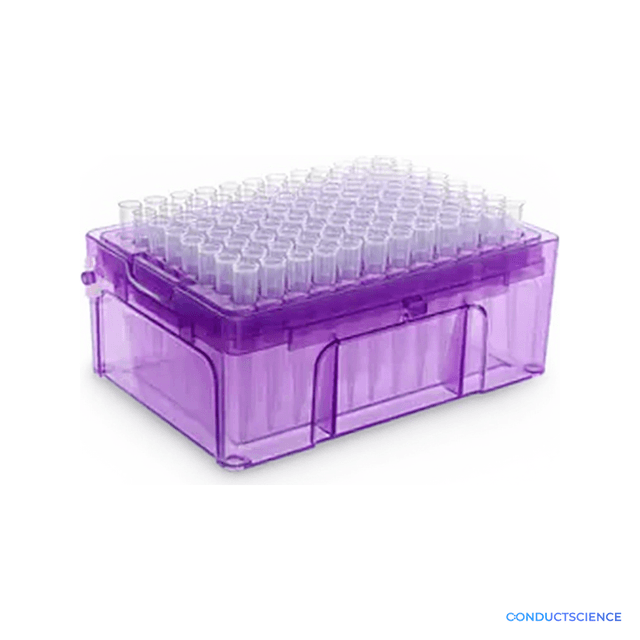
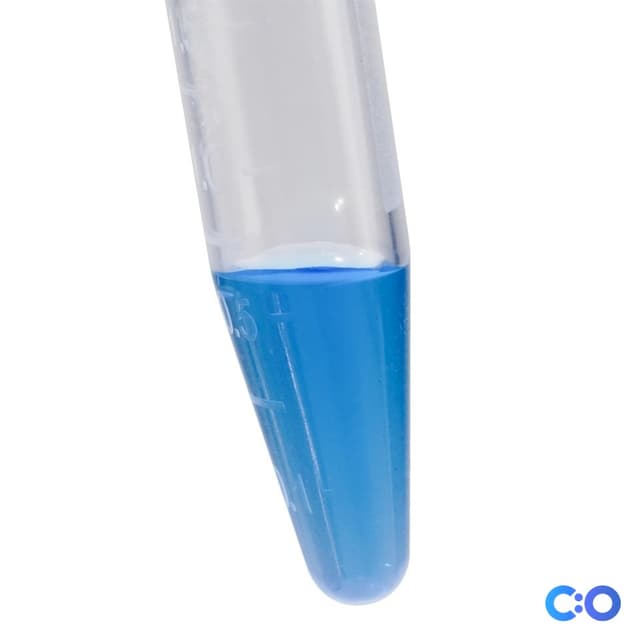
ConductScience Cryogenic Vials 2.0mL, Internal Thread, Sterile (Pack of 10)
$82.00 per unit | 10 units per pack Bulk pricing: Pack of 10 at $820.00 ($82.00 per unit)

Louise Corscadden, PhD
Director of Science · ConductScience
Ask Louise about ConductScience Cryogenic Vials 2.0mL, Internal Thread, Sterile (Pack of 10) fit, setup, configuration, or quote prep.
Already working with us? Sign in to connect this with My Scientist.
Key Specifications
Full details →- Model fit
- Configured during quote
- SKU family
- CS-CRY-2IT-500
- Shipping box
- 43.2 x 36.0 x 28.8 cm
- Ordering
- Online checkout and quote request available
- Category
- Cryogenic Supplies (Vials, Boxes, Labels)
- Build notes
- Confirm accessories, station layout, and support needs before purchase
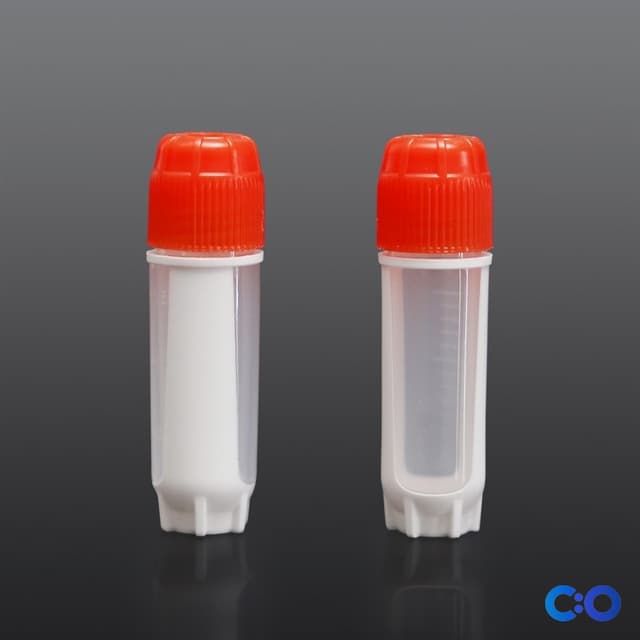
These 2.0mL cryogenic vials feature internal threading with silicone O-ring seals for secure sample storage at ultra-low temperatures. The self-standing design provides stability during handling and storage procedures, while the robust construction withstands temperatures down to -196°C for liquid nitrogen applications.
The internal thread configuration eliminates external threading exposure to cryogenic conditions, reducing the risk of seal failure during temperature cycling. The silicone O-ring provides reliable sealing performance across the full temperature range, making these vials suitable for long-term sample preservation in biobanks, cell culture repositories, and research specimen collections.
How It Works
Cryogenic vials function through specialized material construction and sealing mechanisms designed to withstand extreme temperature differentials. The vial walls maintain structural integrity during rapid cooling and warming cycles that occur during liquid nitrogen storage and retrieval.
The internal threading system places the sealing mechanism within the protected interior of the vial cap, shielding the silicone O-ring from direct exposure to cryogenic temperatures and potential ice crystal formation. This configuration maintains seal integrity during temperature cycling between ambient conditions and -196°C storage temperatures.
The self-standing base design provides mechanical stability during filling operations and prevents sample loss due to tipping during handling procedures. The 2.0mL volume accommodates standard aliquoting protocols while maintaining efficient storage density in cryogenic racking systems.
Features & Benefits
Automation Level
- manual
Research Domain
- Cancer Research
- Cell Biology
- Clinical Diagnostics
- Developmental Biology
- Microbiology
- Pharmaceutical QC
Shipping weight
- 30.92 lb
Shipping box
- L: 43.2 cm
- W: 36.0 cm
- H: 28.8 cm
| Feature | This Product | Typical Alternative | Advantage |
|---|---|---|---|
| Threading Design | Internal threading with protected O-ring seal | External threading designs expose seals to direct cryogenic conditions | Reduces seal failure risk during temperature cycling and ice crystal exposure |
| Base Design | Self-standing flat bottom | Conical or rounded bottoms require rack support | Provides stability during filling operations and prevents tipping during handling |
| Sealing System | Silicone O-ring maintains flexibility at -196°C | Basic cap designs may lack dedicated sealing elements | Ensures reliable seal integrity across full cryogenic temperature range |
| Sterility | Pre-sterilized and ready for immediate use | Many alternatives require user sterilization procedures | Eliminates sterilization steps and reduces contamination risk in sterile workflows |
These vials combine internal threading protection, self-standing stability, and pre-sterilized convenience for reliable cryogenic sample storage. The silicone O-ring sealing system maintains integrity at ultra-low temperatures while the 2.0mL capacity suits standard biobanking protocols.
Practical Tips
Pre-cool vials in a controlled rate freezer before adding temperature-sensitive samples to minimize thermal shock during the initial freezing process.
Why: Gradual temperature reduction preserves sample integrity and prevents rapid ice crystal formation that could damage cellular structures.
Inspect O-ring seals visually before each use for nicks, tears, or debris that could compromise sealing performance.
Why: Damaged seals allow moisture infiltration and sample contamination during long-term cryogenic storage.
Always wear cryogenic gloves when handling vials stored in liquid nitrogen to prevent frostbite from rapid temperature transfer.
Why: Direct contact with cryogenic containers can cause immediate tissue damage due to extreme cold transfer.
Use cryogenic-compatible permanent markers or pre-printed labels designed for ultra-low temperature applications.
Why: Standard labeling materials may become brittle and illegible at cryogenic temperatures, leading to sample identification loss.
Leave 10-20% headspace when filling vials to accommodate thermal expansion during the freezing process.
Why: Overfilled vials may crack or pop seals as liquid expands upon freezing, potentially causing sample loss.
If caps become difficult to remove after cryogenic storage, allow vials to warm slowly to room temperature before attempting to open.
Why: Thermal contraction can create additional sealing pressure that resolves as materials return to ambient temperature.
Store unused vials in original sterile packaging in a clean, dry environment to maintain sterility until use.
Why: Exposure to laboratory environment can introduce contaminants that compromise sterile applications.
Setup Guide
What’s in the Box
- 500 x 2.0mL cryogenic vials with internal threads
- 500 x caps with silicone O-ring seals
- Certificate of sterility (typical)
- Product documentation (typical)
Warranty
ConductScience provides standard manufacturer warranty coverage for material defects and performance specifications under normal laboratory use conditions. Technical support available for application guidance and troubleshooting.
Compliance
What is the maximum recommended storage time for samples in these vials at -196°C?
Storage time depends on sample type and cryoprotectant used. Properly sealed vials can maintain sample integrity for years in liquid nitrogen, though individual sample stability should be validated for specific applications.
Can these vials withstand repeated freeze-thaw cycles?
The vials are designed for multiple temperature cycles between ambient and cryogenic conditions. However, minimize freeze-thaw cycles to preserve sample quality, and inspect seals periodically for integrity.
Are these vials compatible with automated liquid handling systems?
The self-standing design and standard threading are compatible with many automated systems. Verify dimensional compatibility with your specific liquid handling platform before implementation.
What cryoprotectants are compatible with these vials?
The vials are compatible with common cryoprotectants including DMSO, glycerol, and ethylene glycol. Consult product datasheet for specific chemical compatibility information for your application.
How should vials be thawed to prevent thermal shock?
Transfer vials from liquid nitrogen to -80°C freezer, then to ice bath, and finally to room temperature. Rapid thawing in warm water baths may cause thermal shock and container failure.
Can the O-ring seals be replaced if damaged?
O-rings are integrated into the cap design and not user-replaceable. Replace the entire cap if seal integrity is compromised to maintain proper sealing performance.
What labeling methods work best at cryogenic temperatures?
Use cryogenic-rated labels with permanent adhesive and solvent-resistant inks. Standard paper labels and water-based inks may fail at ultra-low temperatures.
Have a question about this product?
Have a question? Just ask.
Send it over and we'll email you a personalized answer — no call, no scheduling.
Prefer to talk it through?
Upgrade Options
Related Products