ConductScience Lab Coat, Medium, White, Disposable (Case of 10)
$55.00 per unit | 10 units per pack Bulk pricing: Case of 10 at $550.00 ($55.00 per unit)

Louise Corscadden, PhD
Director of Science · ConductScience
Ask Louise about ConductScience Lab Coat, Medium, White, Disposable (Case of 10) fit, setup, configuration, or quote prep.
Already working with us? Sign in to connect this with My Scientist.
Key Specifications
Full details →- Model fit
- Configured during quote
- SKU family
- CS-LC-M-30
- Shipping box
- 43.2 x 36.0 x 28.8 cm
- Ordering
- Online checkout and quote request available
- Category
- Gloves & PPE
- Build notes
- Confirm accessories, station layout, and support needs before purchase
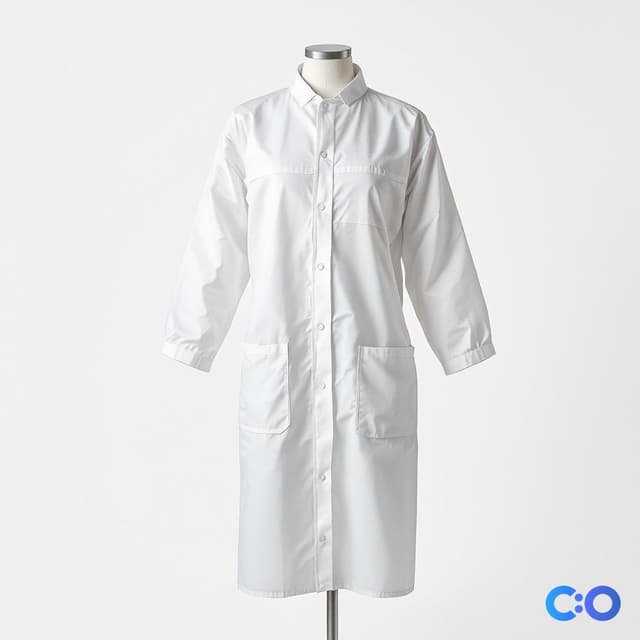
The ConductScience Lab Coat, Medium provides essential personal protective equipment for laboratory environments requiring disposable protective garments. Constructed from white polypropylene material, this single-use coat features a snap front closure system, elastic cuffs for secure fit, and one breast pocket for convenient storage of small items. The polypropylene construction offers barrier protection against light chemical splashes, particulate matter, and biological contaminants.
This disposable lab coat is designed for applications where cross-contamination prevention is critical and reusable garments are impractical. The elastic cuff design ensures proper coverage at the wrists while allowing freedom of movement during laboratory procedures. The medium size accommodates a wide range of body types while maintaining professional appearance and functionality in research settings.
How It Works
Polypropylene lab coats function as a physical barrier between the wearer and potential laboratory hazards including chemical splashes, biological materials, and particulate contamination. The non-woven polypropylene material provides liquid resistance through its hydrophobic properties while maintaining breathability for user comfort. The snap closure system allows for quick donning and doffing, critical for maintaining sterile technique in controlled environments.
The elastic cuffs create a secure seal at the wrists, preventing exposure of clothing and skin while allowing normal arm movement. The single breast pocket provides convenient storage for essential items like pens or small instruments without compromising the protective barrier. The white color enables easy visual detection of contamination, alerting users to potential exposure events.
As a disposable garment, the lab coat eliminates the cross-contamination risks associated with laundering reusable protective clothing. This single-use design is particularly important in applications involving biological agents, toxic chemicals, or when moving between different experimental areas where contamination transfer must be prevented.
Features & Benefits
Research Domain
- Analytical Chemistry
- Cell Biology
- Clinical Diagnostics
- Environmental Monitoring
- Microbiology
- Pharmaceutical QC
Shipping weight
- 30.92 lb
Shipping box
- L: 43.2 cm
- W: 36.0 cm
- H: 28.8 cm
| Feature | This Product | Typical Alternative | Advantage |
|---|---|---|---|
| Material Construction | Polypropylene with snap front and elastic cuffs | Basic polyethylene or SMS materials with tie closures | Polypropylene provides better breathability and durability compared to polyethylene while snap closures enable faster donning and doffing |
| Closure System | Snap front closure | Tie closures or adhesive strips are common in entry-level models | Snap closures provide more secure fastening and enable one-handed operation compared to tie systems |
| Cuff Design | Elastic cuffs | Open cuffs or thumb loops in basic models | Elastic cuffs provide better wrist protection and prevent sleeve migration during laboratory procedures |
| Storage Features | One breast pocket | Many disposable coats lack pockets for cost reduction | Integrated pocket allows convenient storage of essential items without separate pouches or accessories |
This polypropylene lab coat combines practical features like snap closures and elastic cuffs with convenient storage through an integrated breast pocket. The polypropylene construction provides enhanced durability and breathability compared to basic polyethylene alternatives while maintaining cost-effectiveness for disposable laboratory protection.
Practical Tips
Don the lab coat before entering the laboratory area and remove it before leaving to prevent contamination transfer between spaces.
Why: This practice maintains containment boundaries and prevents spreading laboratory materials to common areas.
Inspect the coat for tears or punctures before each use, particularly around high-stress areas like pocket edges and snap attachment points.
Why: Damaged protective equipment can allow contamination through compromised barrier protection.
Store unused lab coats in original packaging in a clean, dry environment away from direct sunlight or heat sources.
Why: UV exposure and heat can degrade polypropylene material properties and reduce protective effectiveness.
Remove the coat by grasping the inside surfaces and turning it inside-out during removal to minimize contact with the potentially contaminated exterior.
Why: This technique prevents transfer of contaminants from the coat surface to hands or clothing during doffing.
Replace the lab coat immediately if it becomes visibly contaminated with chemicals or biological materials during procedures.
Why: Continued use of contaminated protective equipment increases exposure risk and can spread contamination.
Use the breast pocket only for essential, clean items and avoid storing contaminated objects that could compromise the protective barrier.
Why: Contaminated pocket contents can create puncture risks and serve as contamination sources during subsequent procedures.
If snaps become difficult to close, check for material bunching or foreign matter and ensure proper alignment before forcing closure.
Why: Forced snap closure can damage the material or create gaps in protection that compromise barrier effectiveness.
Setup Guide
What’s in the Box
- Disposable lab coat, medium size
- Product packaging with sizing information
Warranty
ConductScience provides quality assurance for disposable products upon delivery. Defective items can be replaced through standard return procedures within reasonable timeframes.
Compliance
What level of chemical protection does polypropylene provide?
Polypropylene offers protection against light chemical splashes and aqueous solutions but has limited resistance to organic solvents and concentrated acids. Consult chemical compatibility charts for specific chemical exposures.
How should these lab coats be disposed of after use?
Disposal method depends on contamination level. For general laboratory use, dispose as regular waste. For biological or chemical contamination, follow institutional hazardous waste protocols and local regulations.
Are these coats suitable for sterile environments?
These are standard laboratory coats, not sterile garments. For sterile applications, consider pre-sterilized disposable coats or consult product specifications for bioburden levels.
What is the difference between polypropylene and other disposable coat materials?
Polypropylene provides better liquid resistance than polyethylene but less chemical resistance than Tyvek. It offers good breathability compared to vinyl while being more cost-effective than specialized barrier materials.
How do I select the correct size for laboratory personnel?
Medium size typically fits chest measurements of 38-42 inches. Measure across the chest and ensure adequate arm length coverage. Consider ordering multiple sizes for diverse personnel.
Can these coats be worn over other protective equipment?
Yes, these can be worn over regular clothing or light protective equipment. Ensure snap closures can accommodate underlying garments without compromising fit or protection.
What is the shelf life for these disposable lab coats?
Polypropylene lab coats have extended shelf life when stored in dry conditions away from UV light. Material degradation is minimal under normal storage conditions for several years.
Have a question about this product?
Have a question? Just ask.
Send it over and we'll email you a personalized answer — no call, no scheduling.
Prefer to talk it through?
Related Products