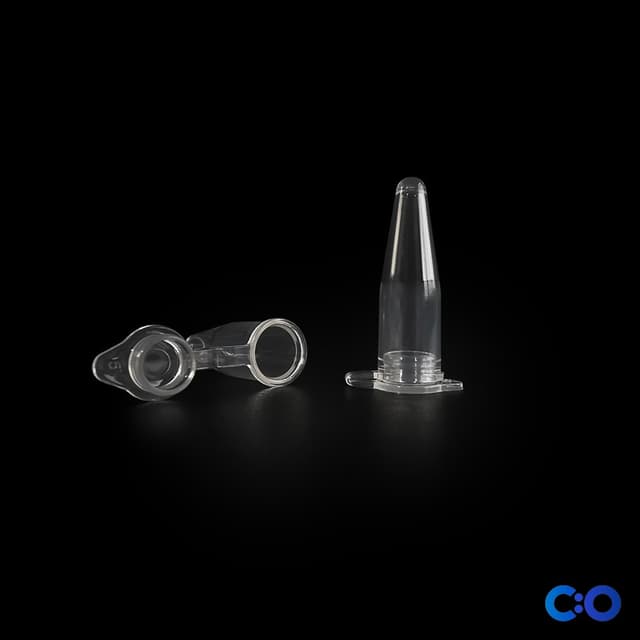
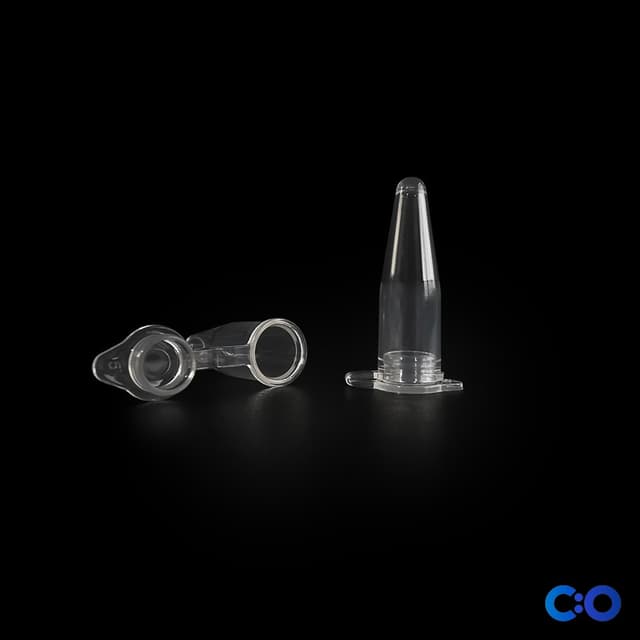
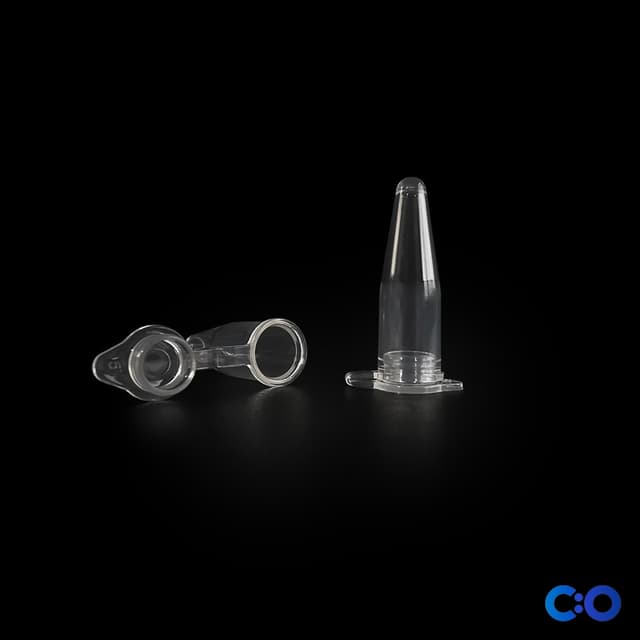
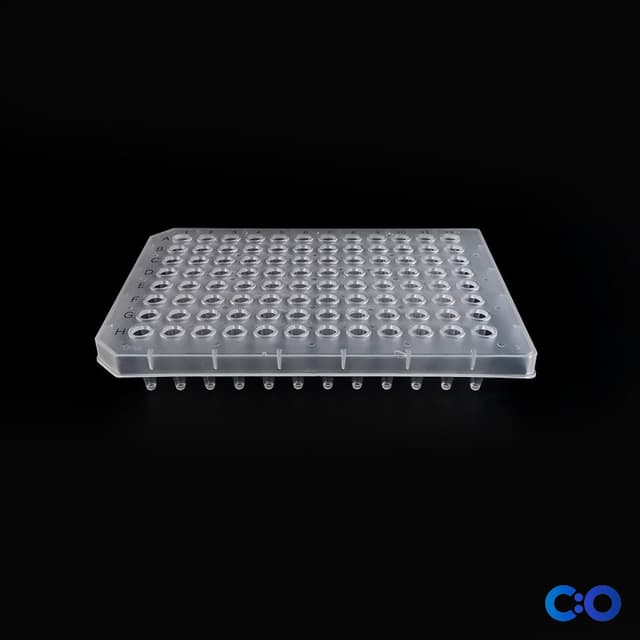
ConductScience PCR Plate Sealing Film, Aluminum Foil (Case of 10)
$72.00 per unit | 10 units per pack Bulk pricing: Case of 10 at $720.00 ($72.00 per unit)

Louise Corscadden, PhD
Director of Science · ConductScience
Ask Louise about ConductScience PCR Plate Sealing Film, Aluminum Foil (Case of 10) fit, setup, configuration, or quote prep.
Already working with us? Sign in to connect this with My Scientist.
Key Specifications
Full details →- Model fit
- Configured during quote
- SKU family
- CS-PCR-SEAL-AL100
- Shipping box
- 43.2 x 36.0 x 28.8 cm
- Ordering
- Online checkout and quote request available
- Category
- Lab Supplies
- Build notes
- Confirm accessories, station layout, and support needs before purchase
Aluminum foil sealing film designed for secure closure of PCR plates and sample storage applications. The adhesive-backed foil provides heat resistance for thermal cycling protocols while maintaining sample integrity during storage and transport. The pierceable design enables automated liquid handling systems to access samples without manual seal removal.
This sealing film addresses critical requirements in molecular biology workflows where sample containment, evaporation prevention, and cross-contamination control are essential. The aluminum construction provides superior barrier properties compared to plastic alternatives while supporting the temperature ranges required for PCR amplification.
How It Works
The sealing film utilizes a pressure-sensitive adhesive that forms a secure bond with standard microplate surfaces upon application. The aluminum foil substrate provides a vapor barrier that prevents sample evaporation during thermal cycling while withstanding temperatures typically encountered in PCR protocols.
The pierceable design allows automated pipetting systems to penetrate the seal for sample access without compromising the integrity of adjacent wells. When pierced, the foil maintains its seal around the penetration point, preventing contamination between wells during multi-sample processing.
The adhesive formulation is designed to provide strong initial adhesion while allowing clean removal without leaving residue on plate surfaces. This enables plate reuse when required and simplifies waste disposal procedures.
Features & Benefits
Research Domain
- Analytical Chemistry
- Clinical Diagnostics
- Environmental Monitoring
- Food Science
- Microbiology
- Molecular Biology
- Pharmaceutical QC
Shipping weight
- 30.92 lb
Shipping box
- L: 43.2 cm
- W: 36.0 cm
- H: 28.8 cm
| Feature | This Product | Typical Alternative | Advantage |
|---|---|---|---|
| Material Construction | Aluminum foil with pressure-sensitive adhesive | Plastic films with varying adhesive formulations | Superior heat resistance and vapor barrier properties critical for high-temperature cycling protocols |
| Automation Compatibility | Pierceable design for automated sampling | Some films require manual removal for sample access | Enables automated workflows while maintaining contamination barriers between wells |
| Heat Resistance | Heat-resistant aluminum construction | Temperature limits vary by material composition | Maintains seal integrity throughout demanding thermal cycling protocols |
| Adhesive System | Pressure-sensitive adhesive for clean removal | Adhesive strength and residue characteristics vary by model | Provides secure sealing with clean removal for plate reuse when required |
This aluminum foil sealing film combines heat resistance with automation compatibility, providing reliable sample containment for both thermal cycling and storage applications. The pierceable design supports automated workflows while the foil construction offers superior barrier properties compared to plastic alternatives.
Practical Tips
Apply firm, even pressure across the entire film surface to ensure complete adhesion and prevent air bubble formation.
Why: Incomplete adhesion can lead to evaporation losses and potential cross-contamination during protocols.
Ensure plate rims are completely clean and dry before applying sealing film.
Why: Moisture or debris can compromise adhesive bonding and create leak points during thermal cycling.
Store unused sealing film in original packaging away from heat and humidity.
Why: Environmental conditions can affect adhesive properties and reduce seal reliability.
If pierce holes appear enlarged after automated sampling, check pipette tip condition and penetration force settings.
Why: Excessive force or worn tips can create larger openings that compromise contamination barriers.
Verify seal integrity before thermal cycling by checking for uniform film contact around all wells.
Why: Poor sealing can result in evaporation-related volume changes that affect assay reproducibility.
Handle sealing film with clean technique to avoid introducing contaminants to the adhesive surface.
Why: Contaminated seals can introduce artifacts or interfering substances into sensitive molecular assays.
Setup Guide
What’s in the Box
- Aluminum foil sealing film sheets (typical)
- Protective backing material (typical)
- Product documentation (typical)
Warranty
ConductScience provides standard manufacturer warranty coverage for consumable products. Technical support available for application-specific questions and compatibility guidance.
Compliance
References
Background reading relevant to this product:
What temperature range can this sealing film withstand during PCR cycling?
The aluminum construction provides heat resistance suitable for standard PCR protocols. Consult product datasheet for specific temperature ratings and cycling limits.
How does the pierceable design work with automated liquid handlers?
The foil can be penetrated by pipette tips during automated sampling while maintaining seal integrity around the penetration point to prevent cross-contamination.
Will the adhesive leave residue on plates after removal?
The pressure-sensitive adhesive is formulated for clean removal from microplate surfaces without leaving residue when properly applied and removed.
What plate formats are compatible with this sealing film?
The film is designed for standard microplate formats including 96-well and 384-well plates commonly used in molecular biology applications.
How long can samples be stored under this seal?
Storage duration depends on sample type and storage conditions. The vapor barrier properties help maintain sample integrity during typical molecular biology workflow timelines.
Can this film be used for both PCR and storage applications?
Yes, the heat-resistant and barrier properties make it suitable for both thermal cycling protocols and sample storage requirements.
How does this compare to plastic sealing films?
Aluminum provides superior heat resistance and vapor barrier properties compared to plastic alternatives, making it more suitable for demanding thermal cycling applications.
Have a question about this product?
Have a question? Just ask.
Send it over and we'll email you a personalized answer — no call, no scheduling.
Prefer to talk it through?