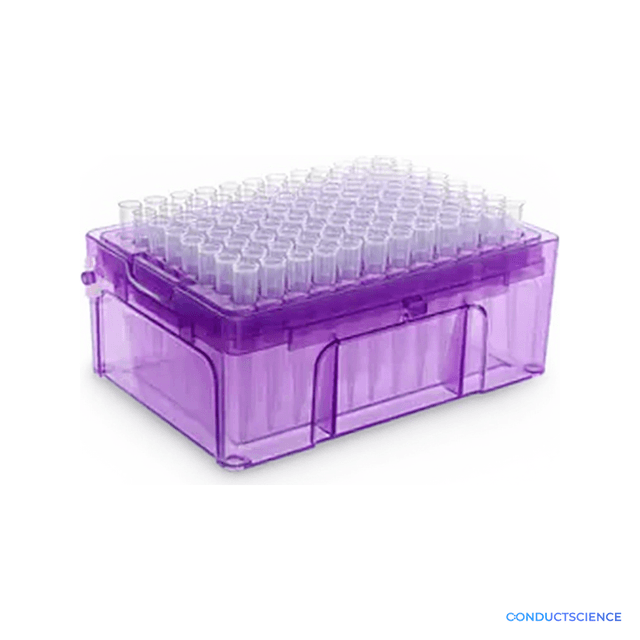
ConductScience Transfer Pipettes, 3mL, Graduated (Bulk 30-Pack)
$18.00 per unit | 30 units per pack Bulk pricing: Bulk 30-Pack at $540.00 ($18.00 per unit)

Louise Corscadden, PhD
Director of Science · ConductScience
Ask Louise about ConductScience Transfer Pipettes, 3mL, Graduated (Bulk 30-Pack) fit, setup, configuration, or quote prep.
Already working with us? Sign in to connect this with My Scientist.
Key Specifications
Full details →- Model fit
- Configured during quote
- SKU family
- CS-TP-3ML-500
- Shipping box
- 30.0 x 5.0 x 5.0 cm
- Ordering
- Online checkout and quote request available
- Category
- General Labware
- Build notes
- Confirm accessories, station layout, and support needs before purchase
ConductScience Transfer Pipettes provide precise liquid handling for routine laboratory procedures requiring graduated volume measurement. Manufactured from low-density polyethylene (LDPE), these 3mL Pasteur-style pipettes feature a flexible bulb design that allows for controlled aspiration and dispensing of aqueous solutions, biological fluids, and compatible reagents.
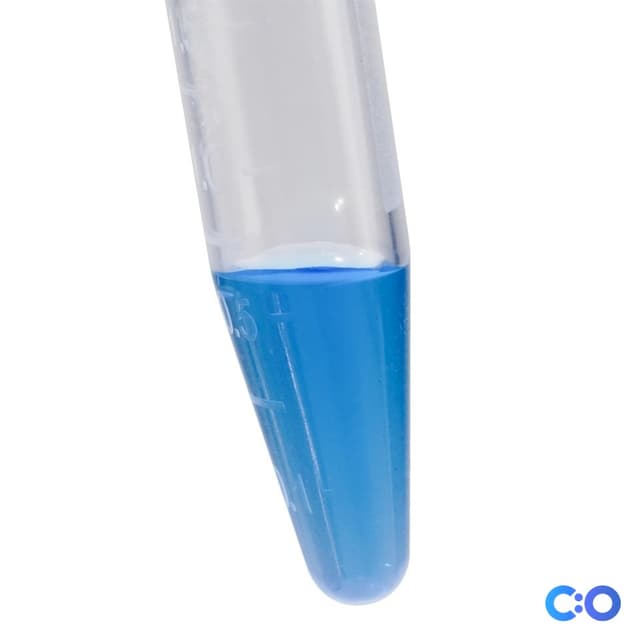
The graduated markings enable accurate volume estimation during transfer operations, making these pipettes suitable for applications ranging from sample preparation to reagent addition. The disposable design eliminates cross-contamination concerns while the LDPE construction provides chemical compatibility with most laboratory solutions. Each pipette delivers consistent performance for general laboratory workflows where precise volumetric transfer is required.
How It Works
Transfer pipettes operate on the principle of manual aspiration using a flexible bulb reservoir. Compression of the LDPE bulb expels air from the pipette stem, creating negative pressure when the bulb is released. This pressure differential draws liquid into the graduated stem through capillary action and atmospheric pressure.
Volume control is achieved through graduated markings that provide visual reference for liquid levels during aspiration. The flexible bulb allows the operator to modulate pressure application, enabling controlled dispensing through partial compression. The Pasteur-style design with its tapered tip facilitates precise positioning for targeted liquid delivery.
The LDPE material provides sufficient flexibility for repeated compression cycles while maintaining structural integrity. The disposable design ensures that each transfer operation uses a clean, uncontaminated pipette, eliminating the need for washing or sterilization between samples.
Features & Benefits
Automation Level
- manual
Research Domain
- Analytical Chemistry
- Cell Biology
- Clinical Diagnostics
- Environmental Monitoring
- Microbiology
- Pharmaceutical QC
Shipping weight
- 4.41 lb
Shipping box
- L: 30.0 cm
- W: 5.0 cm
- H: 5.0 cm
| Feature | This Product | Typical Alternative | Advantage |
|---|---|---|---|
| Volume Capacity | 3mL graduated volume capacity | Non-graduated versions lack volume markings | Enables approximate volume estimation during transfer operations without requiring separate measurement steps. |
| Material Construction | LDPE with flexible bulb design | Glass versions require careful handling | Provides break resistance and flexibility for reliable operation in busy laboratory environments. |
| Contamination Control | Disposable single-use design | Reusable pipettes require washing between samples | Eliminates cross-contamination risks and reduces workflow time by removing cleaning steps. |
| Volume Markings | Graduated scale for visual measurement | Unmarked transfer pipettes offer no volume reference | Supports procedures requiring approximate volume control without separate measuring devices. |
These graduated transfer pipettes combine the convenience of disposable LDPE construction with volume estimation capabilities, providing a practical solution for routine laboratory liquid handling where approximate measurement is sufficient.
Practical Tips
Allow liquid to settle in the graduated stem before reading volume to ensure accurate estimation.
Why: Surface tension and liquid movement can cause temporary volume fluctuations that affect reading accuracy.
Use gentle, steady pressure when dispensing to maintain control over flow rate and prevent splashing.
Why: Excessive pressure can cause rapid discharge and loss of precision in liquid placement.
Dispose of pipettes contaminated with biohazardous materials in appropriate biological waste containers.
Why: LDPE plastic requires proper disposal protocols when exposed to infectious agents or toxic substances.
Store unopened pipettes in original packaging to prevent contamination and maintain sterility where applicable.
Why: Exposure to laboratory environment can introduce contaminants that may affect sensitive applications.
For critical measurements, verify transferred volumes using analytical balance when precise amounts are required.
Why: Graduated markings provide estimates rather than precision measurements for quantitative procedures.
If liquid fails to aspirate, check for blockages in the tip or cracks in the bulb that reduce suction.
Why: Damaged pipettes cannot generate adequate negative pressure for proper liquid aspiration.
Prime pipette with sample liquid before collecting final volume to ensure chemical compatibility and remove air bubbles.
Why: Initial priming reduces air entrapment and verifies that the sample will not damage the pipette material.
Setup Guide
What’s in the Box
- 500x Transfer Pipettes, 3mL Graduated
- Product specifications sheet (typical)
- Chemical compatibility guide (typical)
Warranty
ConductScience provides quality assurance for manufacturing defects, with technical support available for product specifications and compatibility questions.
Compliance
References
Background reading relevant to this product:
What is the accuracy of volume measurement using the graduated markings?
Graduated markings provide visual estimation for approximate volume measurement. For precise volumetric work requiring high accuracy, calibrated micropipettes should be used instead.
Are these pipettes suitable for organic solvents and acids?
LDPE construction provides compatibility with aqueous solutions and mild reagents. Consult chemical compatibility charts for specific solvents and acids, as LDPE may not be suitable for all organic chemicals.
Can these pipettes be autoclaved for sterilization?
LDPE typically softens at autoclave temperatures. These are designed as disposable items to eliminate sterilization requirements and prevent cross-contamination.
What is the smallest volume that can be accurately transferred?
The graduated markings and manual control limit accurate transfer to approximately 0.5-1mL minimum volumes. For smaller volumes, micropipettes provide better precision.
How do these compare to glass Pasteur pipettes?
LDPE construction provides flexibility and break resistance compared to glass, while maintaining similar handling characteristics. Glass provides better chemical resistance but requires washing between uses.
Are these suitable for cell culture applications?
Yes, LDPE is cell culture compatible and the disposable design prevents contamination. Ensure sterile technique when handling to maintain culture integrity.
Have a question about this product?
Have a question? Just ask.
Send it over and we'll email you a personalized answer — no call, no scheduling.
Prefer to talk it through?
Accessories
Enhance your setup with compatible accessories
Frequently Bought Together