ConductVision Pain Analysis Module
Advanced pain behavior analysis add-on for ConductVision.
Automated detection of flinching, licking, guarding, von Frey responses, and grimace scale scoring. 1-year license.

Louise Corscadden, PhD
Director of Science · ConductScience
Ask Louise about ConductVision Pain Analysis Module fit, setup, configuration, or quote prep.
Already working with us? Sign in to connect this with My Scientist.
Key Specifications
Full details →- Model fit
- 2 selectable configurations
- SKU family
- CS-SW-00005
- Shipping box
- 25.0 x 20.0 x 5.0 cm
- Ordering
- Online checkout and quote request available
- Category
- ConductVision Software
- Build notes
- Confirm accessories, station layout, and support needs before purchase
ConductVision — Pain Analysis Module
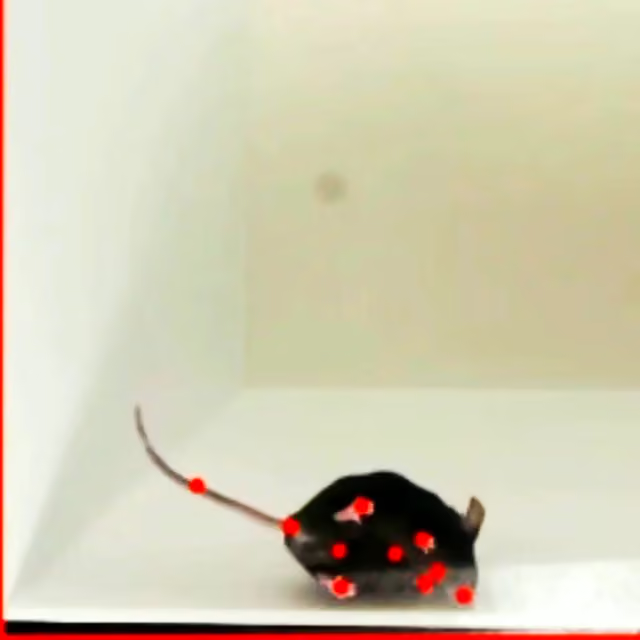
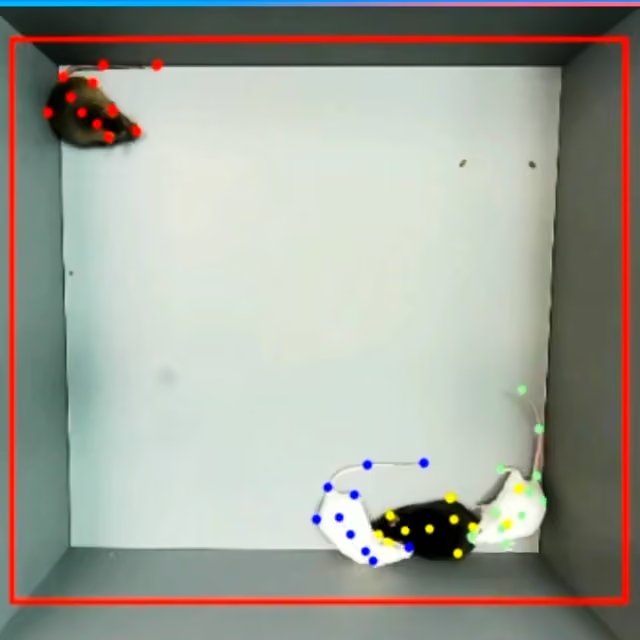
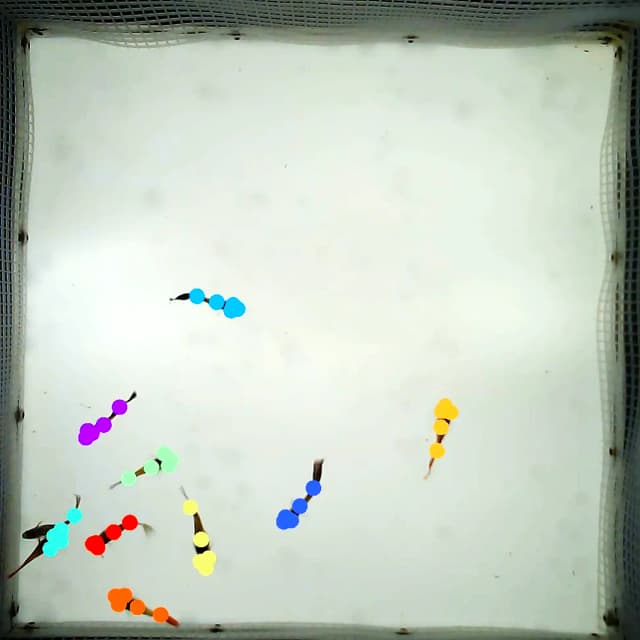
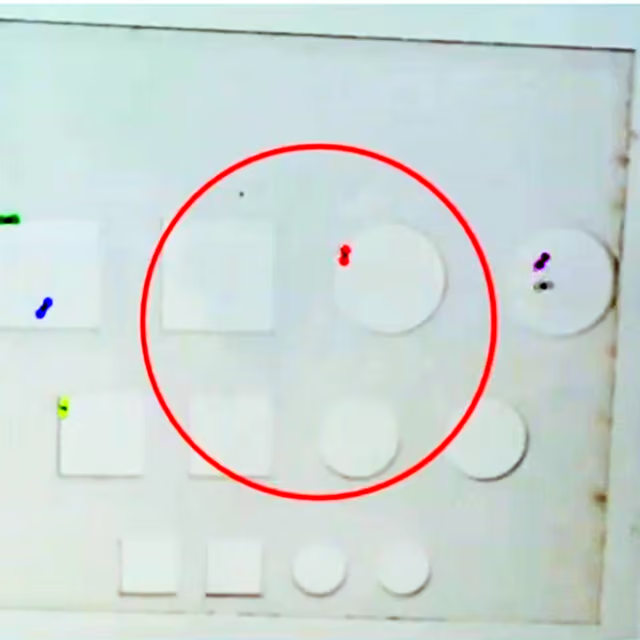
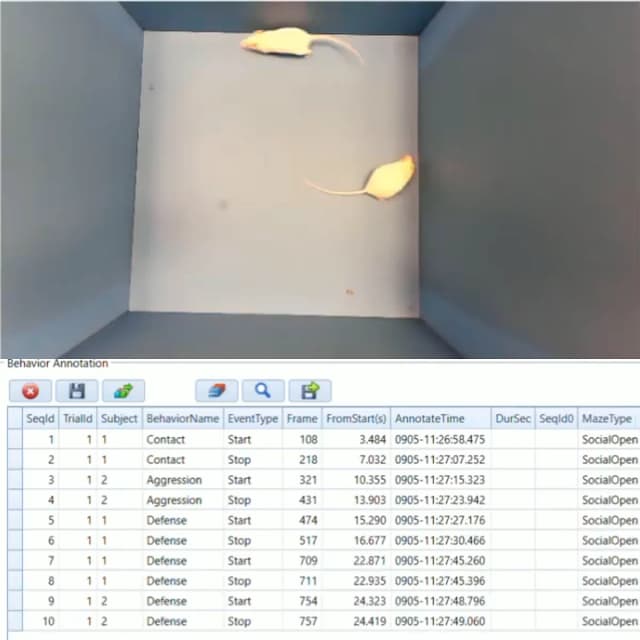
Automate pain behavior scoring with AI-driven detection. The Pain Analysis Module adds specialized paradigms for nociception research, replacing subjective manual scoring with consistent, high-throughput quantification at 30+ fps.
Included Paradigms
| Paradigm | Key Metrics |
|---|---|
| Von Frey / Mechanical Allodynia | Withdrawal threshold, withdrawal latency, response frequency, paw withdrawal force |
| Hot/Cold Plate | Latency to first response, licking bouts, jumping, paw flicks |
| Formalin Test | Phase I/II licking and flinching, inter-phase quiescence, cumulative pain score |
| Grimace Scale (Mouse/Rat) | Orbital tightening, nose/cheek bulge, ear position, whisker change — automated AU scoring |
| Writhing Test | Writhe count, latency to first writhe, writhing frequency over time |
| Tail Flick | Tail flick latency, response magnitude |
| Hargreaves (Plantar Test) | Paw withdrawal latency, thermal sensitivity threshold |
Highlights
- Automated grimace scoring — AI scores facial action units consistently across hundreds of frames
- Eliminates observer bias — objective, reproducible pain quantification
- Batch processing — score entire cohorts overnight
- 30+ fps — captures fast withdrawal reflexes that manual observation misses
What’s Included
- All pain behavior paradigms listed above
- 1-year software license
- Free updates during license period
- 24/7 online support
How It Works
Features & Benefits
Shipping weight
- 0.22 lb
Shipping box
- L: 25.0 cm
- W: 20.0 cm
- H: 5.0 cm
Quick Specification Notes
- ConductVision add-on module for pain-related behavioral analysis workflows described on the product page.
- Intended for video-visible nociceptive, facial-expression, and treatment-comparison studies handled inside ConductVision.
- Available with the license terms shown on the product page.
| Feature | This Product | Typical Alternative | Advantage |
|---|---|---|---|
| Pain-Assay Fit | Built around pain-related behavioral outputs inside ConductVision | General trackers may require more manual interpretation for nociception studies | |
| Facial and Body Event Workflow | Supports both visible event scoring and facial-expression-oriented review paths | Many workflows split these tasks across different review methods | |
| Shared ConductVision Platform | Fits labs already using ConductVision for other behavioral endpoints | Separate pain-analysis tools can fragment SOPs and exports |
The Pain Analysis Module is positioned for labs that need a more organized, video-centered workflow for pain-related behavior scoring than manual observation alone can provide.
| Model | SKU | Listed price | Status | Shipping box |
|---|---|---|---|---|
| 5 Year | CS-SW-00005 | $2,000.00 | Available | 25.0 x 20.0 x 5.0 cm |
| 1 Year | CS-SW-00005 | $500.00 | Available | 25.0 x 20.0 x 5.0 cm |
Practical Tips
Record with clear visibility of the body region or face most relevant to the pain assay.
Why: Pain-related behaviors are hard to score consistently if the critical anatomy is obscured.
Separate baseline and post-stimulus epochs clearly in the file naming and export workflow.
Why: Pain studies often depend on comparing time-locked responses across phases of the experiment.
Validate one representative pain session against manual review before processing the full cohort.
Why: Different pain models emphasize different visible behaviors and response windows.
Use one preset per assay type instead of one generic pain template.
Why: Thermal, mechanical, facial, and inflammatory assays usually need different review logic.
Setup Guide
What’s in the Box
- ConductVision Pain Analysis Module license
- Pain-focused workflow presets inside ConductVision
- Active-term software updates
- ConductScience remote support
Warranty
Support and updates follow the active ConductVision license term selected for the module. ConductScience remote assistance remains available during the covered period.
Compliance
References
Background reading relevant to this product:
Is this module meant to replace every pain assay workflow?
No. It is best viewed as a ConductVision add-on for pain-related behavioral outputs that are visible and scorable from video.
What matters most when recording a grimace-style or withdrawal-style assay?
The critical anatomy must remain clearly visible and the recording should be synchronized with the assay timing.
Can I use one preset for every pain model?
That is not ideal. Thermal, mechanical, inflammatory, and facial-expression workflows usually need separate review logic.
Why keep the raw video if I already exported the metrics?
Pain studies often benefit from retrospective adjudication, especially when group differences are subtle or unexpected.
Have a question about this product?
Have a question? Just ask.
Send it over and we'll email you a personalized answer — no call, no scheduling.
Prefer to talk it through?