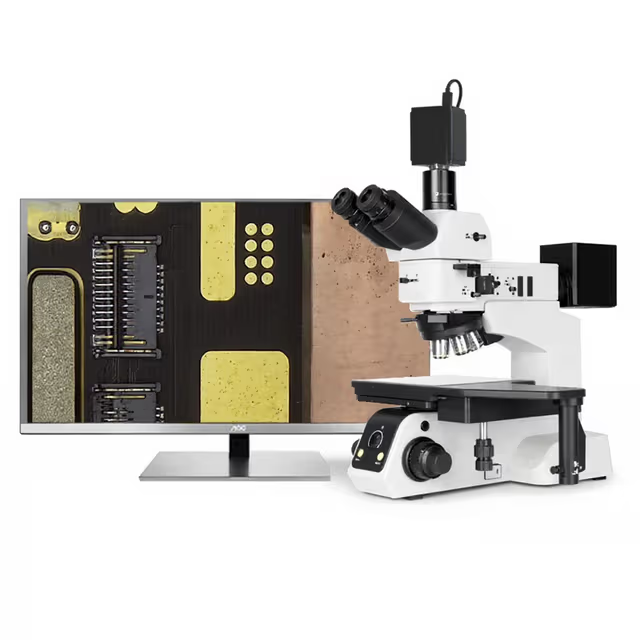
Digital Microscope BXTV Series
Trinocular compound microscope with integrated CCD camera, achromatic objectives (4X-100X), and mechanical stage for research and educational microscopy applications.

Louise Corscadden, PhD
Director of Science · ConductScience
Ask Louise about Digital Microscope BXTV Series fit, setup, configuration, or quote prep.
Already working with us? Sign in to connect this with My Scientist.
Key Specifications
Full details →- Model fit
- Configured during quote
- SKU family
- BIO-0515
- Shipping box
- 44.0 x 33.0 x 28.0 cm
- Ordering
- Online checkout and quote request available
- Category
- Microscopy
- Build notes
- Confirm accessories, station layout, and support needs before purchase
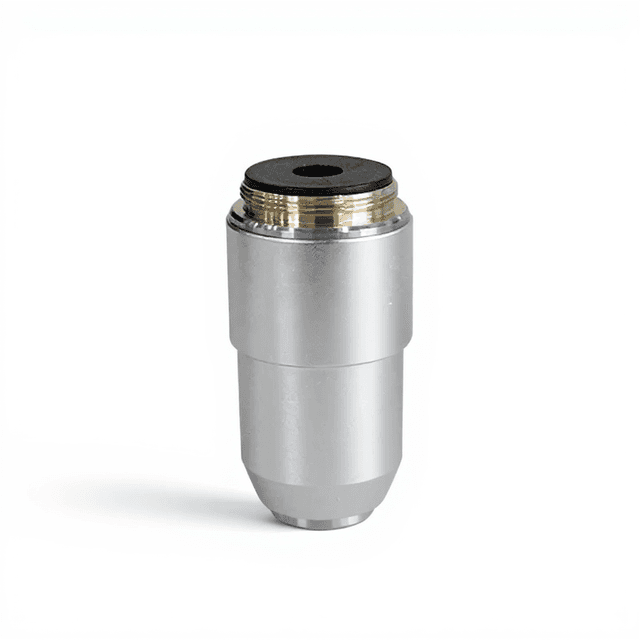
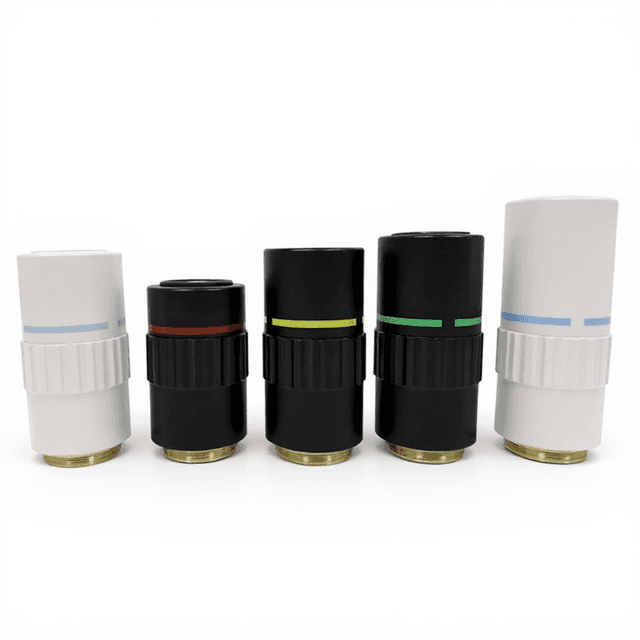
The Digital Microscope BXTV Series is a translating trinocular compound microscope designed for laboratory research and educational applications requiring high-resolution optical imaging. This system features achromatic objective lenses (4X, 10X, 40X, 100X) with an Abbe condenser (NA 1.25) for enhanced contrast and resolution, delivering clear magnified images across a wide range of specimens.
The microscope incorporates a domestic CCD camera system integrated with the trinocular head, enabling both direct observation through WF10X eyepieces and digital capture for documentation and analysis. The double-layer mechanical stage (135×140mm) provides precise specimen positioning, while the built-in 3W LED illumination ensures consistent, adjustable lighting for various sample types and imaging conditions.
How It Works
The BXTV Series operates on the principle of transmitted light bright-field microscopy, where illumination passes through the specimen and is collected by objective lenses to form magnified images. The built-in LED illumination system provides controlled, uniform lighting that passes through the specimen and is focused by the Abbe condenser (NA 1.25) to optimize contrast and resolution.
Light collected by the achromatic objective lenses is directed through the translating trinocular head, which splits the optical path between the eyepieces for direct observation and the integrated CCD camera for digital capture. The four-aperture nosepiece allows rapid switching between magnification levels (4X, 10X, 40X, 100X) while maintaining optical alignment.
The double-layer mechanical stage provides precise X-Y positioning control, enabling systematic scanning of specimens and accurate targeting of regions of interest. The variable aperture and filter system in the condenser assembly allows optimization of illumination conditions for different specimen types and imaging requirements.
Features & Benefits
Automation Level
- manual
BXTV-1
- BXTV-1A
BXTV-1B
- BXM-1B
Observation Head
- Translating trinocular head 45° tilt
√
- √
Camera
- Domestic CCD
Nosepiece
- Multi-roller four-aperture objective lens converter
Eyepiece
- WF10X/18mm
Objective Lens
- Achromatic 4X, 10X, 40X(S), 100X(S, O)
Stage
- Double-layer mechanical stage, platform size: 135*140mm
Condenser
- Abbe NA1.25 condenser with variable aperture and filter, rack and pinion adjustable mechanism
Illumination
- Built-in lighting 3W LED lamp
Package
- Foam carton
Packing Size
- 330*280*440mm; 220*280*130mm
Brand
- ConductScience
Research Domain
- Cell Biology
- Clinical Diagnostics
- Developmental Biology
- Histopathology
- Materials Science
- Microbiology
Power/Voltage
- DC 12V
Shipping weight
- 6.0 lb
Shipping box
- L: 44.0 cm
- W: 33.0 cm
- H: 28.0 cm
| Feature | This Product | Typical Alternative | Advantage |
|---|---|---|---|
| Objective Magnification Range | 4X, 10X, 40X, 100X achromatic objectives | Entry-level systems often provide 4X, 10X, 40X only | Complete magnification set including oil immersion 100X enables full-scale microscopic examination from overview to cellular detail |
| Numerical Aperture | Abbe condenser NA 1.25 | Basic condensers typically offer NA 0.9-1.1 | Higher numerical aperture improves resolution and contrast for detailed cellular and microbiological imaging |
| Stage Size | Double-layer mechanical stage 135×140mm | Standard stages often measure 110×120mm or smaller | Larger working area accommodates oversized slides and enables more extensive specimen scanning without repositioning |
| Digital Integration | Integrated domestic CCD camera in trinocular head | Many systems require separate camera attachment | Built-in imaging eliminates compatibility concerns and provides immediate documentation capabilities |
| Illumination System | Built-in 3W LED with variable intensity | Halogen or external LED systems common in this class | Integrated LED provides consistent illumination with longer life and minimal heat generation compared to halogen sources |
| Head Configuration | Translating trinocular head at 45° tilt | Binocular heads or fixed trinocular arrangements | Translating design allows optimal light distribution between visual observation and camera capture while maintaining ergonomic viewing angle |
The BXTV Series combines comprehensive optical capabilities with integrated digital imaging in a single system. Key strengths include the complete 4X-100X objective set with high-NA condenser, large mechanical stage for versatile specimen handling, and built-in CCD camera for immediate documentation without additional hardware requirements.
Practical Tips
Center and focus the condenser each time you change objectives to maintain optimal illumination alignment.
Why: Proper condenser alignment is critical for achieving maximum resolution and contrast at each magnification level.
Clean objective lenses with lens tissue and appropriate cleaning solution after each use, particularly the 100X oil immersion objective.
Why: Oil residue and debris accumulation can significantly degrade image quality and damage lens coatings over time.
Always start observations at lowest magnification (4X) and work up to higher powers to locate and center specimens efficiently.
Why: This systematic approach prevents missing target areas and reduces time spent searching at high magnification where field of view is limited.
Adjust LED intensity and condenser aperture for each specimen type to optimize contrast without overexposing the CCD camera.
Why: Proper illumination balance prevents saturation in digital images while maintaining detail visibility across the specimen.
If images appear blurry at high magnification, verify that immersion oil completely fills the gap between 100X objective and slide.
Why: Air gaps in oil immersion setups cause spherical aberration and significant resolution loss at maximum magnification.
Allow LED illumination to cool before moving the microscope and ensure power connections are secure during setup.
Why: Hot components and loose electrical connections can cause equipment damage or safety hazards during transport.
Use the mechanical stage controls rather than moving slides by hand to prevent damage to specimens and maintain precise positioning.
Why: Mechanical positioning provides finer control and prevents accidental slide movement that can disrupt observations or damage preparations.
Setup Guide
What’s in the Box
- Digital microscope main unit
- WF10X/18mm eyepieces (2)
- Achromatic objective lenses (4X, 10X, 40X, 100X)
- Integrated CCD camera
- DC 12V power adapter
- User manual and documentation
- Dust cover (typical)
- Immersion oil (typical)
Warranty
ConductScience provides standard one-year manufacturer warranty covering defects in materials and workmanship, with technical support for installation and operational guidance.
Compliance
What is the maximum useful magnification with the 100X objective?
With the 100X objective and WF10X eyepieces, total magnification reaches 1000X, suitable for oil immersion microscopy of cellular details and microorganisms.
Can the CCD camera capture images simultaneously with eyepiece observation?
Yes, the translating trinocular head splits the optical path, allowing simultaneous visual observation through eyepieces and digital capture via the integrated CCD camera.
What specimens work best with the Abbe condenser NA 1.25?
The high numerical aperture condenser is optimized for high-resolution applications including stained tissue sections, bacterial cultures, and other specimens requiring maximum contrast and detail resolution.
How precise is the mechanical stage positioning?
The double-layer mechanical stage provides fine positioning control across the 135×140mm platform, suitable for systematic specimen scanning and precise targeting of microscopic features.
What imaging software compatibility should I expect?
The domestic CCD camera typically interfaces with standard microscopy imaging software, though specific compatibility should be verified with your preferred analysis platform.
Can I use phase contrast or DIC with this system?
The system is configured for bright-field microscopy; advanced contrast techniques would require additional optical components not included in the standard configuration.
What maintenance is required for the LED illumination?
The 3W LED system requires minimal maintenance compared to halogen lamps, with long operational life and stable intensity output over time.
How does this compare to inverted microscope configurations?
This upright configuration is optimized for prepared slides and fixed specimens, while inverted systems are preferred for live cell culture observation.
Have a question about this product?
Have a question? Just ask.
Send it over and we'll email you a personalized answer — no call, no scheduling.
Prefer to talk it through?
Accessories
Enhance your setup with compatible accessories
Replacement Parts & Consumables
Frequently Bought Together
Related Products