1 / 2
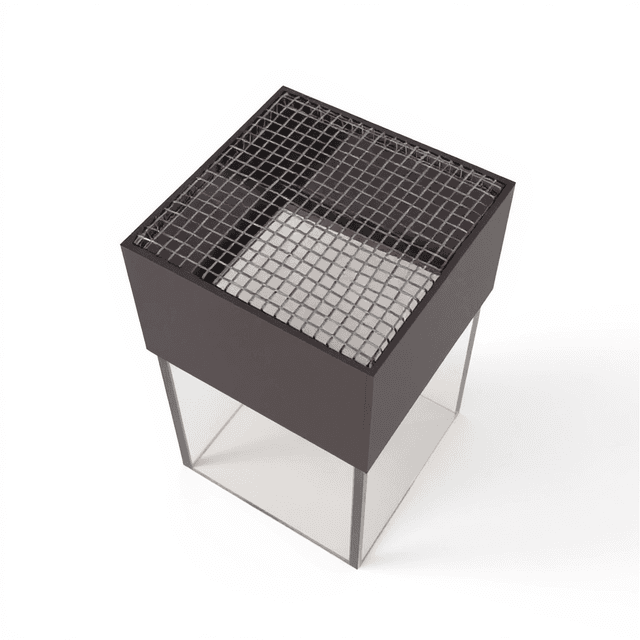
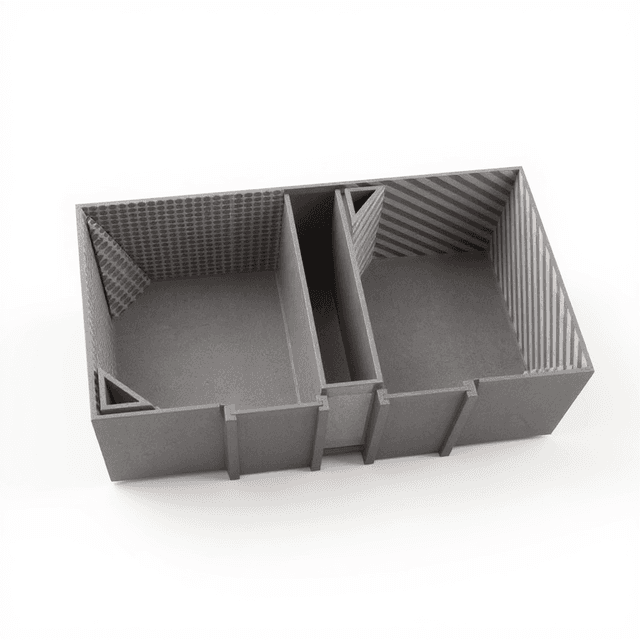
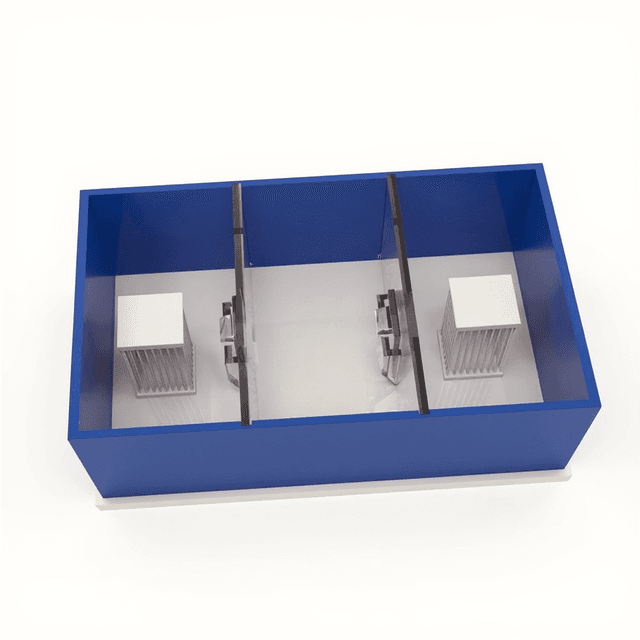
The Electro-Foot Shock Aversive Water Drinking Test (EFSDT) Box
SKU CS-958210
$3,499.99
IncludesStandard care
Behavioral apparatus for studying approach-avoidance conflict through aversive conditioning of water consumption in laboratory animals.
Scientist guidance

Louise Corscadden, PhD
Director of Science · ConductScience
Ask Louise about The Electro-Foot Shock Aversive Water Drinking Test (EFSDT) Box fit, setup, configuration, or quote prep.
Already working with us? Sign in to connect this with My Scientist.
Key Specifications
Full details →- Model fit
- Mouse, Rat
- SKU family
- CS-958210
- Shipping box
- 65.0 x 36.0 x 27.0 cm
- Ordering
- Online checkout and quote request available
- Category
- Behavioral Mazes
- Build notes
- Confirm accessories, station layout, and support needs before purchase
The Electro-Foot Shock Aversive Water Drinking Test (EFSDT) Box is a specialized behavioral apparatus designed for studying conflict behavior and anxiety responses in laboratory animals. The system combines water access with controlled aversive stimuli to create approach-avoidance conflict paradigms, allowing researchers to investigate the motivational systems underlying drinking behavior under stress conditions.
This apparatus enables precise manipulation of environmental contingencies while monitoring drinking patterns, making it valuable for assessing the anxiolytic effects of pharmacological interventions and understanding the neural mechanisms of conflict resolution. The system provides quantifiable measures of behavioral adaptation to aversive stimuli in the context of essential biological drives.
How It Works
The EFSDT operates on the principle of approach-avoidance conflict, where animals must choose between satisfying thirst and avoiding aversive stimulation. The system delivers controlled electrical stimuli through the floor grid when animals approach or contact the water source, creating a measurable conflict between biological drive and avoidance motivation.
Behavioral responses are quantified through latency to approach, drinking duration, number of approaches, and suppression ratios. The conflict paradigm allows dissociation of motor effects from anxiolytic effects, as true anxiolytics reduce conflict behavior without affecting overall motor function or thirst drive.
Features & Benefits
Controlled aversive stimulation
Enables precise manipulation of conflict intensity for dose-response studies and individual titration.
Water access monitoring
Provides quantitative measures of drinking behavior including latency, duration, and frequency parameters.
Approach-avoidance paradigm
Separates anxiety-related effects from general motor or motivational changes in behavioral analysis.
Programmable stimulus delivery
Allows investigation of different conditioning schedules and contingency relationships.
Behavioral suppression measurement
Generates suppression ratios for objective comparison of anxiolytic drug efficacy.
Conflict resolution assessment
Measures individual differences in stress coping strategies and behavioral adaptation mechanisms.
Shipping weight
- 6.06 lb
Shipping box
- L: 65.0 cm
- W: 36.0 cm
- H: 27.0 cm
| Feature | This Product | Typical Alternative | Advantage |
|---|---|---|---|
| Conflict Paradigm Type | Approach-avoidance water conflict | Some systems use food conflict or exploration-based paradigms | Water motivation provides strong, consistent drive while allowing precise temporal control of conflict episodes. |
| Stimulus Control | Programmable electrical stimulation | Fixed intensity or manual control systems | Enables dose-response studies and individual titration for consistent behavioral suppression levels. |
| Behavioral Measurement | Multiple drinking parameters with timing precision | Basic approach counts or duration only | Comprehensive behavioral analysis allows discrimination between anxiety and motor effects. |
| Protocol Flexibility | Configurable conditioning schedules | Limited to specific paradigm variations | Supports investigation of different learning mechanisms and individual adaptation strategies. |
The system provides controlled conflict paradigms with programmable stimulation and comprehensive behavioral measurement capabilities. The water-based approach offers consistent motivation while enabling precise experimental control over conflict conditions.
Behavioral Pharmacology
Evaluating anxiolytic drug efficacy by measuring drinking suppression recovery following treatment administration in conflict paradigms.
Anxiety and Depression
Quantifying anxiety-related behaviors through approach-avoidance conflict measurements in water-restricted animals.
Learning and Memory
Investigating associative learning mechanisms by examining how animals adapt drinking patterns to predictable aversive contingencies.
Neuroscience
Mapping neural circuits involved in conflict resolution by recording from animals performing approach-avoidance tasks.
Addiction Research
Modeling compulsive behaviors by studying drinking persistence despite aversive consequences in animal models.
Pain Research
Assessing pain sensitivity and analgesic efficacy through changes in conflict behavior under noxious stimulation.
Practical Tips
Calibration
Establish individual shock thresholds for each animal to achieve consistent suppression levels across subjects.
Why: Individual sensitivity differences can confound group comparisons without proper titration.
Maintenance
Clean water delivery components daily and inspect electrical contacts for corrosion or debris buildup.
Why: Contamination can affect stimulus delivery consistency and behavioral measurements.
Best Practices
Maintain consistent water restriction protocols and timing across all subjects throughout the study.
Why: Motivation level changes significantly affect conflict behavior and can introduce variability.
Troubleshooting
Monitor for complete drinking suppression which may indicate excessive shock intensity or equipment malfunction.
Why: Total suppression eliminates the conflict component and reduces behavioral sensitivity to interventions.
Data Quality
Record baseline drinking patterns for several sessions before introducing conflict conditions.
Why: Individual differences in baseline behavior are essential for calculating meaningful suppression ratios.
Safety
Verify that electrical stimulation levels remain within institutional safety guidelines and IACUC approval parameters.
Why: Excessive stimulation can cause tissue damage and compromise animal welfare standards.
Setup Guide
Unpack and Inspect
Remove apparatus components and verify all electrical connections and grid integrity before assembly.
Position Water Delivery
Install water bottle or sipper tube at designated location ensuring proper contact with detection circuit.
Calibrate Shock Parameters
Set shock intensity, duration, and delivery schedule according to experimental protocol using control interface.
Test Detection System
Verify that animal contact with water source triggers appropriate recording and stimulus delivery responses.
Water Restriction Protocol
Implement pre-training water restriction schedule to establish appropriate motivation levels before testing.
Baseline Training
Allow animals to establish normal drinking patterns in apparatus without aversive stimuli for baseline measurements.
Conflict Introduction
Gradually introduce aversive stimuli paired with water access to establish stable conflict behavior.
What’s in the Box
- EFSDT test chamber (typical)
- Electrical stimulation control unit (typical)
- Water delivery system (typical)
- Detection sensors (typical)
- Control software (typical)
- User manual and protocols (typical)
- Calibration tools (typical)
Warranty
ConductScience provides a standard one-year manufacturer warranty covering hardware components and technical support for setup and operation.
Compliance
IACUC GuidelinesCommonly used in studies subject to institutional animal care and use committee oversight for aversive conditioning protocols.
NIH Guidelines for Care and Use of Laboratory AnimalsSupports behavioral studies conducted under federal guidelines for research animal welfare and experimental design.
Q
What shock parameters are typically effective for establishing conflict behavior?
A
Consult product datasheet for recommended current levels and timing parameters. Generally, threshold levels sufficient to suppress but not completely eliminate drinking behavior are optimal for conflict studies.
Q
How long should water restriction be maintained before testing?
A
Typical protocols involve 22-24 hour water restriction to establish 80-85% free-feeding body weight, though specific requirements vary by species and experimental design.
Q
Can the system accommodate different water delivery methods?
A
Consult product specifications for compatible water delivery options including sipper tubes, bottles, and automated dispensers.
Q
What behavioral measures are most sensitive to anxiolytic effects?
A
Suppression ratio and latency to first approach typically show greatest sensitivity to anxiolytic interventions while maintaining selectivity over motor effects.
Q
How does this compare to elevated plus maze for anxiety assessment?
A
EFSDT provides conflict-based anxiety measurement with motivational control, while elevated plus maze relies on innate exploration tendencies without explicit reinforcement contingencies.
Q
What data acquisition capabilities are included?
A
Consult product datasheet for specific recording parameters, sampling rates, and data export formats available with the system.
Have a question about this product?
Track rodents with ConductVision
ConductVision is our video-tracking software. Record your sessions on video, and it scores standard rodent tests, such as those listed below.
Examples of tests it scores
To check whether ConductVision scores your protocol in this apparatus, ask in your quote request.
Ask a question
Have a question? Just ask.
Send it over and we'll email you a personalized answer — no call, no scheduling.
Personalized email reply
Usually within one business day
Helpful answers published here
Prefer to talk it through?


The Electro-Foot Shock Aversive Water Drinking Test (EFSDT) Box
$3,499.99
Added to quoteView Quote