Elevated T-Maze
Three-arm elevated apparatus for inhibitory-avoidance and one-way-escape research, with a published rat design and a separate legacy mouse reference.

Louise Corscadden, PhD
Director of Science · ConductScience
Ask Louise about Elevated T-Maze fit, setup, configuration, or quote prep.
Already working with us? Sign in to connect this with My Scientist.
Key Specifications
Full details →- Model fit
- Configured during quote
- SKU family
- Assigned during quote
- Sizing
- Model-specific dimensions confirmed from the selected configuration
- Ordering
- Quote-reviewed before fulfillment
- Category
- Behavioral Mazes
- Build notes
- Acrylic apparatus with support stand
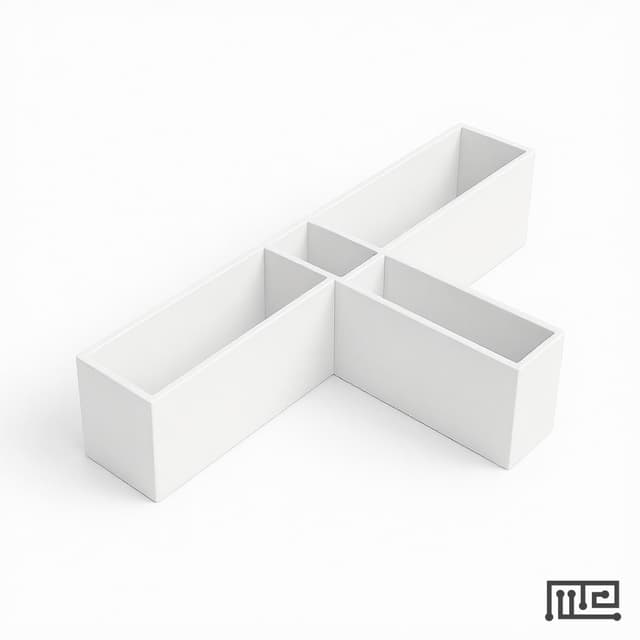
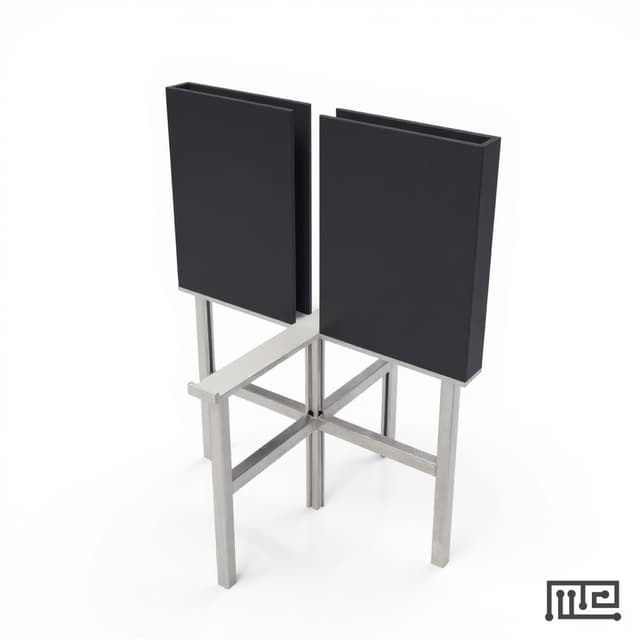
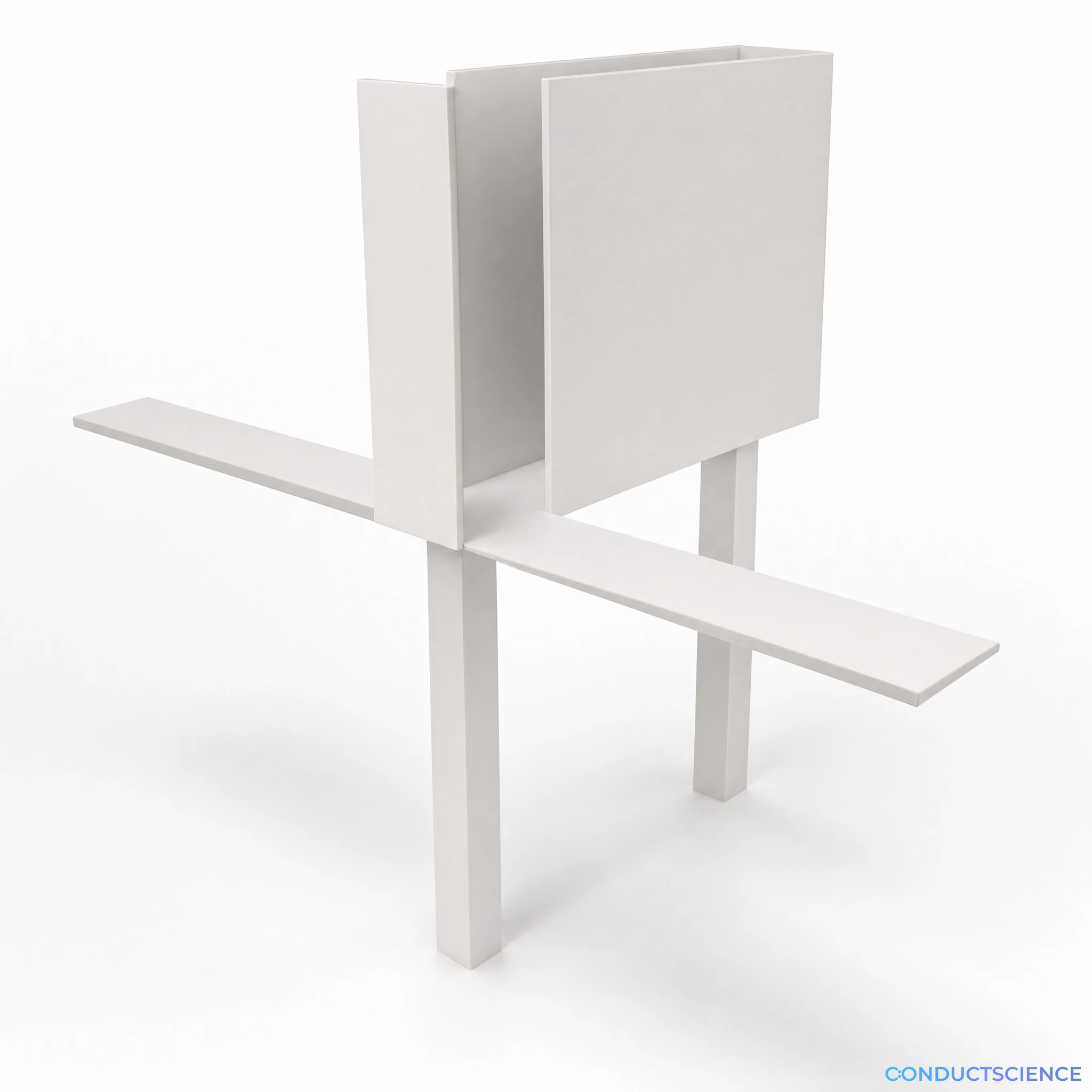
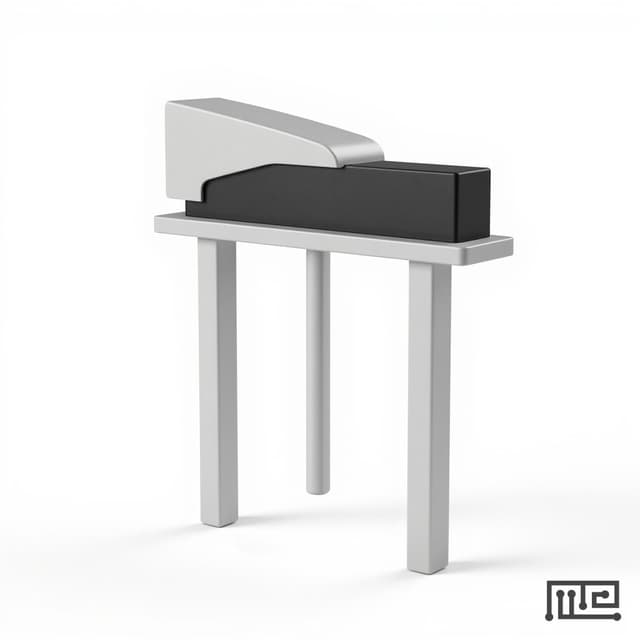
The Elevated T-Maze separates two responses in one apparatus: leaving the enclosed arm during inhibitory-avoidance trials and leaving an open arm during one-way-escape trials. One enclosed start arm meets two opposing open arms at a T-shaped junction.
Choose the protocol-specific size
The published rat apparatus uses 50 cm arms, a 10 cm runway, 40 cm enclosed-arm walls, and 50 cm elevation. The smaller mouse dimensions are an owned legacy commercial reference, not dimensions reported in the cited rat paper. The final drawing resolves runway width, safety-edge treatment, support geometry, materials, and room fit before fabrication.
Plan the full behavioral workflow
Use consistent lighting and distal room cues, define placement orientation before testing, and pair maze measures with a locomotor control when the study needs to separate escape or avoidance changes from general activity.
Features & Benefits
Evidence boundary
- Published rat design; legacy mouse commercial reference
Geometry
- One enclosed arm perpendicular to two open arms
Published rat arms
- 50 cm long × 10 cm wide
Published enclosed-wall height
- 40 cm
Published elevation
- 50 cm
Legacy mouse reference
- 34 cm arms × 8 cm wide; 27 cm walls; 34 cm elevation
Legacy rat commercial width
- 12 cm; reconcile with the 10 cm published runway
Construction
- Acrylic apparatus with support stand
Commercial configuration
- Final dimensions and safety edges confirmed during quote review
Practical Tips
Keep illumination and distal cues consistent across sessions.
Why: The apparatus is open and elevated, so room context can influence exploration.
Approve the stand and safety-edge treatment before fabrication.
Why: The open arms require a protocol-appropriate fall-risk plan.
Setup Guide
What’s in the Box
- Elevated T-shaped apparatus in the approved species configuration
- Support and safety components itemized in the approved quote
- Final component schedule matched to the fabrication drawing
Warranty
Fabrication support, replacement options, and warranty terms are confirmed with the final drawing and quote.
References
Background reading relevant to this product:
How is this different from a standard T Maze?
The Elevated T-Maze has two open arms and one enclosed arm on a raised stand. A standard T Maze normally encloses all runways and is used for spatial-choice tasks.
Are mouse and rat sizes available?
The cited paper defines the rat apparatus. A smaller owned legacy mouse configuration can be reviewed, but its dimensions require independent drawing approval before fabrication.
Does it include tracking equipment?
The open overhead geometry supports video tracking. Camera, mounting, and analysis options are configured separately.
Which measures are commonly recorded?
Common outputs include enclosed-arm exit latency, open-arm escape latency, arm entries, and locomotor-control measures.
Have a question about this product?
Have a question? Just ask.
Send it over and we'll email you a personalized answer — no call, no scheduling.
Prefer to talk it through?
Upgrade Options