Hummingbird Cubic Maze
A three-dimensional behavioral testing maze for assessing spatial learning, memory, and motor function in laboratory rodents.

Louise Corscadden, PhD
Director of Science · ConductScience
Ask Louise about Hummingbird Cubic Maze fit, setup, configuration, or quote prep.
Already working with us? Sign in to connect this with My Scientist.
Key Specifications
Full details →- Model fit
- Mouse, Rat
- SKU family
- CS-958180
- Shipping box
- 65.0 x 36.0 x 27.0 cm
- Ordering
- Online checkout and quote request available
- Category
- Behavioral Mazes
- Build notes
- Confirm accessories, station layout, and support needs before purchase
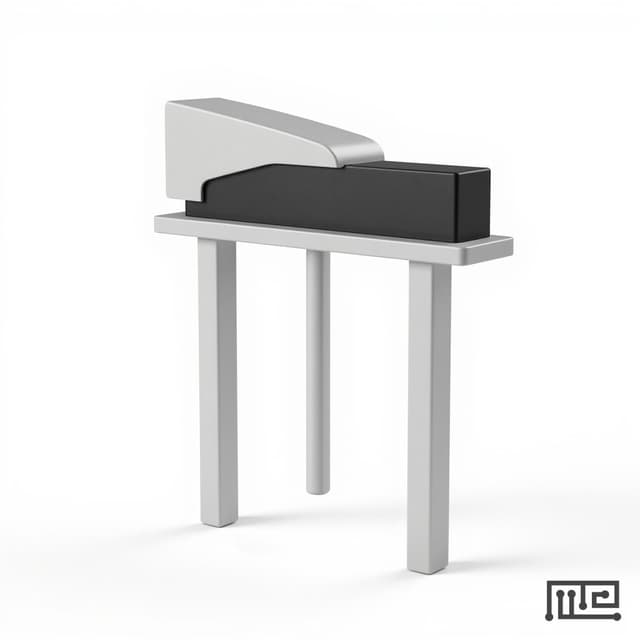
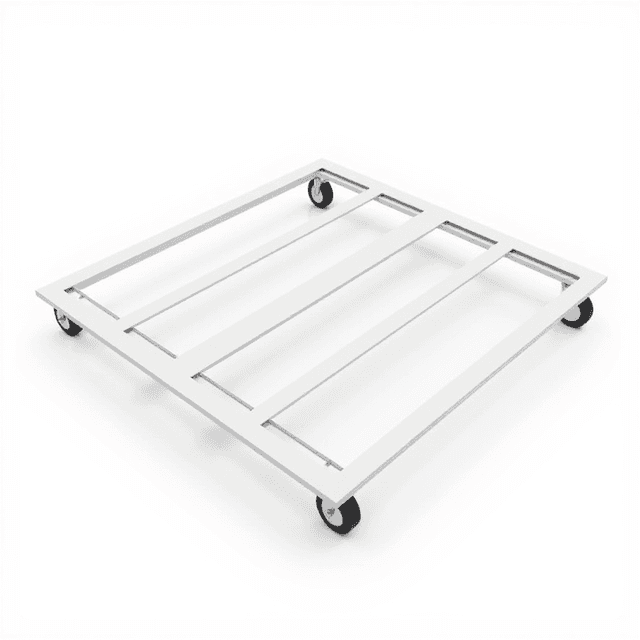
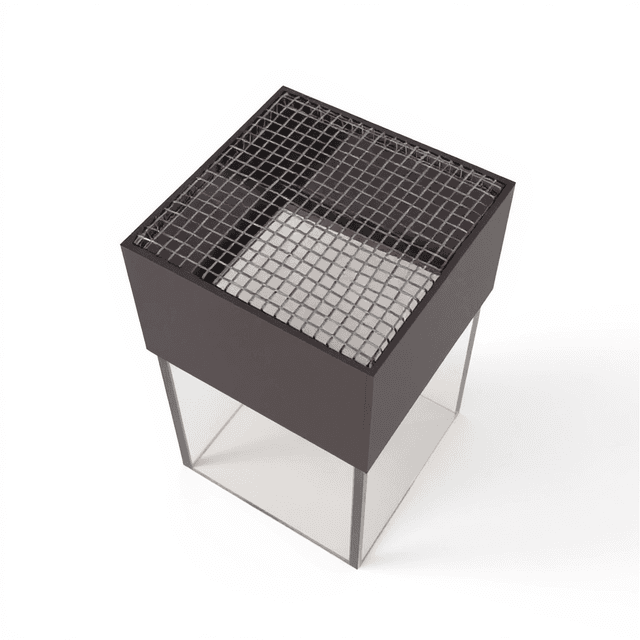
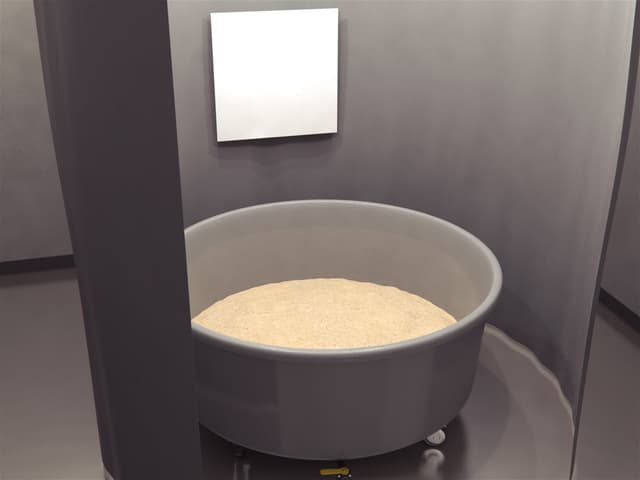
The Hummingbird Cubic Maze is a specialized behavioral testing apparatus designed for assessing spatial learning, memory, and motor function in laboratory rodents. This three-dimensional maze system provides researchers with a controlled environment for evaluating complex spatial navigation behaviors, cognitive flexibility, and motor coordination in experimental animals.
The cubic design offers multiple pathways and decision points, enabling researchers to conduct sophisticated studies of spatial working memory, reference memory, and exploratory behavior. The apparatus is particularly valuable for investigations into neurological disorders, cognitive decline, and the effects of pharmacological interventions on spatial cognition and motor function.
How It Works
The Hummingbird Cubic Maze operates on the principle of spatial navigation assessment through controlled choice-point decision making. The three-dimensional structure presents subjects with multiple pathways and decision points, requiring animals to utilize spatial memory, visual cues, and motor coordination to navigate successfully through the maze environment.
During testing, subjects must integrate spatial information from multiple sensory modalities to form cognitive maps of the maze structure. The cubic design allows for complex route planning and provides multiple opportunities to assess working memory (trial-specific information) versus reference memory (consistent spatial relationships). Performance metrics include path efficiency, decision latencies, error patterns, and movement velocity, which collectively provide insights into spatial cognitive function.
The apparatus enables researchers to manipulate task difficulty through variable start and goal locations, removable barriers, and environmental cue modifications. This flexibility allows for progressive training protocols and the assessment of cognitive flexibility when spatial contingencies are altered during testing sessions.
Features & Benefits
Behavioral Construct
- Spatial Learning
- Working Memory
- Reference Memory
- Motor Coordination
- Exploratory Behavior
- Cognitive Flexibility
Automation Level
- manual
Research Domain
- Anxiety and Depression
- Behavioral Pharmacology
- Learning and Memory
- Motor Function
- Neurodegeneration
- Neuroscience
Species
- Mouse
- Rat
Compatible Tracking Software
- ConductVision
Shipping weight
- 6.06 lb
Shipping box
- L: 65.0 cm
- W: 36.0 cm
- H: 27.0 cm
| Feature | This Product | Typical Alternative | Advantage |
|---|---|---|---|
| Maze Complexity | Three-dimensional cubic structure with multiple pathway options | Two-dimensional designs with limited route choices | Provides more sophisticated spatial navigation challenges that better approximate natural three-dimensional environments |
| Configuration Flexibility | Modular construction allowing barrier manipulation | Fixed maze structures with limited modification options | Enables researchers to adjust task difficulty and assess cognitive flexibility within the same apparatus |
| Observation Access | Multiple viewing angles for behavioral observation | Limited viewing perspectives in enclosed designs | Facilitates comprehensive behavioral analysis and video recording from different vantage points |
| Memory Assessment Types | Supports both working memory and reference memory paradigms | Many mazes focus on single memory type assessment | Allows comprehensive evaluation of different memory systems within one testing session |
The Hummingbird Cubic Maze provides enhanced spatial navigation assessment capabilities through its three-dimensional design and modular construction. The apparatus offers greater experimental flexibility and more complex behavioral challenges compared to traditional maze designs.
Practical Tips
Establish baseline performance metrics for your specific strain and age group before beginning experimental manipulations.
Why: Individual strain differences can significantly affect spatial navigation performance and learning rates
Inspect all connections and structural integrity before each testing session, particularly after cleaning.
Why: Loose connections or structural instability can affect animal behavior and compromise data quality
Maintain consistent environmental conditions including lighting, temperature, and background noise levels across all testing sessions.
Why: Environmental variations can influence exploratory behavior and spatial navigation performance
Include probe trials with altered spatial contingencies to distinguish between spatial and non-spatial learning strategies.
Why: Animals may use non-spatial cues like odor trails or procedural learning rather than true spatial memory
If subjects show reluctance to enter the maze, extend habituation periods and consider reducing initial task complexity.
Why: Neophobic responses can interfere with spatial learning assessment and lead to incomplete behavioral data
Randomize start locations and goal positions across trials to prevent development of simple motor response patterns.
Why: Fixed starting positions may lead to procedural learning rather than flexible spatial navigation
Ensure all edges and surfaces are smooth to prevent injury during active exploration and navigation behaviors.
Why: Sharp edges or rough surfaces can cause injury and create stress that interferes with normal behavior
Setup Guide
What’s in the Box
- Cubic maze structural components (typical)
- Assembly hardware and connectors (typical)
- Assembly instructions and user manual (typical)
- Cleaning and maintenance guidelines (typical)
Warranty
ConductScience provides a standard one-year manufacturer warranty covering defects in materials and workmanship, with technical support available for setup and troubleshooting assistance.
Compliance
References
Background reading relevant to this product:
What species and age ranges are appropriate for testing in this maze?
The maze is designed primarily for adult mice and rats, with dimensions that accommodate natural locomotor behavior. Consult product specifications for exact dimensional constraints that may affect use with different strains or developmental stages.
How should I establish training protocols for spatial memory assessment?
Begin with habituation sessions allowing free exploration, then implement acquisition trials with consistent start and goal locations. Include probe trials with goal location changes to assess spatial versus non-spatial strategies.
What behavioral parameters should I measure during testing?
Key metrics include path length, latency to goal, number of errors or wrong turns, movement velocity, and time spent in different maze regions. Video tracking systems can automate many of these measurements.
How do I prevent olfactory cue contamination between subjects?
Clean all surfaces thoroughly with appropriate disinfectant between subjects, allow adequate drying time, and consider using different scented bedding materials to mask any residual odors.
Can this maze be modified for different experimental paradigms?
The modular design allows for barrier removal or addition to alter pathway complexity, and environmental cues can be repositioned to create different spatial configurations for various experimental needs.
What lighting conditions are recommended for testing?
Maintain consistent, moderate illumination throughout the testing area to ensure adequate visibility for spatial cue discrimination while avoiding stress from overly bright conditions.
How does this compare to traditional two-dimensional maze designs?
The cubic three-dimensional structure provides more complex spatial challenges and better mimics natural navigation environments, potentially offering greater sensitivity to subtle cognitive deficits.
Have a question about this product?
Have a question? Just ask.
Send it over and we'll email you a personalized answer — no call, no scheduling.
Prefer to talk it through?
Accessories
Enhance your setup with compatible accessories

Frequently Bought Together