Lever Pull
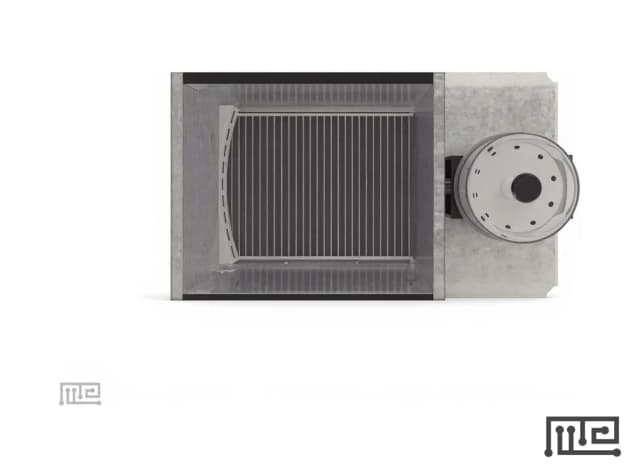
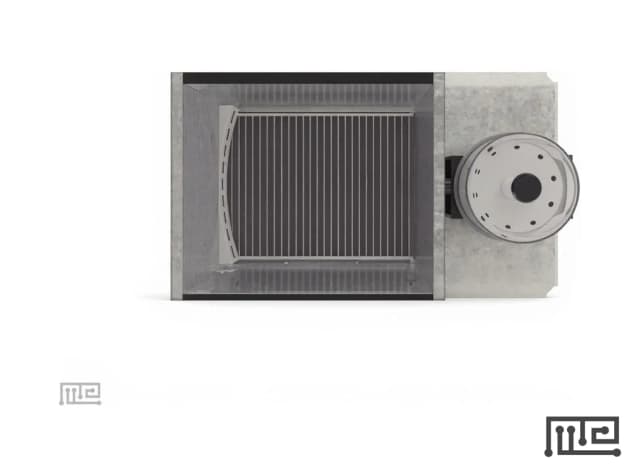
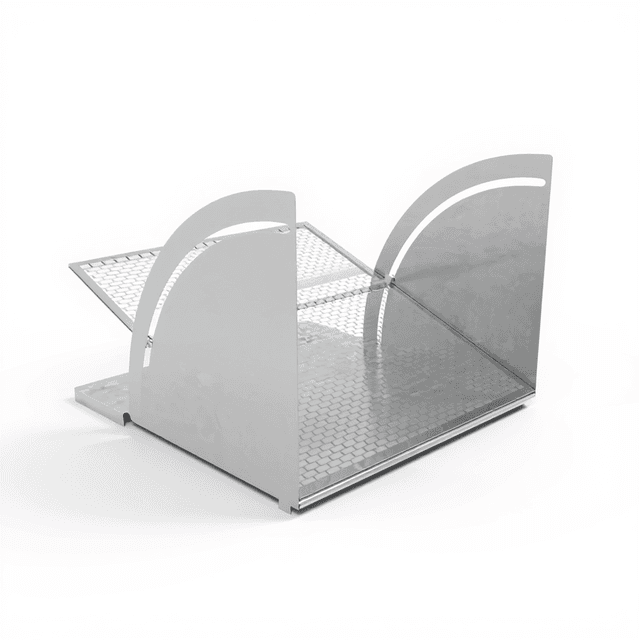
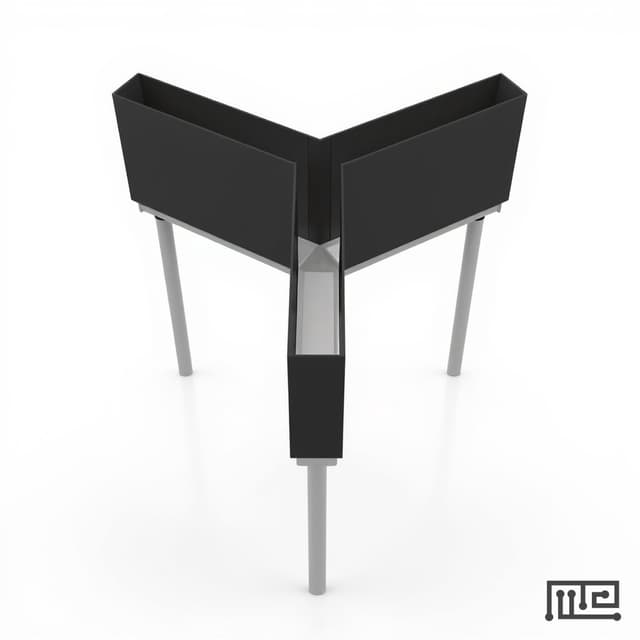
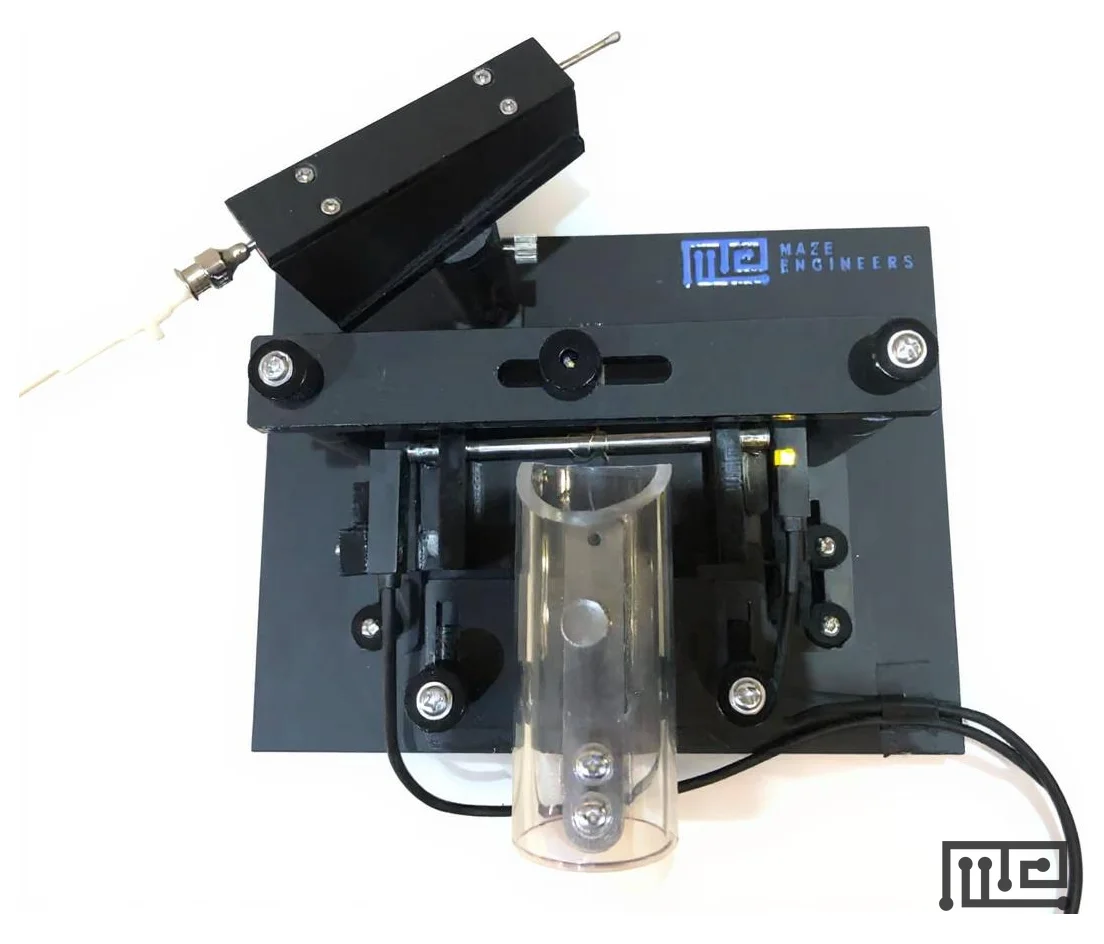
The Lever Pull apparatus is a behavioral neuroscience research tool designed to investigate motor function, learning mechanisms, and reward-seeking behaviors through controlled lever manipulation tasks.
This precision system enables quantitative assessment of pull-force dynamics and motor coordination in laboratory animals.

Louise Corscadden, PhD
Director of Science · ConductScience
Ask Louise about Lever Pull fit, setup, configuration, or quote prep.
Already working with us? Sign in to connect this with My Scientist.
Key Specifications
Full details →- Model fit
- Configured during quote
- SKU family
- Assigned during quote
- Sizing
- Model-specific dimensions confirmed from the selected configuration
- Ordering
- Online checkout and quote request available
- Category
- Behavioral Mazes
- Build notes
- Confirm accessories, station layout, and support needs before purchase
Overview
The Lever Pull apparatus represents a fundamental tool in behavioral neuroscience for investigating motor function, learning mechanisms, and reward-seeking behaviors in laboratory animals. This precision-engineered device enables researchers to study pull-force dynamics, motor coordination, and the neural circuits underlying goal-directed behaviors through quantifiable lever manipulation tasks.
Key Features
Designed for rigorous scientific applications, the Lever Pull system provides controlled environmental conditions for studying voluntary motor responses. The apparatus facilitates investigation of force generation patterns, temporal dynamics of pull behaviors, and adaptive motor learning processes that are critical for understanding neurological conditions affecting motor control.
Applications
This versatile research platform supports multiple experimental paradigms including motor skill acquisition studies, strength assessment protocols, and behavioral pharmacology investigations. Researchers utilize the system to examine how various neural interventions, genetic modifications, or pharmacological treatments affect pull-force generation and motor coordination capabilities.
Species Compatibility
The Lever Pull apparatus accommodates various laboratory species commonly used in neuroscience research, enabling comparative studies across different animal models. This flexibility allows researchers to select the most appropriate species for their specific experimental questions while maintaining consistent methodology across studies.
Features & Benefits
What types of motor behaviors can be studied with the Lever Pull apparatus?
The system enables investigation of pull-force generation, motor coordination patterns, strength assessment, and motor learning dynamics across various experimental paradigms.
How does this apparatus support behavioral pharmacology research?
The controlled environment and quantitative measurements allow researchers to assess how pharmacological interventions affect motor performance, coordination, and behavioral responses.
Can the system accommodate different experimental protocols?
Yes, the apparatus is designed with flexibility to support various research paradigms, from basic motor function assessment to complex learning and memory studies.
What makes this system suitable for comparative studies?
The multi-species compatibility allows researchers to conduct consistent methodology across different animal models, enabling comparative analysis of motor function and behavior.
How does the apparatus ensure reliable data collection?
The precision-engineered lever mechanism and controlled task environment minimize external variables, providing consistent and repeatable measurements across experimental sessions.
What research questions can be addressed using pull-force measurements?
Researchers can investigate motor skill acquisition, strength capabilities, coordination patterns, and the effects of neural interventions on voluntary motor responses.
Have a question about this product?
Have a question? Just ask.
Send it over and we'll email you a personalized answer — no call, no scheduling.
Prefer to talk it through?
Frequently Bought Together