Marmoset Light Dark Box
Behavioral testing apparatus for evaluating anxiety-related behaviors and locomotor activity in marmoset primates using the light-dark preference paradigm.

Louise Corscadden, PhD
Director of Science · ConductScience
Ask Louise about Marmoset Light Dark Box fit, setup, configuration, or quote prep.
Already working with us? Sign in to connect this with My Scientist.
Key Specifications
Full details →- Model fit
- Non-human Primate
- SKU family
- CS-958177
- Shipping box
- 65.0 x 36.0 x 27.0 cm
- Ordering
- Online checkout and quote request available
- Category
- Behavioral Mazes
- Build notes
- Confirm accessories, station layout, and support needs before purchase
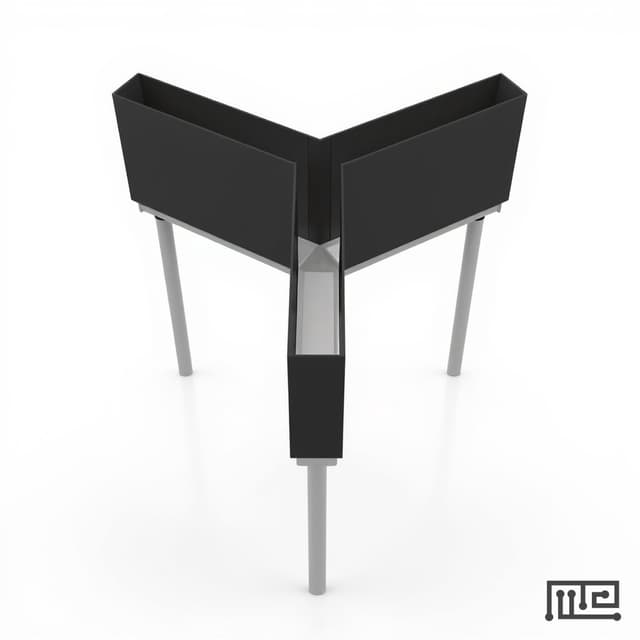
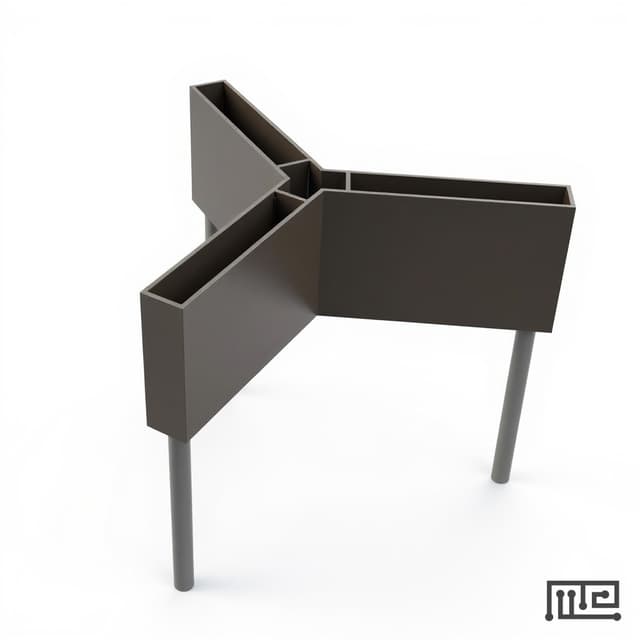
The Marmoset Light Dark Box is a specialized behavioral testing apparatus designed for evaluating anxiety-related behaviors and locomotor activity in marmoset primates. This apparatus employs the established light-dark preference paradigm, where animals naturally exhibit differential exploration patterns between illuminated and darkened compartments.
The system provides researchers with a standardized platform for assessing anxiolytic and anxiogenic effects of pharmacological compounds, environmental manipulations, or genetic modifications in non-human primate models. The apparatus enables quantitative measurement of compartment preference, transition frequency, and temporal patterns of exploration behavior.
How It Works
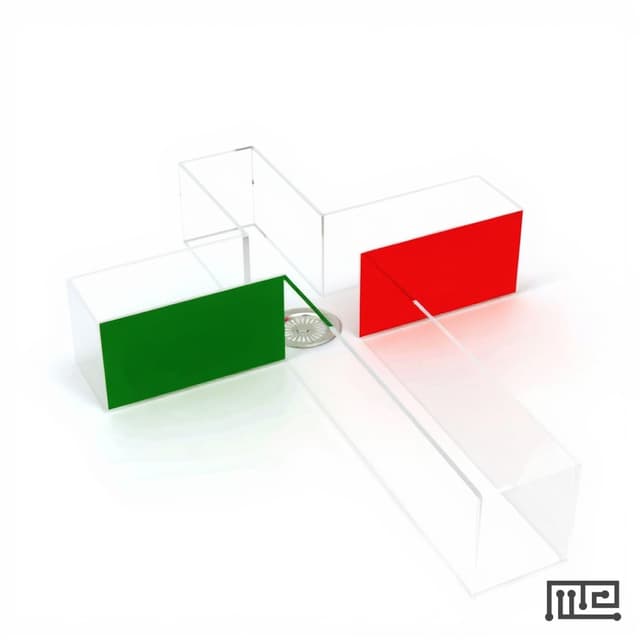
The light-dark box paradigm exploits the natural conflict between rodent and primate exploratory drive and aversion to brightly illuminated open spaces. The apparatus consists of two distinct compartments: a brightly illuminated chamber and a darkened chamber connected by an opening that allows free movement between spaces.
During testing, subjects are typically introduced to one compartment and allowed to explore freely for a predetermined period. Behavioral measures include time spent in each compartment, number of transitions between compartments, latency to first transition, and specific behaviors exhibited in each environment. These metrics provide quantitative assessment of anxiety-like states, with increased time in the dark compartment and reduced transitions generally indicating heightened anxiety.
The paradigm's validity stems from the consistent finding that anxiolytic compounds increase light compartment exploration while anxiogenic treatments reduce it, making this a reliable translational model for anxiety research.
Features & Benefits
Behavioral Construct
- anxiety
- exploratory behavior
- approach-avoidance conflict
- locomotor activity
Automation Level
- manual
Research Domain
- Addiction Research
- Aging Research
- Anxiety and Depression
- Behavioral Pharmacology
- Neuroscience
- Social Behavior
Species
- Non-human Primate
Compatible Tracking Software
- ConductVision
Shipping weight
- 6.06 lb
Shipping box
- L: 65.0 cm
- W: 36.0 cm
- H: 27.0 cm
| Feature | This Product | Typical Alternative | Advantage |
|---|---|---|---|
| Species-Specific Design | Purpose-built for marmoset proportions and behavior | Many facilities use modified rodent chambers | Ensures appropriate spatial relationships for valid behavioral assessment in non-human primates. |
| Compartment Configuration | Distinct light-dark chambers with controlled transition access | Some systems use gradient lighting or open field designs | Provides clear environmental choice paradigm essential for anxiety-related behavior quantification. |
| Construction Materials | Durable materials suitable for primate research environments | Entry-level models may use lighter construction | Withstands repeated use and thorough cleaning protocols required in primate facilities. |
| Modular Design | Components can be separated for thorough cleaning | Fixed designs limit cleaning access | Enables complete decontamination between subjects to prevent behavioral artifacts from residual odors. |
This apparatus provides a specialized solution for anxiety-related behavioral assessment in marmoset research, with species-appropriate design features and construction quality suited for primate research facility requirements. The standardized light-dark paradigm offers established pharmacological validity for translational research applications.
Practical Tips
Verify light intensity measurements in both compartments before each experimental session using a calibrated photometer.
Why: Consistent lighting conditions are critical for reproducible anxiety-related behavioral responses.
Inspect all joints and connections monthly for wear or loosening that could create noise during subject movement.
Why: Unexpected sounds can introduce confounding variables that affect anxiety-sensitive behavioral measures.
Habituate marmosets to the testing room environment for 30 minutes before behavioral assessment.
Why: Novel environments can mask treatment effects by inducing generalized stress responses independent of the experimental manipulation.
Record behavioral sessions from multiple camera angles to ensure accurate scoring of compartment transitions.
Why: Precise transition detection is essential for quantifying key anxiety-related behavioral measures.
If subjects show strong side preferences, rotate the apparatus 180 degrees between sessions.
Why: Eliminates potential bias from uncontrolled environmental cues that might influence compartment choice.
Ensure all electrical components for lighting are properly grounded and protected from potential primate contact.
Why: Primate subjects can be more investigative than rodents and may pose electrical safety risks if components are accessible.
Document ambient room conditions including temperature, humidity, and background noise levels for each session.
Why: Environmental variables can significantly influence anxiety-related behaviors and should be controlled for data interpretation.
Setup Guide
What’s in the Box
- Light-dark box apparatus with integrated compartments (typical)
- Lighting system for illuminated compartment (typical)
- Removable floor inserts for easy cleaning (typical)
- Assembly hardware and mounting components (typical)
- User manual with behavioral protocols (typical)
- Maintenance and cleaning guidelines (typical)
Warranty
ConductScience provides a standard one-year manufacturer warranty covering defects in materials and workmanship, with technical support for setup and operational guidance.
Compliance
What behavioral measures can be reliably quantified using this apparatus?
Primary measures include time spent in each compartment, transition frequency, latency to first transition, and specific behaviors like rearing or grooming. These metrics require video analysis or real-time behavioral scoring.
How should lighting conditions be standardized between experiments?
Maintain consistent illumination intensity (typically 300-500 lux in light compartment, <5 lux in dark compartment) and use the same light spectrum across sessions. Document lighting conditions for reproducibility.
What is the recommended session duration for marmoset testing?
Standard protocols typically use 10-15 minute sessions, though this may vary based on specific research questions. Longer sessions may lead to habituation effects that could confound anxiety measurements.
How should subjects be introduced to the apparatus?
Subjects are typically placed in the dark compartment initially to reduce stress, though placement location should be counterbalanced across experimental groups to control for order effects.
What cleaning protocols are necessary between subjects?
Thorough cleaning with 70% ethanol or similar disinfectant is essential to eliminate olfactory cues. Allow complete drying before introducing the next subject to prevent chemical aversion artifacts.
How does this compare to rodent light-dark box paradigms?
While the underlying behavioral principle is identical, marmoset-specific dimensions and testing protocols may differ from rodent versions. Cross-species comparisons require careful consideration of species-specific behavioral repertoires.
What environmental factors can influence test results?
Room temperature, ambient noise, time of day, and prior handling can all affect anxiety-related behaviors. Standardize these variables and conduct testing during consistent time periods.
Have a question about this product?
Have a question? Just ask.
Send it over and we'll email you a personalized answer — no call, no scheduling.
Prefer to talk it through?
Accessories
Enhance your setup with compatible accessories

Frequently Bought Together