ConductVision Zebrafish Package
$1,990 per yearA 5-year license is $3,990 in total.
The ConductVision license for zebrafish tests. It also scores shoaling, the T-maze, the Y-maze and the 5-choice serial reaction time task.

Standardized behavioral assay using mirror presentation to evaluate aggressive and repetitive behaviors in laboratory animals for neuroscience research applications.

Director of Science · ConductScience
Ask Louise about Mirror Biting fit, setup, configuration, or quote prep.
Already working with us? Sign in to connect this with My Scientist.
The Mirror Biting Test is a standardized behavioral assay used to evaluate aggressive and repetitive behaviors in laboratory animals, particularly in neuroscience and behavioral research. This test involves presenting the subject with a mirror to elicit species-typical responses that can be quantitatively measured and analyzed. The mirror stimulus triggers territorial or social responses that manifest as directed biting, pecking, or striking behaviors toward the reflective surface.
This behavioral paradigm is commonly employed in studies investigating motor function, anxiety-related behaviors, and social cognition. The test provides researchers with a controlled method to assess behavioral phenotypes, measure treatment effects, and characterize genetic or pharmacological modifications of aggressive and repetitive behavior patterns. The mirror presentation protocol can be standardized across studies to ensure reproducible measurements of behavioral response latency, frequency, and duration.
The Mirror Biting Test operates on the principle that many animal species exhibit innate territorial or social responses when confronted with their own reflection. The mirror serves as a visual stimulus that the subject perceives as another individual of the same species, triggering species-specific behavioral responses. These responses typically include approach behaviors, aggressive posturing, and direct physical contact such as biting, striking, or pecking directed at the mirror surface.
The behavioral response is mediated by visual processing pathways and social recognition circuits in the brain. The inability to distinguish between self and perceived conspecific in the mirror creates a sustained stimulus condition that elicits consistent behavioral responses. Quantitative measurements include response latency (time to first mirror contact), frequency of mirror-directed behaviors, total contact duration, and behavioral intensity scoring. The standardized presentation protocol ensures reproducible stimulus conditions across experimental sessions.
| Feature | This Product | Typical Alternative | Advantage |
|---|---|---|---|
| Stimulus Standardization | Consistent mirror presentation protocol | Variable stimulus intensity in live animal interactions | Eliminates confounding variables from conspecific behavior differences across sessions. |
| Behavioral Measurement | Quantitative scoring of directed behaviors | Subjective assessment methods often lack standardized criteria | Provides objective measurements suitable for statistical analysis and cross-study comparisons. |
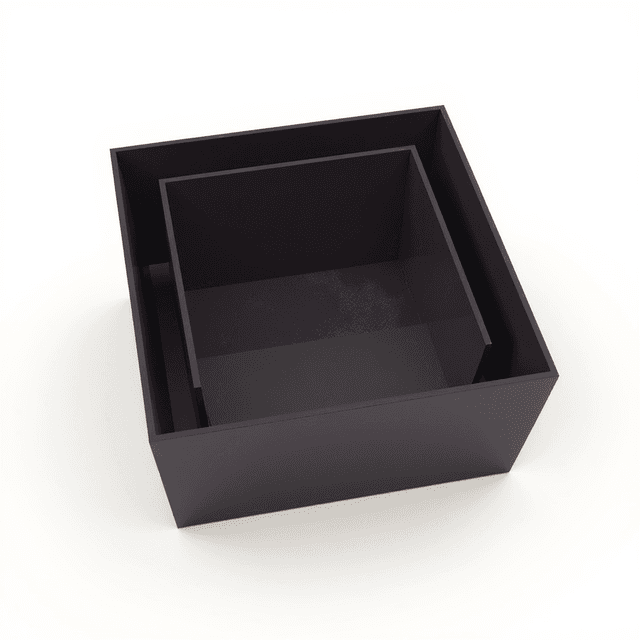
| Testing Environment | Controlled chamber conditions | Home cage testing may include environmental distractions | Minimizes external variables that could influence behavioral responses and data interpretation. |
| Protocol Flexibility | Adaptable to multiple species | Species-specific tests often have limited applicability | Enables comparative studies across different animal models within consistent methodological framework. |
This Mirror Biting Test system provides standardized behavioral assessment capabilities with quantitative measurement protocols. The controlled stimulus presentation approach offers consistent experimental conditions for reproducible behavioral phenotyping across research applications.
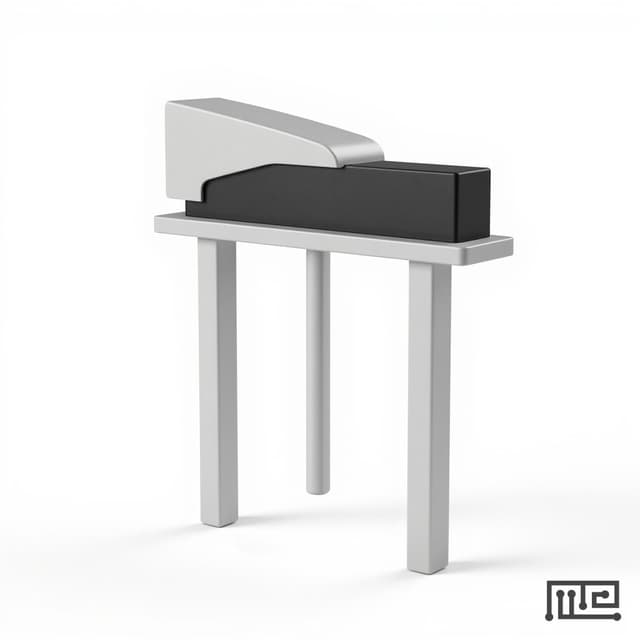
Verify mirror positioning and angle before each testing session to ensure optimal visual stimulus presentation.
Why: Proper mirror alignment ensures consistent behavioral trigger effectiveness across all test subjects.
Clean mirror surfaces between subjects using appropriate cleaning solutions to maintain clear reflection quality.
Why: Clean mirrors provide optimal visual stimulus conditions and prevent cross-contamination between subjects.
Allow adequate habituation time in the testing environment before mirror presentation to establish behavioral baseline.
Why: Proper habituation reduces environmental stress responses that could confound mirror-directed behavioral measurements.
Use multiple observers or video analysis for behavioral scoring to ensure measurement reliability and reduce observer bias.
Why: Consistent scoring protocols improve data quality and enable meaningful statistical comparisons across experimental groups.
If subjects show no response to mirror presentation, verify lighting conditions and mirror positioning relative to animal eye level.
Why: Optimal visual conditions are essential for eliciting species-typical behavioral responses to the mirror stimulus.
Ensure mirror mounting hardware is secure and poses no injury risk to test subjects during behavioral responses.
Why: Proper equipment setup prevents accidental injury while maintaining the integrity of behavioral measurements.
ConductScience provides standard manufacturer warranty coverage with technical support for setup and protocol optimization.
Background reading relevant to this product:
What species can be tested using the Mirror Biting Test protocol?
The test is applicable to various laboratory species including rodents, fish, and other animals that exhibit territorial or social responses to mirror stimuli, with protocol modifications for species-specific behavioral patterns.
How long should mirror exposure sessions last for optimal behavioral measurement?
Session duration varies by species and research objectives, typically ranging from 5-30 minutes, with pilot studies recommended to determine optimal exposure times for specific experimental conditions.
What behavioral parameters can be quantitatively measured?
Key measurements include response latency to first mirror contact, frequency of mirror-directed behaviors, total contact duration, and behavioral intensity scoring based on standardized criteria.
Can this test be used for repeated measures experimental designs?
Yes, the protocol supports longitudinal studies with appropriate inter-session intervals to assess habituation, treatment effects, or developmental changes in behavior over time.
What environmental controls are necessary for consistent results?
Controlled lighting conditions, minimal external distractions, standardized testing chamber setup, and consistent mirror positioning are essential for reproducible behavioral responses.
How does this test compare to other measures of aggressive behavior?
The Mirror Biting Test provides a non-social assessment of aggressive responses without requiring interaction with conspecifics, offering advantages in controlled stimulus presentation and reduced variable outcomes.
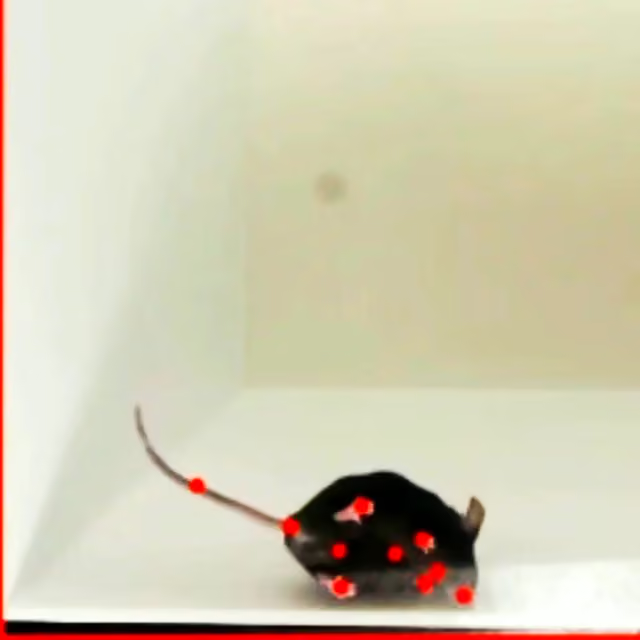
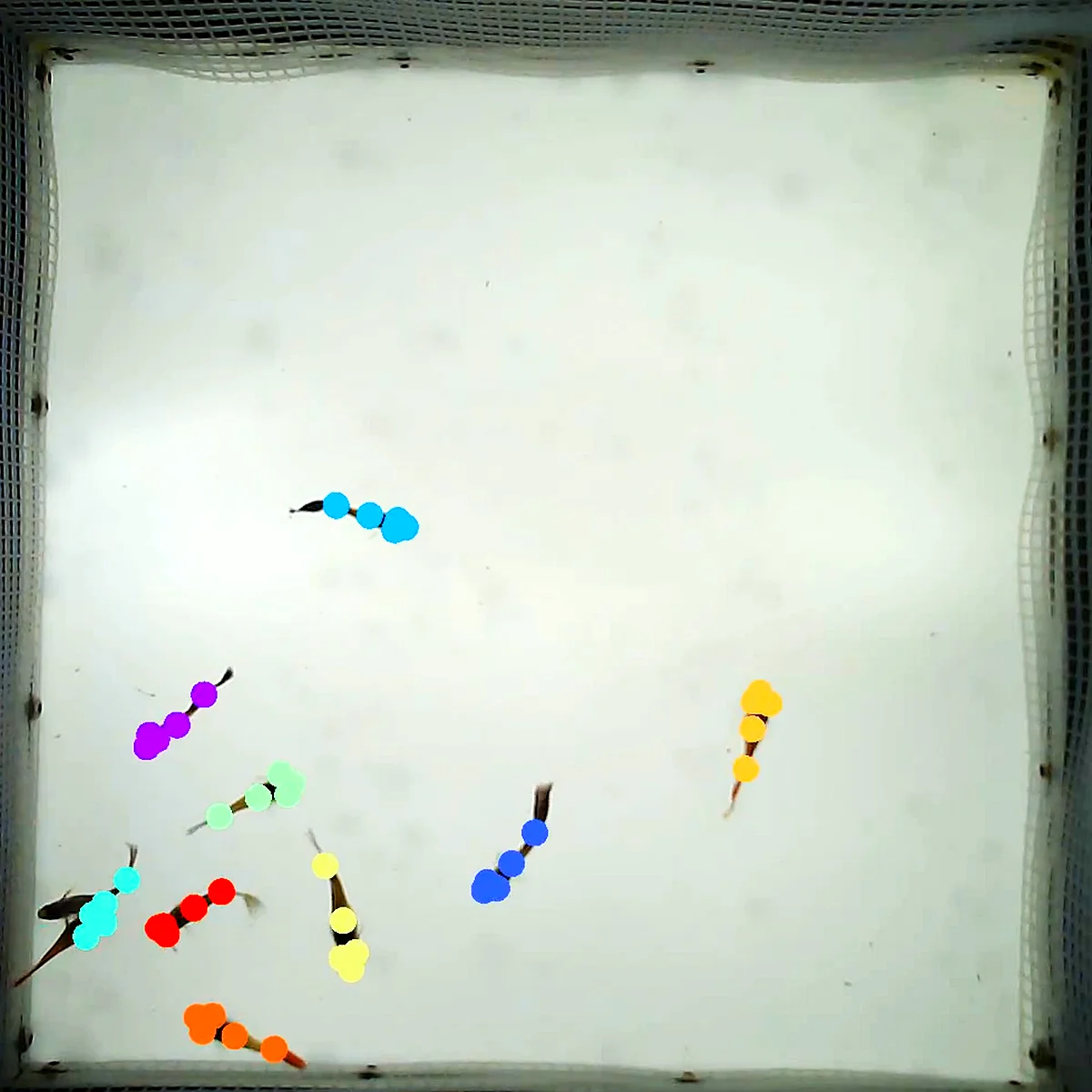
ConductVision is our video-tracking software. Record your sessions on video, and it reports the measures listed below.
A 5-year license is $3,990 in total.
The ConductVision license for zebrafish tests. It also scores shoaling, the T-maze, the Y-maze and the 5-choice serial reaction time task.
Send it over and we'll email you a personalized answer — no call, no scheduling.
Prefer to talk it through?
Enhance your setup with compatible accessories