
1 / 5
Mirror Chamber Version 2
SKU CS-958231
$8,499.99
IncludesStandard care
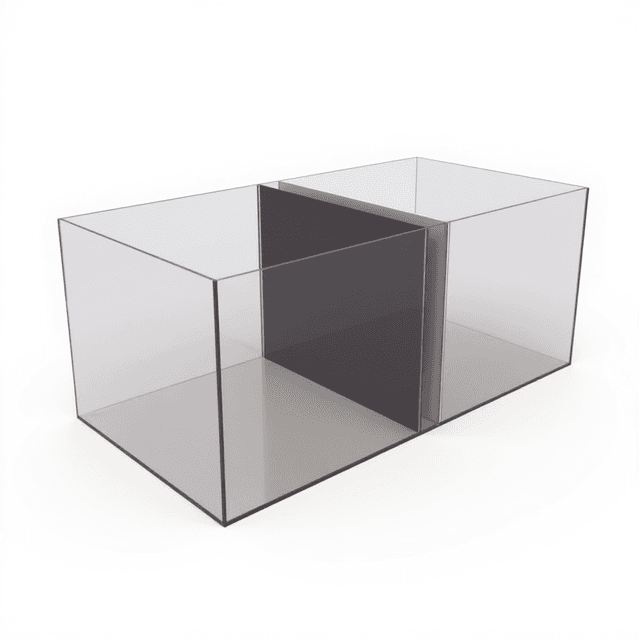
Specialized behavioral testing chamber with integrated mirrors for studying spatial cognition, motor coordination, and anxiety-related behaviors under altered visual-spatial conditions.
CE MarkedBAA available
Scientist guidance

Louise Corscadden, PhD
Director of Science · ConductScience
Ask Louise about Mirror Chamber Version 2 fit, setup, configuration, or quote prep.
Already working with us? Sign in to connect this with My Scientist.
Key Specifications
Full details →- Model fit
- Mouse, Rat
- SKU family
- CS-958231
- Shipping box
- 65.0 x 36.0 x 27.0 cm
- Ordering
- Online checkout and quote request available
- Category
- Behavioral Mazes
- Build notes
- Confirm accessories, station layout, and support needs before purchase
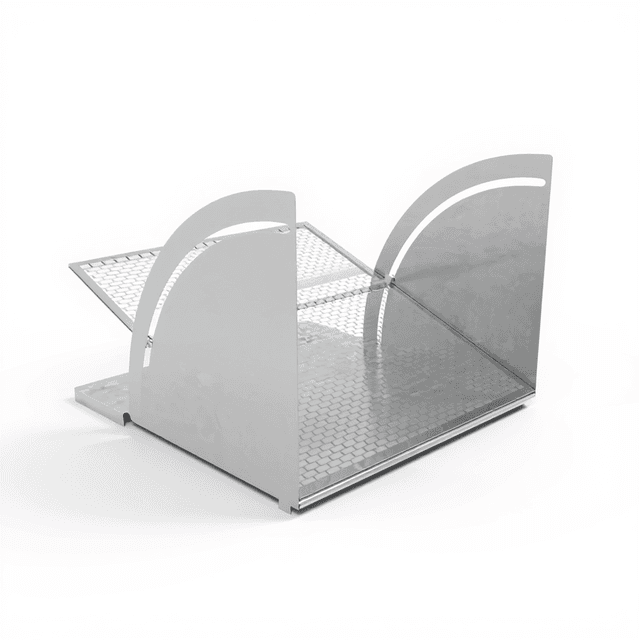
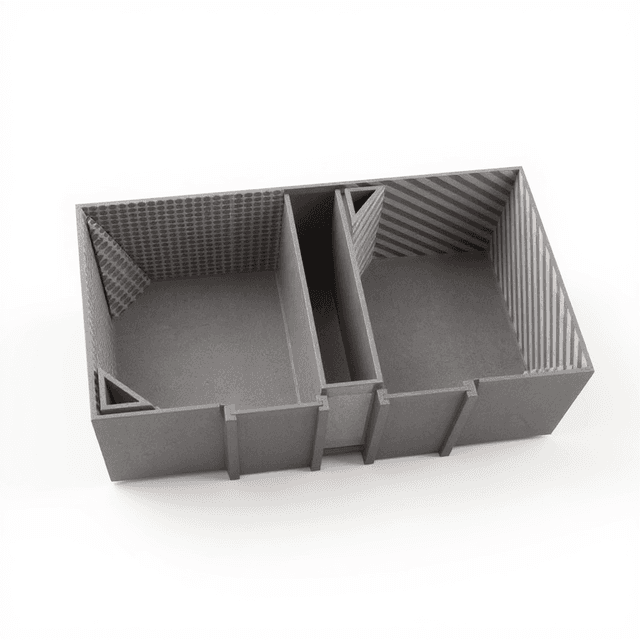
The Mirror Chamber Version 2 is a specialized behavioral testing apparatus designed for assessing spatial cognition, motor coordination, and anxiety-related behaviors in laboratory animals. This chamber utilizes strategically positioned mirrors to create visual complexity and spatial disorientation, allowing researchers to evaluate how subjects navigate and respond to altered visual-spatial environments.
The system provides a controlled environment for studying mirror-induced behavioral responses, spatial memory formation under visual distortion conditions, and motor adaptation to complex visual feedback. Researchers can observe and quantify behavioral patterns including exploration time, movement trajectories, and adaptive responses to the mirror-enhanced spatial environment.
How It Works
The Mirror Chamber Version 2 operates on the principle of visual-spatial conflict, where strategically positioned mirrors create discordance between an animal's actual position and the visual feedback they receive. This conflict challenges normal spatial processing mechanisms and reveals underlying cognitive and motor capabilities.
When placed in the chamber, test subjects encounter mirror reflections that alter their perception of the environment's spatial layout. The mirrors create visual duplications and spatial distortions that require the animal to integrate conflicting sensory information - proprioceptive feedback indicating actual body position versus visual input showing reflected images. This sensory conflict activates neural pathways involved in spatial processing, motor planning, and stress response systems.
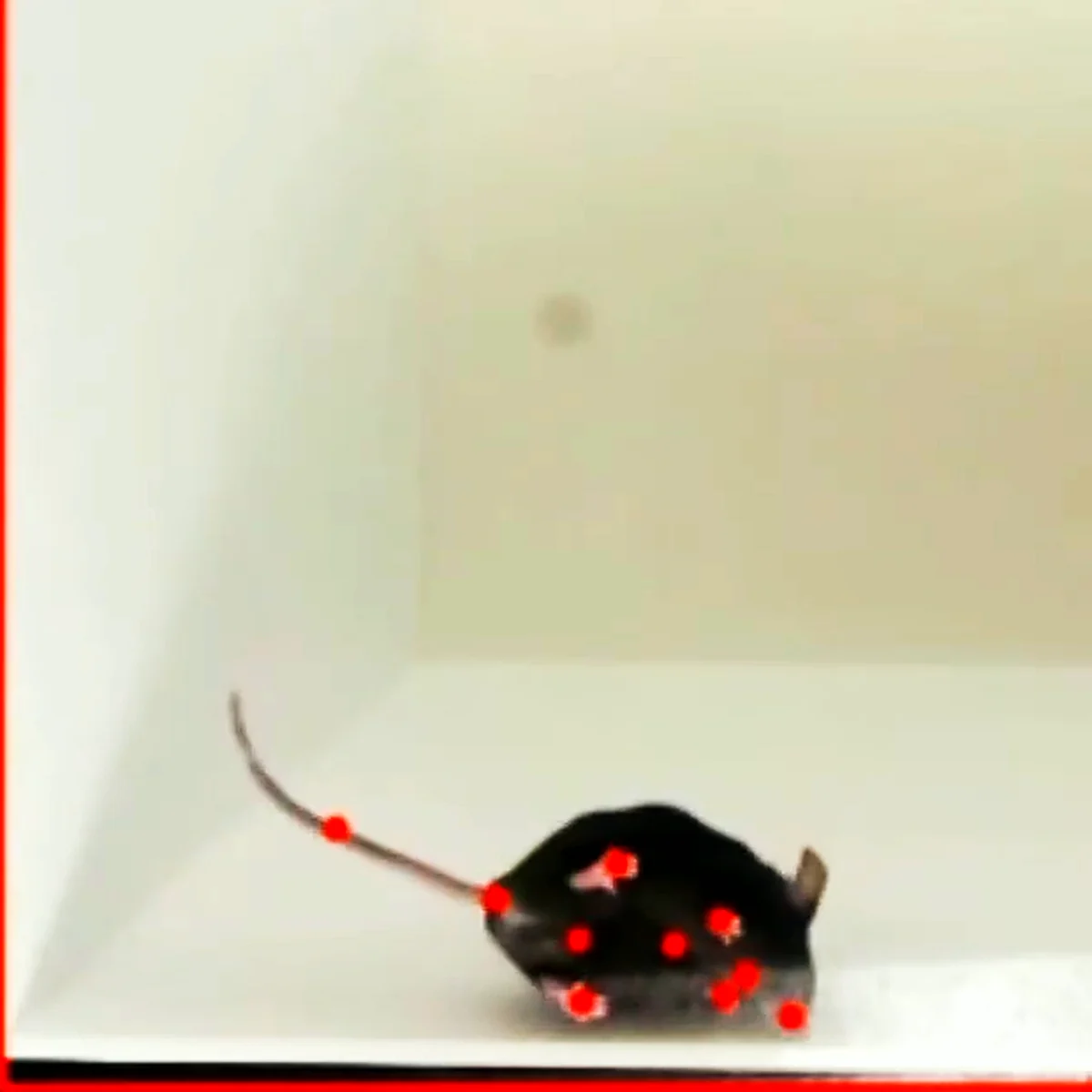
Behavioral responses are quantified through video tracking and analysis, measuring parameters such as movement patterns, exploration time in different zones, freezing behavior, and adaptation rates. The chamber design allows researchers to systematically study how animals resolve visual-spatial conflicts and adapt their behavior accordingly.
Features & Benefits
Strategic Mirror Positioning
Creates controlled visual-spatial conflicts for systematic study of cognitive and motor adaptation responses
Modular Chamber Design
Allows reconfiguration of mirror arrangements to test different levels of spatial complexity and visual distortion
Integrated Video Tracking Compatibility
Supports automated behavioral analysis and quantification of movement patterns and spatial exploration behaviors
Uniform Lighting System
Provides consistent illumination while minimizing mirror glare for optimal behavioral observation and video recording
Easy Cleaning Access
Facilitates rapid chamber sanitization between subjects to prevent cross-contamination and maintain hygiene standards
Adjustable Environmental Control
Enables standardization of testing conditions including temperature and humidity for reproducible experimental conditions
Behavioral Construct
- Spatial Memory
- Motor Coordination
- Anxiety
- Exploration
- Adaptation
Automation Level
- semi-automated
Research Domain
- Aging Research
- Anxiety and Depression
- Behavioral Pharmacology
- Learning and Memory
- Motor Function
- Neuroscience
Species
- Mouse
- Rat
Compatible Tracking Software
- ConductVision
Shipping weight
- 6.06 lb
Shipping box
- L: 65.0 cm
- W: 36.0 cm
- H: 27.0 cm
| Feature | This Product | Typical Alternative | Advantage |
|---|---|---|---|
| Visual Manipulation Method | Integrated mirror system for visual-spatial conflict | Basic chambers rely on physical maze structures or simple environmental cues | Provides unique assessment of how animals process conflicting visual feedback without requiring maze navigation skills |
| Testing Flexibility | Modular mirror configuration system | Fixed chamber designs offer limited environmental modification options | Enables systematic manipulation of visual complexity levels within the same testing apparatus |
| Behavioral Measures | Combined spatial cognition and motor coordination assessment | Separate tests typically required for cognitive and motor function evaluation | Allows simultaneous measurement of multiple behavioral domains in a single testing session |
| Setup Requirements | Specialized mirror positioning and lighting system | Standard chambers require minimal setup considerations | Controlled visual environment ensures consistent experimental conditions and reproducible behavioral challenges |
The Mirror Chamber Version 2 provides specialized visual-spatial manipulation capabilities through its integrated mirror system, enabling unique assessment of cognitive-motor integration under sensory conflict conditions. The modular design offers experimental flexibility while maintaining standardized testing protocols for behavioral research applications.
Neuroscience
Assessing spatial memory and navigation abilities in rodents under conditions of visual-spatial conflict created by mirror reflections.
Behavioral Pharmacology
Evaluating drug effects on motor coordination and spatial processing by measuring behavioral responses to mirror-induced visual complexity.
Learning and Memory
Studying adaptive learning processes as animals learn to navigate and respond appropriately to mirror-distorted environmental cues.
Anxiety and Depression
Measuring anxiety-like behaviors and stress responses triggered by the disorienting effects of mirror reflections in the testing environment.
Motor Function
Analyzing motor adaptation and coordination changes when animals must perform movements while processing conflicting visual feedback from mirrors.
Aging Research
Comparing spatial cognitive abilities and motor adaptation between young and aged animals using mirror-based visual-spatial challenges.
Practical Tips
Calibration
Verify mirror alignment and positioning before each experimental session using a standardized checklist.
Why: Consistent mirror positioning ensures reproducible visual-spatial conflicts across testing sessions and subjects.
Maintenance
Clean mirrors with specialized optical cleaning solutions and lint-free cloths after every 5-10 subjects.
Why: Maintaining optical clarity prevents confounding variables from accumulated debris or scratches affecting visual perception.
Best Practices
Allow 5-10 minutes of chamber acclimatization before beginning behavioral recording for each subject.
Why: Initial exploration period helps distinguish novelty-induced activity from specific responses to mirror-based visual conflicts.
Data Quality
Monitor video contrast and lighting levels throughout extended testing sessions to maintain consistent tracking quality.
Why: Automated behavioral analysis depends on consistent visual conditions for accurate movement detection and trajectory mapping.
Troubleshooting
If subjects show minimal exploration, reduce ambient lighting slightly or increase inter-session intervals.
Why: Behavioral responses to mirror effects can be influenced by overall stress levels and lighting conditions affecting visual processing.
Safety
Inspect mirror edges and mounting hardware regularly for sharp edges or loose components.
Why: Subject safety requires verification that mirror installations cannot create injury risks during normal behavioral activities.
Best Practices
Record baseline behavior in the chamber without mirrors activated before introducing mirror conditions.
Why: Baseline measurements help distinguish chamber-specific effects from mirror-induced behavioral changes in data analysis.
Setup Guide
Unpack and Inspect
Remove chamber components from packaging and inspect for damage during shipping. Verify all mirrors are intact and free from scratches or distortions.
Chamber Assembly
Assemble the chamber walls and secure mirror panels in designated positions according to the configuration guide. Ensure all connections are stable and mirrors are properly aligned.
Lighting Setup
Install and position lighting system to provide uniform illumination while minimizing glare on mirror surfaces. Test lighting levels to ensure optimal video recording conditions.
Video System Integration
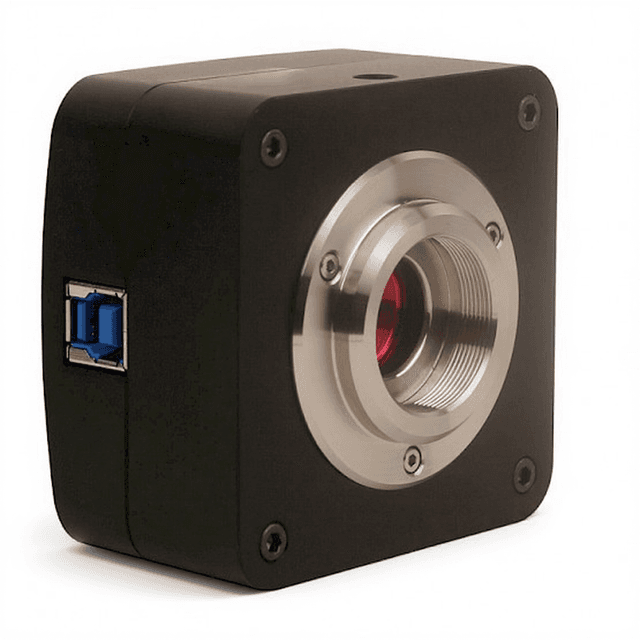
Mount and align camera system for overhead behavioral tracking. Calibrate recording area to include full chamber dimensions and test video quality.
Environmental Calibration
Allow chamber to equilibrate to room temperature and verify environmental conditions match experimental requirements for temperature and humidity.
Baseline Testing
Conduct test runs with pilot subjects to verify proper mirror positioning, lighting conditions, and data collection protocols before beginning formal experiments.
Cleaning Protocol
Establish cleaning procedures for mirrors and chamber surfaces between subjects using appropriate disinfectants that do not damage mirror coatings.
What’s in the Box
- Mirror Chamber Version 2 main unit (typical)
- Mirror panels and mounting hardware (typical)
- Lighting system components (typical)
- Chamber assembly tools (typical)
- User manual and setup guide (typical)
- Cleaning and maintenance instructions (typical)
Warranty
ConductScience provides a standard one-year manufacturer warranty covering defects in materials and workmanship. Technical support includes setup assistance and troubleshooting guidance for optimal system performance.
Compliance
IACUC GuidelinesChamber design supports protocols requiring environmental enrichment and behavioral assessment in animal research facilities.
Laboratory Animal Welfare StandardsConstruction materials and design features accommodate animal welfare requirements for behavioral testing apparatus.
Q
What species can be tested in this chamber system?
A
The Mirror Chamber Version 2 is designed primarily for rodent species including mice and rats. Chamber dimensions accommodate natural movement and exploration behaviors for these species while maintaining proper mirror positioning for effective visual-spatial manipulation.
Q
How do I prevent habituation to the mirror effects during repeated testing?
A
Implement varied testing schedules with sufficient inter-trial intervals, consider rotating mirror configurations between sessions, and monitor behavioral adaptation curves to determine optimal testing frequency for your experimental design.
Q
What video tracking parameters should I measure?
A
Key metrics include total distance traveled, time spent in different chamber zones, movement velocity changes, freezing episodes, and trajectory patterns. Track exploration ratios and adaptation rates across testing sessions for comprehensive behavioral analysis.
Q
How do I clean mirrors without damaging the reflective surface?
A
Use gentle, non-abrasive cleaning solutions specifically designed for mirror surfaces. Avoid ammonia-based cleaners and use lint-free cloths with circular motions. Allow complete drying before reassembly to prevent water spots that could affect optical clarity.
Q
Can I modify mirror positions for different experimental conditions?
A
Yes, the modular design allows reconfiguration of mirror arrangements to create varying levels of visual complexity. Document mirror positions for each experimental condition to ensure reproducibility and systematic manipulation of visual-spatial conflict levels.
Q
What lighting conditions work best for behavioral observation?
A
Use diffused, uniform lighting that provides adequate illumination for video tracking while minimizing glare on mirror surfaces. LED systems with adjustable intensity work well, typically requiring 200-300 lux for optimal contrast without creating stress-inducing brightness levels.
Q
How does this compare to standard open field testing?
A
The Mirror Chamber adds visual-spatial complexity not present in standard open field tests, allowing assessment of cognitive flexibility and motor adaptation under sensory conflict conditions. It provides more specific information about spatial processing abilities compared to basic locomotor activity measures.
Have a question about this product?
Track rodents with ConductVision
ConductVision is our video-tracking software. Record your sessions on video, and it scores standard rodent tests, such as those listed below.
Examples of tests it scores
To check whether ConductVision scores your protocol in this apparatus, ask in your quote request.
Ask a question
Have a question? Just ask.
Send it over and we'll email you a personalized answer — no call, no scheduling.
Personalized email reply
Usually within one business day
Helpful answers published here
Prefer to talk it through?
Accessories
Enhance your setup with compatible accessories

Total: $0.00
Frequently Bought Together
+
+
Total: $2,530.00

Mirror Chamber Version 2
$8,499.99
Added to quoteView Quote