Modular holder cages for rats and mice
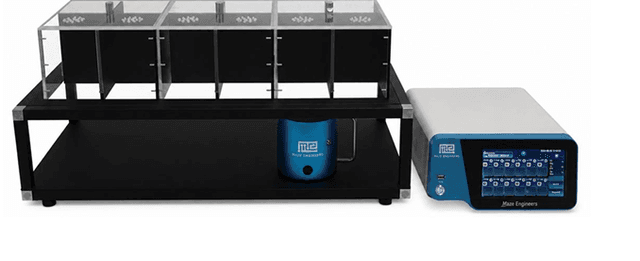
Modular acrylic restraint cages for rodents during nociceptive testing, accommodating 2 rats or 4 mice per unit for flexible experimental setups.
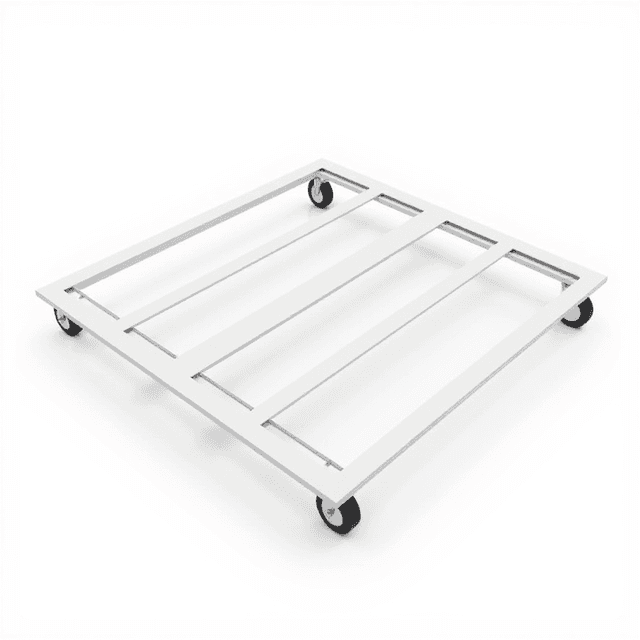
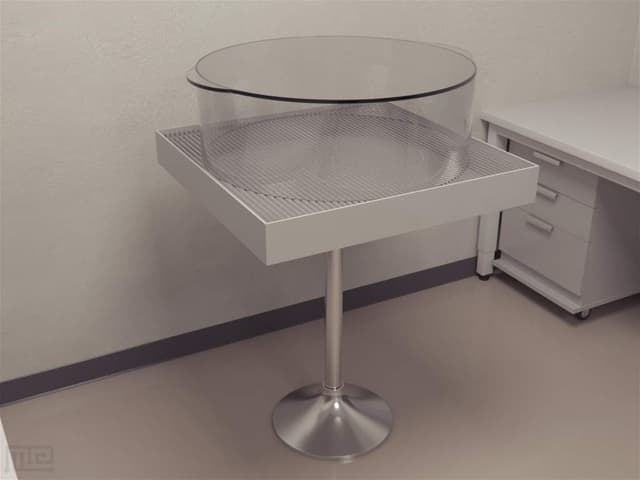
MESH OR GLASS PLATFORM SOLD SEPARATELY.

Louise Corscadden, PhD
Director of Science · ConductScience
Ask Louise about Modular holder cages for rats and mice fit, setup, configuration, or quote prep.
Already working with us? Sign in to connect this with My Scientist.
Key Specifications
Full details →- Model fit
- Mouse, Rat
- SKU family
- CS-958374
- Shipping box
- 65.0 x 36.0 x 27.0 cm
- Ordering
- Online checkout and quote request available
- Category
- Behavioral Mazes
- Build notes
- 3 mm
Modular Holder Cages for Behavioral Testing
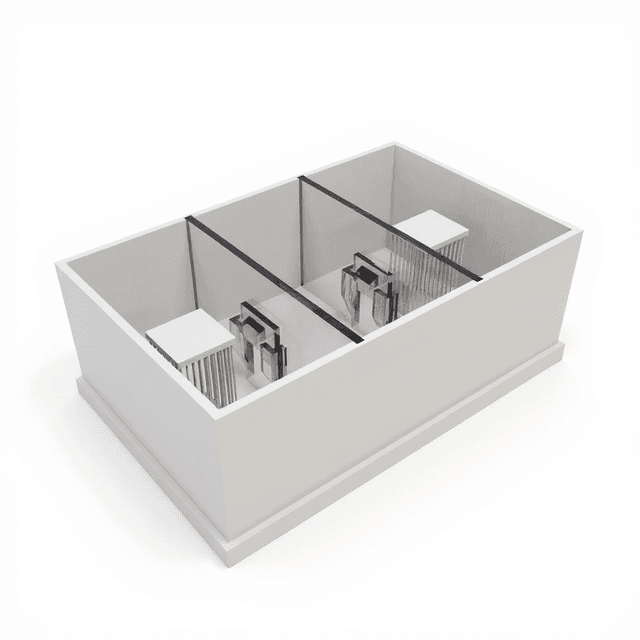
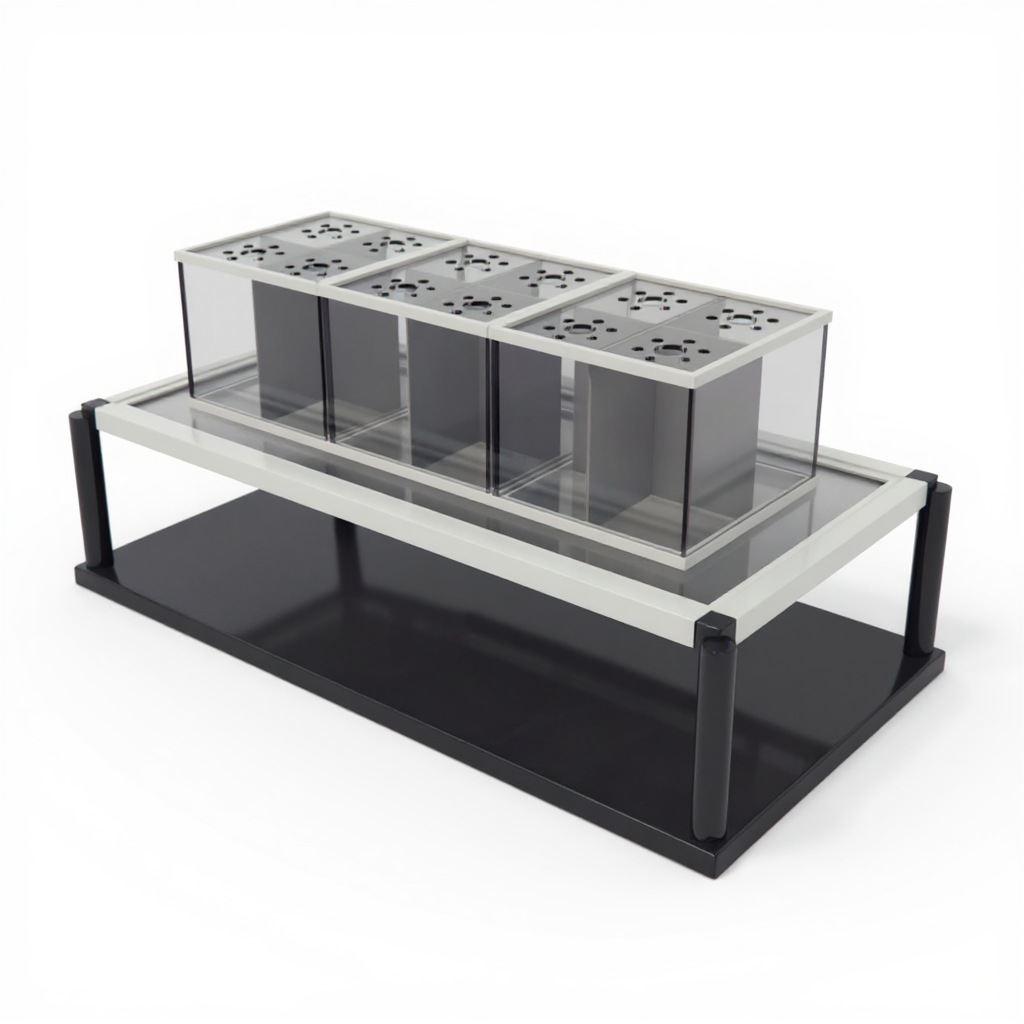
These clear acrylic chambers are designed for plantar sensitivity, von Frey, and Hargreaves testing. Each chamber includes removable dividers, allowing the internal space to be configured for either rats or mice. The chambers have an open-bottom design so they can be placed directly on a compatible metal mesh platform.
Key Features
- Clear acrylic construction for easy observation
- Removable dividers for flexible configuration
- Removable lid with ventilation holes
- Open-bottom design for direct platform placement
- Available in 2-chamber or 3-chamber sets
How It Works
The modular holder system operates through physical restraint principles that limit animal movement while maintaining access to testing sites. The 3 mm thick PVC construction provides sufficient rigidity to prevent escape while allowing normal breathing and minimal stress positioning. Removable internal walls create either individual compartments for larger species or subdivided spaces for smaller animals.
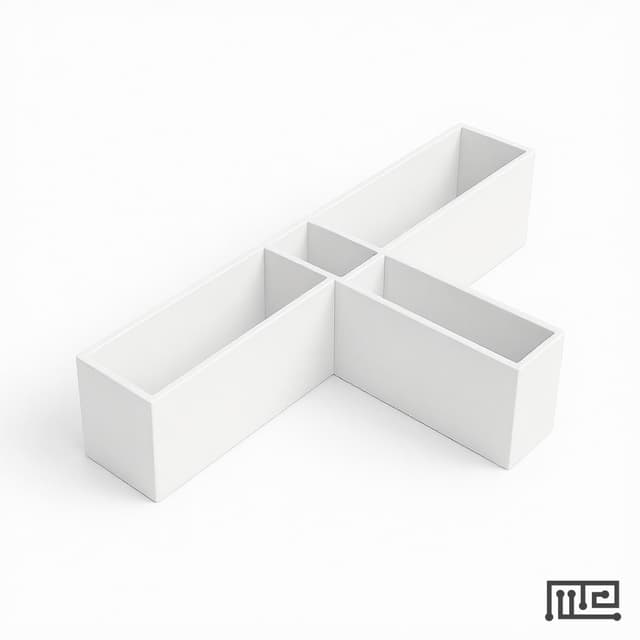
The transparent and opaque variants serve different experimental needs - transparent units allow visual monitoring of animal behavior and stress indicators, while opaque versions reduce external visual stimuli that might confound nociceptive responses. The modular linkage system distributes animals across a stable platform, preventing individual cage movement during stimulus application that could affect measurement precision.
Grid or glass support compatibility ensures proper ventilation and access for testing equipment while maintaining consistent animal positioning. The washable surface prevents contamination between subjects and experimental sessions, critical for reducing confounding variables in pain sensitivity assessments.
Features & Benefits
Material Thickness
- 3 mm
Rat Capacity per Enclosure
- 2 rats
Mouse Capacity per Enclosure
- 6 mice
Modular Design
- combinable and linkable
Washable
- yes
Compatible Applications
- nociceptive and analgesic assessments, Hargreaves protocol, Von Frey protocol
Behavioral Construct
- nociception
- pain sensitivity
- mechanical allodynia
- thermal hyperalgesia
Automation Level
- manual
Material
- PVC
Color
- opaque black
- Transparent
Accessories Included
- tailored for 1 or 2 rats, or 6 or 8 mice (with 3 or 4 accessible from the front)
Species
- Mouse
- Rat
Research Domain
- Behavioral Pharmacology
- Learning and Memory
- Neurodegeneration
- Neuroscience
- Pain Research
- Toxicology
Compatible Tracking Software
- ConductVision
Shipping weight
- 6.06 lb
Shipping box
- L: 65.0 cm
- W: 36.0 cm
- H: 27.0 cm
| Feature | This Product | Typical Alternative | Advantage |
|---|---|---|---|
| Species Flexibility | Single unit accommodates either 2 rats or 6 mice with removable walls | Fixed designs typically serve single species with dedicated sizing | Maximizes equipment utilization when protocols involve multiple species or varying group sizes |
| Modular Expansion | Combinable and linkable system for custom array creation | Individual units require separate positioning and setup | Enables scalable testing configurations that adapt to changing experimental throughput needs |
| Support Compatibility | Universal compatibility with any grid or glass support system | Brand-specific mounting requirements limit flexibility | Integrates with existing laboratory infrastructure without additional hardware purchases |
| Material Construction | 3 mm thick PVC with transparent and opaque options | Varies by model - some use thinner materials or single color options | Provides durability for repeated use while offering visual environment control for experimental design |
| Cleaning Maintenance | Washable PVC surface enables rapid turnover between sessions | Some materials require specialized cleaning or have limited chemical compatibility | Reduces contamination risk and enables efficient experimental scheduling with quick cleaning protocols |
The modular holder system offers exceptional versatility through its dual species compatibility and expandable linking design. The 3 mm thick PVC construction with dual color options provides durability and experimental flexibility that adapts to diverse nociceptive testing requirements.
Practical Tips
Position animals with consistent orientation relative to testing equipment to standardize stimulus application angles.
Why: Maintains measurement precision across subjects and reduces variability in nociceptive threshold determinations.
Inspect PVC walls for stress cracks after extensive use, particularly around wall junction points.
Why: Prevents structural failure during testing that could compromise animal containment or data validity.
Verify proper spacing between cage floor and support grid for consistent Von Frey filament access.
Why: Ensures standardized stimulus delivery and prevents equipment interference with animal positioning.
Record animal acclimation time and behavior before testing to identify potential stress confounders.
Why: Enables post-hoc analysis correction for stress-induced changes in nociceptive sensitivity.
Ensure adequate ventilation through support grid openings, especially when using multiple linked units.
Why: Prevents CO2 buildup that could affect animal physiology and alter pain sensitivity measurements.
If animals show excessive movement, reduce external vibrations and check for secure cage-to-support connections.
Why: Minimizes motion artifacts that can interfere with precise stimulus application and response measurement.
Use transparent units when monitoring requires behavioral observation and opaque units for reduced visual stimuli.
Why: Optimizes experimental conditions by controlling environmental factors that might influence nociceptive responses.
Setup Guide
What’s in the Box
- Modular holder cage base unit
- Removable internal wall components
- Species-specific accessories for rats and mice
- Linking hardware for modular connection (typical)
- User instruction guide (typical)
Warranty
ConductScience provides a standard one-year manufacturer warranty covering defects in materials and workmanship. Technical support is available for setup guidance and protocol optimization.
Compliance
How do I determine the optimal acclimation time before beginning nociceptive testing?
Allow 10-15 minutes for animals to settle after placement in the holders. Monitor for reduced struggling and normalized breathing patterns before initiating Von Frey or Hargreaves protocols.
Can the transparent and opaque versions be mixed in the same experimental setup?
Yes, the modular linking system accommodates mixed configurations. Use transparent units when behavioral observation is needed and opaque units to minimize visual distractions for control groups.
What cleaning protocols are recommended between different experimental groups?
Wash with 70% ethanol or appropriate disinfectant, rinse thoroughly, and air dry completely. For infectious disease models, consult institutional biosafety protocols for additional decontamination requirements.
How does the modular design affect data consistency across linked units?
The rigid PVC construction and stable linking system prevent individual cage movement, maintaining consistent positioning for stimulus application. Calibrate testing equipment position for each compartment location.
What support grid specifications are optimal for Von Frey testing access?
Wire mesh grids with 3-5 mm spacing provide adequate access for filament application while supporting animal weight. Glass plates with appropriately sized access holes also function effectively.
Can these holders accommodate juvenile animals or only adults?
The 6-mouse configuration can accommodate juvenile rats, while the standard setup works for adult animals. Ensure adequate space for normal positioning without excessive movement restriction.
How do environmental conditions affect the PVC material properties?
PVC remains stable across typical laboratory temperature and humidity ranges. Avoid extreme heat exposure which may cause material softening or warping.
What are the dimensions of each individual chamber?
Each modular holder cage unit measures approximately 650 x 360 x 270 mm overall. The unit can be configured with removable internal walls to create individual compartments for 2 rats or 6 mice. These cages are designed to sit on a mesh or glass platform (they have no bottom) and are part of the von Frey and plantar testing systems.
Do these cages have a bottom, or are they open?
The cages are open on the bottom. They are designed to sit on top of a mesh or metal platform as part of von Frey filament testing or Hargreaves plantar test setups. The open bottom allows stimuli to be applied through the platform to the animal's paws.
Have a question about this product?
Have a question? Just ask.
Send it over and we'll email you a personalized answer — no call, no scheduling.
Prefer to talk it through?
Frequently Bought Together