Mouse Cage
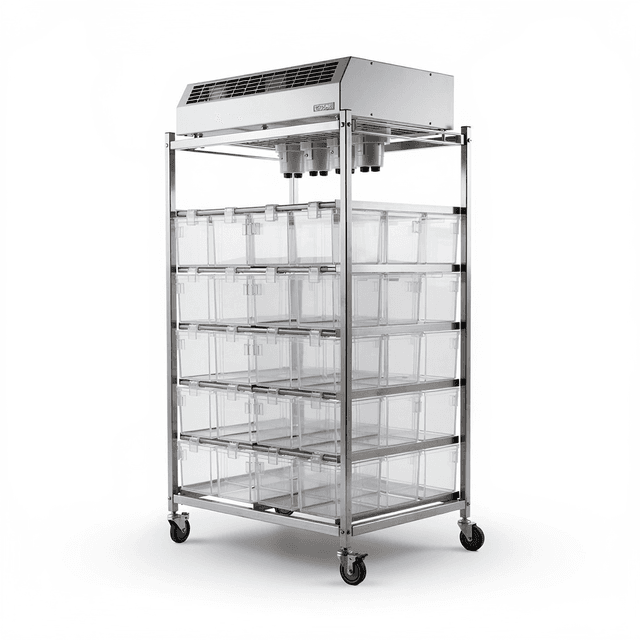
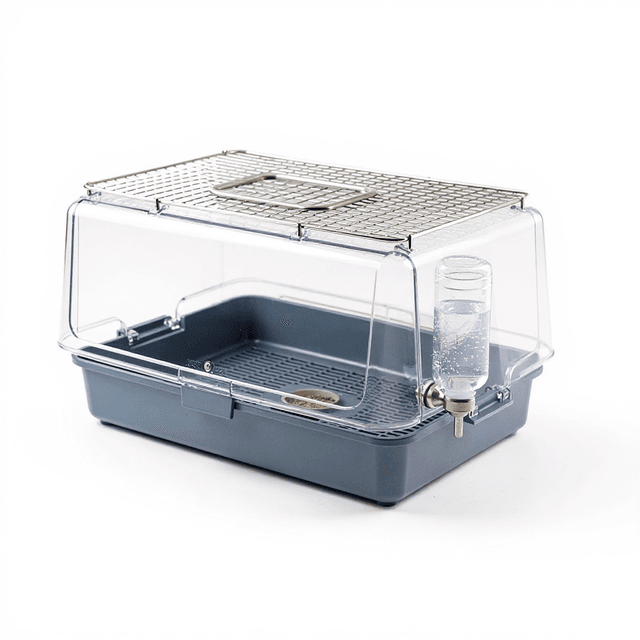
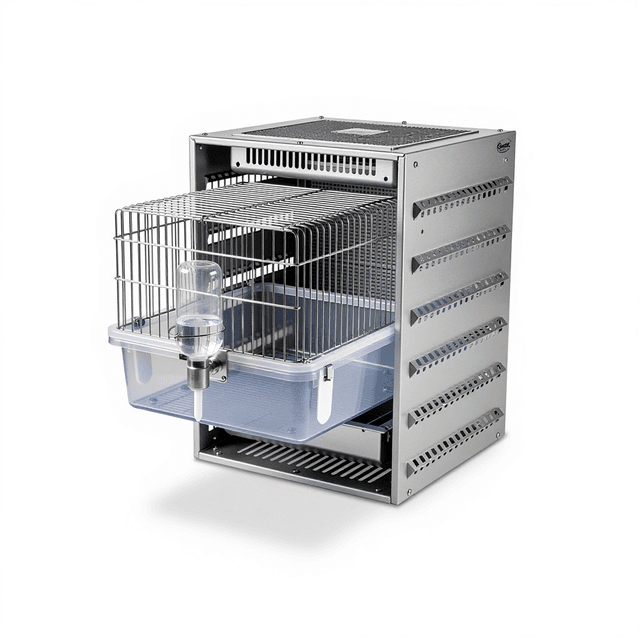
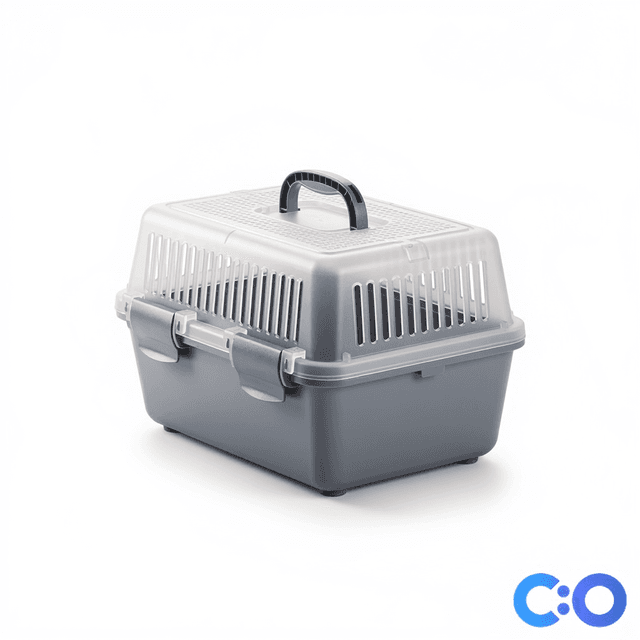
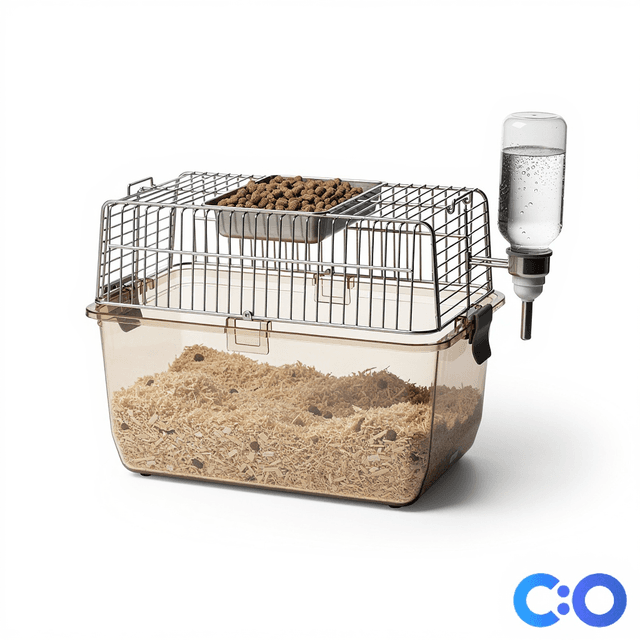
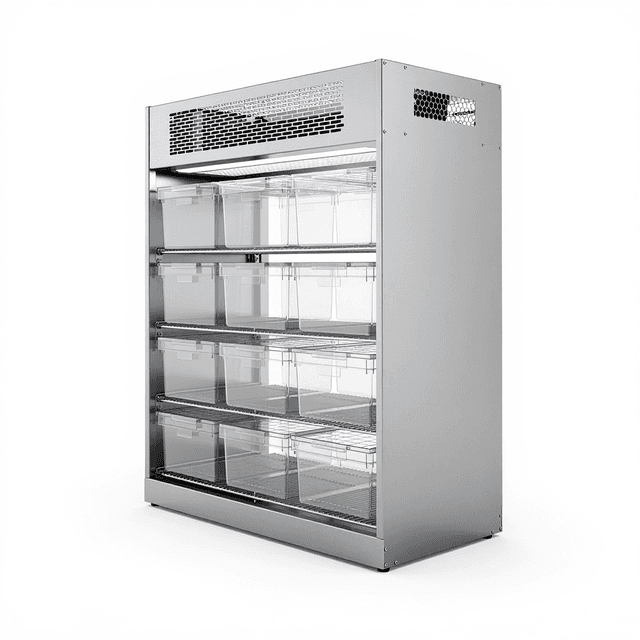
Standardized laboratory mouse cage system available in multiple material configurations (PP/PC) for research housing protocols and behavioral studies.
| BK-CP3 | PP/PC |
| BK-CP5 | PP/PC |
| BK-SS4 | PP |
| PP | 465*300*180mm |
| BK-R5 | PP/PC |
| BK-H1 | PP |

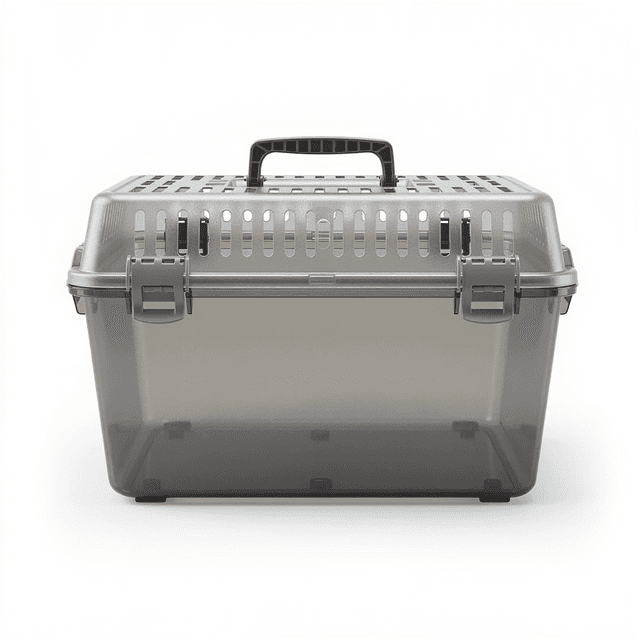
The ConductScience Mouse Cage (BIO-0812) provides standardized housing for laboratory mice across multiple research applications. This cage system offers various model configurations constructed from polypropylene (PP) and polycarbonate (PC) materials to meet different experimental requirements. The standard PP configuration measures 465×300×180mm, providing appropriate space allocation for mouse housing protocols.
The cage system supports controlled environmental conditions necessary for behavioral studies, toxicology research, and long-term housing protocols. Multiple material configurations (PP and PP/PC combinations) across different model variants allow researchers to select appropriate housing based on experimental design requirements, chemical compatibility needs, and observation protocols.
How It Works
The mouse cage system functions as a controlled microenvironment that maintains appropriate spatial boundaries and environmental conditions for laboratory mice. The cage structure provides defined floor area, vertical space, and ventilation patterns that support normal mouse behaviors while enabling experimental observation and data collection.
Material selection between polypropylene and polycarbonate configurations affects cage properties including chemical resistance, transparency, and durability. PP construction offers chemical inertness for studies involving solvents or reactive compounds, while PP/PC combinations may provide enhanced visibility for behavioral observation protocols. The standardized dimensions ensure consistent spatial parameters across experimental groups, reducing environmental variables that could affect behavioral or physiological measurements.
Features & Benefits
Behavioral Construct
- Home cage behavior
- Circadian activity
- Social behavior
- Exploratory behavior
BK-CP3
- PP/PC
BK-CP5
- PP/PC
BK-SS4
- PP
PP
- 465*300*180mm
BK-R5
- PP/PC
BK-H1
- PP
BK-CP4
- PP/PC
BK-JM1
- PP
BK-JM2
- PP
Brand
- ConductScience
Research Domain
- Aging Research
- Anxiety and Depression
- Behavioral Pharmacology
- Developmental Biology
- Learning and Memory
- Neuroscience
- Toxicology
Species
- Mouse
Weight
- 11.95 kg
Dimensions
- L: 18.31 mm
- W: 11.81 mm
- H: 7.09 mm
Comparison Guide
| Feature | This Product | Typical Alternative | Advantage |
|---|---|---|---|
| Material options | Multiple PP and PP/PC configurations across different models | Single material construction limits chemical compatibility options | Enables optimal material selection based on specific experimental chemical exposure requirements |
| Model variants | Eight different model configurations (BK-CP3, BK-CP4, BK-CP5, BK-R5, BK-SS4, BK-H1, BK-JM1, BK-JM2) | Limited model options restrict experimental flexibility | Provides specialized configurations for different research protocols and housing requirements |
| Standardized dimensions | 465×300×180mm consistent sizing | Variable dimensions across manufacturers affect experimental consistency | Ensures consistent spatial parameters for reproducible behavioral and physiological measurements |
| Chemical resistance | PP construction options for chemical compatibility | Lower chemical resistance materials may limit experimental applications | Supports studies involving solvents, acids, or reactive compounds without material degradation |
The ConductScience Mouse Cage system provides comprehensive model selection with optimized material configurations for diverse research requirements. The standardized dimensions and multiple material options support both chemical compatibility and observational needs across various experimental protocols.
Practical Tips
Select PP configurations for studies involving chemical exposures and PP/PC variants when behavioral observation is critical.
Why: Material selection directly affects both chemical compatibility and visual access for data collection.
Inspect cage components regularly for stress cracks or chemical degradation, particularly around high-wear areas like lid interfaces.
Why: Early detection prevents cage failure that could compromise animal safety or experimental integrity.
Verify cage dimensions periodically if using automated monitoring systems that rely on spatial calibration.
Why: Dimensional consistency ensures accurate behavioral tracking and data collection from monitoring equipment.
Maintain consistent cage orientation and positioning when using behavioral monitoring systems.
Why: Spatial consistency reduces variability in automated behavioral measurements and improves data reproducibility.
Ensure proper ventilation when housing mice in sealed environments or during chemical exposure studies.
Why: Adequate air circulation prevents accumulation of ammonia or chemical vapors that could affect animal health.
If cage lids become difficult to secure, check for warping from excessive heat or chemical exposure.
Why: Proper lid sealing is essential for containment and environmental control during experimental protocols.
Setup Guide
What’s in the Box
- Mouse cage body (typical)
- Cage lid/cover (typical)
- Food hopper or feeder insert (typical)
- Water bottle holder or sipper tube access (typical)
- User documentation (typical)
Warranty
ConductScience provides a 1-year manufacturer warranty covering defects in materials and workmanship, with technical support for proper cage selection and maintenance protocols.
Compliance
References
Background reading relevant to this product:
What are the differences between PP and PP/PC material configurations?
PP (polypropylene) offers superior chemical resistance for studies involving solvents or reactive compounds, while PP/PC combinations provide enhanced transparency for behavioral observation. Select based on chemical compatibility requirements and observation protocol needs.
How many mice can be housed in the standard configuration?
Consult institutional animal care guidelines and specific experimental protocols, as housing density depends on mouse strain, study duration, and research requirements. The 465×300×180mm dimensions provide the spatial framework for appropriate density calculations.
Are these cages compatible with automated monitoring systems?
The standardized dimensions support integration with various automated behavioral monitoring systems, though specific compatibility should be verified with monitoring equipment manufacturers.
What sterilization methods are recommended?
Both PP and PP/PC materials are autoclavable at standard laboratory sterilization temperatures. Chemical disinfection with appropriate agents is also supported, considering material compatibility.
How do I select the appropriate model variant?
Model selection depends on experimental requirements: PP configurations (BK-SS4, BK-H1, BK-JM1, BK-JM2) for chemical resistance, PP/PC variants (BK-CP3, BK-CP4, BK-CP5, BK-R5) for observation protocols requiring transparency.
What environmental enrichment can be accommodated?
The cage dimensions support standard enrichment items including nesting materials, shelters, and exercise accessories, though specific items should be selected based on experimental design and institutional guidelines.
Have a question about this product?
Accessories
Enhance your setup with compatible accessories
Frequently Bought Together
Upgrade Options