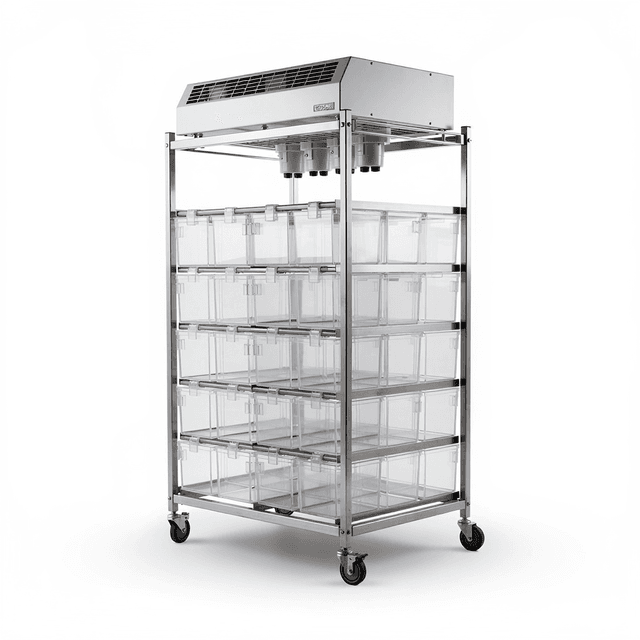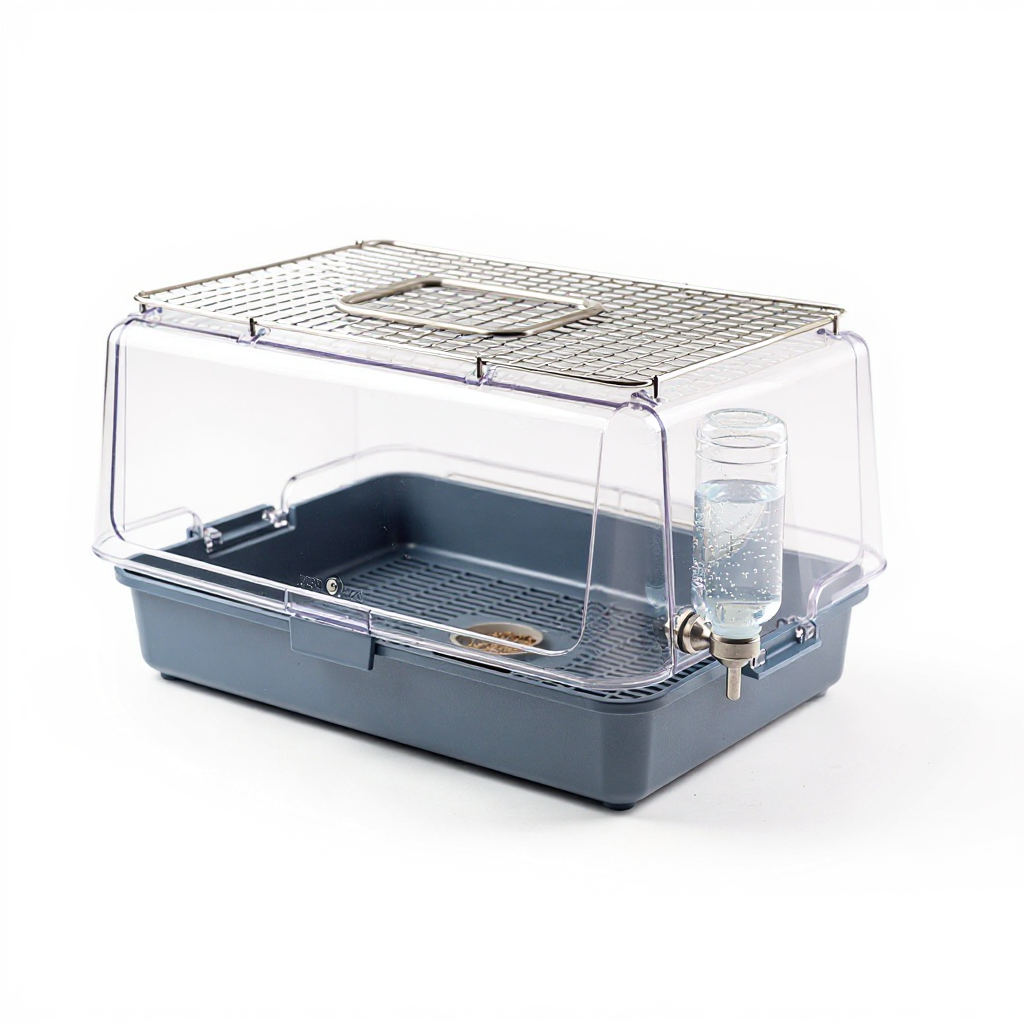
Individually Ventilated Cage System for Mice (Polysulfone, Autoclavable)
Autoclavable polysulfone mouse IVC system with SS304 rack construction, touchscreen AHU control, independent cage supply and exhaust, primary plus HEPA filtration, and 110V-250V power compatibility for sensitive mouse housing workflows.
Confirm the required sterilization cycle during quote review.

Louise Corscadden, PhD
Director of Science · ConductScience
Ask Louise about Individually Ventilated Cage System for Mice (Polysulfone, Autoclavable) fit, setup, configuration, or quote prep.
Already working with us? Sign in to connect this with My Scientist.
Key Specifications
Full details →- Model fit
- Configured during quote
- SKU family
- PTY-0003
- Shipping box
- 65.0 x 32.0 x 82.0 cm
- Ordering
- Online checkout and quote request available
- Category
- IVC Systems
- Build notes
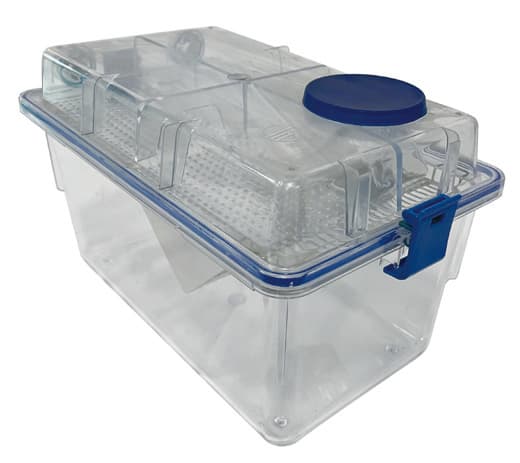
- Polysulfone (PSU), autoclavable
Overview
The Individually Ventilated Cage System for Mice (Polysulfone, Autoclavable) is the autoclavable PSU cage path in the ConductScience mouse IVC family. It combines polysulfone cage construction, SS304 stainless rack hardware, individual air supply and exhaust per cage, primary plus HEPA filtration, and touchscreen AHU control for mouse housing workflows where sterilization cadence and cage durability are major purchasing requirements.
The current product data specifies an autoclavable PSU cage path, 110V-250V power compatibility, CE/ISO/RoHS certifications, and semi-automated touchscreen control. Confirm the required sterilization cycle and rack footprint during quote review. The PSU version is the stronger fit when the facility wants a mouse IVC platform that can be cleaned and cycled through repeated sterilization between cohorts.
Scientific Use
Autoclavable PSU IVC housing is useful for SPF colonies, immunology, microbiology, oncology, toxicology, neuroscience, and behavioral pharmacology workflows where cage cleaning, decontamination, and cage-level ventilation need to be coordinated. HEPA-filtered independent cage airflow helps teams plan cleaner housing conditions for sensitive or long-running mouse studies.
Buying Fit
Choose this page when sterilization durability is more important than the lower-cost PC cage path. Compare it with the polycarbonate mouse IVC system for cage visibility and cost control, or the high-density mouse IVC system when the facility needs up to 126 cage positions per rack.
How It Works
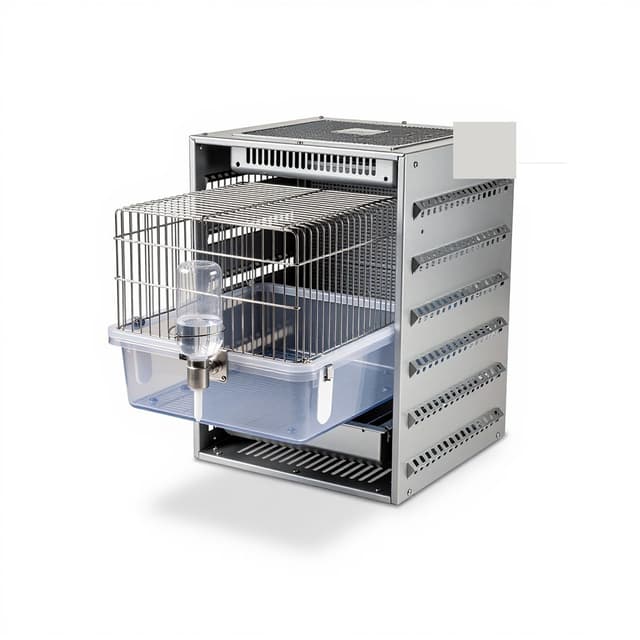
The system operates through individual air supply and exhaust pathways for each cage, creating independent microenvironments within the rack assembly. Air enters through primary filtration, passes through HEPA filtration to remove particles ≥0.3 micrometers at 99.97% efficiency, then distributes to individual cage supply lines. Each cage receives controlled airflow while exhaust air is independently extracted, preventing cross-contamination between housing units.
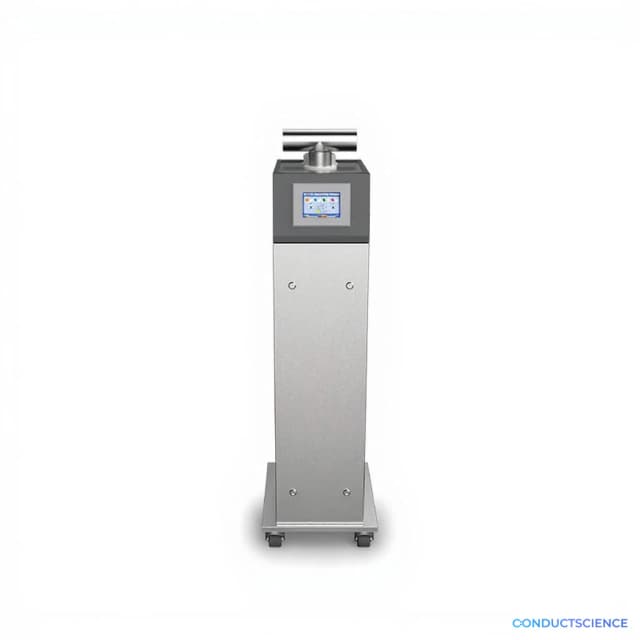
The touchscreen air handling unit (AHU) controls airflow parameters, monitors pressure differentials, and manages ventilation rates across all cage positions. The polysulfone cage construction withstands repeated autoclave cycles at 121°C without degradation, maintaining structural integrity and seal performance through thermal cycling. The SS304 stainless steel rack provides chemical resistance and supports the weight distribution of fully loaded cages while housing the integrated ventilation infrastructure.
Features & Benefits
Housing fit
- Mouse IVC housing with autoclavable PSU cage planning
Cage material
- Polysulfone (PSU), autoclavable
Autoclave planning
- Sterilization cycle requirements confirmed during quote review
Rack and control
- SS304 rack with touchscreen AHU control
Ventilation and filtration
- Individual cage supply/exhaust with primary plus HEPA filtration
Power
- 110V-250V
Shipping weight
- 120.0 lb
Shipping box
- L: 65.0 cm
- W: 32.0 cm
- H: 82.0 cm
| Feature | This Product | Typical Alternative | Advantage |
|---|---|---|---|
| Cage Material | Polysulfone (PSU) autoclavable at 121°C repeated cycles | Polycarbonate or polysulfone with limited autoclave compatibility | Enables complete sterilization between experimental cohorts while maintaining structural integrity through multiple thermal cycles. |
| Ventilation Design | Individual supply and exhaust per cage | Shared ventilation manifolds or passive air exchange systems | Prevents cross-contamination between cages and allows independent environmental control for each housing unit. |
| Control Interface | Touchscreen AHU control | Basic digital displays or manual controls | Provides real-time parameter monitoring and intuitive adjustment of ventilation settings for each cage position. |
| Filtration System | Primary + HEPA filtration | Single-stage filtration or basic particle filters | Achieves higher air quality standards with dual-stage particle removal for sensitive research applications. |
| Power Compatibility | 110V-250V universal input | Fixed voltage requirements | Accommodates international power standards for flexible laboratory installation without voltage conversion equipment. |
The system combines autoclavable polysulfone cage construction with individual ventilation control and dual-stage filtration, providing comprehensive environmental management for sensitive mouse research protocols. The touchscreen interface and universal power compatibility enhance operational flexibility compared to conventional IVC systems.
Practical Tips
Confirm the required PSU sterilization cycle and cleaning workflow during quote review.
Why: Cage material affects observation, cleaning workflow, sterilization planning, and long-term replacement cost.
Verify airflow and pressure behavior at representative rack positions after installation and filter changes.
Why: Facility connection, cage seating, and filter loading can affect actual performance even when the AHU is configured correctly.
Track cage position, rack level, and material type in colony and study records.
Why: Housing position and cage material can become hidden variables in long-running mouse studies if they are not recorded.
Setup Guide
What’s in the Box
- SS304 stainless steel IVC rack assembly
- Polysulfone mouse cages selected by configuration
- Air handling unit with touchscreen control
- Primary filter set and HEPA filter set
- Individual cage air supply and exhaust connections
- 110V-250V power path and facility installation planning
- Installation hardware, seals, and technical documentation reviewed during quote
Warranty
Support, replacement, and fulfillment terms are confirmed with the final quote and institutional purchasing requirements.
Compliance
Which mouse IVC page should I choose?
Choose this polysulfone page when repeated autoclaving and cage durability are the main decision. Choose the PC page for visibility/cost planning or the high-density page for up to 126 cage positions.
What filtration and airflow path is specified?
The current product data specifies individual air supply and exhaust per cage with primary plus HEPA filtration, coordinated through the air handling unit.
What facility requirements should be reviewed before ordering?
Review rack footprint, service clearance, 110V-250V power, facility air/exhaust planning, filter access, room ventilation, monitoring expectations, and husbandry workflow.
Can this be connected with the rest of the ConductScience IVC family?
Yes. Quote review can compare the general IVC Mouse Cage System, PC mouse IVC, PSU mouse IVC, high-density mouse IVC, and species-specific rat, rabbit, or guinea-pig systems.
Have a question about this product?
Have a question? Just ask.
Send it over and we'll email you a personalized answer — no call, no scheduling.
Prefer to talk it through?
Accessories
Enhance your setup with compatible accessories
Frequently Bought Together
Upgrade Options