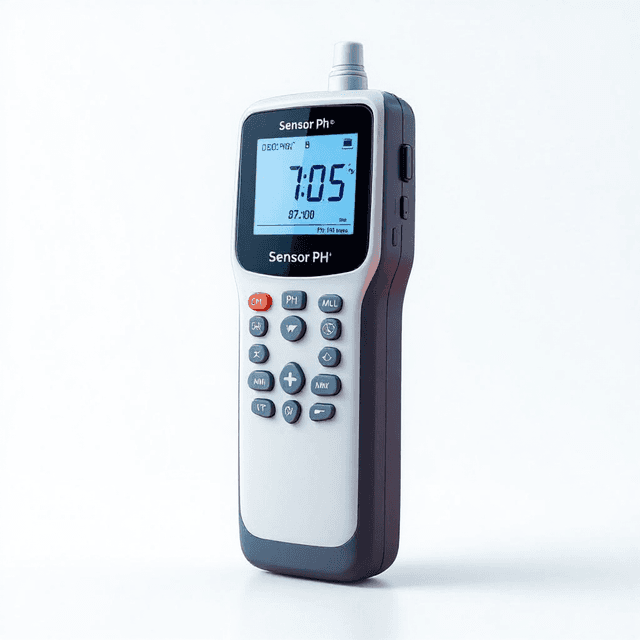
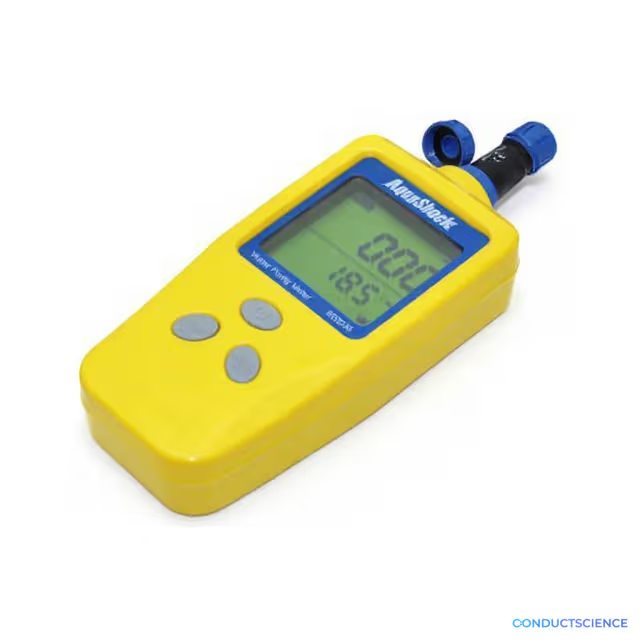
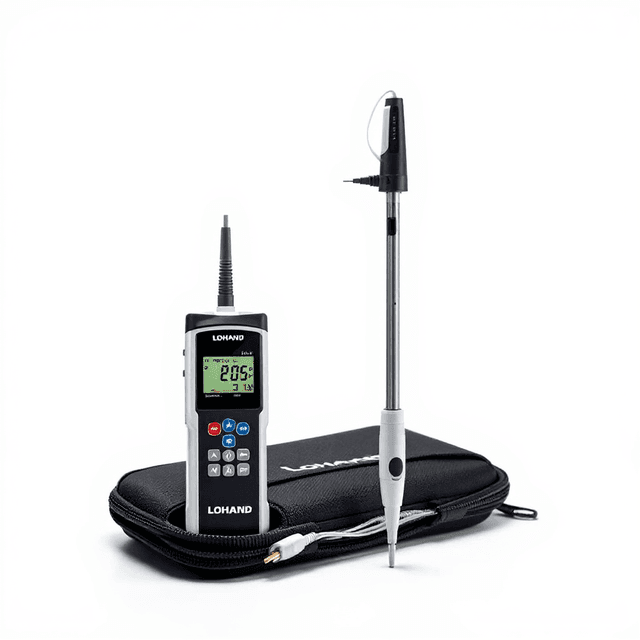
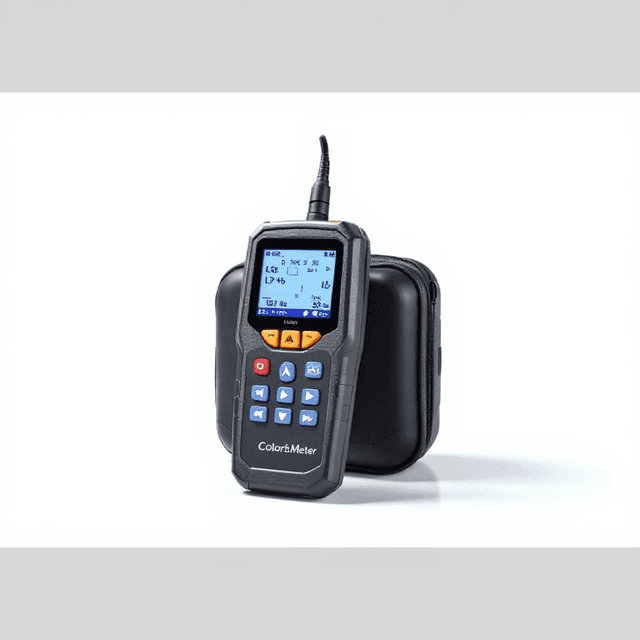
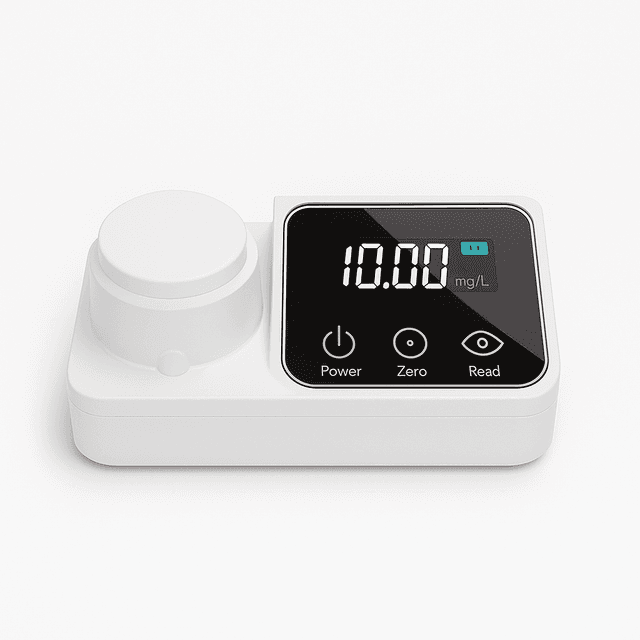
ORP Sensor
Oxidation-reduction potential sensor for water quality analysis and environmental monitoring, operating from 5-60°C.

Louise Corscadden, PhD
Director of Science · ConductScience
Ask Louise about ORP Sensor fit, setup, configuration, or quote prep.
Already working with us? Sign in to connect this with My Scientist.
Key Specifications
Full details →- Model fit
- Configured during quote
- SKU family
- CS-LH-ELC009
- Shipping box
- 20.0 x 10.0 x 5.0 cm
- Ordering
- Online checkout and quote request available
- Category
- Portable Analyzers
- Build notes
- Confirm accessories, station layout, and support needs before purchase
The ORP Sensor (Model 501) is an oxidation-reduction potential measurement electrode designed for water quality and environmental monitoring applications. This electrochemical sensor measures the redox potential of aqueous solutions, providing quantitative data on the oxidizing or reducing character of the sample medium.
Operating within a temperature range of 5-60°C, this sensor supports routine water analysis protocols in laboratory and field environments. The electrode pairs with corresponding reference electrodes for complete redox potential measurement systems used in titration analysis and environmental monitoring workflows.
How It Works
ORP sensors operate based on electrochemical principles, measuring the potential difference between a measuring electrode and a reference electrode when immersed in solution. The redox potential reflects the solution's tendency to accept or donate electrons, with positive values indicating oxidizing conditions and negative values indicating reducing conditions.
The electrode system responds to the ratio of oxidized to reduced species in solution according to the Nernst equation. When the sensor contacts the sample, an equilibrium potential develops at the electrode surface that correlates with the solution's overall redox state. This potential difference is measured in millivolts and provides quantitative assessment of the sample's oxidizing or reducing character.
Features & Benefits
501
- 5-60â
Automation Level
- manual
Brand
- ConductScience
Research Domain
- Analytical Chemistry
- Environmental Monitoring
- Industrial Hygiene
- Pharmaceutical QC
Shipping weight
- 0.26 lb
Shipping box
- L: 20.0 cm
- W: 10.0 cm
- H: 5.0 cm
| Feature | This Product | Typical Alternative | Advantage |
|---|---|---|---|
| Operating Temperature Range | 5-60°C | Many sensors offer similar ranges, though some may be limited to narrower temperature windows | Covers typical laboratory and moderate field conditions without requiring temperature compensation. |
| Electrode Design | Consult product datasheet for specific electrode configuration | Varies by model and manufacturer | Design selection depends on specific application requirements and sample matrix compatibility. |
| Measurement Principle | Electrochemical redox potential detection | Standard across ORP sensors | Provides direct, real-time measurement without sample consumption or reagent requirements. |
This ORP sensor provides redox potential measurement capability across a 5-60°C temperature range suitable for laboratory and field applications. Specific performance characteristics should be verified from the product datasheet.
Practical Tips
Use fresh standard ORP solutions for calibration and verify buffer values against reference standards.
Why: Standard solution degradation over time can introduce systematic measurement errors.
Clean electrode surfaces gently with appropriate solvents and avoid abrasive cleaning methods.
Why: Electrode surface condition directly affects measurement accuracy and response time.
Allow sufficient equilibration time for stable readings, particularly in low ionic strength solutions.
Why: Electrode response time varies with sample composition and temperature.
Check reference electrode fill solution levels if measurements drift during use.
Why: Low electrolyte levels in reference electrodes cause potential instability.
Record sample temperature alongside ORP measurements for proper data interpretation.
Why: Redox potential has temperature dependence that affects measurement interpretation.
Ensure proper grounding of measurement instruments when working with electrochemical sensors.
Why: Electrical safety and measurement accuracy both require proper system grounding.
Setup Guide
What’s in the Box
- ORP sensor electrode (typical)
- Connection cable (typical)
- User manual (typical)
- Calibration certificate (typical)
Warranty
ConductScience provides standard manufacturer warranty coverage with technical support for electrode products.
Compliance
References
Background reading relevant to this product:
What reference electrode is required for ORP measurements?
ORP sensors require pairing with a stable reference electrode such as Ag/AgCl or calomel electrodes. Consult product documentation for specific compatibility requirements.
How frequently should the sensor be calibrated?
Calibration frequency depends on measurement accuracy requirements and sample matrix. For routine water analysis, daily calibration with standard ORP solutions is recommended.
What is the typical measurement range for ORP sensors?
Consult the product datasheet for specific measurement range and accuracy specifications for this sensor model.
Can this sensor be used in high ionic strength solutions?
Electrode performance in high ionic strength media depends on specific design characteristics. Review technical specifications for solution compatibility limits.
What maintenance is required for long-term stability?
Regular cleaning of electrode surfaces and proper storage in appropriate solutions maintains measurement stability. Follow manufacturer maintenance protocols.
Have a question about this product?
Have a question? Just ask.
Send it over and we'll email you a personalized answer — no call, no scheduling.
Prefer to talk it through?
Accessories
Enhance your setup with compatible accessories
Frequently Bought Together