Quantitative Body Composition Analyzer (Mouse)
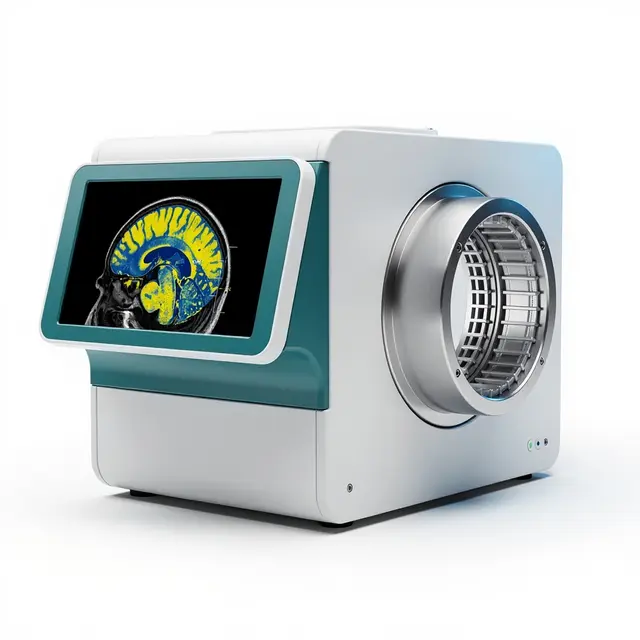
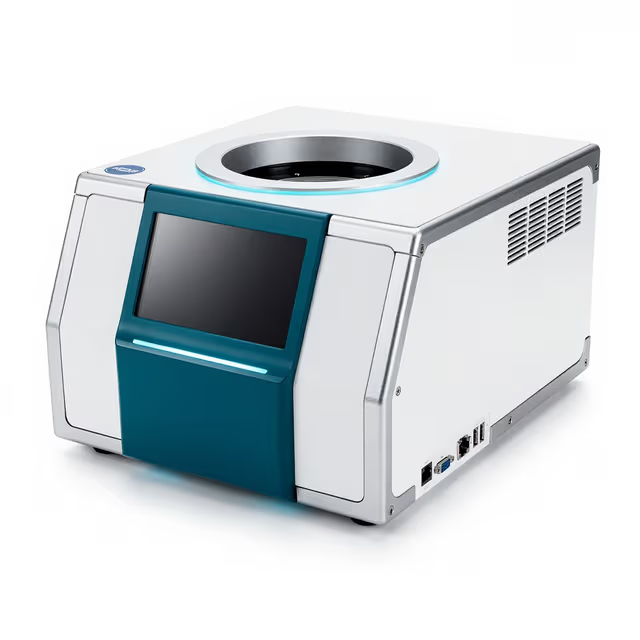
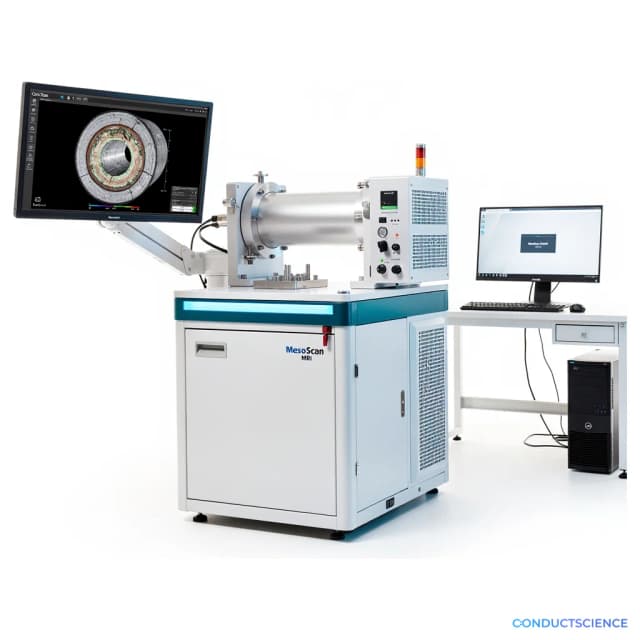
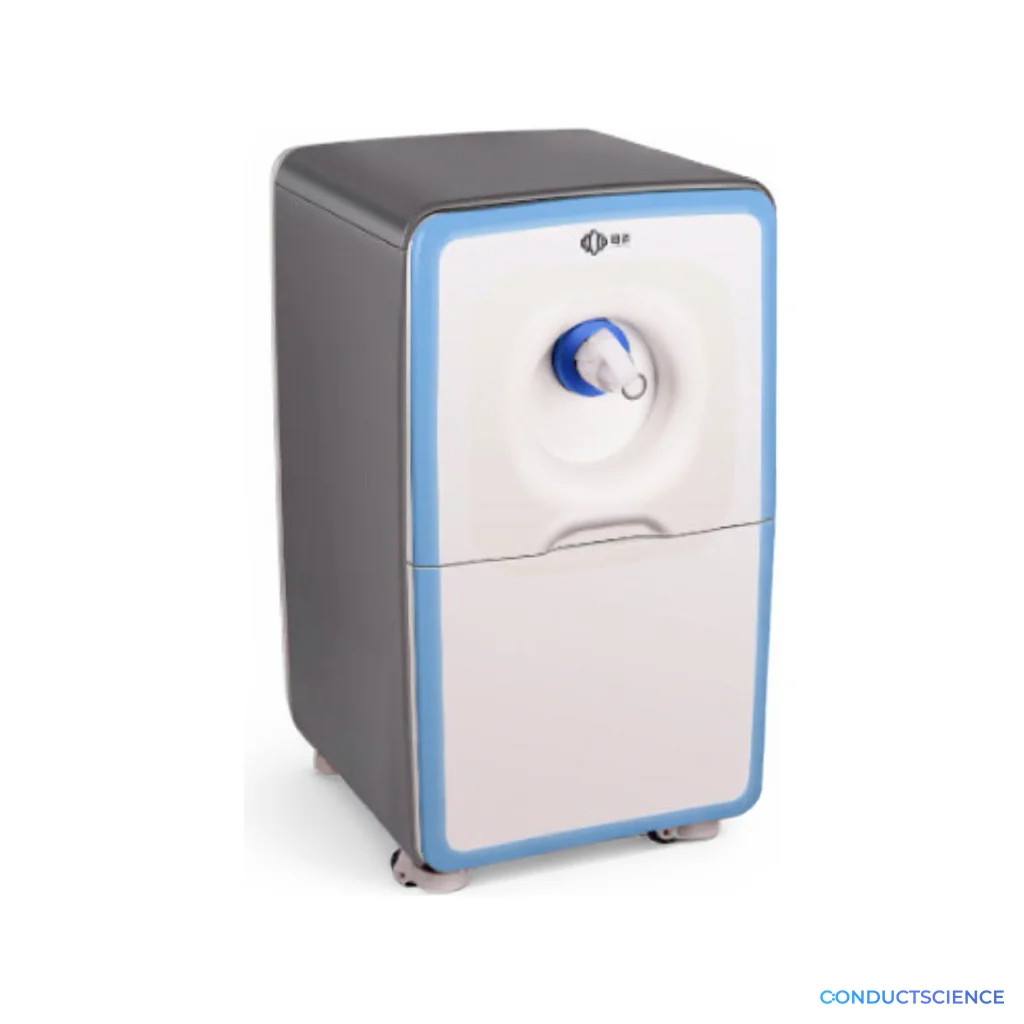
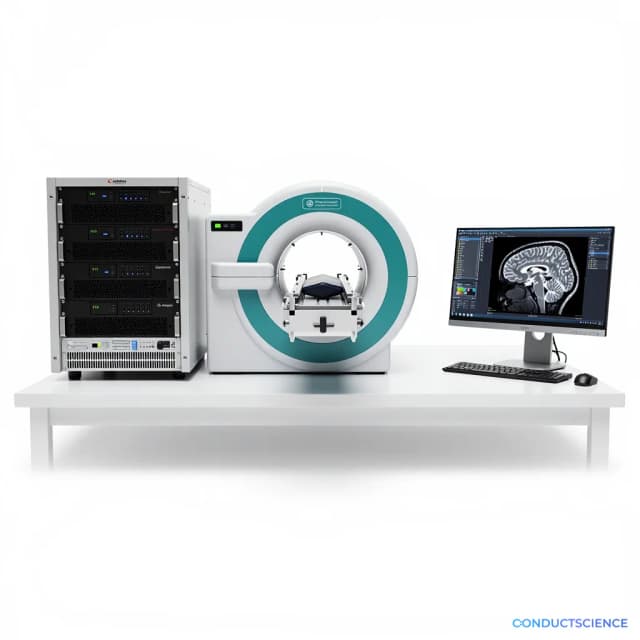
NMR Quantitative Body Composition Analyzer with 60mm bore for conscious mice weighing 10–100g. Provides rapid, non-invasive fat, lean tissue, and free water measurements in under 80 seconds using low-field NMR technology.
| Bore Size | 60mm |
| Model | QMR06-060H |
| Suitable For | Mice 10–100g |
| Application | Quantitative Body Composition Analysis |
| Technology | Low-Field NMR (Permanent Magnet) |
| Magnetic Field Strength | 0.15±0.015 T |

The Quantitative Body Composition Analyzer for mice employs quantitative magnetic resonance (QMR) technology to provide rapid, non-invasive assessment of body composition in conscious animals. Operating at 0.15±0.015 T magnetic field strength with 1H nucleus detection, the system differentiates fat, lean tissue, and free water compartments through distinct NMR signal characteristics, enabling precise longitudinal tracking without the stress or confounding variables associated with anesthesia.
The 60mm bore diameter accommodates standard laboratory mice from 10g to 100g while maintaining measurement precision through optimized RF coil geometry. Body fat content standard deviation is ≤0.3% across repeated measurements. Scan acquisition completes in under 80 seconds, supporting high-throughput phenotyping protocols essential for metabolic research, obesity studies, pharmaceutical efficacy evaluation, and nutritional research.
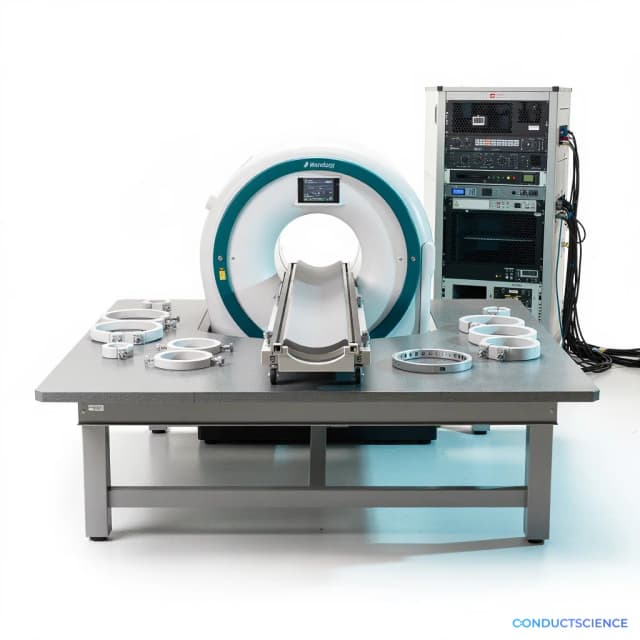
The system uses a permanent magnet requiring no cryogens or shielded room, with temperature control accuracy of ≤0.01°C for stable measurements. The spectrometer communicates via Gigabit Ethernet or USB with 2 receiver channels and RF transmission power exceeding 300W. FLAT technology reduces probe energy and decreases the specific absorption rate of RF energy to samples. The spiral bayonet-controlled piston-type animal holder ensures secure, comfortable restraint during conscious measurements.
Power requirements: 220V, 50/60 Hz, rated power 1 kW. Operating temperature: 22–28°C. Environmental humidity: 30–90%, no condensation. Main unit dimensions: 600×650×1050mm. Total weight: approximately 400 kg. Includes 12-month warranty covering labor and spare parts.
How It Works
Quantitative magnetic resonance exploits the distinct NMR relaxation properties of different tissue types to separate body composition signals without anatomical imaging. The 0.14 T permanent magnet generates a uniform magnetic field that aligns nuclear spins in hydrogen-containing molecules. Radiofrequency pulses at 6 MHz excite these spins, and the subsequent relaxation signals are analyzed to differentiate fat, lean tissue, and free water based on their characteristic T1 and T2 relaxation times.
Fat tissue exhibits shorter T1 relaxation due to molecular motion characteristics, while free water shows longer relaxation times. Lean tissue produces intermediate signals reflecting bound water and protein content. The system applies proprietary algorithms to deconvolve these overlapping signals into quantitative mass measurements for each compartment. Signal acquisition occurs while the mouse remains conscious in a restraint tube, eliminating metabolic perturbations from anesthesia that could affect tissue hydration and composition measurements.
Features & Benefits
Bore Size
- 60mm
Model
- QMR06-060H
Suitable For
- Mice 10–100g
Application
- Quantitative Body Composition Analysis
Technology
- Low-Field NMR (Permanent Magnet)
Magnetic Field Strength
- 0.15±0.015 T
Measurement Speed
- ≤80 seconds
Repeatability
- Fat SD ≤0.3%
Power
- 220V, 50/60 Hz, 1 kW
Certifications
- CE, ISO 9001, ISO 14001
Weight
- 400.0 kg
Dimensions
- L: 60.0 mm
- W: 65.0 mm
- H: 105.0 mm
Comparison Guide
| Feature | This Product | Typical Alternative | Advantage |
|---|---|---|---|
| Magnetic Field Strength | 0.14 T permanent magnet | Entry-level systems often use lower field strengths | Provides stable field strength for consistent measurements without cryogenic cooling requirements. |
| Bore Diameter | 60 mm bore | Smaller bore diameters may restrict animal positioning | Accommodates standard mice while maintaining optimal RF coil coupling for measurement precision. |
| Scan Duration | Under 90 seconds | Longer scan times increase animal stress | Enables high-throughput protocols with minimal animal handling time. |
| Animal State | Conscious measurement protocol | Some systems require anesthesia | Eliminates anesthesia-related metabolic confounds and supports repeated measurements. |
This system combines rapid scan acquisition under 90 seconds with conscious animal protocols, enabling high-throughput metabolic phenotyping without anesthesia confounds. The 0.14 T permanent magnet provides stable operation without cryogenic requirements, while the 60 mm bore accommodates standard laboratory mice with optimal measurement precision.
Practical Tips
Run calibration standards at the beginning of each measurement session to ensure system stability.
Why: Magnetic field drift over time can affect measurement accuracy and reproducibility.
Allow animals to acclimate to the restraint tube for 2-3 minutes before scanning to reduce movement artifacts.
Why: Animal stress and movement can introduce signal variability and affect measurement precision.
Clean the restraint tube with appropriate disinfectant between animals to prevent cross-contamination.
Why: Maintains hygiene standards and prevents introduction of foreign material that could affect NMR signals.
Record animal temperature and hydration status as these factors can influence free water measurements.
Why: Physiological variables affect tissue water content and can introduce systematic measurement bias.
Check for ferrous materials in the measurement area if signal quality degrades unexpectedly.
Why: Magnetic field disturbances from metal objects can compromise measurement accuracy and repeatability.
Remove all ferrous items from personnel before approaching the magnet assembly.
Why: Permanent magnets create strong local fields that can attract metal objects and pose safety risks.
Setup Guide
What’s in the Box
- QMR analyzer main unit
- Animal restraint tube system (typical)
- Calibration reference standards (typical)
- Control computer interface cable (typical)
- Power supply and cables (typical)
- Acquisition and analysis software (typical)
- User manual and calibration protocols (typical)
Warranty
ConductScience provides standard one-year manufacturer warranty covering parts and labor, with technical support for installation, calibration, and operational guidance throughout the warranty period.
Compliance
What is the measurement precision for fat and lean mass quantification?
Consult product datasheet for specific precision and accuracy specifications. QMR systems typically achieve coefficient of variation under 2% for repeated measurements.
How does conscious animal measurement compare to DEXA scanning accuracy?
QMR provides direct tissue composition measurement through NMR relaxation properties, while DEXA uses X-ray attenuation. Both methods show strong correlation, with QMR offering the advantage of conscious animal protocols.
What is the minimum and maximum mouse weight range for accurate measurements?
Consult product specifications for weight range limits. The 60 mm bore accommodates standard laboratory mice from weanling through adult stages.
Can the system detect changes in body composition over short time periods?
The measurement precision enables detection of composition changes over days to weeks, depending on the magnitude of change and experimental design statistical power.
How often does the system require recalibration?
Consult manufacturer recommendations for calibration frequency. Typically performed weekly or before critical measurement series using provided reference standards.
What data formats are provided for analysis software integration?
Consult software documentation for export formats. Most QMR systems provide CSV or text file outputs compatible with statistical analysis packages.
Are there specific environmental requirements for installation?
Requires stable, non-magnetic environment away from ferrous materials and electromagnetic interference sources. Consult installation manual for specific temperature and humidity requirements.
What is the weight range for mice in the 60mm bore model?
The 60mm bore model accommodates mice weighing 10–100g with the standard probe. This comfortably fits most common laboratory mouse strains including obese models on high-fat diets, which typically reach 40–55g.
How long does a single body composition measurement take?
A complete body composition scan (fat mass, lean mass, and free water content) takes 80 seconds or less per animal. No anesthesia or sample pretreatment is required — animals are measured while fully conscious.
What software is included with the system?
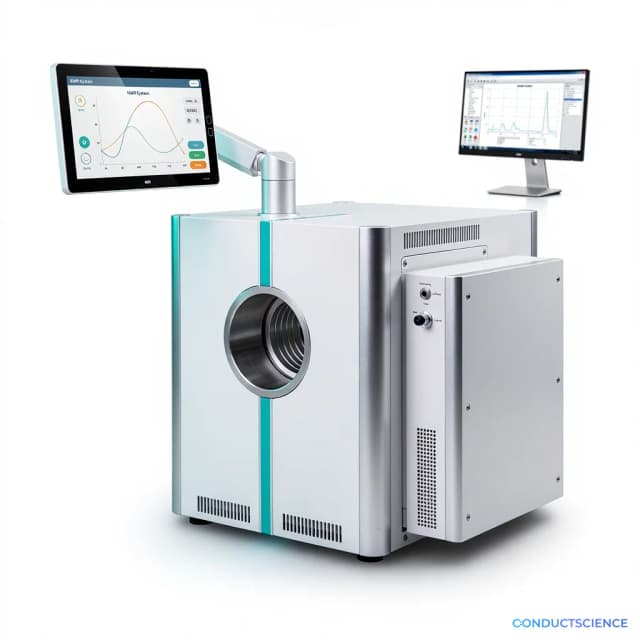
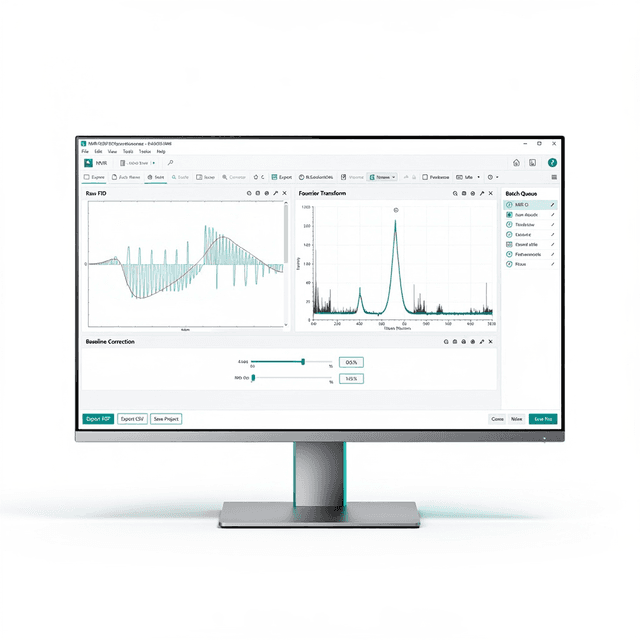
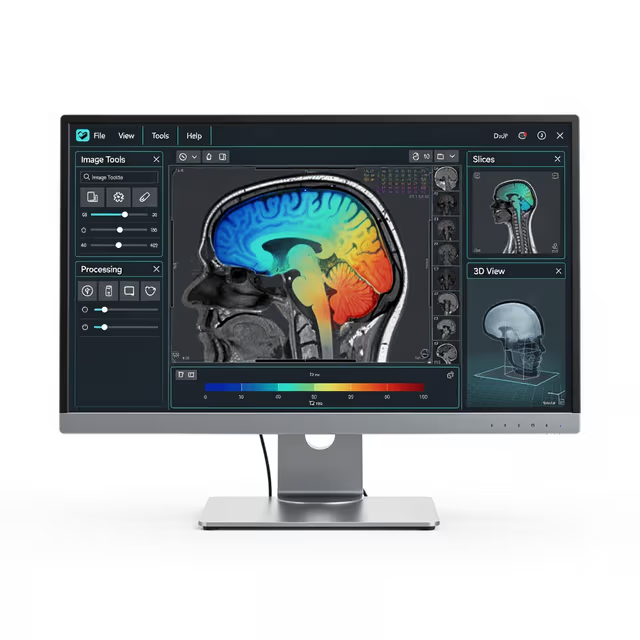
Two software packages are included: (1) a body composition analysis application with one-click measurement, automatic parameter optimization, and automatic model matching for rapid fat, lean, and free water quantification; and (2) a general NMR analysis application with multiple pulse sequences (FID, Spin Echo, CPMG, SR, IR), scheduled sampling with automatic data saving, and fast inversion algorithms.
Does the system require cryogens or a shielded room?
No. The system uses a permanent magnet with strong anti-interference capability. No cryogens, shielded room, or special facility modifications are required. The control cabinet is designed to be easily relocated.
What are the power and environmental requirements?
Power: 220V, 50/60 Hz, rated power 1 kW. Operating temperature: 22–28°C with temperature drift <2°C/h. Environmental humidity: 30–90%, no condensation. The main unit measures 600×650×1050mm and weighs approximately 400 kg.
Have a question about this product?
Frequently Bought Together
Upgrade Options