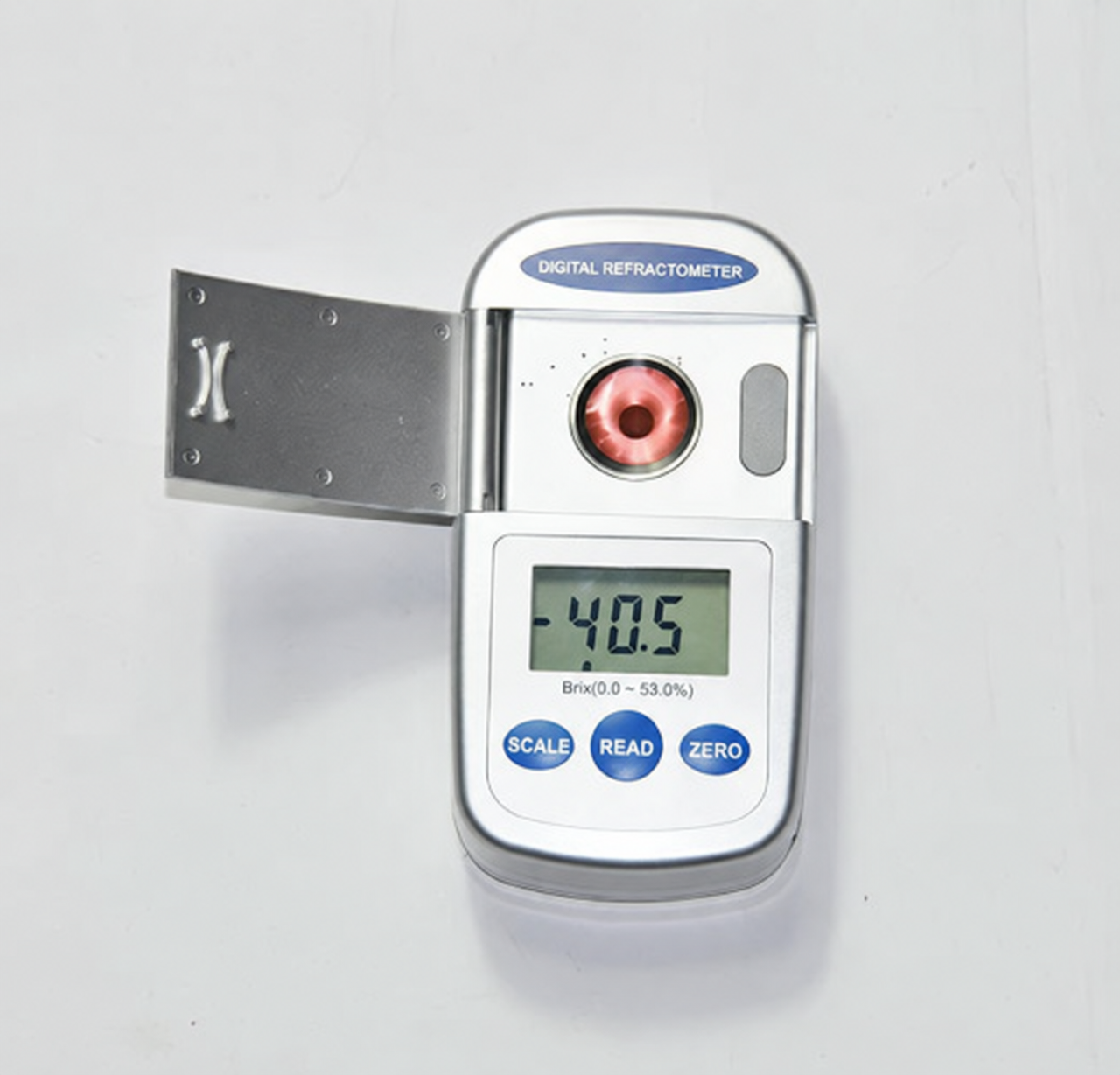
Refractometer Measures
Portable digital refractometer measuring refractive index from 1.3330-1.3900 nD with specialized scales for glycols, battery acid, and cleaning solutions.

Louise Corscadden, PhD
Director of Science · ConductScience
Ask Louise about Refractometer Measures fit, setup, configuration, or quote prep.
Already working with us? Sign in to connect this with My Scientist.
Key Specifications
Full details →- Model fit
- Configured during quote
- SKU family
- CS-LH-REF014
- Shipping box
- 20.0 x 10.0 x 5.0 cm
- Ordering
- Online checkout and quote request available
- Category
- Refractometers
- Build notes
- Confirm accessories, station layout, and support needs before purchase
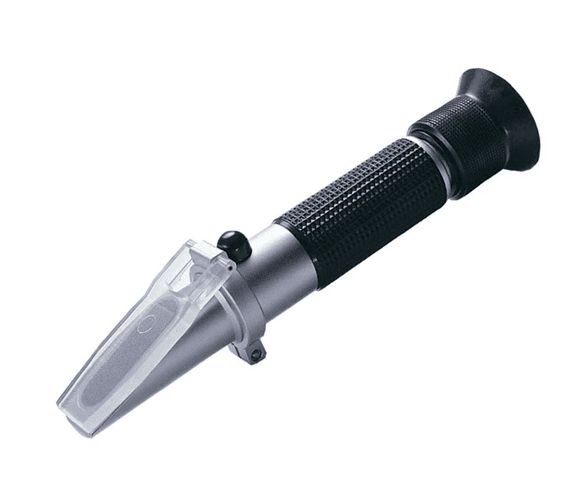
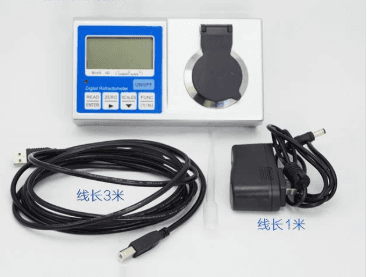
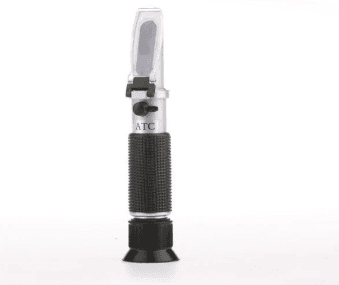
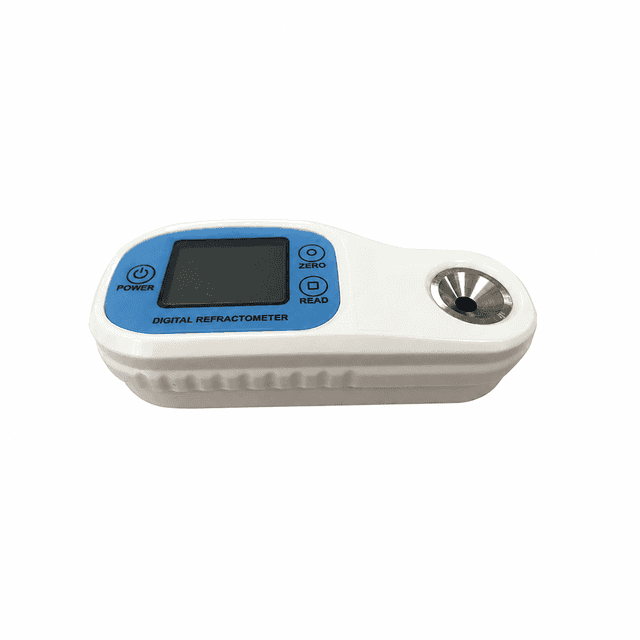
The CNB50 digital refractometer is a portable instrument designed for multi-parameter liquid analysis in laboratory and field environments. This handheld device measures refractive index and provides automated calculation of concentration values for propylene glycol, ethylene glycol, battery acid, and cleaning solutions. The instrument features one-key detection for rapid measurement of physical indices in various liquid samples.
The refractometer utilizes digital optics to deliver measurement ranges spanning refractive indices from 1.3330 to 1.3900 nD, with specialized scales for ethylene glycol (-50 to 0°C), cleaning solutions (-40 to 0°C), and battery specific gravity (1.000-1.500 sg). Additional measurement capabilities include urine specific gravity and serum protein concentration (0-12 range), making this instrument suitable for diverse analytical applications requiring rapid, field-portable refractive index determination.
How It Works
The CNB50 refractometer operates on the principle of critical angle measurement using digital optics. When light passes from the sample into the prism at the critical angle, total internal reflection occurs at the interface. The instrument's photodetector array measures the precise angle at which this reflection transition occurs, allowing calculation of the refractive index with high accuracy.
The digital processing unit converts the measured refractive index into concentration values using pre-programmed calibration curves specific to each measured substance. For glycols, the instrument correlates refractive index changes with concentration based on established temperature-compensated algorithms. The one-key detection system automates the measurement sequence, minimizing operator variability and providing rapid results suitable for field applications.
Temperature compensation is integrated into the measurement algorithm to account for thermal effects on refractive index. The portable design incorporates LED illumination and digital display technology to ensure consistent measurement conditions across varying environmental parameters.
Features & Benefits
Refractometer measures CNB50
- PROPYENE G.
ETHYLENE G
- (0)-(-50)â
BATTERT
- 1.000-1.500sg
CLEANER
- (0)-(-40)â
CNNX2
- URINE SP.G
SERUM P.
- 0-12
RI(nD)
- 1.3330-1.3900
Automation Level
- semi-automated
Brand
- ConductScience
Research Domain
- Analytical Chemistry
- Clinical Diagnostics
- Environmental Monitoring
- Industrial Hygiene
- Materials Science
- Pharmaceutical QC
Shipping weight
- 0.26 lb
Shipping box
- L: 20.0 cm
- W: 10.0 cm
- H: 5.0 cm
| Feature | This Product | Typical Alternative | Advantage |
|---|---|---|---|
| Measurement Parameters | Propylene glycol, ethylene glycol, battery acid, cleaning solutions, urine specific gravity, serum protein | Entry-level models often focus on single parameters like Brix or salinity | Multi-parameter capability reduces instrument inventory requirements and enables diverse analytical workflows with one device. |
| Refractive Index Range | 1.3330-1.3900 nD | Basic models may offer narrower measurement ranges | Broad measurement range accommodates most aqueous solutions and glycol mixtures encountered in research applications. |
| Operation Method | One-key detection with automated calculation | Manual reading instruments require visual interpretation | Automated measurement reduces operator variability and provides consistent results across different users. |
| Display Technology | Digital display with direct concentration readout | Optical systems require manual scale reading | Digital display eliminates reading errors and provides direct concentration values without manual conversion. |
The CNB50 provides multi-parameter measurement capability with automated calculation and digital display technology. The instrument offers broad refractive index coverage and specialized scales optimized for glycol analysis and industrial applications.
Practical Tips
Perform zero-point calibration with distilled water at the beginning of each measurement session.
Why: Temperature and environmental changes can affect baseline measurements, requiring periodic recalibration for accuracy.
Allow samples to equilibrate to ambient temperature for 30 seconds before measurement.
Why: Temperature differences between sample and instrument can introduce measurement errors despite internal compensation.
Clean the prism with distilled water and lint-free tissue after each use, avoiding circular wiping motions.
Why: Proper cleaning prevents sample carryover and maintains optical surface quality for accurate measurements.
Verify measurement repeatability by taking three consecutive readings on the same sample.
Why: Multiple readings help identify measurement variability and ensure data reliability for quantitative applications.
If readings appear inconsistent, check for air bubbles under the daylight plate and ensure complete prism coverage.
Why: Air bubbles create optical discontinuities that interfere with refractive index measurement accuracy.
Use appropriate personal protective equipment when handling potentially hazardous samples like battery acid.
Why: Chemical safety protocols must be followed even with portable analytical instruments to prevent exposure risks.
Setup Guide
What’s in the Box
- CNB50 digital refractometer (typical)
- Daylight plate assembly (typical)
- Calibration screwdriver (typical)
- Protective case (typical)
- Battery set (typical)
- User manual and calibration instructions (typical)
- Calibration solutions set (typical)
Warranty
ConductScience provides a one-year manufacturer warranty covering defects in materials and workmanship, with comprehensive technical support throughout the instrument lifecycle.
Compliance
References
Background reading relevant to this product:
What is the measurement accuracy for glycol concentration determinations?
Consult product datasheet for specific accuracy specifications. Digital refractometers typically provide concentration accuracy within ±0.1-0.5% for glycol solutions, depending on concentration range and temperature conditions.
How frequently should the instrument be calibrated?
Calibrate with distilled water before each measurement session or when changing measurement scales. Verify calibration accuracy using certified reference standards weekly for critical applications.
Can the instrument measure heated or cooled samples?
Temperature compensation is integrated into the measurement algorithm. Sample temperature should equilibrate with ambient conditions for optimal accuracy, typically requiring 30 seconds equilibration time.
What sample volume is required for measurement?
Typical requirement is 2-3 drops of sample to completely cover the prism surface. Ensure no air bubbles are present between sample and prism interface.
How should the prism be cleaned between samples?
Clean with distilled water and dry with lint-free tissue. For contaminated samples, use appropriate solvent followed by distilled water rinse. Avoid abrasive materials that could scratch the optical surface.
Can custom calibration curves be programmed?
Consult product documentation for programmable calibration capabilities. Standard models typically include factory-programmed scales for common solutions.
What is the battery life under normal operating conditions?
Consult product datasheet for specific battery life specifications. LED-illuminated digital refractometers typically provide 8-12 hours continuous operation depending on measurement frequency.
Have a question about this product?
Have a question? Just ask.
Send it over and we'll email you a personalized answer — no call, no scheduling.
Prefer to talk it through?