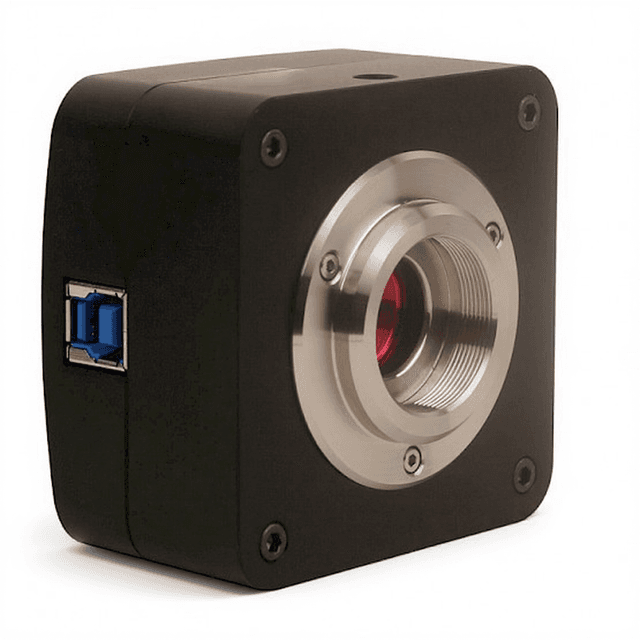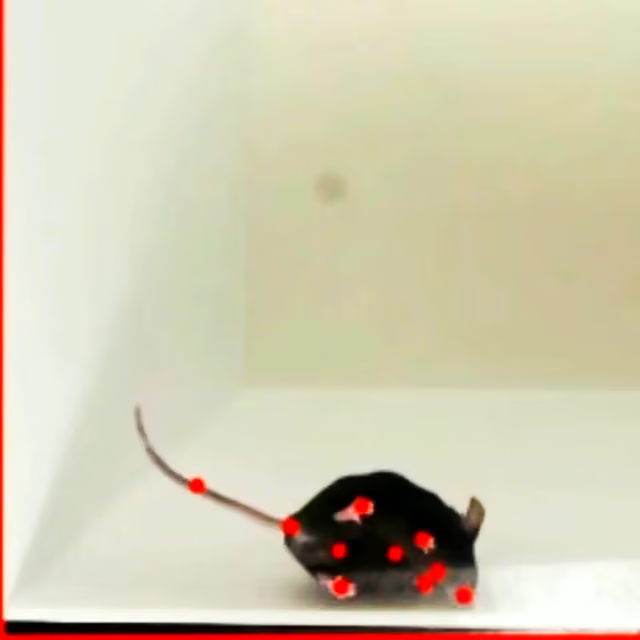
ConductVision
$1,490 per yearA 5-year license is $3,990 in total.
The same license also scores standard tests such as the open field, the elevated plus maze, the Y-maze and the Morris water maze. Results export as CSV files.
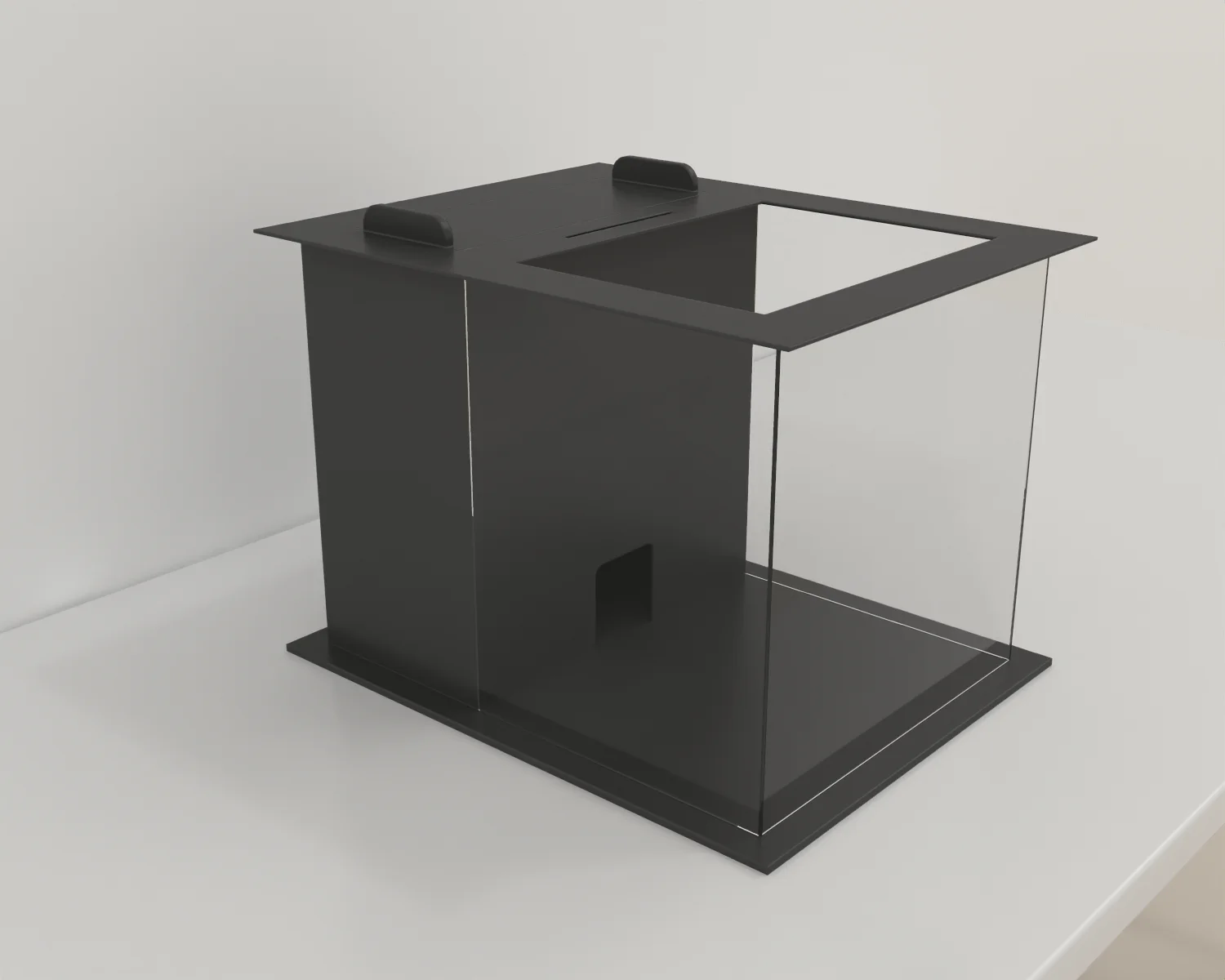
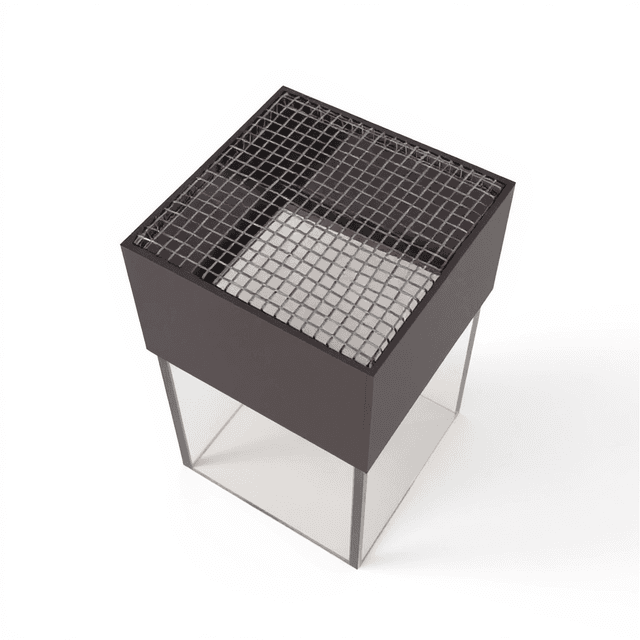
Open-topped behavioral testing apparatus for controlled observation and measurement of rodent behavior with unrestricted visual access for video recording and experimental interventions.

Director of Science · ConductScience
Ask Louise about Rodent Open Topped Apparatus fit, setup, configuration, or quote prep.
Already working with us? Sign in to connect this with My Scientist.
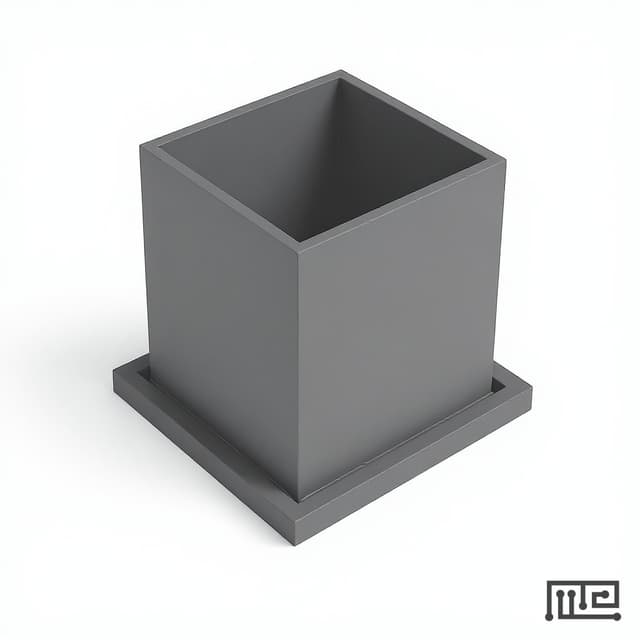
The Rodent Open Topped Apparatus is a behavioral testing platform designed for controlled observation and measurement of rodent behavior in an unrestricted environment. This apparatus features an open-top design that allows for unobstructed video recording and direct behavioral assessment while maintaining standardized testing conditions for mouse and rat subjects.
The open-topped configuration enables researchers to conduct behavioral studies that require visual monitoring, environmental manipulation, or interventions during testing sessions. The apparatus provides a controlled spatial environment for measuring locomotor activity, exploration patterns, and behavioral responses while allowing full access for experimental protocols that cannot be conducted in enclosed systems.
The open-topped design provides an unobstructed testing environment where rodents can move freely while remaining contained within defined boundaries. The apparatus allows researchers to monitor behavior through direct observation, video recording systems, or automated tracking technologies without the optical interference or behavioral modifications that can occur with enclosed systems.
The platform enables standardized behavioral assessments by providing consistent spatial dimensions and environmental conditions across testing sessions. The open access allows for real-time experimental manipulations, introduction of environmental stimuli, or collection of biological samples during behavioral testing protocols.
| Measurement | Mouse | Rat |
|---|---|---|
| Size | 18cm x 27 x 30cm dark chamber; 27 x 27 x30 cm light chamber; 7.5 × 7.5 cm corridor | 29cm x 43 x 48cm dark chamber; 43 x 43 x48 cm light chamber; 12 × 12 cm corridor |
| Feature | This Product | Typical Alternative | Advantage |
|---|---|---|---|
| Visual Access | Unrestricted open-top design | Enclosed systems with limited visibility | Enables direct behavioral observation and high-quality video recording without optical interference |
| Experimental Access | Full access during testing | Restricted access in enclosed chambers | Allows real-time interventions and environmental manipulations during behavioral assessment |
| Species Compatibility | Mouse and rat compatible | Single species optimization | Provides flexibility for comparative studies across different rodent models |
| Cleaning Efficiency | Open design for easy cleaning | Enclosed systems with limited access | Reduces turnaround time between subjects and ensures thorough decontamination |
This apparatus provides unrestricted visual access and experimental flexibility for behavioral studies requiring direct observation or intervention capabilities across mouse and rat species.
| Model | Size | SKU | Listed price | Status | Shipping box |
|---|---|---|---|---|---|
| Mouse | 18cm x 27 x 30cm dark chamber; 27 x 27 x30 cm light chamber; 7.5 × 7.5 cm corridor | CS-958323 | $1,190.00 | Available | 65.0 x 36.0 x 27.0 cm |
| Rat | 29cm x 43 x 48cm dark chamber; 43 x 43 x48 cm light chamber; 12 × 12 cm corridor | CS-958323 | $1,390.00 | Available | 65.0 x 36.0 x 27.0 cm |
Maintain consistent lighting conditions across all testing sessions to minimize behavioral variability.
Why: Changes in illumination can significantly affect rodent exploration patterns and activity levels.
Inspect apparatus surfaces regularly for scratches or damage that could create hiding spots or alter behavior.
Why: Surface irregularities can influence movement patterns and introduce uncontrolled variables into behavioral assessments.
Position recording equipment to minimize shadows and ensure complete coverage of the testing area.
Why: Consistent video quality is essential for accurate automated tracking and behavioral analysis.
Allow subjects to acclimate to the testing room for at least 30 minutes before apparatus exposure.
Why: Pre-adaptation to the testing environment reduces stress-related behavioral artifacts.
Monitor subjects continuously during testing to prevent escape or injury.
Why: Open-topped design requires vigilant observation to maintain animal safety and data integrity.
Verify apparatus dimensions and tracking system calibration before each experimental series.
Why: Accurate spatial measurements are critical for quantitative behavioral analysis and reproducible results.
Check for environmental disturbances such as vibrations or unexpected sounds that could affect behavior.
Why: External stimuli can confound behavioral measurements and reduce experimental validity.
ConductScience provides a standard one-year manufacturer warranty covering defects in materials and workmanship, with technical support available for setup and operational guidance.
The Rodent Open Topped Apparatus test, similar to the light/dark test, is based on the approach-avoidance conflict between rodents’ innate aversion to brightly illuminated and open areas and on the spontaneous exploratory behaviors in novel environments (Arrant, Schramm-Sapyta, & Kuhn, 2013). During the test, the subject can explore the apparatus and move freely between the light and dark chambers. An increase in the number of crossings between the two compartments indicates reduced anxiety-related behaviors. Moreover, the time spent on the light side and the distance traveled also reflect anxiety-like behaviors. Therefore, the Rodent Open Topped Apparatus is useful for studies investigating the efficacy of anxiolytic and anxiogenic drugs and psychostimulants on anxiety-related behaviors.
Other apparatuses used to study rodent anxiety includes the Successive Alleys Apparatus, the Tail Suspension Apparatus, the Elevated Plus Maze, and the Sleep Deprivation Chamber.
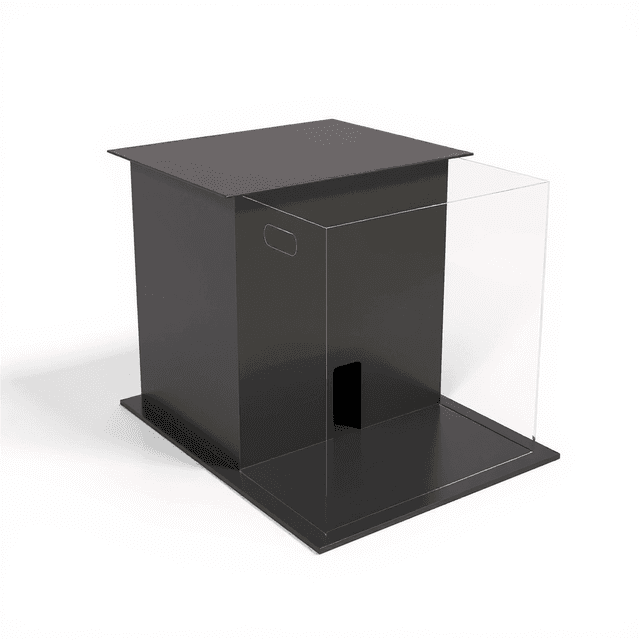
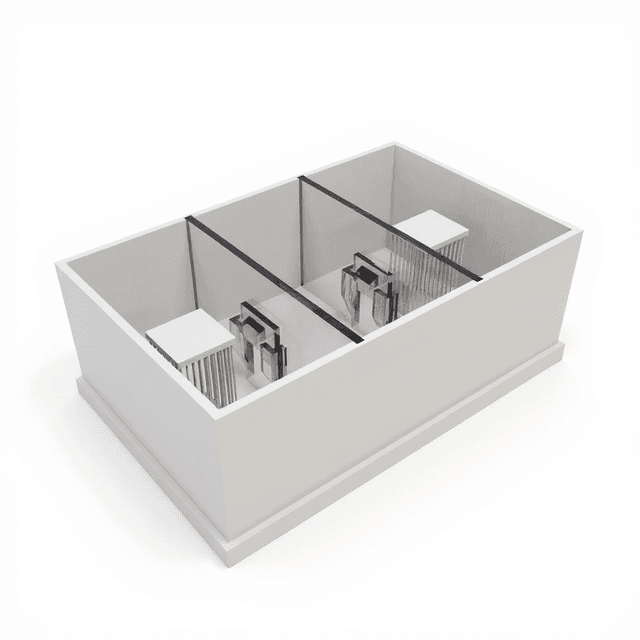
The Rodent Open Topped Apparatus is constructed of acrylic. It is divided into two portions by a partition and comprises a clear “light” side that is smaller and a fully opaque “dark” side. A opening connects the light and dark sides.
The light compartment includes a clear plexiglass lid, which can be opened or closed. It is recommended that a 60-W light bulb illuminates the light side with ∼400 lux. The dark side can be either completely shielded from view or equipped with a lid-mounted observation window and a 60-W red lamp to provide illumination of <10 lux. The white light on the other side must be appropriately directed only towards the light side if the dark side is equipped for observation to prevent any light from leaking into the dark compartment.
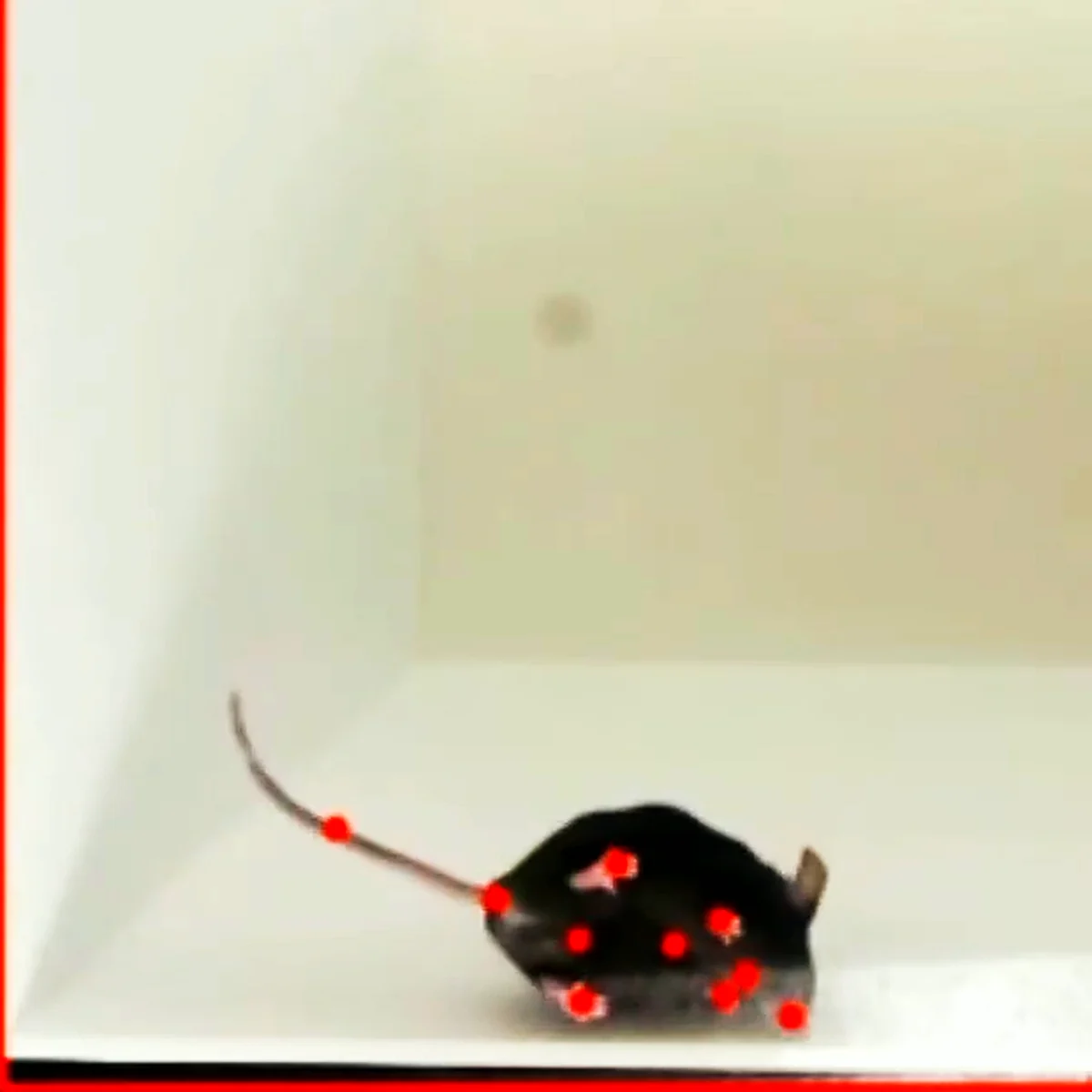
Rodent location can be tracked using a video tracking software package such as Noldus EthoVision, ANY-Maze, or BehaviorCloud.
Bring the subject inside the test room at least an hour before the test and shield them from outside disturbances. The subject can either be tested in the morning for a standard light cycle or in the afternoon for a reversed cycle. Adapt the subjects for three weeks before testing if the reversed cycle is used. To reduce diurnal variance, standardize the testing time. Place the subject in a holding cage after administering a drug or vehicle to them. The drug and injection route influence the time between the injection and the test. To reduce the injection’s stressful effects, provide at least 10 minutes of rest before beginning testing.
Clean the apparatus after each trial by wiping it with water, removing feces, and wiping urine. Clean the apparatus with water and a mild laboratory detergent after each testing day. Avoid using detergents with strong scents.
Rodent Open Topped Apparatus Task
Place the subject in the middle of the light compartment of the apparatus, facing away from the opening. Allow the subject to explore the apparatus for 5 to 10 minutes. Record the number of crossings the subject makes from the light side to the dark side, the time spent on each side, and the time taken to first enter the dark compartment. Remove the subject from the apparatus and return it to its home cage.
Minimize distracting stimuli from affecting the mice during task performance by raising the apparatus off the floor.
The following parameters can be observed using the Rodent Open Topped Apparatus:
The Rodent Open Topped Apparatus can measure anxiety-related behaviors in rodents. Unlike the Traditional Lght/Dark box, the Rodent Open Topped Apparatus includes an IR permeable lid for both light and dark compartments, which can be kept open or closed. Therefore, rodent behaviors can be observed in the dark compartment as well. The apparatus is useful for studying anxiolytic drugs since the number of crossings between the light and dark compartments are increased by anxiolytics but not by nonanxiolytics.
Limitations
If the dark compartment lid is kept open for observation, it is necessary to properly direct the white light on the light side, such that it only illuminates the light compartment and does not leak into the dark compartment. Unintentional stimuli may affect results, which may be reduced by raising the apparatus off the floor and limiting external noise. Rodents of different strains and gender may produce variable results.
The Open Topped Apparatus is a modified version of the Light/Dark Box used to study anxiety-related behaviors in rodents.
Arrant, A. E., Schramm-Sapyta, N. L., & Kuhn, C. M. (2013). Use of the light/dark test for anxiety in adult and adolescent male rats. Behavioural brain research, 256, 119–127. https://doi.org/10.1016/j.bbr.2013.05.035
Hascoët, M., & Bourin, M. (1998). A new approach to the light/dark test procedure in mice. Pharmacology, biochemistry, and behavior, 60(3), 645–653. https://doi.org/10.1016/s0091-3057(98)00031-8
Bourin, M., & Hascoët, M. (2003). The mouse light/dark box test. European journal of pharmacology, 463(1-3), 55–65. https://doi.org/10.1016/s0014-2999(03)01274-3
File, S. E., Lippa, A. S., Beer, B., & Lippa, M. T. (2004). Animal tests of anxiety. Current protocols in neuroscience, Chapter 8, . https://doi.org/10.1002/0471142301.ns0803s26
From the Maze Engineers documentation for this apparatus.
What video recording equipment is compatible with this apparatus?
The open-topped design accommodates standard overhead video recording systems, automated tracking cameras, and behavioral monitoring software. Ensure adequate lighting and contrast for optimal tracking performance.
How should the apparatus be cleaned between test subjects?
Clean all surfaces with 70% ethanol or appropriate disinfectant between subjects. Allow complete drying to eliminate odor cues that could influence subsequent behavioral assessments.
Can environmental enrichment or obstacles be added during testing?
Yes, the open access design allows researchers to introduce objects, change environmental conditions, or provide stimuli during testing sessions as required by experimental protocols.
What behavioral parameters can be measured using this apparatus?
The apparatus enables measurement of locomotor activity, exploration patterns, time spent in different zones, movement velocity, and other spatial behaviors depending on the tracking system used.
How long should subjects acclimate before testing begins?
Allow 5-10 minutes for initial exploration and habituation to the novel environment before beginning data collection, though specific acclimation times may vary by experimental protocol.
Is the apparatus suitable for long-duration behavioral studies?
The apparatus can accommodate extended observation periods, though consider animal welfare requirements for food, water, and environmental enrichment during prolonged testing sessions.
ConductVision is our video-tracking software. Record your sessions on video, and it reports the measures listed below.
A 5-year license is $3,990 in total.
The same license also scores standard tests such as the open field, the elevated plus maze, the Y-maze and the Morris water maze. Results export as CSV files.
Send it over and we'll email you a personalized answer — no call, no scheduling.
Prefer to talk it through?
Enhance your setup with compatible accessories