
1 / 4
Successive Alleys
SKU ME-5109/5110
$1,790.00
IncludesStandard care
Four-alley behavioral apparatus for measuring anxiety-related behavior in rodents through graduated exposure to increasingly aversive open environments.
CE MarkedBAA available
Scientist guidance

Louise Corscadden, PhD
Director of Science · ConductScience
Ask Louise about Successive Alleys fit, setup, configuration, or quote prep.
Already working with us? Sign in to connect this with My Scientist.
Key Specifications
Full details →- Model fit
- Mouse, Rat
- SKU family
- ME-5109/5110
- Sizing
- Mouse: Total length 25 cm · Length 25 cm; Rat: Total length 45 cm · Length 45 cm
- Ordering
- Online checkout and quote request available
- Category
- Behavioral Mazes
- Build notes
- Confirm accessories, station layout, and support needs before purchase
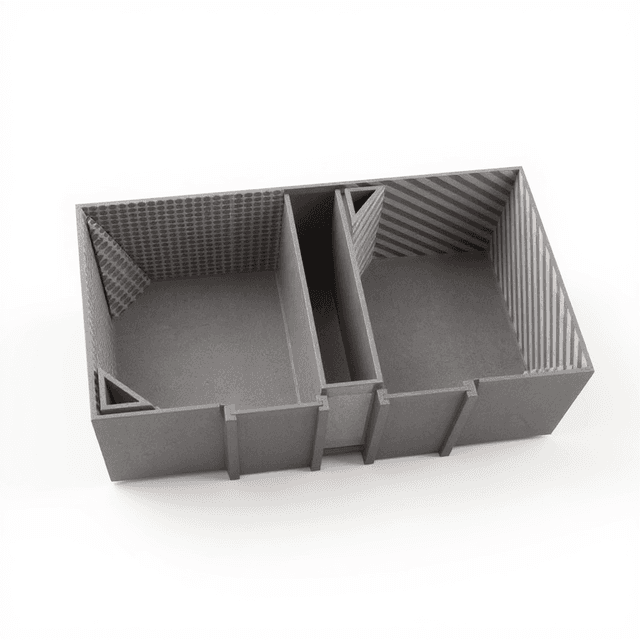
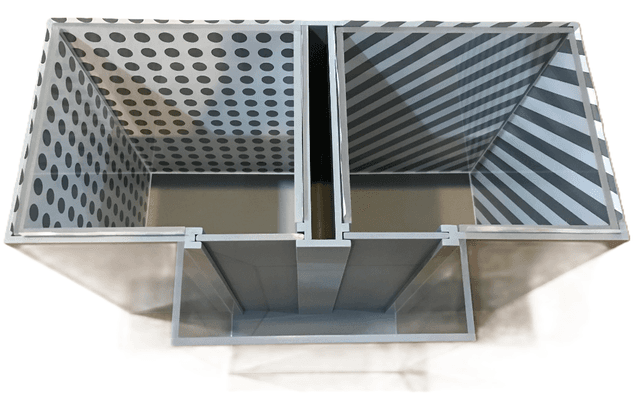
The Successive Alleys Test apparatus provides a controlled environment for assessing anxiety-related behavior in rodents through graduated exposure to increasingly aversive open spaces. The system consists of four interconnected alleys with progressively decreasing wall heights and widths, creating a gradient from enclosed to open environments that exploits the natural conflict between exploratory drive and agoraphobic tendencies in rodents.
Each alley presents distinct environmental characteristics: the first alley features high walls and darker coloration to provide security, while subsequent alleys progressively reduce wall height and transition to lighter colors, ultimately culminating in a nearly open field environment. This design enables researchers to quantify anxiety-like behavior through analysis of time spent in each zone, latency to enter more aversive areas, and overall exploration patterns.
How It Works
The Successive Alleys Test exploits the innate conflict between exploratory motivation and aversive responses to open spaces in rodents. Animals are placed in the first, most enclosed alley and allowed to freely explore the connected pathway system. The apparatus creates a behavioral gradient where each successive alley becomes progressively more aversive through reduced wall height, narrowed width, and lighter coloration.
Anxiety-like behavior is quantified through several measures including total time spent in each alley, latency to enter more aversive zones, number of transitions between alleys, and overall activity patterns. Animals with higher anxiety levels typically spend more time in the initial enclosed alley and show reduced exploration of the more open terminal alleys. The test duration is typically 5-10 minutes, allowing sufficient time for behavioral adaptation and exploration patterns to emerge.
Features & Benefits
Progressive wall height reduction across four alleys
Creates a controlled gradient of aversive stimulation for precise anxiety assessment
Species-specific dimensions for mice and rats
Optimized alley proportions ensure appropriate behavioral responses across different rodent models
Color-coded alley progression
Visual gradient from dark to light enhances the aversive nature of successive alleys
Modular assembly design
Enables easy setup, breakdown, and storage between experimental sessions
Standardized dimensions based on published protocols
Ensures reproducibility and comparability with published literature using this behavioral assay
Included storage solution
Protects apparatus components and maintains consistent setup across multiple experiments
Four distinct environmental zones
Provides multiple behavioral measures and detailed spatial analysis of anxiety-related responses
Sizes by model
| Measurement | Mouse | Rat |
|---|---|---|
| Total length | 25 cm | 45 cm |
| Length | 25 cm | 45 cm |
| Width | 8.5 cm | 9.0 cm |
| Wall height | 25 cm | 29 cm |
- Alley 1
- Color: Black
- Alley 2
- Color: Grey
- Alley 3
- Color: White
- Mouse: Wall height 5 cm
- Mouse: Width 3.5 cm
- Rat: Wall height 2.5 cm
- Rat: Width 6.7 cm
Shipping weight
- 21.0 lb
Shipping box
- L: 43.2 cm
- W: 38.0 cm
- H: 27.9 cm
| Feature | This Product | Typical Alternative | Advantage |
|---|---|---|---|
| Number of environmental zones | Four distinct alleys with progressive environmental changes | Most anxiety tests offer 2-3 discrete zones | Provides more detailed spatial analysis of anxiety-related behavior patterns |
| Environmental gradient design | Continuous progression from enclosed to open environments | Binary choice between safe and aversive zones | Enables detection of subtle behavioral differences and dose-response relationships |
| Species-specific configurations | Optimized dimensions for both mice and rats | Single size configuration requiring adaptation | Ensures appropriate behavioral responses across different rodent models |
| Modular storage system | Includes dedicated storage solution | Basic packaging or no storage provision | Protects apparatus integrity and enables consistent setup between experiments |
The apparatus provides a comprehensive anxiety assessment system with four graduated environmental zones, species-specific sizing, and integrated storage. The progressive design enables detailed analysis of approach-avoidance behavior patterns not achievable with traditional binary-choice anxiety tests.
| Model | Size | SKU | Listed price | Status | Shipping box |
|---|---|---|---|---|---|
| Mouse | Total length 25 cm · Length 25 cm · Width 8.5 cm · Wall height 25 cm | ME-5109/5110 (+1) | $1,590.00 | Available | 43.2 x 38.0 x 27.9 cm |
| Rat | Total length 45 cm · Length 45 cm · Width 9.0 cm · Wall height 29 cm | ME-5109/5110 (+1) | $1,790.00 | Available | 43.2 x 38.0 x 27.9 cm |
Anxiety and Depression
Evaluating baseline anxiety levels and screening for anxiety-like phenotypes in rodent models of psychiatric disorders.
Behavioral Pharmacology
Testing efficacy of anxiolytic compounds and characterizing dose-response relationships for anti-anxiety medications.
Neuroscience
Investigating neural circuits underlying approach-avoidance conflict and fear-related decision making processes.
Learning and Memory
Assessing spatial memory components and evaluating how memory processes influence anxiety-related behavioral responses.
Neurodegeneration
Monitoring anxiety-related behavioral changes in models of neurodegenerative diseases and cognitive decline.
Addiction Research
Examining anxiety-like behavior during withdrawal states and evaluating comorbidity between addiction and anxiety disorders.
Practical Tips
Calibration
Verify alley alignment and secure connections before each testing session to ensure consistent environmental conditions.
Why: Misaligned components can create unintended behavioral cues that affect test validity.
Maintenance
Inspect alley joints and color surfaces regularly for wear that might affect behavioral responses.
Why: Physical deterioration can alter the anxiety gradient and compromise data reproducibility.
Best Practices
Randomize testing order and counterbalance time of day to control for circadian effects on anxiety behavior.
Why: Systematic bias in testing conditions can confound treatment effects and reduce statistical power.
Data Quality
Record ambient temperature and humidity during sessions as these factors can influence rodent activity levels.
Why: Environmental variables affect baseline locomotor activity and may interact with anxiety-related behaviors.
Troubleshooting
If animals show excessive freezing behavior, reduce ambient lighting or extend habituation periods.
Why: Excessive stress responses can mask subtle anxiety differences and reduce test sensitivity.
Safety
Ensure all alley edges are smooth and free of sharp corners that could cause injury during exploration.
Why: Animal injury compromises welfare and can introduce confounding stress responses.
Best Practices
Maintain detailed logs of cleaning procedures and inter-trial intervals to ensure protocol consistency.
Why: Procedural variations can introduce systematic bias and reduce reproducibility across experiments.
Setup Guide
Unpack and Inspect Components
Remove all alley components from packaging and verify all four alleys are present with correct color coding (black, grey, white, white).
Assemble Alley System
Connect the four alleys in sequence according to the provided assembly instructions, ensuring secure connections between adjacent sections.
Position in Testing Environment
Place the assembled apparatus in a quiet room with consistent ambient lighting and minimal external disturbances.
Calibrate Recording Setup
Position video camera or tracking system to capture the entire apparatus with clear visibility of all four alleys.
Clean and Prepare Surface
Thoroughly clean all surfaces with 70% ethanol and allow to dry completely before introducing test subjects.
Conduct Habituation Session
Allow initial test animal to acclimate to the testing room for 10-15 minutes before beginning behavioral assessment.
Begin Testing Protocol
Place animal in the first alley and initiate recording for the predetermined test duration, typically 5-10 minutes.
What’s in the Box
- Four modular alley components (black, grey, white, white)
- Assembly hardware and connectors
- Setup and protocol instructions
- Storage container system
- User manual with behavioral analysis guidelines
Warranty
ConductScience provides a 1-year manufacturer warranty covering defects in materials and workmanship, with technical support for setup and protocol optimization.
Compliance
ARRIVE GuidelinesSupports standardized reporting of animal behavioral experiments through use of validated anxiety assessment protocols.
Laboratory Animal Welfare StandardsDesign incorporates animal welfare considerations through non-invasive behavioral assessment methodology.
Good Laboratory Practice (GLP)Enables standardized data collection procedures required for regulatory behavioral toxicology studies.
References
Background reading relevant to this product:
1.Robert M. J. Deacon (2013) “The Successive Alleys Test of Anxiety in Mice and Rats” Journal of Visualized Experiments doi:10.3791/2705
Q
What is the recommended test duration for the Successive Alleys Test?
A
Typical test sessions range from 5-10 minutes, allowing sufficient time for exploration patterns to emerge while maintaining animal welfare standards.
Q
How should I clean the apparatus between subjects?
A
Thoroughly wipe all surfaces with 70% ethanol and allow complete drying to eliminate olfactory cues from previous subjects.
Q
What behavioral measures should I record during testing?
A
Key measures include time spent in each alley, latency to enter successive alleys, number of transitions, and overall locomotor activity patterns.
Q
Can this apparatus be used with automated tracking systems?
A
Yes, the standardized dimensions and clear color contrasts are compatible with most commercial video tracking software packages.
Q
How does this test compare to the elevated plus maze for anxiety assessment?
A
The Successive Alleys Test provides a graduated anxiety gradient rather than discrete anxiogenic zones, enabling more detailed analysis of approach-avoidance behavior.
Q
What lighting conditions are recommended for testing?
A
Moderate ambient lighting (50-100 lux) is typically used, though lighting levels should be consistent across all experimental groups.
Q
How many animals can be tested per day with one apparatus?
A
With proper cleaning between subjects, 15-20 animals can typically be tested per day depending on test duration and inter-trial intervals.
Have a question about this product?
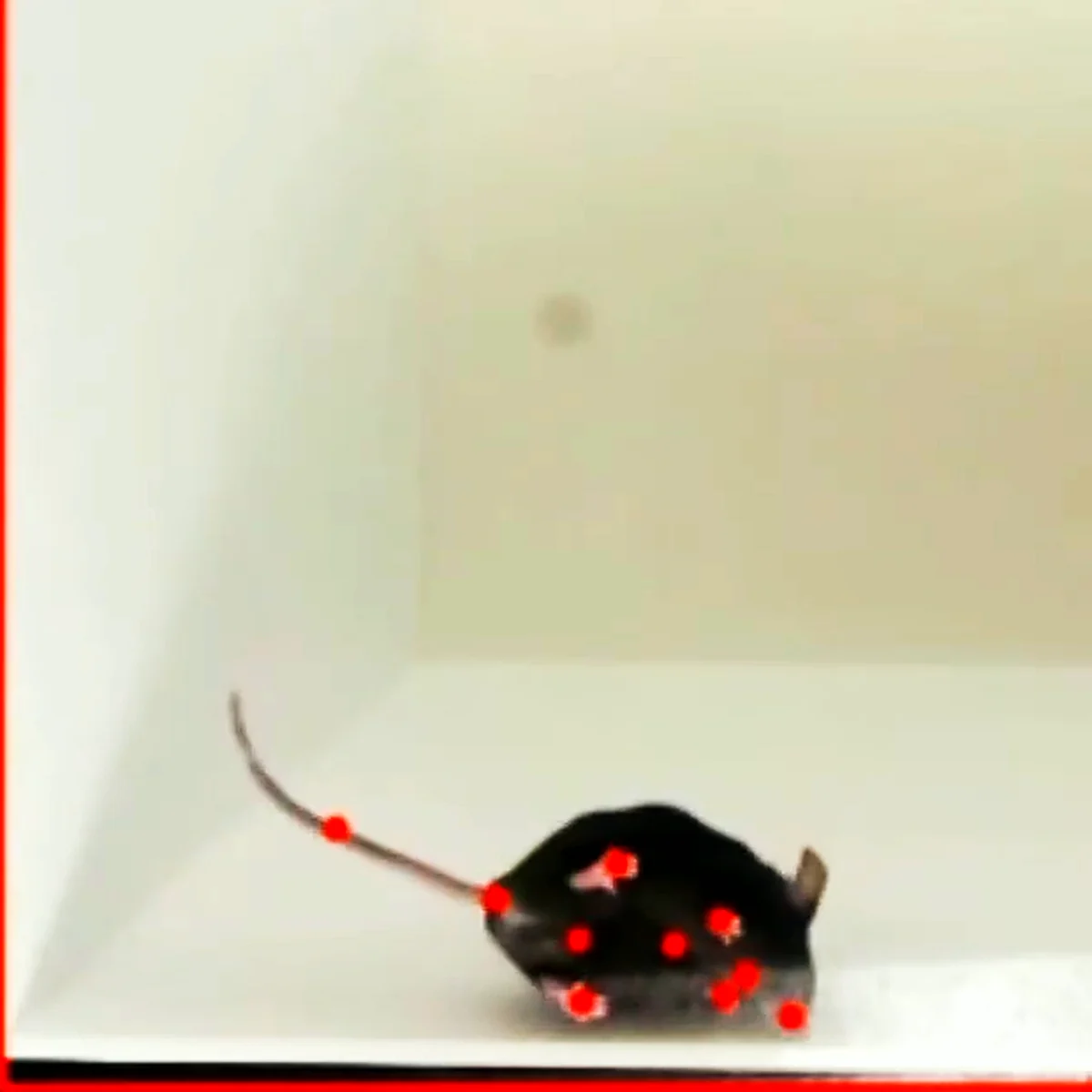
Track rodents with ConductVision
ConductVision is our video-tracking software. Record your sessions on video, and it scores standard rodent tests, such as those listed below.
Examples of tests it scores
To check whether ConductVision scores your protocol in this apparatus, ask in your quote request.
Ask a question
Have a question? Just ask.
Send it over and we'll email you a personalized answer — no call, no scheduling.
Personalized email reply
Usually within one business day
Helpful answers published here
Prefer to talk it through?
Frequently Bought Together
Total: $2,730.00

Successive Alleys
$1,790.00
Added to quoteView Quote