Stereotaxic Nose Cone Masks
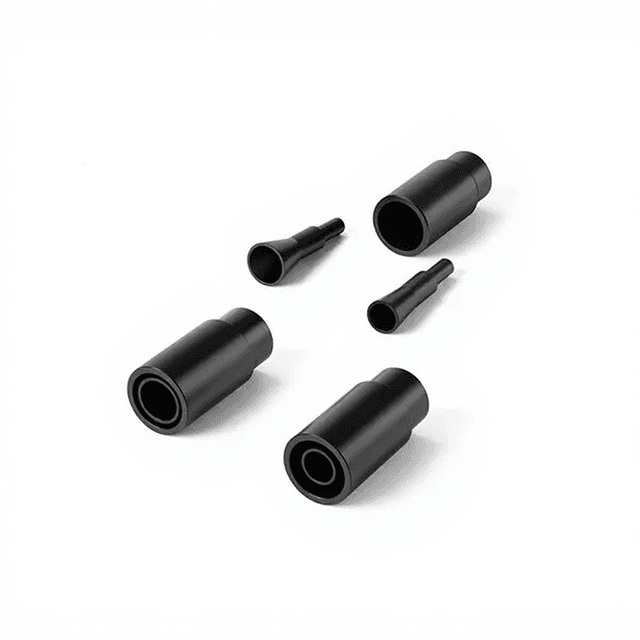
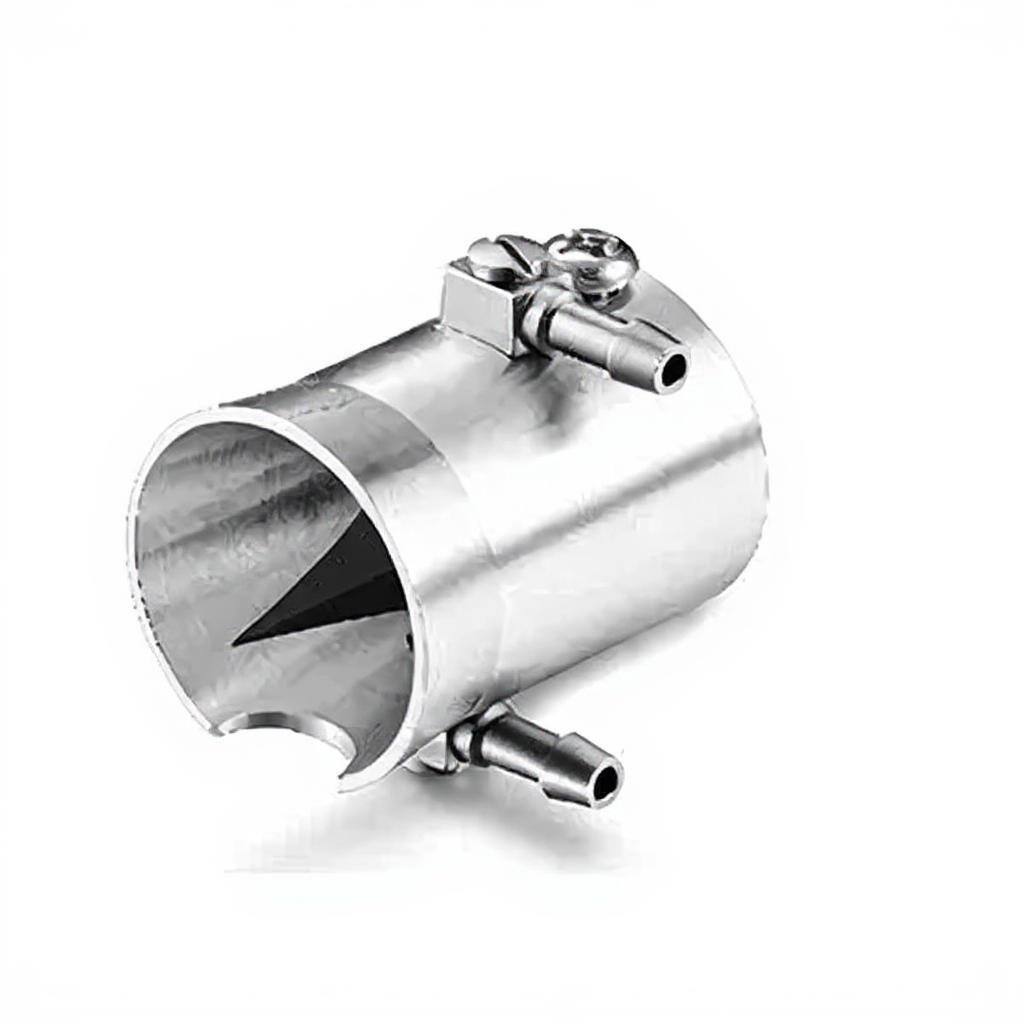
Precision anesthesia delivery masks designed for stereotaxic frame integration, available in passive and active scavenging configurations for different rodent species.
| scavenging_types | Passive (collinear inlet/outlet ports for charcoal canisters), Active (separate non-collinear inlet/outlet ports for active evacuation) |
| mounting_compatibility | Most stereotaxic frames |
| mounting_orientation | Cone opening faces the 'U' of the frame |
| animal_positioning | Animal's teeth positioned over the incisor bar |
| Automation Level | manual |
| Species | Mouse, Rat |

Stereotaxic nose cone masks are precision anesthesia delivery devices designed for integration with most stereotaxic frames during neurological and behavioral research procedures. These masks provide controlled delivery of anesthetic gases while maintaining proper animal positioning, with the cone opening facing the 'U' of the stereotaxic frame and the animal's teeth positioned over the incisor bar.
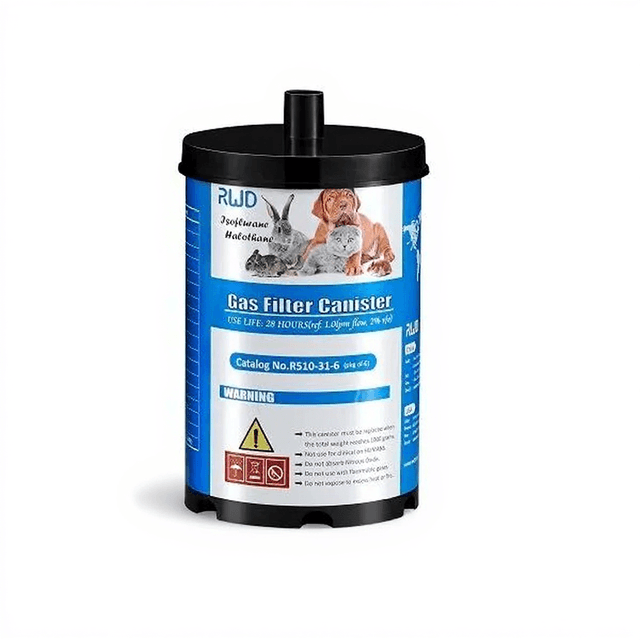
Available in both passive and active scavenging configurations, these masks accommodate different laboratory ventilation requirements. Passive masks feature collinear inlet and outlet ports for use with charcoal canisters, while active masks incorporate separate non-collinear ports on either side for connection to active evacuation systems. Species-specific sizing ensures proper fit for mice, neonatal rats, and adult rats across different weight ranges.
How It Works
The stereotaxic nose cone mask functions as a precise anesthetic delivery interface that integrates with standard stereotaxic positioning systems. The mask creates a sealed chamber around the animal's muzzle while allowing proper positioning of the teeth over the incisor bar, maintaining the three-point fixation system essential for stereotaxic accuracy.
Anesthetic gases flow through the inlet port into the mask chamber, where they are inhaled by the animal. The scavenging system removes excess gases through the outlet port, preventing accumulation in the surgical environment. In passive systems, collinear ports direct gases through charcoal canisters for absorption. Active systems utilize separate inlet and outlet ports positioned on opposite sides of the mask, enabling connection to powered evacuation systems for more efficient gas removal.
The mask design ensures consistent anesthetic concentration delivery while minimizing dead space and providing adequate ventilation. Proper mask positioning maintains the stereotaxic coordinate system integrity by securing the animal's head in the correct orientation relative to the frame's reference points.
Features & Benefits
Scavenging
- Passive
- Active
scavenging_types
- Passive (collinear inlet/outlet ports for charcoal canisters), Active (separate non-collinear inlet/outlet ports for active evacuation)
mounting_compatibility
- Most stereotaxic frames
mounting_orientation
- Cone opening faces the 'U' of the frame
animal_positioning
- Animal's teeth positioned over the incisor bar
Automation Level
- manual
Species
- Mouse
- Rat
Research Domain
- Addiction Research
- Behavioral Pharmacology
- Learning and Memory
- Motor Function
- Neurodegeneration
- Neuroscience
- Pain Research
Weight
- 17.64 kg
Dimensions
- L: 30.0 mm
- W: 25.0 mm
- H: 25.0 mm
Comparison Guide
| Feature | This Product | Typical Alternative | Advantage |
|---|---|---|---|
| Scavenging Options | Both passive (collinear ports) and active (separate non-collinear ports) configurations available | Many models offer only single scavenging type | Allows laboratories to select masks matching their existing ventilation infrastructure without system modifications. |
| Species-Specific Sizing | Five distinct size ranges from neonatal rats under 30g to adult rats over 300g | Universal sizing or limited size options | Ensures proper seal and gas delivery efficiency across different research animal sizes. |
| Frame Integration | Designed specifically for stereotaxic frame compatibility with proper cone orientation | Generic masks requiring custom mounting solutions | Maintains stereotaxic coordinate accuracy while simplifying setup and reducing positioning errors. |
| Port Configuration | Collinear ports in passive masks, separate non-collinear ports in active masks | Standard inlet/outlet arrangements | Optimizes gas flow patterns for each scavenging method to improve safety and anesthetic delivery consistency. |
This mask system provides comprehensive species sizing and dual scavenging options specifically engineered for stereotaxic frame integration. The design maintains coordinate system accuracy while accommodating different laboratory safety requirements through passive and active gas management configurations.
Practical Tips
Test mask seal with room air before introducing anesthetic gases to verify proper positioning and breathing clearance.
Why: Prevents anesthetic waste and ensures adequate ventilation before beginning surgical procedures.
Inspect gas line connections and mask seals before each use for cracks or degradation.
Why: Damaged seals can lead to anesthetic gas leaks and inconsistent delivery concentrations.
Verify scavenging system function before each procedure, especially with passive charcoal canisters.
Why: Saturated or improperly connected scavenging systems increase occupational exposure to waste gases.
Position animals with teeth properly seated over the incisor bar before securing the mask seal.
Why: Correct positioning maintains stereotaxic coordinate reference points essential for surgical accuracy.
If breathing appears labored, check for excessive mask pressure or blocked airway within the cone.
Why: Proper mask positioning should not impede natural breathing patterns or cause respiratory distress.
Monitor anesthetic depth throughout procedures and adjust gas flow rates based on respiratory patterns.
Why: Consistent anesthetic depth improves surgical conditions and reduces physiological stress responses.
Verify gas flow rates and concentrations using appropriate monitoring equipment before animal procedures.
Why: Accurate gas delivery ensures reproducible anesthetic depth and proper experimental conditions.
Setup Guide
What’s in the Box
- Stereotaxic nose cone mask (species-specific size)
- Stereotaxic frame mounting hardware (typical)
- Gas line connection fittings (typical)
- User manual and setup instructions (typical)
Warranty
ConductScience provides a standard one-year manufacturer warranty covering defects in materials and workmanship, with technical support available for setup and operational guidance.
Compliance
What is the difference between passive and active scavenging mask configurations?
Passive masks feature collinear inlet and outlet ports designed for use with charcoal canisters that absorb excess anesthetic gases. Active masks have separate non-collinear inlet and outlet ports positioned on opposite sides, allowing connection to powered evacuation systems for more efficient gas removal.
How do I select the appropriate mask size for my research animals?
Choose based on animal weight: mice and neonatal rats under 30g use CS-NC-30-2063, 30-70g animals use CS-NC-30-2065, rats under 300g use CS-NC-30-2066, and rats over 300g use CS-NC-30-2067. Passive options are available for smaller animals.
Are these masks compatible with all stereotaxic frame manufacturers?
The masks are designed for compatibility with most stereotaxic frames. The cone opening faces the 'U' of the frame and integrates with standard stereotaxic adaptors, though specific mounting hardware may vary by frame manufacturer.
What anesthetic gases can be delivered through these masks?
The masks are suitable for standard volatile anesthetics used in rodent research, including isoflurane, sevoflurane, and halothane. Consult product datasheet for specific gas compatibility and flow rate recommendations.
How do I ensure proper mask seal without compromising animal breathing?
Position the mask to create a gentle seal around the animal's muzzle while ensuring the nose and mouth are properly positioned within the cone. Monitor breathing pattern and adjust positioning if respiratory distress is observed.
Can these masks be sterilized between animals?
Consult product datasheet for recommended sterilization methods. Most components can typically be cleaned with appropriate disinfectants, though specific protocols depend on mask materials and laboratory biosafety requirements.
What maintenance is required for optimal performance?
Regular inspection of gas line connections, verification of mask seal integrity, and cleaning according to laboratory protocols. Replace masks if cracking, warping, or seal degradation occurs that could compromise anesthetic delivery.
Have a question about this product?
Accessories
Enhance your setup with compatible accessories
Upgrade Options