Suok Test
Elevated narrow-path apparatus for measuring exploration, balance, slips, falls, and light-dark preference in mouse and rat behavioral studies.

Louise Corscadden, PhD
Director of Science · ConductScience
Ask Louise about Suok Test fit, setup, configuration, or quote prep.
Already working with us? Sign in to connect this with My Scientist.
Key Specifications
Full details →- Model fit
- Configured during quote
- SKU family
- Assigned during quote
- Sizing
- Model-specific dimensions confirmed from the selected configuration
- Ordering
- Quote-reviewed before fulfillment
- Category
- Behavioral Mazes
- Build notes
- Confirm accessories, station layout, and support needs before purchase
The Suok Test combines an elevated narrow path with sector-based scoring so one session can capture exploratory movement, risk assessment, balance, slips, and falls. Regular and light-dark configurations are available for mouse and rat protocols.
Mouse rod and rat alley configurations
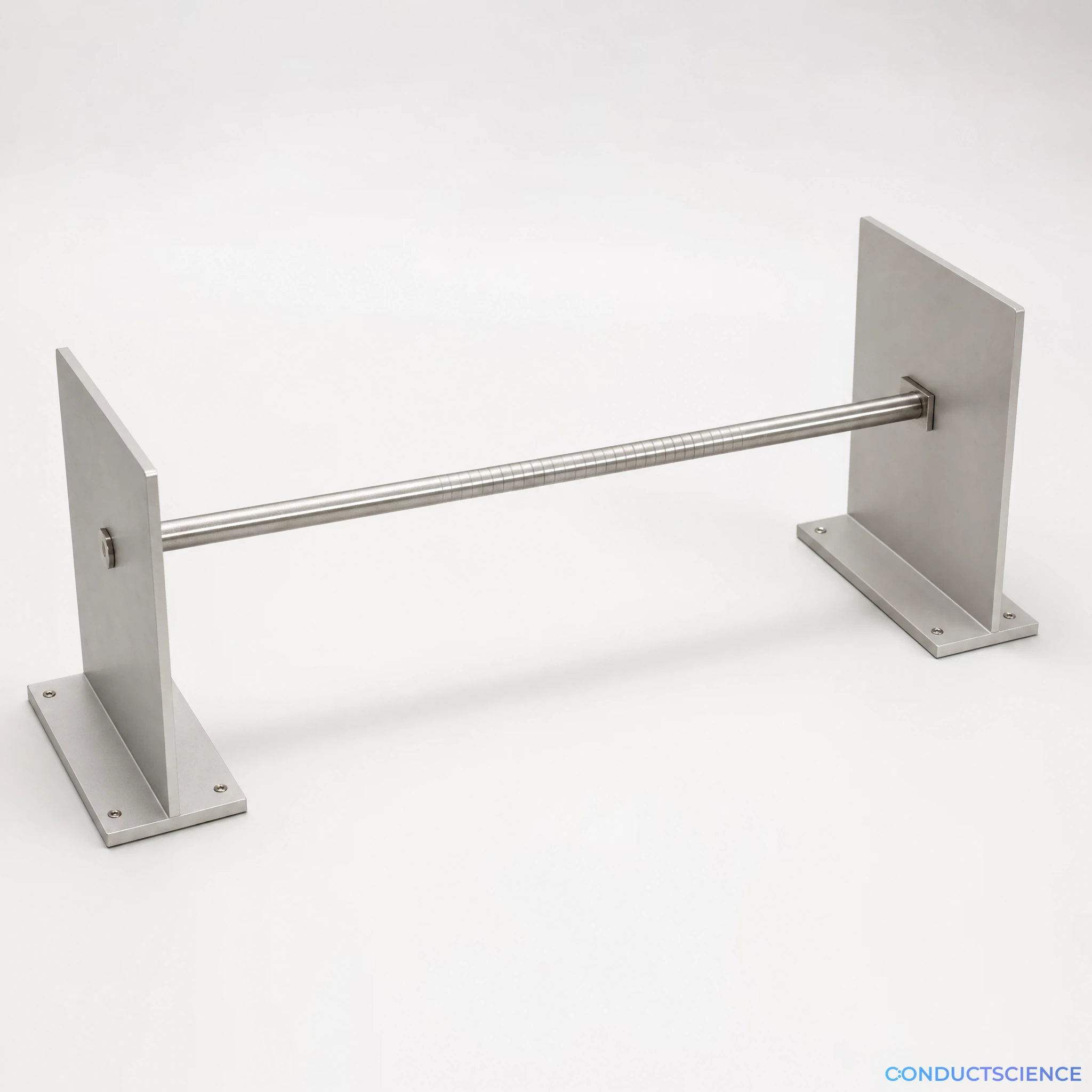
The mouse protocol uses a segmented aluminum rod fixed between clear end walls. The rat publication defines a wider 240 cm alley. Light-dark mouse models illuminate one half while retaining the same path geometry. The gallery image shows the regular mouse rod, not the rat alley or light-dark hardware.
Safety and visibility are part of the apparatus
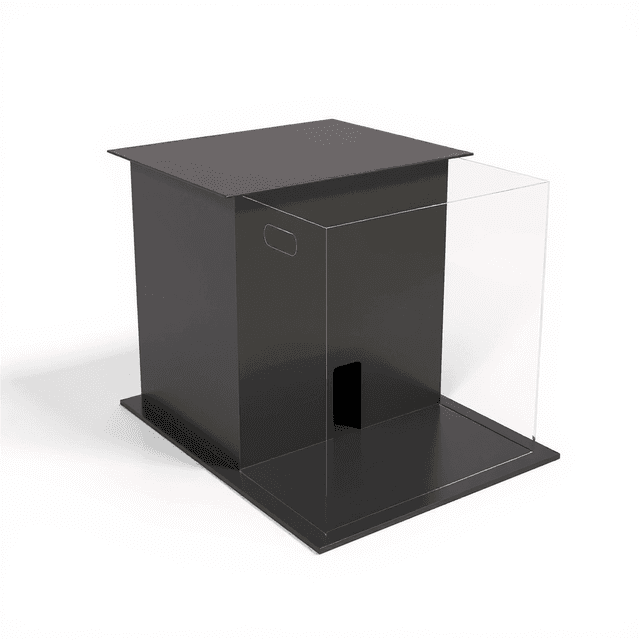
The final drawing includes stable supports, end barriers, a cushioned landing surface, camera visibility, and heat-controlled lighting for light-dark studies.
Features & Benefits
Models
- Mouse Regular, Mouse Light-Dark, Rat Regular, Rat Light-Dark
Mouse path
- 1–2 m aluminum rod, approximately 2 cm diameter
Mouse elevation
- 20–25 cm above cushioned surface
Mouse sectors
- 10 cm
Mouse end walls
- 50 cm × 50 cm × 1 cm clear acrylic
Rat alley reference
- 240 cm × 5 cm × 1 cm
Rat sectors and elevation
- 16 sectors of 15 cm; 20 cm high
Light-dark illumination
- 4–6 directed bulbs, approximately 40–50 cm above half the path
Safety
- Cushioned landing surface and stable end supports
Practical Tips
Install the full cushioned landing surface before every trial.
Why: Falls are a measured outcome and require a humane landing plan.
Measure illumination and verify that bulbs do not heat the path.
Why: Temperature and stray light can confound the intended light-dark contrast.
Setup Guide
What’s in the Box
- Species-specific Suok path in the approved configuration
- End walls, supports, cushion, and lighting itemized in the approved quote
- Final component schedule matched to the fabrication drawing
Warranty
Fabrication support, replacement options, and warranty terms are confirmed with the final drawing and quote.
References
Background reading relevant to this product:
How does Suok differ from a balance beam?
Suok combines balance scoring with free exploration and, in the light-dark model, an illumination-choice component.
Are mouse and rat apparatuses identical?
No. Mouse protocols typically use a narrow rod; rat protocols can use a wider alley or textured large rod.
What safety equipment is included?
The configured system includes stable supports, end walls, and a cushioned landing area.
Does the light-dark model heat the apparatus?
The lighting layout is reviewed to produce the required contrast without heating the path.
Have a question about this product?
Have a question? Just ask.
Send it over and we'll email you a personalized answer — no call, no scheduling.
Prefer to talk it through?