TJSD Soil Compaction Meter
Measure soil compaction to 375 mm depth with ±0.5‰ FS accuracy.
Switchable KPa/kg/cm²/N/cm² units, 30,000-group storage, timed or manual logging.

Louise Corscadden, PhD
Director of Science · ConductScience
Ask Louise about TJSD Soil Compaction Meter fit, setup, configuration, or quote prep.
Already working with us? Sign in to connect this with My Scientist.
Key Specifications
Full details →- Model fit
- Configured during quote
- SKU family
- AGR-0007
- Sizing
- Model-specific dimensions confirmed from the selected configuration
- Ordering
- Quote-reviewed before fulfillment
- Category
- Agriculture & Food Science
- Build notes
- Confirm accessories, station layout, and support needs before purchase
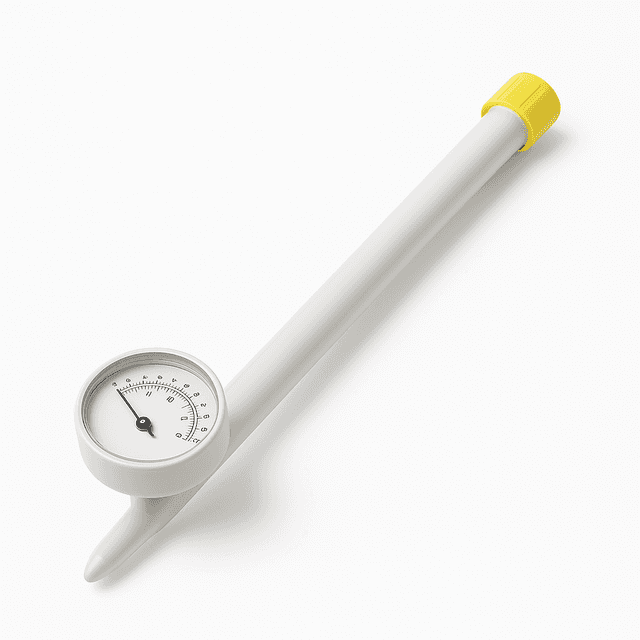
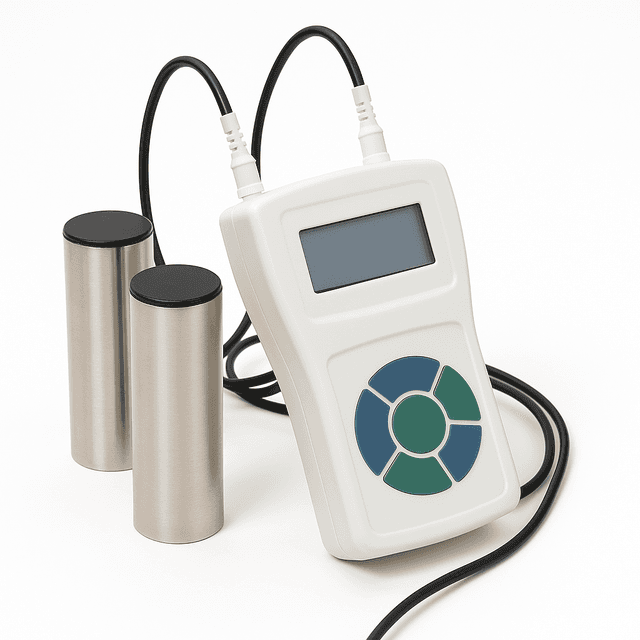
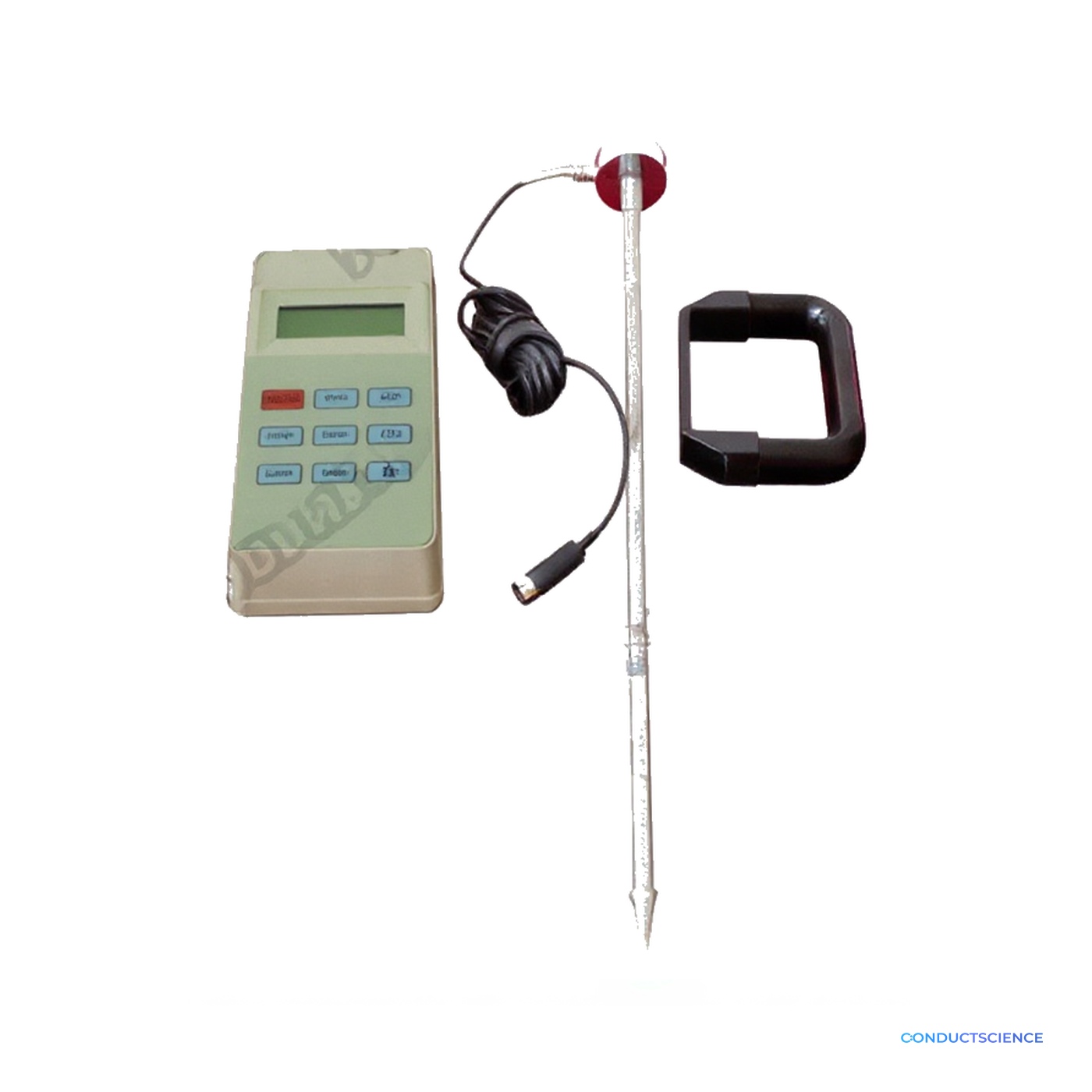
The TJSD Soil Compaction Meter is a compact, handheld instrument designed to measure soil compaction directly in the field. It reports readings in three switchable units — KPa, kg/cm², and N/cm² — across a full range up to 10,000 KPa, giving researchers and agronomists immediate, calibrated data without post-processing conversions.
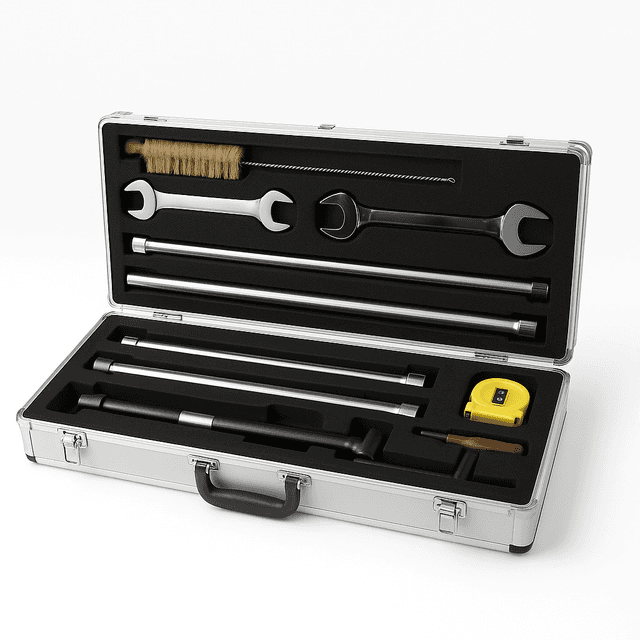
The key comparison qualifier for soil compaction meters is measurement depth and accuracy. The TJSD reaches depths up to 375 mm via its 400 mm measuring rod, and delivers accuracy of ±0.5‰ FS, making it suitable for studies where subtle compaction gradients across soil horizons matter.
Data collection is flexible: the meter can operate unattended in timed intervals (5 minutes to 99 hours) or be triggered manually, automatically recording and saving readings to internal storage that holds up to 30,000 data groups. A 4G Micro SD card is included for data transfer, and records can be reviewed directly on the LCD handset or exported for further analysis.
The instrument runs on a 4V lithium battery with built-in charging protection and a low-voltage alert. Its compact, lightweight form factor makes it practical for extended field campaigns in agriculture, soil science, civil site assessment, and environmental monitoring.
Model
- TJSD750
Measurement Range
- 0–10,000 KPa / 0–100 kg/cm² / 0–1,000 N/cm² (switchable)
Measurement Depth
- 0–375 mm (measuring rod: 400 mm)
Accuracy
- ±0.5‰ FS
Position Accuracy
- ±0.05 (three decimal, ≤50 m)
Display
- LCD handset
Collection Modes
- Timed (automatic, unattended) or manual
Data-Collection Interval
- 5 min – 99 hours
Internal Storage Capacity
- Up to 30,000 data groups
Included Storage Media
- 4G Micro SD card
Power Supply
- 4V lithium battery
Battery Features
- Charging protection, low-voltage prompt
What units does the TJSD display, and can I switch between them in the field?
Yes. The TJSD displays soil compaction in KPa, kg/cm², and N/cm², and the units are switchable so you can match your preferred reporting standard without leaving the field.
How deep can the meter measure soil compaction?
The measuring rod is 400 mm long and provides a measurement depth range of 0 to 375 mm, allowing you to profile compaction through multiple soil layers in a single insertion.
Can the TJSD operate unattended for continuous or time-series monitoring?
Yes. The meter can be configured for unattended operation with a timed data-collection interval ranging from 5 minutes to 99 hours. It records and saves data automatically, so you can return to retrieve a full dataset after deployment.
How much data can the meter store, and how do I transfer it?
The handset stores up to 30,000 data groups internally. A 4G Micro SD card is included for additional storage and data transfer. Recorded data can be reviewed directly on the LCD handset or imported to a computer via the Micro SD card.
What powers the TJSD, and are there any battery protection features?
The meter is powered by a 4V lithium battery. It includes built-in charging protection and a low-voltage prompt to alert you before power is exhausted. The instrument can also be left in place for extended periods to continue recording location data.
Have a question about this product?
Have a question? Just ask.
Send it over and we'll email you a personalized answer — no call, no scheduling.
Prefer to talk it through?
Frequently Bought Together