Online Field Environmental Monitoring System
Solar-powered field monitor measuring air temp, humidity, light, CO₂, soil parameters & rainfall.
Four sensor configurations for agricultural & ecological research.

Louise Corscadden, PhD
Director of Science · ConductScience
Ask Louise about Online Field Environmental Monitoring System fit, setup, configuration, or quote prep.
Already working with us? Sign in to connect this with My Scientist.
Key Specifications
Full details →- Model fit
- Configured during quote
- SKU family
- AGR-0021
- Sizing
- Model-specific dimensions confirmed from the selected configuration
- Ordering
- Online checkout and quote request available
- Category
- Agriculture & Food Science
- Build notes
- Confirm accessories, station layout, and support needs before purchase
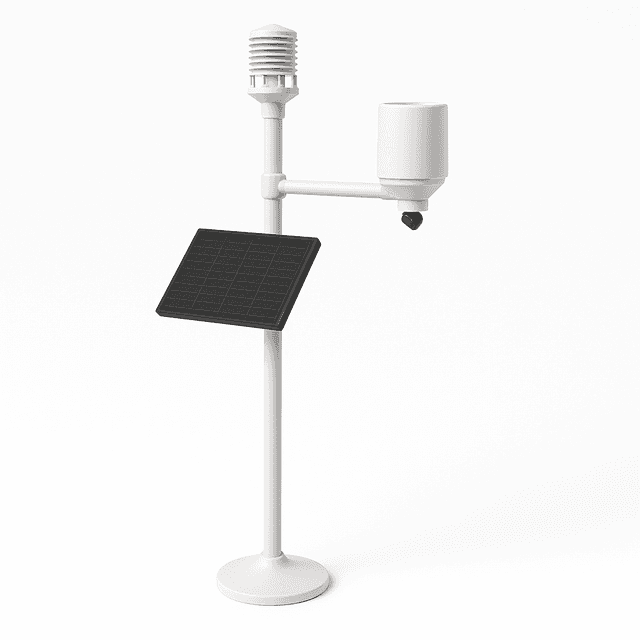
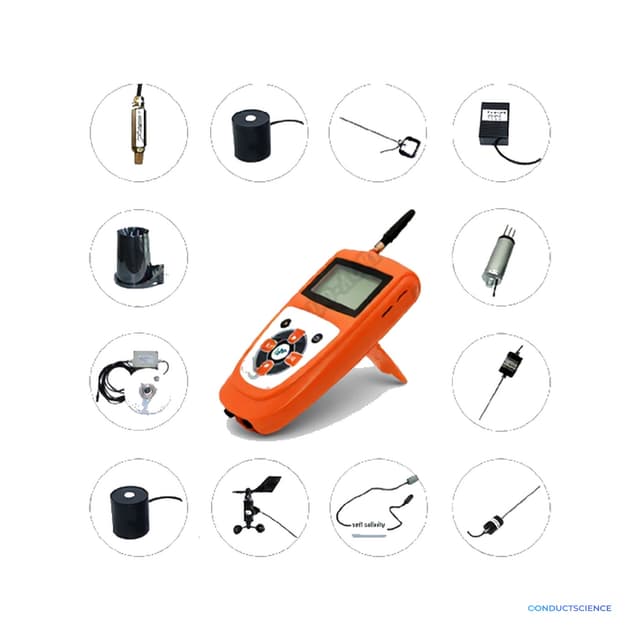
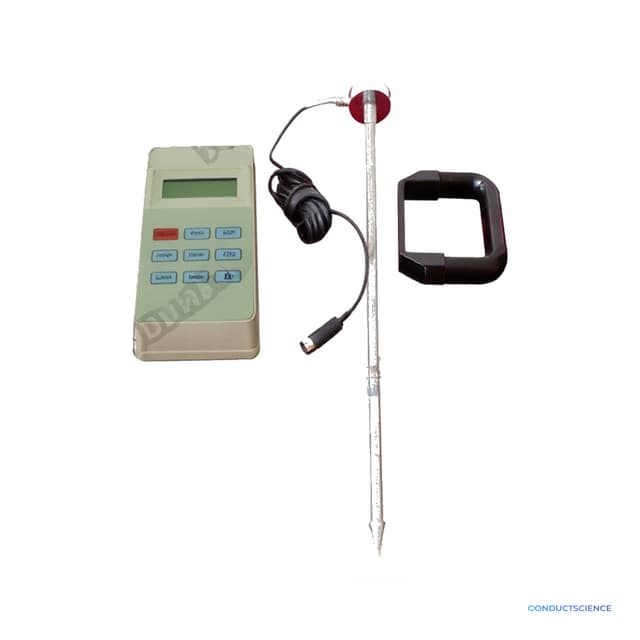
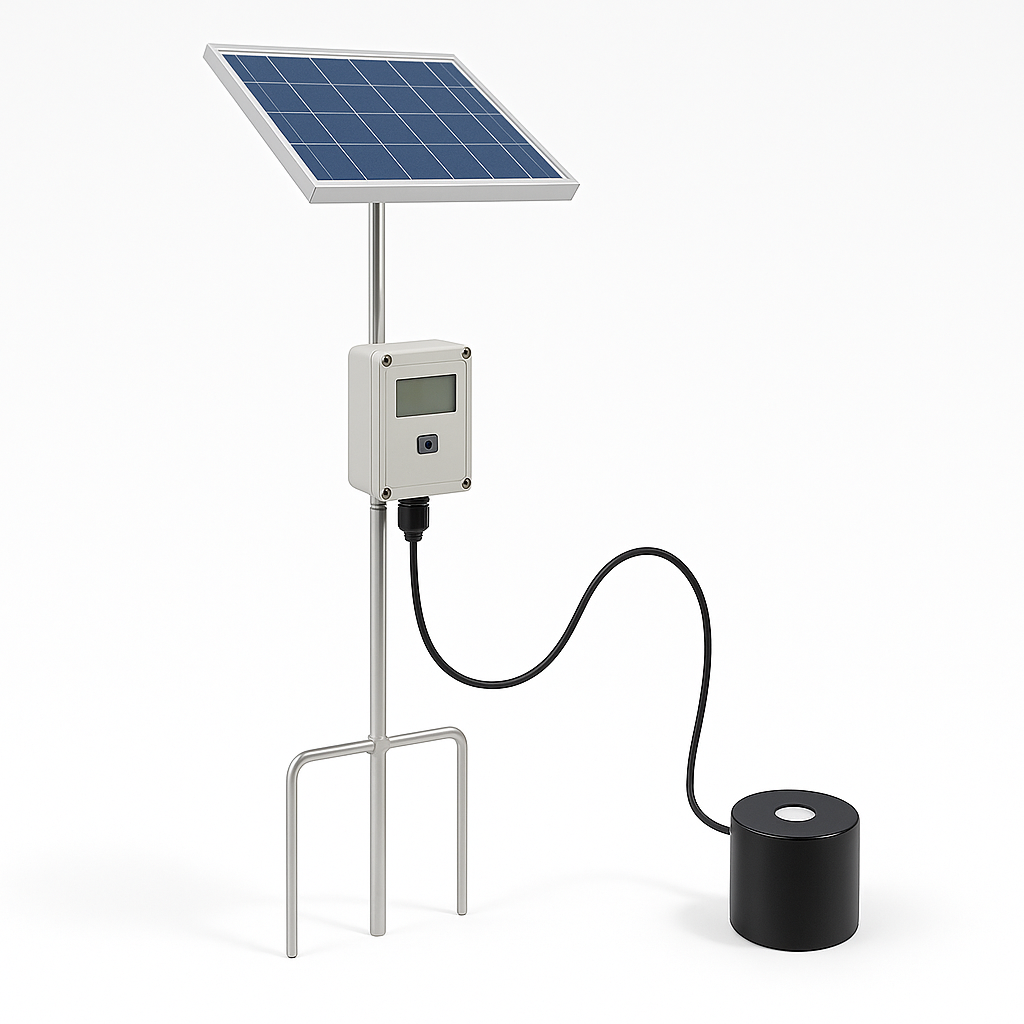
The TPSBL Series Online Field Environment Monitoring System is a solar-powered agricultural monitoring platform designed for continuous, real-time measurement of key environmental parameters in crop fields, research plots, and outdoor study sites. Housed around a self-contained solar collector, the system acquires data on air temperature and humidity, light intensity, CO₂ concentration, and—depending on configuration—soil temperature, soil moisture, soil salinity, and rainfall, delivering a comprehensive picture of the growing environment without reliance on grid power.
The series is organized into four sensor configurations (4G through 8G) that progressively expand the parameter set. Researchers can select the tier that matches their protocol: atmospheric monitoring only, or a fuller soil-and-atmosphere profile that adds salinity and precipitation tracking. Because each unit is configured to the study's exact requirements, the system arrives ready for deployment with no redundant sensors.
Typical applications include precision agriculture trials, long-term ecological observation, greenhouse-to-field comparative studies, and agronomic research where simultaneous multi-parameter logging is essential. The solar power supply makes the system well suited to remote or off-grid field sites where running power infrastructure is impractical.
Because sensor configuration is matched to your monitoring protocol, the TPSBL Series is available through a project quote. Contact ConductScience to describe your site conditions and parameter requirements, and our team will confirm the right configuration for your study.
TPSBL-GPRS-4G – Measured Parameters
- Air temperature, air humidity, light intensity, CO₂ concentration
TPSBL-GPRS-6G – Measured Parameters
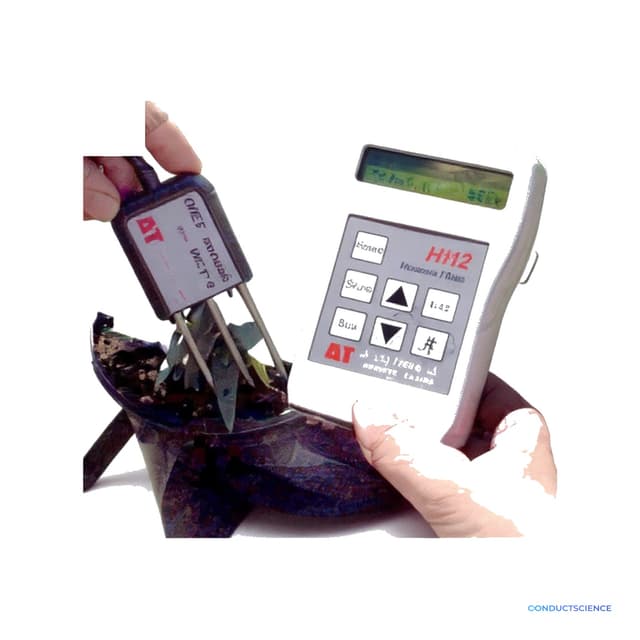
- Air temperature, air humidity, light intensity, CO₂ concentration, soil temperature, soil moisture
TPSBL-GPRS-7G – Measured Parameters
- Air temperature, air humidity, light intensity, CO₂ concentration, soil temperature, soil moisture, soil salinity
TPSBL-GPRS-8G – Measured Parameters
- Air temperature, air humidity, light intensity, CO₂ concentration, soil temperature, soil moisture, soil salinity, rainfall
Power Source
- Solar powered
How do the four model configurations differ from one another?
Each model builds on the previous tier. The TPSBL-GPRS-4G measures air temperature and humidity, light intensity, and CO₂ concentration. The 6G adds soil temperature and soil moisture. The 7G extends that with soil salinity monitoring. The 8G includes all of the above plus a rainfall sensor, making it the most comprehensive configuration for full agro-meteorological profiling.
Does the system require an external power source in the field?
No. The monitoring system is solar powered via an integrated solar collector, allowing it to operate independently at remote or off-grid field sites without a mains electricity connection.
Can the system monitor multiple parameters at the same time?
Yes. The system is designed for simultaneous multi-parameter acquisition, so all sensors active in your chosen configuration log concurrently rather than sequentially.
Which configuration is appropriate if my study focuses only on atmospheric conditions?
The TPSBL-GPRS-4G covers the core atmospheric parameters—air temperature and humidity, light intensity, and CO₂ concentration—without soil or rainfall sensors. It is well suited to studies where above-canopy environmental conditions are the primary concern.
How do I determine which configuration my research project needs?
Because each unit is built to the parameter requirements of your study, the best starting point is a project quote. Share your site type, target parameters, and any protocol requirements with ConductScience, and we will confirm the appropriate model tier and any supporting accessories.
Have a question about this product?
Have a question? Just ask.
Send it over and we'll email you a personalized answer — no call, no scheduling.
Prefer to talk it through?
Frequently Bought Together