UV VIS Spectrophotometer Accessories
Essential accessories for UV-VIS spectrophotometer systems, supporting sample preparation, measurement optimization, and instrument maintenance across analytical applications.
| Brand | ConductScience |

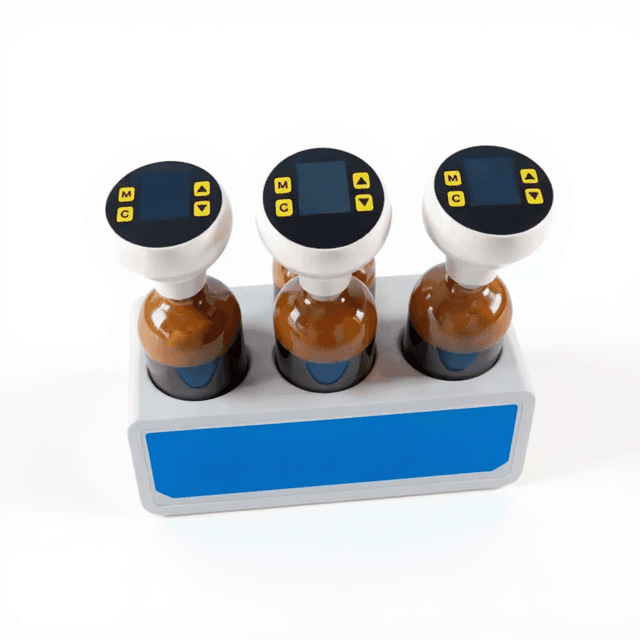
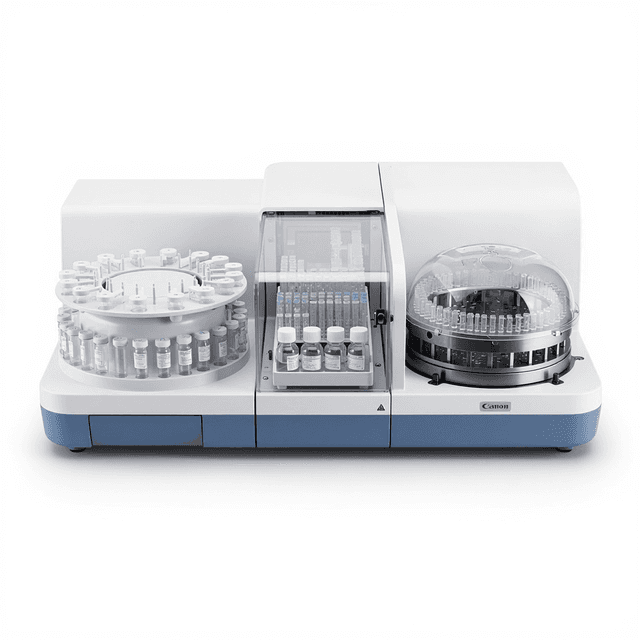
UV-VIS Spectrophotometer Accessories enhance the capabilities and extend the operational life of ultraviolet-visible spectrophotometric systems. These accessories include essential components for sample preparation, measurement optimization, and instrument maintenance across analytical workflows. The accessories support quantitative analysis applications requiring precise optical measurements in the 190-1100 nm wavelength range.
These components are designed to integrate with standard UV-VIS spectrophotometer configurations, enabling researchers to customize their analytical setup based on specific measurement requirements. The accessories facilitate accurate spectroscopic analysis in laboratory environments where sample throughput, measurement precision, and instrument reliability are critical factors in analytical protocols.
How It Works
UV-VIS spectrophotometer accessories function by optimizing light path geometry, sample presentation, and measurement conditions for specific analytical requirements. Cuvettes and sample cells provide defined optical path lengths while minimizing light scattering and reflection artifacts. Temperature control accessories maintain thermal stability during kinetic measurements and temperature-dependent analyses.
Flow-through cells enable continuous monitoring applications by directing sample streams through the optical measurement zone without manual sample handling. Fiber optic accessories extend measurement capabilities to remote locations or hazardous environments by transmitting light between the spectrometer and sample via optical fibers. Reference standards and calibration accessories ensure measurement accuracy through periodic instrument verification and wavelength calibration procedures.
Features & Benefits
Brand
- ConductScience
Research Domain
- Analytical Chemistry
- Clinical Diagnostics
- Environmental Monitoring
- Food Science
- Materials Science
- Pharmaceutical QC
Weight
- 29.98 kg
Dimensions
- L: 42.0 mm
- W: 43.6 mm
- H: 38.0 mm
Comparison Guide
| Feature | This Product | Typical Alternative | Advantage |
|---|---|---|---|
| Accessory Variety | Comprehensive accessory collection supporting multiple measurement configurations | Basic accessory sets often include only standard cuvettes | Provides analytical flexibility for diverse sample types and measurement requirements without requiring multiple accessory purchases |
| Temperature Control | Integrated thermal management accessories for temperature-dependent measurements | Entry-level systems may lack temperature control capabilities | Enables kinetic studies and thermal analysis protocols critical for enzyme assays and reaction monitoring |
| Sample Volume Range | Multiple volume capacity options from micro to standard volumes | Limited volume options in basic configurations | Accommodates precious samples while maintaining measurement accuracy across different sample quantities |
| Optical Path Options | Variable path length configurations for sensitivity optimization | Fixed path length systems limit analytical range | Optimizes detection sensitivity and dynamic range for specific analyte concentration levels |
This accessory collection provides comprehensive measurement capabilities with temperature control, multiple sample handling options, and variable optical configurations. The accessories support diverse analytical applications while maintaining compatibility with standard UV-VIS spectrophotometer systems.
Practical Tips
Perform wavelength calibration using certified holmium oxide or didymium reference standards before critical measurements.
Why: Ensures wavelength accuracy for quantitative analysis and regulatory compliance requirements.
Clean cuvettes immediately after use with appropriate solvents and store in dust-free environment.
Why: Prevents contamination buildup that can cause measurement artifacts and optical performance degradation.
Allow temperature-controlled accessories to equilibrate for at least 15 minutes before measurements.
Why: Ensures thermal stability and reduces measurement drift during temperature-dependent analyses.
Check optical alignment and clean beam path if baseline noise increases unexpectedly.
Why: Optical contamination or misalignment commonly causes measurement instability and reduced signal quality.
Use matched cuvettes for comparative measurements and maintain consistent sample positioning.
Why: Eliminates optical path differences that can introduce systematic errors in quantitative analysis.
Handle quartz cuvettes with lint-free tissues and avoid direct finger contact with optical surfaces.
Why: Prevents optical contamination and reduces risk of component damage from oils and particulates.
Setup Guide
What’s in the Box
- Standard cuvette set (typical)
- Sample holder assembly (typical)
- Reference standards (typical)
- Installation hardware (typical)
- User documentation (typical)
- Calibration certificate (typical)
Warranty
ConductScience provides standard one-year manufacturer warranty covering defects in materials and workmanship, with technical support for installation and operational guidance.
Compliance
What cuvette path lengths are included with the accessory set?
Consult product datasheet for specific path lengths included. Standard sets typically include 1 cm path length cuvettes with options for 0.1 cm, 0.5 cm, and 5 cm configurations depending on application requirements.
Are the accessories compatible with automated sampling systems?
Compatibility depends on the specific spectrophotometer model and sampling system configuration. Flow-through cells and automated sample changers typically require interface verification with the primary instrument.
What temperature range is achievable with the thermal control accessories?
Consult product datasheet for specific temperature range and stability specifications. Standard thermostatted cell holders typically operate from 15°C to 65°C with stability requirements.
How frequently should optical components be cleaned and calibrated?
Clean optical surfaces between samples or when contamination is visible. Perform wavelength calibration monthly or per laboratory SOP requirements using certified reference standards.
What solvents are compatible with the cuvette materials?
Material compatibility depends on cuvette construction. Quartz cuvettes withstand most organic solvents, while plastic cuvettes have solvent limitations. Consult chemical compatibility charts for specific applications.
Can fiber optic accessories maintain measurement accuracy over extended cable lengths?
Fiber optic transmission efficiency decreases with cable length and bend radius. Typical high-quality fibers maintain adequate signal transmission for most applications up to several meters with proper handling.
What documentation is provided for method validation purposes?
Accessories typically include certificates of analysis, dimensional specifications, and optical performance data suitable for analytical method validation and regulatory documentation requirements.
Have a question about this product?
Frequently Bought Together


Upgrade Options