Alzheimer's Disease — Animal Models & Behavioral Testing

Compare transgenic and pharmacological mouse models side by side. Match each model to validated behavioral assays and the equipment you need to run them.

Why Animal Models for Alzheimer's Research

Alzheimer's disease (AD) is the most common neurodegenerative disorder, yet no disease-modifying therapy has achieved broad clinical success. Preclinical animal models remain essential for understanding AD pathogenesis, screening drug candidates, and validating biomarkers before human trials.

Mouse models of AD recapitulate key hallmarks — amyloid-beta plaques, neurofibrillary tangles, synaptic loss, and cognitive decline — at accelerated timescales that make longitudinal behavioral phenotyping practical. Pharmacological models like scopolamine provide rapid, reversible cholinergic deficits for high-throughput drug screening.

Choosing the right model depends on your research question: transgenic models like 5xFAD offer aggressive amyloid pathology for plaque-focused studies, while 3xTg-AD uniquely combines plaques and tangles for dual-pathology investigations. Below, we compare four widely used models and map each to a validated behavioral battery.

Model Comparison

ModelTypeBackgroundPlaquesTanglesCognitive DeficitTest WindowBest For
5xFADTransgenicC57BL/6J2 monthsNot observed4–5 months4–6 monthsDrug screening requiring fast-onset amyloid pathology; studies of amyloid-driven neurodegeneration and synaptic loss.
APP/PS1TransgenicC57BL/6J6 monthsNot observed6–8 months6–9 monthsLongitudinal drug efficacy studies; chronic dosing paradigms; plaque burden quantification over extended timelines.
3xTg-ADTransgenicMixed 129/C57BL/66 months12 months4–6 months4–9 monthsStudies requiring both amyloid and tau pathology; tau-targeted therapeutic screening; investigating amyloid–tau interaction.
Scopolamine-InducedPharmacologicalAny (typically ICR/CD-1 or C57BL/6J)N/AN/AImmediate (30 min post-injection)Any age (acute dosing)Rapid screening of pro-cognitive and cholinergic compounds; dose–response studies; labs without transgenic breeding colonies.

5xFADTransgenic

Background: C57BL/6J

JAX Stock: 034848-JAX

Mutations:APP Swedish (K670N/M671L)APP Florida (I716V)APP London (V717I)PSEN1 M146LPSEN1 L286V
Plaques2 months
TanglesNot observed
Cognitive Deficit4–5 months
Test Window4–6 months

Aggressive amyloid model with five familial AD mutations driven by the Thy1 promoter. Rapid plaque deposition and robust neuronal loss in cortical layer 5 and subiculum. Intraneuronal amyloid-beta accumulates before extracellular plaques appear.

Ideal for: Drug screening requiring fast-onset amyloid pathology; studies of amyloid-driven neurodegeneration and synaptic loss.

Oakley H, et al. (2006). Intraneuronal beta-amyloid aggregates, neurodegeneration, and neuron loss in transgenic mice with five familial Alzheimer's disease mutations. J Neurosci, 26(40), 10129-10140. PMID: 17021169

5xFAD Behavioral Battery

Morris Water Maze

Gold standard for hippocampal-dependent spatial learning and reference memory. 5xFAD mice show deficits from 4–5 months in acquisition and probe trials.

View Morris Water Maze

Y-Maze Spontaneous Alternation

Tests spatial working memory via natural alternation behavior. Rapid assay requiring no training; deficits appear by 4–6 months in 5xFAD.

View Y-Maze

Barnes Maze

Dry-land spatial learning alternative to MWM. Lower stress for the animal; 5xFAD mice show increased errors and latency from 5–6 months.

View Barnes Maze

Fear Conditioning

Assesses associative memory (contextual and cued). Contextual freezing deficits reflect hippocampal dysfunction; impaired by 5–6 months in 5xFAD.

View Fear Conditioning System

Novel Object Recognition

Evaluates recognition memory without aversive motivation. 5xFAD mice fail to discriminate novel from familiar objects by 4–5 months.

View Novel Object Recognition

APP/PS1Transgenic

Background: C57BL/6J

JAX Stock: 034829-JAX

Mutations:APP Swedish (K670N/M671L)PSEN1 deltaE9
Plaques6 months
TanglesNot observed
Cognitive Deficit6–8 months
Test Window6–9 months

Widely used double-transgenic model co-expressing Swedish-mutant APP and exon-9-deleted presenilin-1. Moderate amyloid deposition with progressive plaque burden. Slower progression than 5xFAD makes it well suited for longitudinal intervention studies.

Ideal for: Longitudinal drug efficacy studies; chronic dosing paradigms; plaque burden quantification over extended timelines.

Jankowsky JL, et al. (2004). Mutant presenilins specifically elevate the levels of the 42 residue beta-amyloid peptide in vivo: evidence for augmentation of a 42-specific gamma secretase. Hum Mol Genet, 13(2), 159-170. PMID: 14645205

APP/PS1 Behavioral Battery

Morris Water Maze

Spatial learning and memory impairments emerge at 6–8 months. Probe trial deficits are robust and widely replicated across laboratories.

View Morris Water Maze

Radial Arm Maze

Tests both working and reference memory in a food-motivated paradigm. APP/PS1 mice show increased error rates from 7–8 months.

View Radial Arm Maze

Barnes Maze

Spatial learning deficits parallel those in MWM but with reduced swim-stress confounds. Impairments detectable by 8 months.

View Barnes Maze

Fear Conditioning

Contextual fear memory deficits emerge by 7–8 months. Cued (amygdala-dependent) memory is generally preserved longer.

View Fear Conditioning System

Open Field Test

Baseline locomotor activity and anxiety-like behavior. Important control measure; APP/PS1 mice may show hyperactivity with age.

View Open Field Test

3xTg-ADTransgenic

Background: Mixed 129/C57BL/6

JAX Stock: 034830-JAX

Mutations:APP Swedish (K670N/M671L)PSEN1 M146V (knock-in)Tau P301L
Plaques6 months
Tangles12 months
Cognitive Deficit4–6 months
Test Window4–9 months

The only widely used transgenic model that develops both amyloid plaques and tau-based neurofibrillary tangles. Plaque pathology precedes tangle formation, mirroring the amyloid cascade hypothesis. Mixed genetic background introduces variability requiring larger group sizes.

Ideal for: Studies requiring both amyloid and tau pathology; tau-targeted therapeutic screening; investigating amyloid–tau interaction.

Oddo S, et al. (2003). Triple-transgenic model of Alzheimer's disease with plaques and tangles: intracellular Abeta and synaptic dysfunction. Neuron, 39(3), 409-421. PMID: 12895417

3xTg-AD Behavioral Battery

Morris Water Maze

Spatial memory deficits appear by 4–6 months, before visible plaque deposition, suggesting early synaptic dysfunction drives initial cognitive decline.

View Morris Water Maze

Barnes Maze

Progressive spatial learning impairment from 6 months. Useful for repeated testing in longitudinal tau-pathology studies.

View Barnes Maze

Novel Object Recognition

Recognition memory deficits appear by 6 months. Perirhinal cortex involvement makes NOR sensitive to early plaque pathology in this model.

View Novel Object Recognition

Passive Avoidance

Inhibitory avoidance learning tests hippocampal-amygdala circuits. 3xTg-AD mice show reduced retention latency from 6–9 months.

View Passive Avoidance Shuttle Box

Elevated Plus Maze

Assesses anxiety-like behavior, a common AD comorbidity. 3xTg-AD mice may show altered anxiety profiles that confound cognitive testing.

View Elevated Plus Maze

Scopolamine-InducedPharmacological

Background: Any (typically ICR/CD-1 or C57BL/6J)

PlaquesN/A
TanglesN/A
Cognitive DeficitImmediate (30 min post-injection)
Test WindowAny age (acute dosing)

Non-selective muscarinic antagonist administered via intraperitoneal injection (typically 1–3 mg/kg). Produces acute, reversible cholinergic blockade mimicking the cholinergic deficit observed in AD. No amyloid or tau pathology — purely functional cognitive impairment.

Ideal for: Rapid screening of pro-cognitive and cholinergic compounds; dose–response studies; labs without transgenic breeding colonies.

Klinkenberg I, Blokland A. (2010). The validity of scopolamine as a pharmacological model for cognitive impairment: a review of animal behavioral studies. Neurosci Biobehav Rev, 34(8), 1307-1350. PMID: 20398692

Scopolamine-Induced Behavioral Battery

Morris Water Maze

Scopolamine impairs both acquisition and probe trial performance. The classic validation assay for cholinergic drug candidates.

View Morris Water Maze

Y-Maze Spontaneous Alternation

Reduced alternation rate within 30–60 minutes of scopolamine injection. Fast, training-free readout for working memory.

View Y-Maze

Passive Avoidance

Scopolamine disrupts retention of step-through avoidance learning. Widely used endpoint in cholinergic drug screening.

View Passive Avoidance Shuttle Box

Novel Object Recognition

Impaired discrimination index under scopolamine. Sensitive to muscarinic blockade; rapid protocol compatible with acute dosing.

View Novel Object Recognition

Radial Arm Maze

Scopolamine increases both working and reference memory errors. Useful for dissecting cholinergic contributions to distinct memory systems.

View Radial Arm Maze

Behavioral Test Battery by Model

Which tests are validated for each model. Build your protocol by selecting from recommended assays.

Test5xFADAPP/PS13xTg-ADScopolamine-Induced
Morris Water Maze
Y-Maze Spontaneous Alternation
Barnes Maze
Fear Conditioning
Novel Object Recognition
Radial Arm Maze
Open Field Test
Passive Avoidance
Elevated Plus Maze

Behavioral Testing Equipment

Purpose-built equipment for Alzheimer's Disease preclinical research. Each product ships with protocol documentation and technical support from PhD scientists.

Morris Water Maze

Morris Water Maze

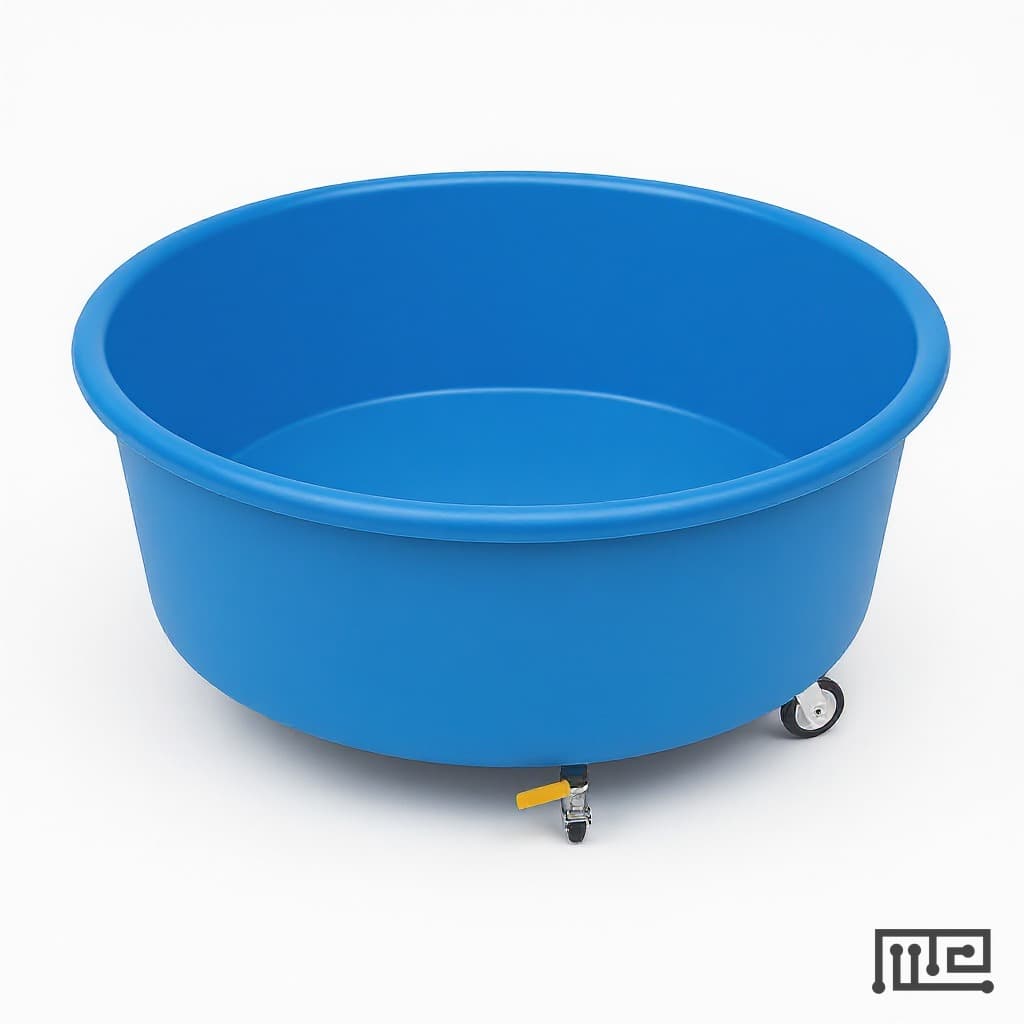
Circular pool with submerged escape platform for spatial learning and reference memory. The gold standard for hippocampal-dependent memory assessment in AD models.

Barnes Maze

Barnes Maze

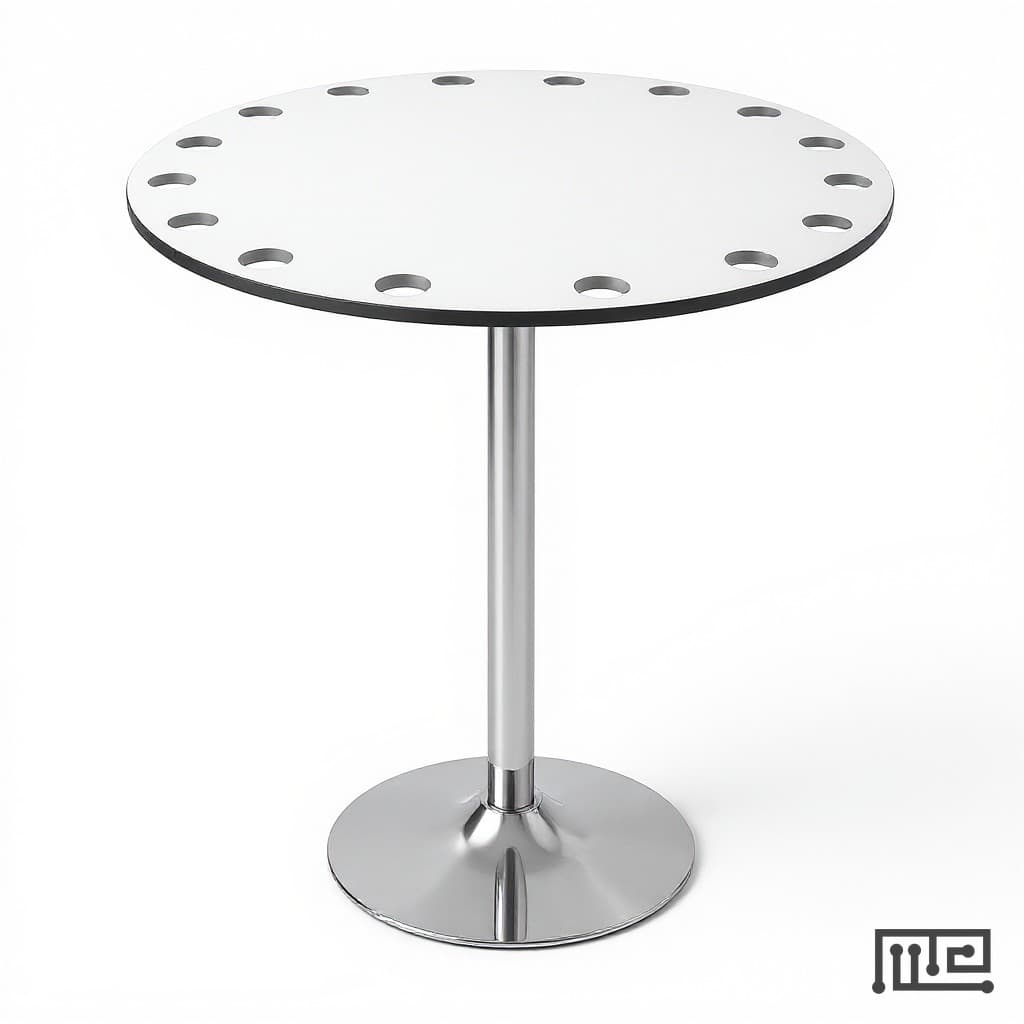
Elevated circular platform with escape holes for dry-land spatial learning. Lower stress alternative to MWM; well suited for repeated testing.

Y-Maze

Y-Maze

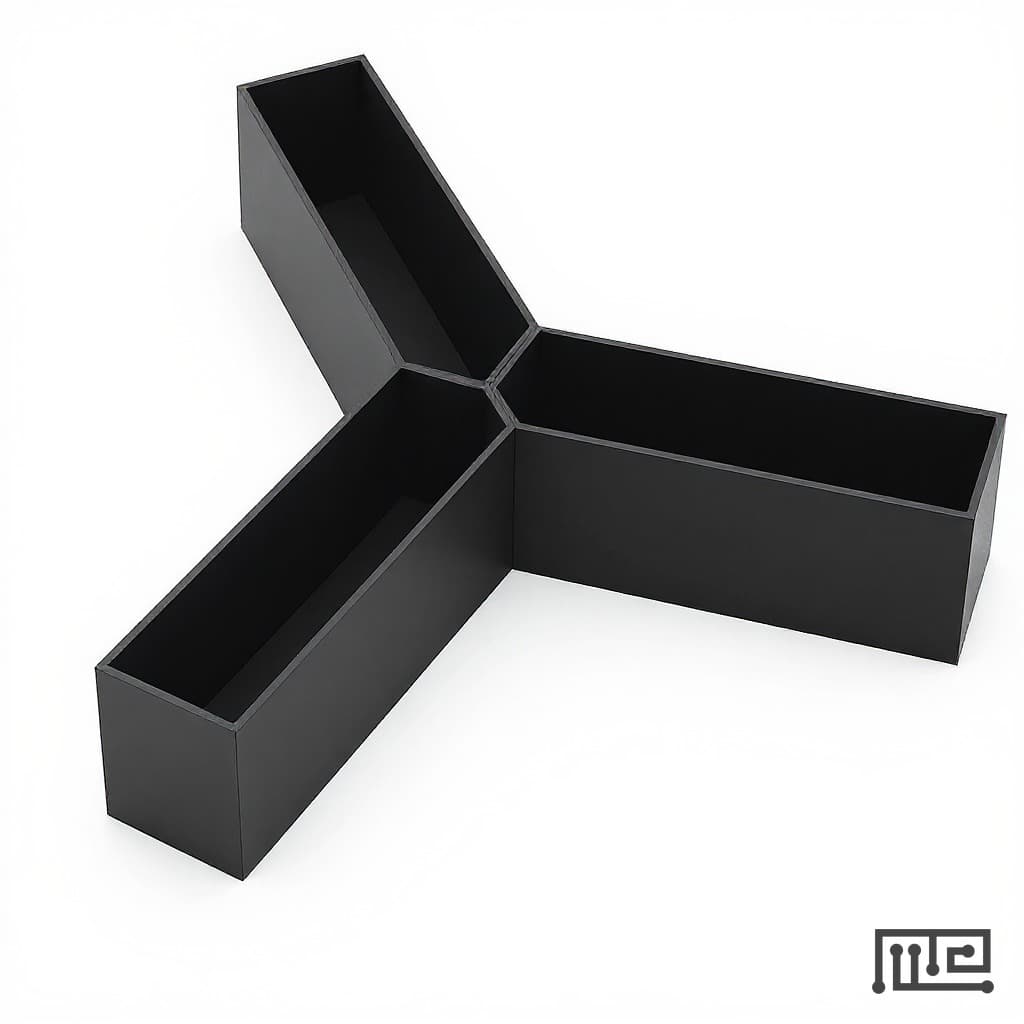
Three-arm maze for spontaneous alternation (working memory) and forced-alternation paradigms. No training required — rapid assessment of spatial working memory.

Elevated Plus Maze

Elevated Plus Maze

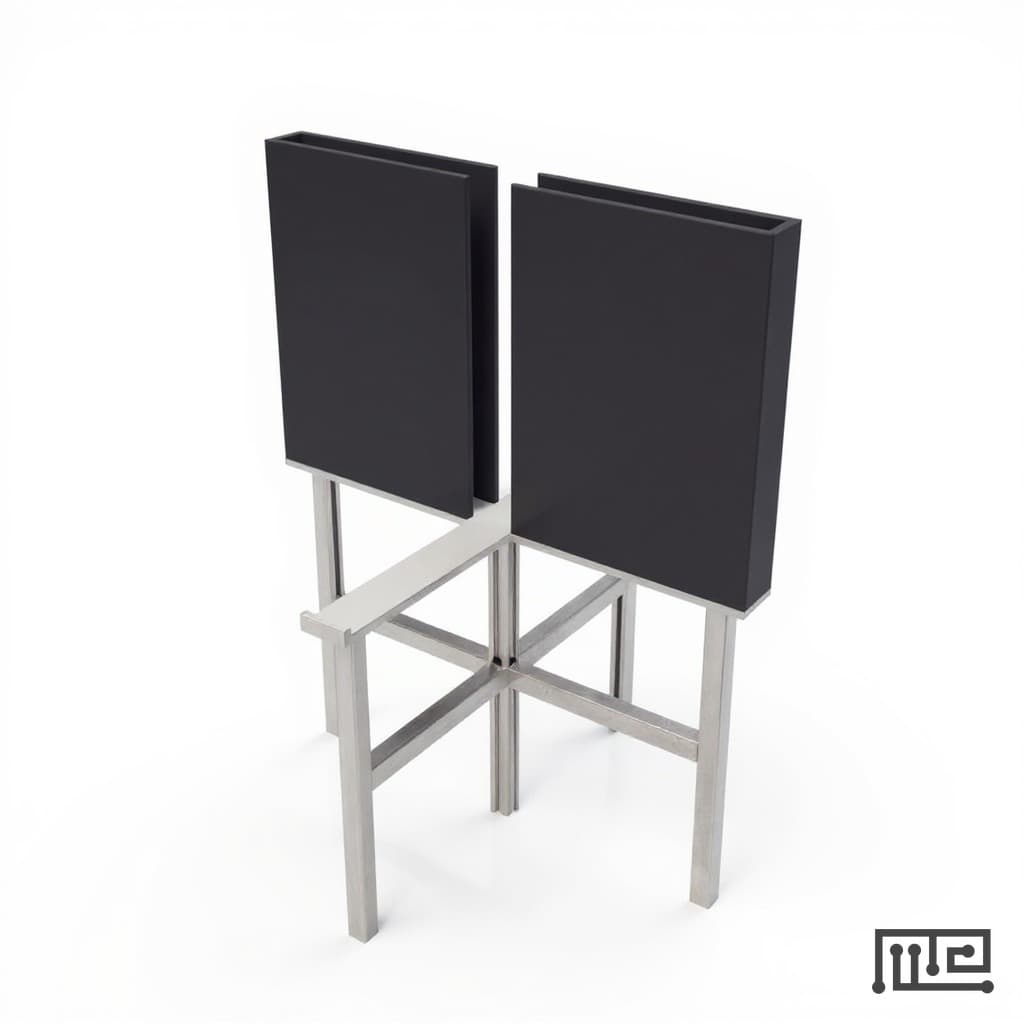
Four-arm elevated maze with open and closed arms for anxiety-like behavior assessment. Critical for phenotyping anxiety comorbidities in AD models.

Fear Conditioning System

Fear Conditioning System

Automated chamber with shock grid, auditory cue, and video tracking for contextual and cued fear memory. Dissects hippocampal vs. amygdala memory circuits.

Novel Object Recognition

Novel Object Recognition

Arena with standardized object sets for recognition memory. Non-aversive, training-free paradigm sensitive to perirhinal and hippocampal dysfunction.

Open Field Test

Open Field Test

Square or circular arena for locomotor activity, exploratory behavior, and thigmotaxis. Essential baseline control measure before cognitive testing.

Radial Arm Maze

Radial Arm Maze

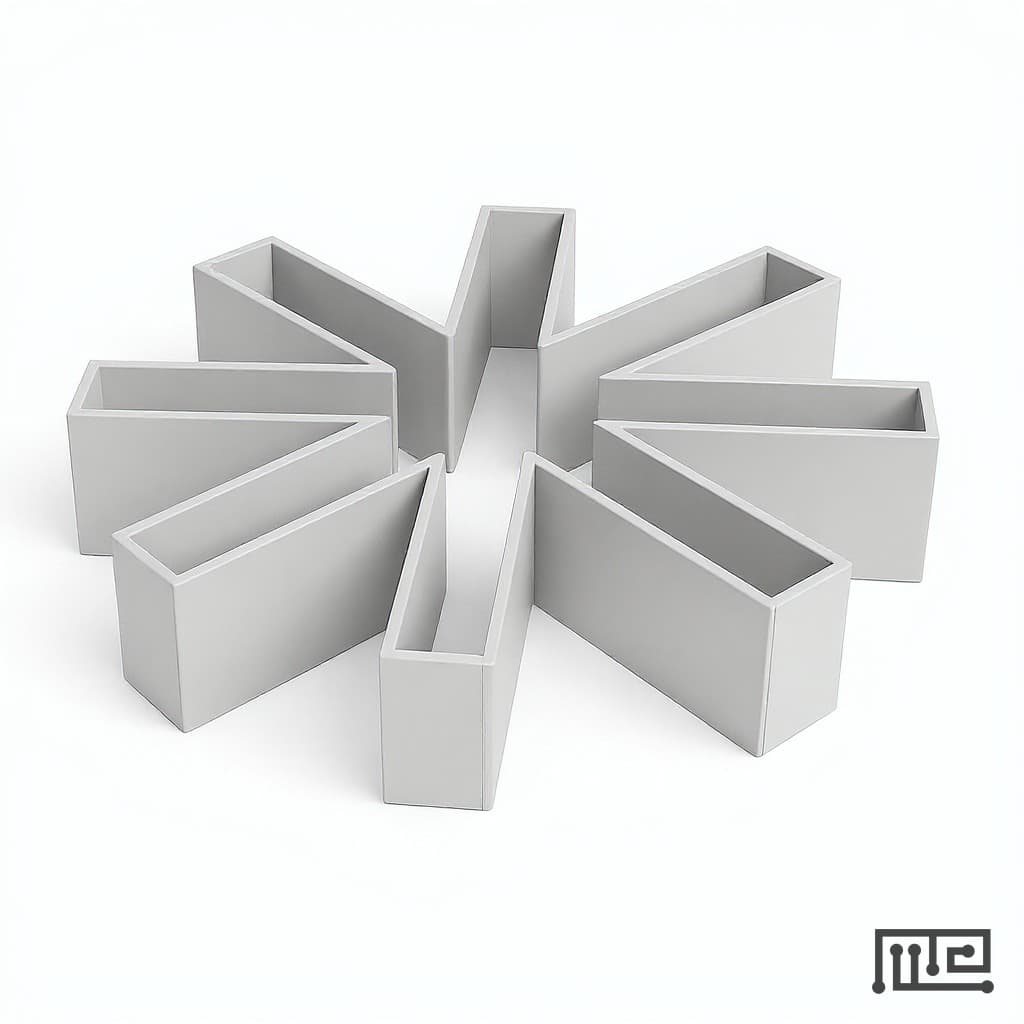
Eight-arm maze for simultaneous assessment of working and reference memory in food-motivated paradigms. Dissects distinct memory error types.

Passive Avoidance Shuttle Box

Passive Avoidance Shuttle Box

Light/dark shuttle box for inhibitory avoidance learning. Single-trial acquisition makes it efficient for pharmacological screening.

Frequently Asked Questions

What is the best mouse model for Alzheimer's research?

There is no single best model — it depends on your research question. 5xFAD is ideal for rapid drug screening due to aggressive amyloid onset by 2 months. APP/PS1 suits longitudinal studies with its slower progression. 3xTg-AD is the only widely used model with both plaques and tangles. Scopolamine provides a fast, reversible cholinergic deficit model that requires no transgenic colony.

How do 5xFAD and APP/PS1 mice differ?

5xFAD carries five familial AD mutations and develops plaques by 2 months with cognitive deficits by 4–5 months — it is an aggressive, fast-onset model. APP/PS1 has two mutations with plaque onset around 6 months and cognitive impairment at 6–8 months, making it better for longitudinal intervention studies where a wider therapeutic window is needed.

What behavioral tests are used for Alzheimer's mouse models?

The core battery includes the Morris Water Maze (spatial learning and memory), Y-Maze spontaneous alternation (working memory), Barnes Maze (dry-land spatial learning), fear conditioning (associative memory), and novel object recognition (recognition memory). The specific battery depends on the model: transgenic models typically use MWM and fear conditioning, while pharmacological models like scopolamine pair well with Y-Maze and passive avoidance for rapid screening.

What is the scopolamine model of Alzheimer's disease?

Scopolamine is a muscarinic acetylcholine receptor antagonist that produces acute, reversible cognitive impairment when injected intraperitoneally (typically 1–3 mg/kg). It mimics the cholinergic deficit seen in AD but does not produce amyloid plaques or tau tangles. It is widely used for rapid screening of pro-cognitive compounds because deficits appear within 30 minutes and resolve within hours.

When do 5xFAD mice develop amyloid plaques?

5xFAD mice develop intraneuronal amyloid-beta accumulation as early as 1.5 months, with extracellular amyloid plaques visible by 2 months of age. Plaque burden increases progressively, and significant neuronal loss occurs in cortical layer 5 and the subiculum by 9 months. Cognitive deficits on behavioral tasks like the Morris Water Maze are typically detectable from 4–5 months.

Which Alzheimer's mouse model has both plaques and tangles?

The 3xTg-AD model is the only widely used transgenic model that develops both amyloid-beta plaques (from ~6 months) and tau-based neurofibrillary tangles (from ~12 months). It carries three mutations: APP Swedish, PSEN1 M146V, and Tau P301L. This dual pathology makes it uniquely valuable for studying the interaction between amyloid and tau cascades.

How do I choose between Morris Water Maze and Barnes Maze for AD research?

Both test hippocampal-dependent spatial learning, but they differ in stress profile and practicality. The Morris Water Maze uses swimming as motivation and is the most widely published spatial memory assay — reviewers expect it. The Barnes Maze uses bright light and noise aversion on a dry platform, producing less swim-stress and less hypothermia risk in aged mice. Barnes Maze also allows repeated testing more easily. Choose MWM for maximum comparability with published data; choose Barnes for reduced stress or when testing aged or frail animals.

Can I use the scopolamine model with any mouse strain?

Yes. Scopolamine produces cholinergic deficits across strains, though response magnitude varies. ICR/CD-1 and C57BL/6J are the most commonly used and best characterized. Outbred strains (CD-1) offer lower cost and genetic diversity; inbred C57BL/6J provides tighter data with smaller group sizes. Always run a pilot dose–response study when using scopolamine with a new strain.