ConductVision
$1,490 per yearA 5-year license is $3,990 in total.
The same license also scores standard tests such as the open field, the elevated plus maze, the Y-maze and the Morris water maze. Results export as CSV files.

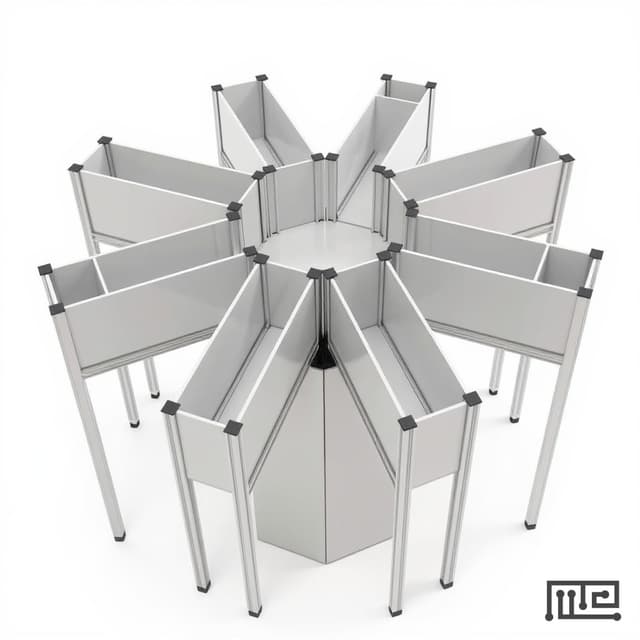
Eight-arm radial maze for assessing spatial working memory and reference memory in mice and rats through food-motivated foraging tasks.

Director of Science · ConductScience
Ask Louise about Radial Arm Maze fit, setup, configuration, or quote prep.
Already working with us? Sign in to connect this with My Scientist.
The Radial Arm Maze (RAM) is a standardized behavioral apparatus designed for assessing spatial working memory and reference memory in rodents. The traditional eight-arm configuration presents subjects with a central platform from which eight arms radiate outward, each potentially containing food rewards at the distal end. Animals must utilize spatial working memory to track previously visited arms and avoid re-entries while foraging efficiently.
The maze relies on the subject's ability to encode spatial relationships between arms using extramaze and intramaze cues present in the testing environment. This paradigm has proven particularly valuable for investigating hippocampal-dependent spatial memory processes and has been extensively validated in studies of neurodegenerative disease models, brain injury, and pharmacological interventions affecting cognition.
The Radial Arm Maze exploits the natural foraging behavior of rodents while requiring spatial working memory to achieve optimal performance. In the standard protocol, each of the eight arms is baited with food reward at the distal end. The subject begins from the central platform and must visit each arm once to collect all rewards while avoiding re-entries to previously visited arms.
Successful performance requires encoding the spatial location of each arm relative to extramaze visual cues (room landmarks, experimenter position) and potentially intramaze cues (texture, odor, local visual markers). Working memory errors occur when subjects re-enter previously visited arms within the same trial, while reference memory errors occur when subjects consistently enter never-baited arms across multiple sessions in partial-baiting protocols.
The task engages the hippocampal formation for spatial mapping and working memory, while prefrontal cortical areas contribute to strategic planning and error monitoring. Performance metrics include total errors, working memory errors, reference memory errors, trial completion time, and foraging strategy analysis.
| Add-on | Fits | Size | Price | Details |
|---|---|---|---|---|
| Food Wells | $200 | |||
| Doors for 8 Arms | Mouse or Rat | Cut to fit | $200 | |
| Goal Box | Mouse - 9cm width, 9cm width, 10 cm height Rat - 16cm width, 9cm width, 10 cm height | $100 | ||
| Single Push button manual light | $150 | Used for light cues and win shift experiments. Manual implementation and removable. Available for mice or rat | ||
| 6 Arm Radial Maze | $1,690 | 6 arm radial maze for mice nad rats. available with same modifications including doors, goal boxes, light cues, backlights. Mouse: Rat (prices listed: $1,690, $1,790) | ||
| Waterproofing | $400 | |||
| Goal Box | Mouse - To Fit Rat - To Fit | $500 | ||
| Y Maze Insert | $350 | Made to fit your RAM. Turns the 8 arm radial into a Y maze | ||
| Leg Stand | $500 | Elevates your RAM |
Add any of these to your quote request.
| Measurement | Mouse | Rat |
|---|---|---|
| Arm length | 35 cm | 50 cm |
| Arm width | 5 cm | 10 cm |
| Wall height | 10 cm | 20 cm |
| Feature | This Product | Typical Alternative | Advantage |
|---|---|---|---|
| Arm Configuration | Standard 8-arm design with optional 6-arm variant | Fixed configurations typically offer fewer customization options | Allows researchers to match task complexity to subject cognitive capacity and experimental requirements |
| Species Compatibility | Dedicated mouse (5cm width) and rat (10cm width) configurations | Single-size designs may compromise performance for one species | Optimizes arm dimensions for natural locomotion patterns and spatial scaling appropriate for each species |
| Central Platform Size | 34cm diameter central platform | Smaller platforms may limit movement flexibility | Provides adequate space for natural orientation behaviors and decision-making processes during arm selection |
| Modular Components | Optional guillotine doors, goal boxes, light cues, and maze inserts | Basic models often lack protocol customization options | Enables multiple behavioral paradigms and experimental protocols within a single apparatus investment |
| Wall Height Design | Species-specific heights (10cm mice, 20cm rats) | Uniform wall heights may be inappropriate for species differences | Prevents escape while maintaining visual access to extramaze cues essential for spatial navigation |
This radial arm maze system offers comprehensive spatial memory assessment capabilities through species-optimized dimensions, modular protocol components, and standardized construction suitable for multi-paradigm behavioral studies. The eight-arm configuration with optional six-arm variant provides flexibility for different cognitive capacity requirements while maintaining established protocol compatibility.
| Model | Size | SKU | Listed price | Status | Shipping box |
|---|---|---|---|---|---|
| Mouse | Arm length 35 cm · Arm width 5 cm · Wall height 10 cm | CS-958426 (+1) | $2,090.00 | Available | 65.0 x 36.0 x 27.0 cm |
| Rat | Arm length 50 cm · Arm width 10 cm · Wall height 20 cm | CS-958426 (+1) | $2,490.00 | Available | 65.0 x 36.0 x 27.0 cm |
Verify arm alignment using a protractor to ensure 45-degree spacing between arms, and measure arm lengths to confirm species-appropriate dimensions.
Why: Consistent spatial geometry ensures reliable spatial encoding and prevents systematic biases in arm selection patterns.
Inspect and tighten all connection joints monthly, checking for warping or damage that could affect structural integrity.
Why: Maze movement during testing can disrupt spatial cue relationships and compromise data validity.
Establish a standardized room setup with fixed extramaze cues and document their positions for consistent replication across sessions.
Why: Spatial memory performance depends critically on stable environmental landmarks for accurate navigation.
Record ambient lighting conditions and time of day for each session to control for circadian effects on cognitive performance.
Why: Both lighting levels and circadian phase can significantly influence spatial learning and memory consolidation processes.
Define clear criteria for arm entry (e.g., all four paws past the threshold) and train observers to consistent scoring standards.
Why: Standardized entry criteria prevent scoring variability that can obscure treatment effects and reduce statistical power.
If subjects show persistent side biases, rotate the maze orientation randomly across trials or block maze access until proper baiting is complete.
Why: Side preferences can mask spatial memory deficits and lead to ceiling or floor effects in performance measures.
Ensure maze height is appropriate for the testing surface to prevent injury from falls, especially when using elevated platform configurations.
Why: Subject injury can compromise both animal welfare and experimental validity through stress-related performance changes.
Allow 15-20 minute intervals between subjects for thorough cleaning and to prevent residual arousal or stress effects from affecting subsequent animals.
Why: Adequate inter-subject intervals prevent carry-over effects and ensure each animal begins testing under equivalent conditions.
ConductScience provides a one-year manufacturer warranty covering defects in materials and workmanship, with technical support available for protocol optimization and troubleshooting.
Background reading relevant to this product:
The Radial Arm Maze (RAM) is one of the most widely used behavioral tasks in neuroscience. It was originally designed by Olton and Samuelson in 1976 to understand spatial learning and memory in rodents. It was observed that rodents have a remarkable ability to remember spatial locations, especially when baited with food rewards, and this ability was adapted into a behavioral task. Radial Arm Maze was developed based on the fact that finding and retrieving food quickly and efficiently served as an essential survival strategy for rodents.
The hippocampus plays a vital role in the consolidation of short-term memory to long-term memory, spatial cognition, emotional behavior, learning and regulation of hypothalamic functions. The complex structure is one of the unique brain regions that see neurogenesis continue into adult life and is vulnerable to damage by a variety of stimuli. Studies have also shown the hippocampus to be affected in a variety of neurological and psychiatric disorders(Anand & Dhikav, 2012). Therefore, behavioral tasks, such as Radial Arm Maze, assist in gaining insight into hippocampal-dependent functions and effect of hippocampus changes.
The original design of Radial Arm Maze consisted of a 34 cm wide central platform with eight equal-length arms radiating out and was initially used to observe spatial learning and memory in rodents. Recent adaptations of the maze, however, no longer limit it to the assessment of spatial learning and memory and allow concurrent investigation of working and reference memory. RAM task requires the use of hippocampal-dependent spatial reference memory, and this ability to remember the location of visited arms can be affected by the administration of certain animal models. Variations of the maze have been used in research involving birds, insects, and even humans.
Origin
The first use of Radial Arm Maze was recorded in 1976 by Olton and Samuelson who used it to demonstrate the efficiency and memory of rodents in choosing an average of more than seven different arms in the first eight choices. It has since been extensively used in behavioral neuroscience research for its ability to measure working and reference memory, its many variations, and for its minimally stressful environment.
Developments
Olton published a series of papers describing the maze and evaluation of hippocampal-dependent learning over several years (Olton and Samuelson 1976, Olton et al., 1977, Olton and Collison 1979, Olton 1987). Since these initial papers, the maze has been used to study various lesions, and even the effects of electromagnetic fields emitted from cellular phones on memory deficits (Dubreuil et al., 2003).
Recent Developments
The task apparatus has also seen various modifications over the years to include different cues (such as light cues), flexible arms (3D Radial Arm Maze), environments (Water model) and a variable number of arms, to list a few. The apparatus has also been adapted to be used with other subjects such as insects (Elizabeth et al., 2016), and humans (Mennenga et al., 2014).
An adapted human version of the Radial Arm Maze was used by Mennenga et al. to serve as a tool to connect human and rodent models of cognitive functioning. Their study evaluated human working memory and factors that contribute to the navigational ability of humans. The experiments showed that errors increased in a similar pattern as seen in a rodent model of RAM as the working memory demand increased.
The Radial Arm Maze has also seen adaptation as a computerized version wherein the subjects as tested in a virtual environment (Braun et al., 2012, Lee et al., 2014).
The Radial Arm Maze’s basic construction includes a central circular platform with the arms radiating outwards. The central platform is usually of an approximate diameter of 30 cm, and the arms tend to be approximately 80 cm long with a width of 10 cm. These measurements can be varied and adjusted depending on the experimental requirement and the subject being used. The entrances of the arms usually have doors, that is either removable or guillotine styled, to limit access. The entire apparatus, in general, is transparent to allow the subject to visualize extra-maze cues, although opaque versions are also available. The apparatus is usually raised 50 cm above the floor.
Over the years the apparatus for Radial Arm Maze has been improved upon to meet different requirements of behavioral investigations. Modifications such as adding a goal box to the end of the maze arms, water models, etc. have been made to assist the needs of investigatory processes. A fully automated Radial Arm Maze is also available, which detects the location of the animal within the maze, automates opening and closing of doors within the maze, and detects the presence of the food reward in the arm chambers.
The apparatus should be well lit from above to prevent shadows to ensure the proper utilization of Radial Arm Maze. Observation of the Radial Arm Maze task can be done using tracking software such as ConductVision, Noldus Ethovision XT,and ANY-Maze. mounted above the apparatus. Live scoring is also possible.
The purpose of the Radial Arm Maze is to assess spatial memory and spatial learning in animals, in control vs. disease model/intervention group, by observing their ability to navigate the arms of the maze and remember which arms they have previously entered. Typically, animals are capable of learning and remembering the location of arms with food rewards using visual cues.
This test can provide information regarding hippocampal-dependent learning, specifically spatial memory. For example, the effects on memory abilities in animal models of aging (Shukitt et al., 2004) or cognition can be tested using the Radial Arm Maze. Learning and remembering are essential to survival strategy and tends to get impacted in subjects with impaired neuro-cognitive abilities. As the aptitude to remember decreases, the subject’s task errors increase, and the subject tends to make multiple re-entries into the arms.
Several protocols exist for Radial Arm Maze depending on the experimental aim, and the data researchers are looking to obtain. The most common protocol, used in the study of hippocampal lesions or degeneration and to determine the involvement of a specific gene or protein in spatial memory, uses a fully baited version of Radial Arm Maze wherein the subject is required to visit each arm only once per trial.
Pre-Training for the Fully-Baited Radial Arm Maze
Pre-training sessions can be done across several days prior to the experiment. Subjects are placed in small groups on the maze and allowed to explore the maze for 20 minutes freely. The maze floor is scattered with food rewards to encourage the subjects to explore. On the subsequent days, food rewards are only placed at the ends of the arms. For tasks involving automated Radial Arm Maze, the subjects are also familiarized with the movements and noise of opening and closing of the automated doors.
Evaluation of Spatial Learning and Memory Using the Radial Arm Maze
Training and testing processes begin with cleaning the apparatus to minimize olfactory cues and setting up of any visual cues within the test areas. Food rewards are placed in the chambers at the end of each arm. For tasks involving automated Radial Arm Maze, doors to each of the arms are closed. The subject is brought into the room and placed on the central platform and allowed an acclimate, if necessary.
For the fully-baited training procedure, subjects are tested over the course of 10 to 20 consecutive days. Each arm chamber consists of a food reward, and the subject is expected to learn to visit each arm only once per session. The session is terminated when the subject has visited all 8 arms and has eaten the reward after 16 arm visits are made (regardless of which arms) or after a maximum of 15 minutes. For the automated Radial Arm Maze task, the subject is placed on the central platform, and the doors are opened simultaneously to allow the subject to explore.
Subject’s reference memory can also be tested by baiting some of the arms while the remaining arms remain un-baited. The session is terminated when eight minutes have passed or until all baited arms are entered. A repeated entry into a baited arm is counted as a working memory error while any entry into an un-baited arm is recorded as a reference memory error.
Since the introduction of the Radial Arm Maze by Olton and Samuelson in the mid- 1970’s, researchers have adapted the Radial Arm Maze to meet the various requirements of the investigatory process of spatial learning and memory. While each modification allows for the collection of specific data and can help differentiate between working and reference memory, the different versions of the Radial Arm Maze all provide measures of the spatial learning, memory, and overall cognitive function.
Like the fully-baited Radial Arm Maze task, there is also a confinement/delay version of the maze. In this task when the subject enters an arm, it interrupts the infrared beam which triggers the automatic closure of the remaining doors. Once the subject returns to the central platform, the eighth door is also closed, and the subject is confined to the center for 10 seconds. After the completion of the delay, all doors are opened simultaneously, and the same procedure is repeated. (Dubreuil et al., 2003) Longer delays have also been utilized in other research, to test how long the subject can remember spatial locations (Suzuki et al., 1980, Bolhuis et al., 1986, Strijkstra et al., 1987).
Another version of Radial Arm Maze uses a setup that is not fully baited. The trial session is comprised of three phases: a training phase, a delay phase, and a test phase. For the training phase, four arms are randomly chosen and baited with food rewards while the access to the remaining four was blocked by the doors. The subject can explore the baited arms and retrieve the food rewards for approximately 5 minutes. Once the subject has retrieved all the food rewards and returned to the center, all the arms are closed, and the subject is isolated in the center platform for either 30 second or 15 minutes depending on the experimental design. After the delay, all the arm doors are simultaneously opened, and the test phase is initiated. During this phase the previously blocked, un-baited arms are baited with food rewards and the subject is expected to visit the arms that it had not visited in the training phase. The test phase begins with opening the doors and allowing the subject to retrieve the food rewards. The test is concluded when the last food reward is retrieved, or 300 seconds have expired. This version of the Radial Arm Maze has been used to study cognitive dysfunction and its relationship to depression-like symptoms. (Richter et al., 2013)
The Water Radial Arm Maze was developed to overcome the shortcomings of the dry land version of the maze. The water-based model, in contrast to the land-based model, does not require food deprivation, minimizes the influence of scent cues and utilizes the subject’s motivation for escape as an effective means to assess the working and reference learning and the memory simultaneously without the need for pre-training. For the water-based Radial Arm Maze task, the RAM apparatus is placed in a pool of water, and four arms are baited with an escape platform. The trial begins by placing the subject in the start arm, facing the wall. The subject can explore the maze for a maximum of 120 seconds or until it has reached one of the escape platforms. Subsequent trials progress by the removal of the visited escape platform. A record of all the visited arms, remaining platforms and visited platforms is maintained to correctly measure the reference memory and the working memory of the subject. (Penley et al., 2013)
The 3-D Radial Arm Maze is a modified version of the Radial Arm Maze developed by Abdel Ennaceur in 2006. Ennaceur’s 3D radial arm maze became a groundbreaking venture because of the unique design; the subjects exposed to unfamiliar open spaces without a safe alternative. The maze utilizes open spaces and spatial navigation both horizontally and vertically. Flattened, Raised, and lowered arms allow for a high degree of flexibility in various experiments.
A combination of the classic Radial Arm Maze and Barnes Maze, the Radial Arm Barnes Maze combines the advantages of both the mazes into one. The maze was first described by Paganelli’s et al. in their 2004 paper investigating influence of neural lesions on acquisition and retention of cognition in mice.
A common modification of the Radial Arm Maze is varying the arm lengths or the number of arms. The Arm Length variant RAM and the n-Arm variants RAM allow evaluating the effects of changing the lengths and number of the arms on the spatial and memory performance of the subjects.
The data obtained from the Radial Arm Maze generally consists of following measures:
The time between retrieving food rewards can also be recorded as a measure of activity and willingness to explore. As the animal learns that entering a new arm results in a food reward, the number of error arm entries is expected to decrease. These values can merely be graphed and compared to a sham control group and a disease model/intervention group.
In addition to counting entries, a memory score can also be calculated.
This score describes the memory performance on a scale from -1 to 1, with a score of 1 reflecting a perfect score of only entering novel arms (Richter et al., 2013). Memory scores are likely to improve over several tests.
Graphs allow easy visualization of comparisons of the effect on spatial memory and learning between different disease or treatment groups. Control groups are usually expected to show significant improvements in their correct arm entries and memory scores while subjects in disease models of neurodegenerative disorders, for example, should show a much slower learning curve with more error entries, even after several trials. Generally, animal cohorts of 20-30 animals are sufficient to obtain p-values of <0.05 using ANOVA, chi-squared test, and post-hoc tests (Dubreuil et al., 2003, Richter et al., 2013)
Radial Arm Maze has also been adapted into a human model to act as a translational instrument in comparison of existing methodologies in rodent and human learning and memory research (Mennenga et al., 2014). The results of the research showed a significant correlation in error patterns seen in rodent-based models and the human-based model, as the working memory demand increased.
Genetic animal models employing delayed spatial win-shift task have shown high translational potential for the study of cognitive function (Richter et al., 2013). The model used two strains of rats: Congenitally helpless rats and rats resistant to helplessness, and tested them using Radial Arm Maze procedures used by Olton et al. and also with imposed temporal delay at some time within the sequence of arm visits. Congenitally helpless rats were shown to have impaired affective processing similar to depressed patients.
The Virtual Radial Arm Maze challenges the participant’s place learning skills, allowing assessment of their capacity to discriminate, remember and process the information as they explore the maze. The Radial Arm Maze can be easily adapted and modified to limit the use of certain strategies by the participants. Using inter-trial delays can also aid in the investigation of the memory capabilities of the participants. The absence of significant stressors and familiarization with the maze before testing allows for better observations of working and reference memory of the participants.
Radial Arm Maze was developed to allow place learning which was, in models before it, seen as a factor that needed to be controlled. By utilizing the subject’s place learning skills, researchers can assess the capacity of the subject to discriminate, remember and process information as it explores the maze (Olton et al., 1976).
In contrast to other mazes, Radial Arm Maze does not utilize aversive stimulus to test spatial learning as seen in Morris Water Maze that requires the animals to be submerged in water and swim in order to survive by searching for an escape platform (Hodges 1996). The Radial Arm Maze also allows the use of food rewards as task motivation, rather than using escape and survival reinforcers, which intrinsically places less stress on the animals (Hodges 1996). The absence of significant stressors and familiarization with the maze prior to testing allows for better observations of working and reference memory in the animals as they perform in the maze.
The RAM assists in repeated measures of detecting steady-state reference and working memory deficits, although this does require precise analysis (Hodges 1996). Additionally, RAM can be modified to limit the use of particular strategies by limiting route choices using doors to block off arms. Doors can also be used to create novel arms that can be revealed in the subsequent trials. Automation of the apparatus is also helpful in creating triggered delays (Dubreuil et al., 2003) to test how long the subject can remember spatial locations. The Radial Arm Maze can also be modified to complement the specific needs of the study/ experiment, such as using a water environment for a task trial (Shukitt et al., 2004). In many cases, the Radial Arm Maze is used in conjunction with other mazes to study disease models or transgenic animals and gain a fuller understanding of spatial learning and memory.
As with all mazes that measure aspects of learning and memory, it is important to remember that many different processes affect the behavior of the subject in the maze. Overtraining of the subject and the subject’s preferred behavioral response can impact the test results. It should also be kept in mind that the Radial Arm Maze requires more training and is more time-consuming than other mazes used for similar measures.
From the Maze Engineers documentation for this apparatus.
What is the Radial Arm Maze?
The Radial Arm Maze is a behavioral apparatus with multiple arms (typically 8) radiating from a central platform, used to assess spatial reference and working memory in rodents through food-reward paradigms.
How does the Radial Arm Maze work?
Food rewards are placed at the end of selected arms. Rodents must remember which arms contain rewards (reference memory) and which arms they have already visited (working memory). Errors of both types are quantified across trials.
What research applications use the Radial Arm Maze?
The Radial Arm Maze dissociates reference from working memory, making it valuable in Alzheimer's research, cholinergic system studies, and assessment of hippocampal and prefrontal cortex function.
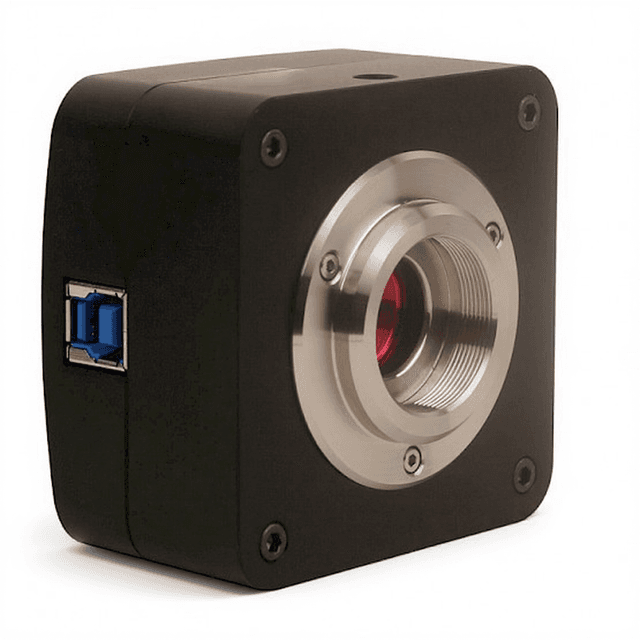
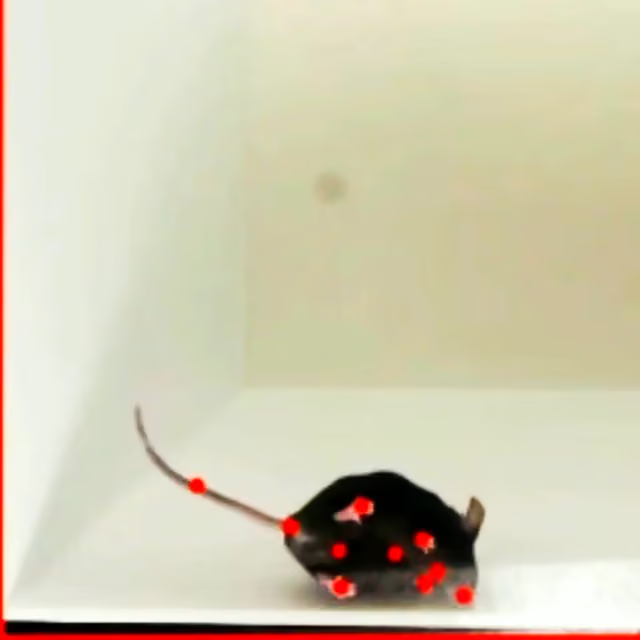
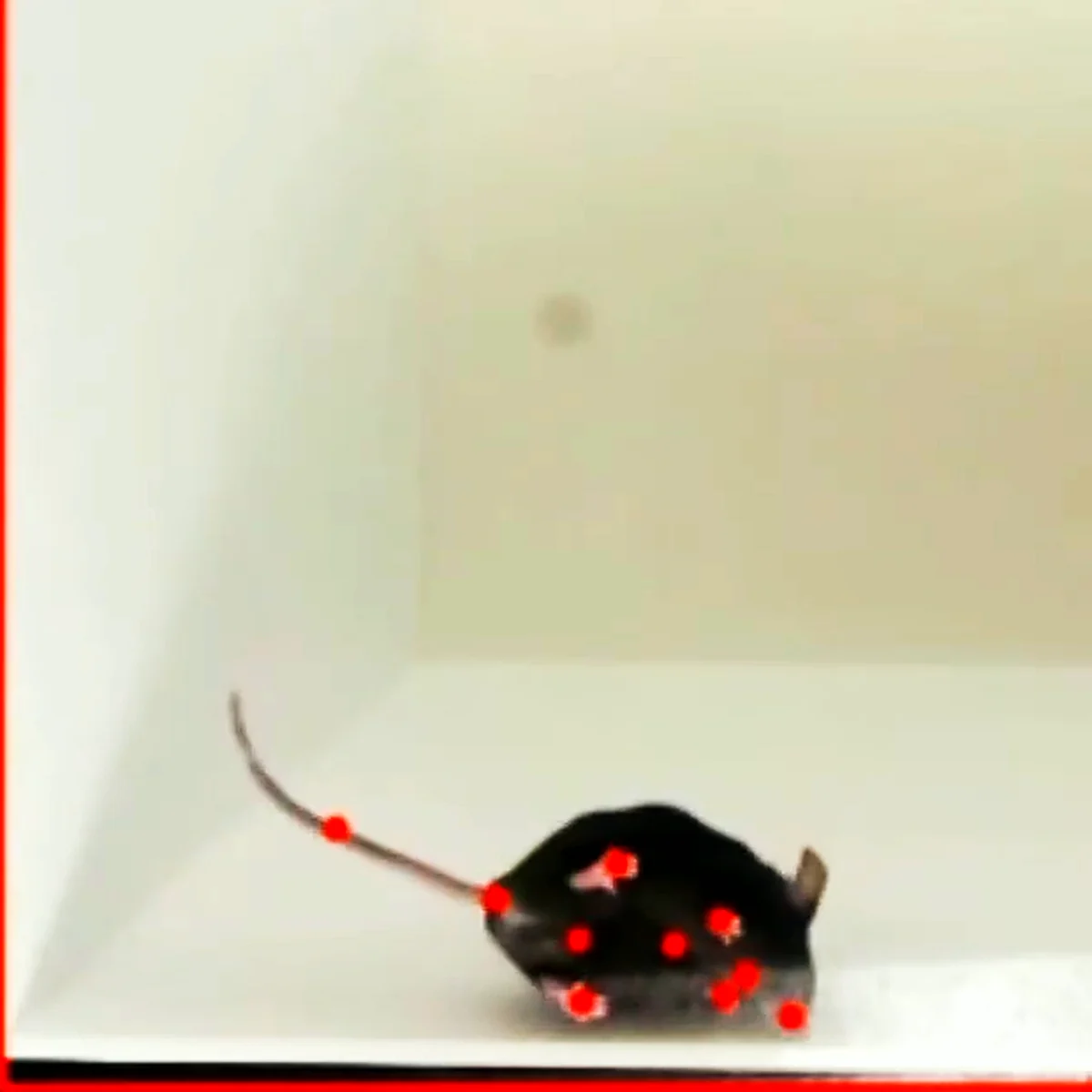
ConductVision is our video-tracking software. Record your sessions on video, and it reports the measures listed below.
A 5-year license is $3,990 in total.
The same license also scores standard tests such as the open field, the elevated plus maze, the Y-maze and the Morris water maze. Results export as CSV files.
Send it over and we'll email you a personalized answer — no call, no scheduling.
Prefer to talk it through?
Enhance your setup with compatible accessories
Creator Insights
David S. Olton was a behavioral neuroscientist and professor of psychology at Johns Hopkins University, where he spent most of his career until his death in 1994. In 1976 he and Robert J. Samuelson introduced the radial arm maze, showing that rats use a distinct spatial memory system to track which arms they have already visited within a foraging session. The paradigm gave direct behavioral evidence for the hippocampus’s role in spatial working memory, a finding foundational to the cognitive neuroscience of memory. The radial arm maze remains one of the most widely used tasks for dissociating working memory from reference memory in rodents.
To view David S. Olton’s publications, visit PubMed.
Did you work with David S. Olton? to suggest corrections or share material for these Creator Insights.
ConductScience celebrates method creators: researchers who, through rigorous and often ingenious experiments, develop the tools that reveal how the brain and body work. These are real scientific discoveries that become everyday instruments for the labs that follow.
Use this apparatus with
Automate arm entries, repeat entries, latency, path order, and baited-arm performance from overhead video.
ConductVision Radial Arm Maze ->Habituation, food restriction, baiting schedules, delay variants, and working-memory error definitions.
ConductMaze Radial Arm Maze Protocol ->Free tool for working-memory errors, reference-memory errors, repeat entries, and percent-correct summaries.
Radial Arm Maze Error Calculator ->Configuration considerations
Use these notes to scope species, cohort, tracking, and automation needs. Only verified product or support routes are linked from this section.
Central hub with eight equally spaced arms and removable food wells
Standard spatial working-memory configuration for baited-arm, win-shift, delay, and reference-memory protocols.
Quote
Request QuoteScaled arm width and hub diameter for mouse cohorts
Smaller layout for mouse spatial working-memory studies where body size and turning radius affect arm choice.
Quote
View options ->Optional guillotine doors, sensor logic, and camera tracking
Useful when delay periods, forced-choice phases, or high-throughput scoring require automated arm access.
Quote
Configure tracking ->§ 1
The Radial Arm Maze measures spatial working memory by asking animals to remember which arms they have already visited within a trial. Olton and Samuelson introduced the task to separate efficient place-based search from repeat-entry errors, making it a core assay for hippocampal and prefrontal memory systems. 1
The same apparatus can test working memory, reference memory, win-shift behavior, delayed choice, and baited-arm discrimination. That flexibility makes arm geometry, automation options, error definitions, and control rules important for interpreting repeat entries as memory failures rather than strategy or motivation effects. 1
Food motivation, odor trails, arm preference, lighting, and motor speed all change radial-arm performance. A strong protocol records entry order, latency, unvisited arms, repeat visits, and baited versus unbaited errors so the commercial apparatus supports publishable methods. 1
§ 2
Baited-arm acquisition with entry-order scoring, memory-error classification, and optional delay probes.
Critical methodological constraints
Core radial-arm endpoints for memory, strategy, and motivation checks.
Working-Memory Errors
Within-trial memory
Reference-Memory Errors
Rule memory
Percent Correct
Performance summary
Latency To First Choice
Motivation and initiation
Entry Sequence
Search strategy
+ Additional metrics: arms visited before first repeat, rewards retrieved, omission errors, hub dwell time, arm dwell time, trial duration, and route entropy.
A compact within-trial error index for baited-arm spatial memory.
Estimate the N per group needed to detect a literature-anchored effect at the endpoint you plan to report. Override the defaults with your own pilot numbers.
§ 3
PubMed publication counts, sample apparatus output, and recent papers from a dated PubMed snapshot.
PubMed volume and co-occurring behavioral methods for radial-arm memory studies.
Representative output from an eight-arm baited spatial working-memory trial.
Temporal Dynamics of Dorsal-Striatal Protein Networks During Radial-Arm Maze Training.
Gutman S, Borovok N, Kirby M, et al.. Neuroinformatics. 2026 Sep 23.
Repeated radial-arm maze (RAM) exposure engages spatial, motivational, motor, and reward-related processes, but how the dorsal-striatal proteome is organized across repeated training remains unclear.
Sex differences in rat behavioral responses to acute wheel running during stress and ambiguity.
Wachtel A, Castaneda E, Davis JG, et al.. Behav Brain Res. 2026 Sep 19.
Acute aerobic exercise activates physiological stress systems yet is widely viewed as a strategy for improving cognitive and emotional functioning.
Memory and mood-enhancing neuroprotective effects of visible light photoactivated gold nanoparticles and PEG3350 coating in a rat animal model.
Postu PA, Ionita R, Pricop DA, et al.. Biomater Adv. 2026 Sep.
Gold nanoparticles (AuNPs) emerge as promising neuromodulatory biomaterials due to their tunable optical properties, biocompatibility, and ability to cross the blood-brain barrier.
Protective role of hemokinin-1 against age-dependent spatial memory and attention decline in mice.
Tajti BT, Kepe E, Simon DV, et al.. Geroscience. 2026 Aug 12.
Age-related cognitive decline is a major social and medical challenge, but its mechanisms remain poorly understood; prevention and therapy are unsatisfactory.
Effect of metformin on anti-Alzheimer activity of rivastigmine in aluminum chloride-induced Alzheimer's disease in rats: A behavioral, biochemical, immunohistopathological evidence of crosstalk between amyloid, tau, autophagy, and apoptosis.
Abdel-Aal RA, Abdelnabi S, Badary DM, et al.. Eur J Pharmacol. 2026 Jul 15.
This study investigates how the anti-Alzheimer's effectiveness of rivastigmine (RIVA) is affected by the antidiabetic drug metformin (MET).
Metabolic insights into the 3xTg-AD Alzheimer model mice: Unraveling the hypothalamic-pituitary-thyroid axis and beyond.
Szabó A, Farkas S, Kádár A, et al.. Psychoneuroendocrinology. 2026 Jun.
The 3xTg-AD mouse model is widely used to study the pathomechanisms of Alzheimer's disease (AD) and to test potential therapies. During food-motivated cognitive tasks, however, increased food-directed behavior was observed in these animals, raising the possibility that metabolic factors may influence task performance.
§ 4
Limitations of the paradigm, methodological caveats, and current directions.
Variables that can shift Radial Arm Maze results apart from the effect under study.
Reduced reward seeking or satiety increases omissions and latency without proving a memory deficit.
Reward odor, cleaning differences, and previous path scent can drive choices unless arm cleaning is consistent.
Animals can use a serial route instead of flexible spatial memory. Entry order should be reviewed, not only total errors.
Persistent preference for specific arms can change error counts and mask learning.
Delay probes should be separated from acquisition because they stress retention rather than initial rule learning.
## Radial Arm Maze — methods controls

Confounds controlled in this protocol:

- **Food motivation.** Reduced reward seeking or satiety increases omissions and latency without proving a memory deficit.
- **Odor trails.** Reward odor, cleaning differences, and previous path scent can drive choices unless arm cleaning is consistent.
- **Chaining strategy.** Animals can use a serial route instead of flexible spatial memory. Entry order should be reviewed, not only total errors.
- **Arm and side bias.** Persistent preference for specific arms can change error counts and mask learning.
- **Delay design.** Delay probes should be separated from acquisition because they stress retention rather than initial rule learning.
Radial Arm Maze is strongest when the error taxonomy is pre-specified. A repeat entry, an unbaited-arm visit, an omitted baited arm, and a long latency are different behavioral failures and should not be collapsed into one memory label. 1
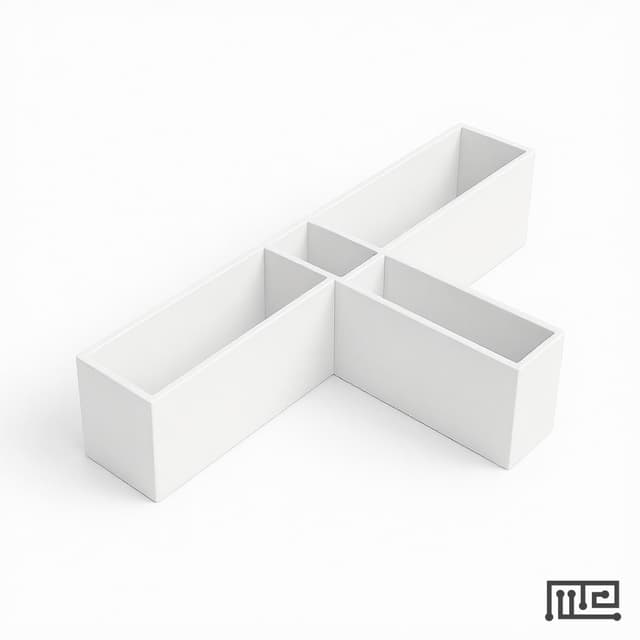
Use T Maze when the experiment needs a simpler forced-choice, alternation, or reward-discrimination setup with fewer spatial locations and faster daily throughput.
Eight arms are standard because they provide enough choices for repeat-entry scoring, but four-arm and twelve-arm designs can be justified for species, task load, or automation constraints.
Yes. Latency and reward retrieval help separate memory errors from motivation, locomotor, and anxiety-like behavior.
Quarterly editorial review of emerging Radial Arm Maze methodology. Q2 2026
Entry-sequence classification is increasingly important because total error counts miss serial chaining and arm-bias patterns.
Gate-controlled variants make delay periods, forced-choice phases, and reproducible trial timing easier to run.
Food restriction, reward preference, and body-weight tracking should be reported with memory endpoints.
Radial Arm Maze is often paired with MWM, Barnes Maze, and Y Maze to triangulate spatial learning under different stress and motor loads.
§ 5
10 selected methods and validation references for Radial Arm Maze.