ConductVision
$1,490 per yearA 5-year license is $3,990 in total.
The same license also scores standard tests such as the open field, the elevated plus maze, the Morris water maze and the Barnes maze. Results export as CSV files.

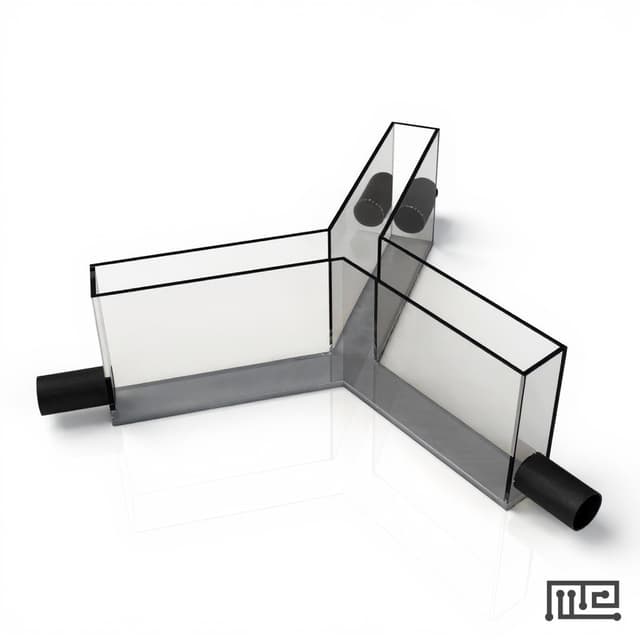
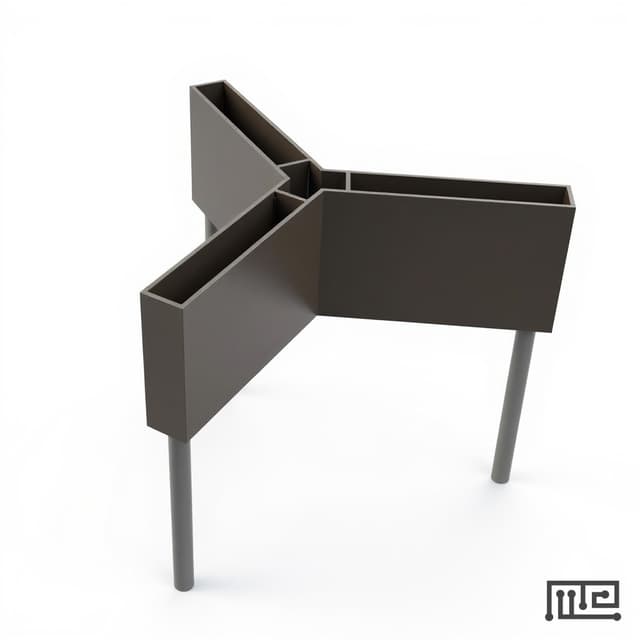
Three-arm behavioral maze with 120-degree arm angles for assessing spatial working memory and spontaneous alternation in mice and rats.

Director of Science · ConductScience
Ask Louise about Y Maze fit, setup, configuration, or quote prep.
Already working with us? Sign in to connect this with My Scientist.
Senior author: Sarkis Mazmanian (2012 MacArthur Fellow)
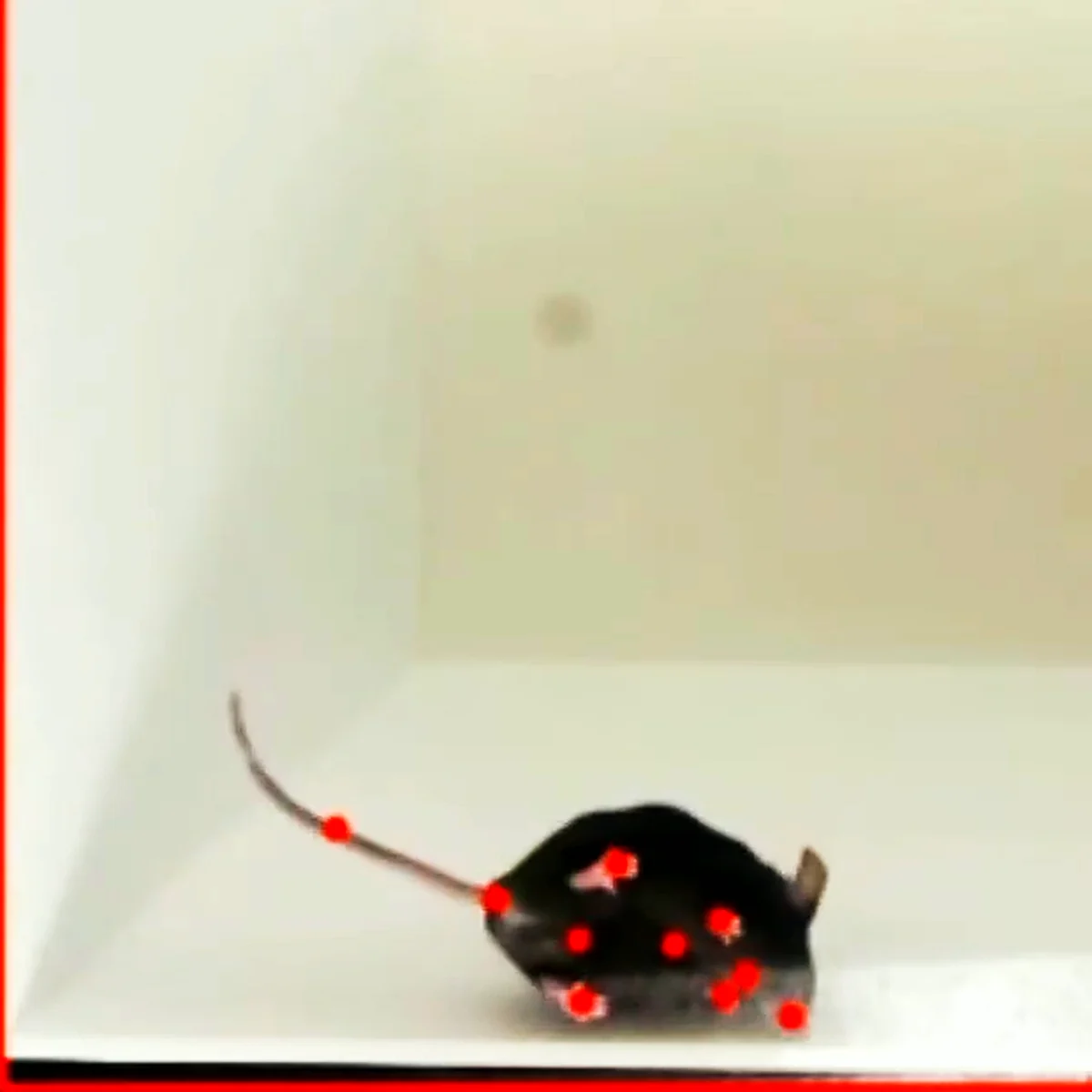
Y-maze alternations test was performed in a white Y-maze (Maze Engineers, Boston, MA) video-taped from above.
Maze Engineers is part of ConductScience.
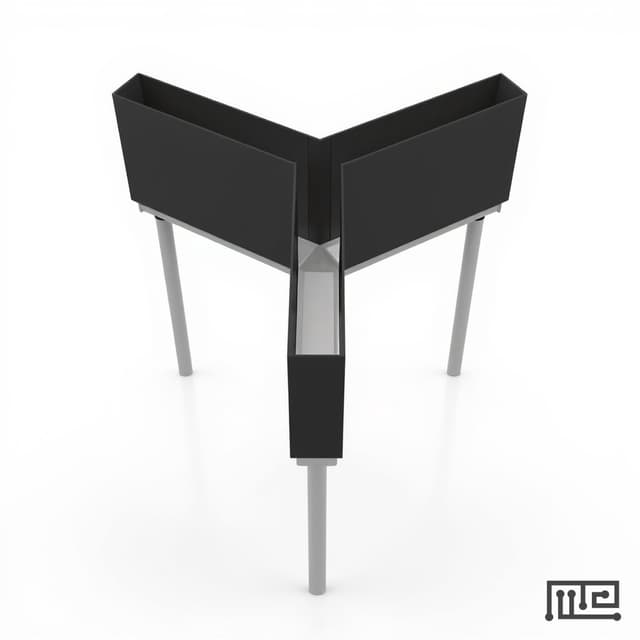
The Y Maze is a three-arm behavioral testing apparatus designed for evaluating spatial working memory and spontaneous alternation behavior in rodents. Each arm extends at 120-degree angles from a central junction, creating a symmetrical configuration that reduces the sharp directional changes found in T-maze designs. This gradual turn architecture decreases learning time and allows for more natural locomotor patterns during behavioral assessment.
Available in mouse and rat configurations, the Y Maze incorporates 1cm deep food wells that can be positioned in one, two, or all three arms for rewarded alternation paradigms. The apparatus serves as a primary tool for assessing reference memory, working memory, and exploratory behavior patterns in neurobehavioral research. The maze's compact design minimizes degrees of freedom, focusing animal attention on the spatial memory task while maintaining sufficient space for natural movement patterns.
The Y Maze operates on the principle that rodents exhibit an innate tendency for spontaneous alternation, preferentially exploring arms that differ from their previous choice. This behavioral pattern reflects the function of spatial working memory, primarily mediated by hippocampal circuits. Animals naturally alternate between arms to maximize exploration efficiency, creating a measurable behavioral readout of cognitive function.
During testing, rodents are placed in the central junction and allowed to freely explore all three arms. The sequence of arm entries is recorded, with alternation defined as consecutive choices of three different arms. Normal animals typically demonstrate alternation rates of 60-80%, while cognitive impairment results in reduced alternation percentages. The 120-degree arm configuration facilitates natural movement patterns and reduces the spatial complexity compared to sharper-angled maze designs.
For rewarded alternation paradigms, food wells positioned in specific arms create reinforcement contingencies that assess reference memory formation. Animals must learn and retain spatial associations between arm locations and reward availability, providing complementary measures of both working and reference memory systems.
| Add-on | Fits | Price | Details |
|---|---|---|---|
| Food Wells | Mouse or Rat | $100 | |
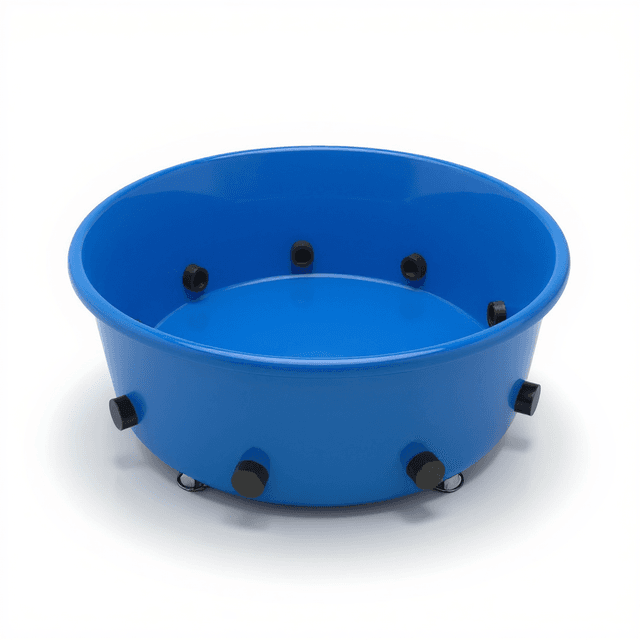
| Water Sealant | Mouse or Rat | $100 | |
| Doors | Mouse or Rat | $100 | |
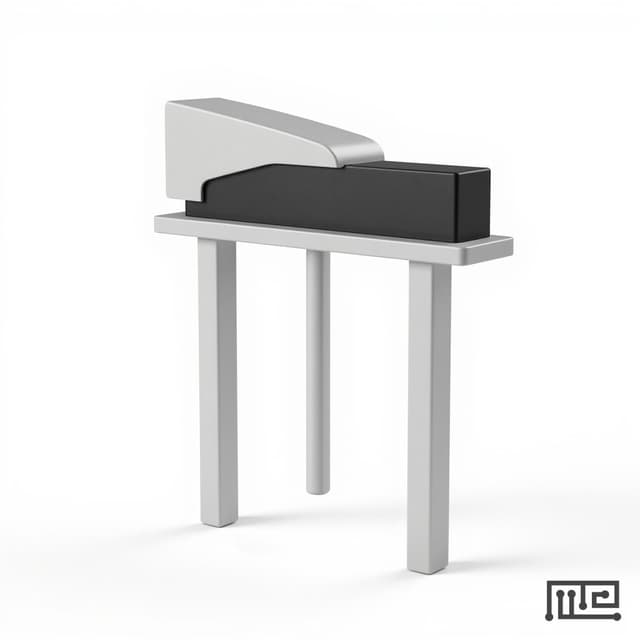
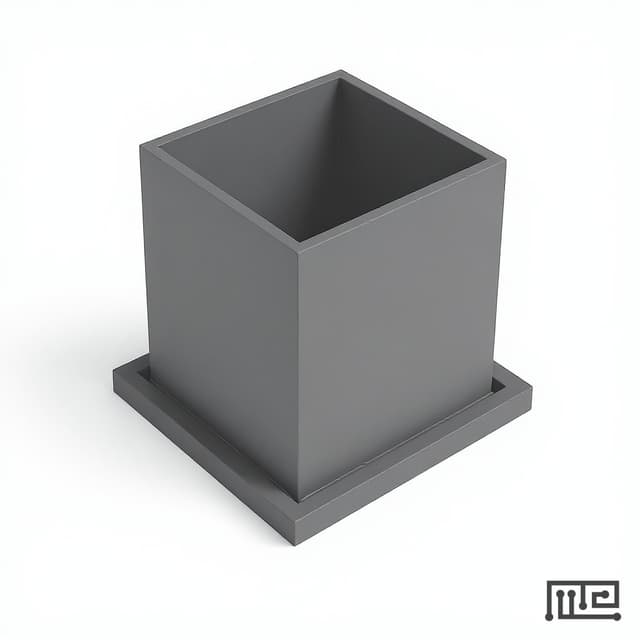
| Y Maze Stand | $210 | Mouse: 32cm, Rat: 45cm (prices listed: $210, $240) | |
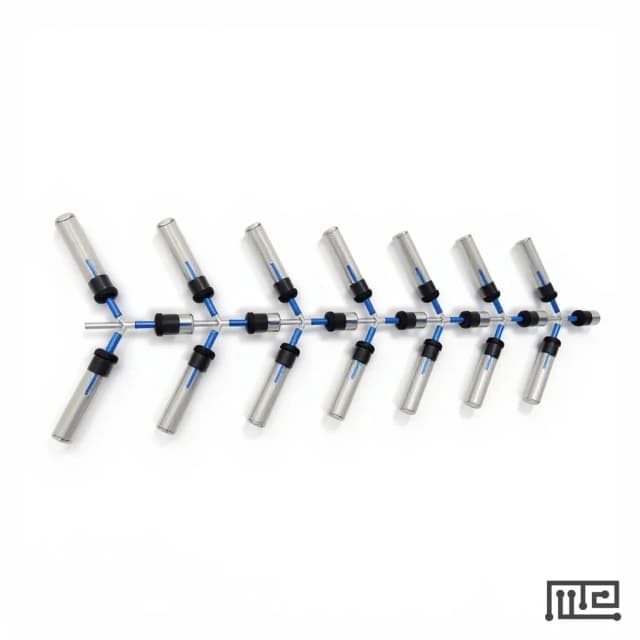
| Escape Tubes (3) | $350 | Mouse (4cm diameter): Rat (8cm diameter) (prices listed: $350, $400) | |
| Cue Lights | $250 | Mouse/Rat |
Add any of these to your quote request.
| Measurement | Mouse | Rat |
|---|---|---|
| Arm length | 35 cm | 50 cm |
| Arm width | 5 cm | 10 cm |
| Arm height | 20 cm | 30 cm |
| Feature | This Product | Typical Alternative | Advantage |
|---|---|---|---|
| Arm Configuration | Three arms at 120-degree angles | T-mazes use 90-degree angles with sharper directional changes | Gradual turns reduce learning complexity while maintaining spatial memory assessment validity |
| Food Well Depth | Standardized 1cm depth across all configurations | Varies by model with inconsistent reinforcement delivery | Ensures consistent pellet accessibility and prevents excessive digging behaviors |
| Species Optimization | Dedicated mouse and rat configurations with species-specific dimensions | Single-size designs often compromise locomotion for one species | Optimized arm ratios accommodate natural movement patterns for both species |
| Food Well Flexibility | Configurable placement in 1, 2, or 3 arms | Fixed well positions limit experimental design options | Supports diverse reinforcement paradigms from simple to complex spatial associations |
| Modification Options | Escape tubes, cue lights, and stand system available | Limited accessory options restrict protocol adaptability | Enables stress-reduction and visual discrimination protocols within same apparatus |
| Maze Complexity | Compact three-arm design with limited choice points | Radial arm mazes offer more arms but require extensive training | Focuses attention on spatial memory task while reducing training time requirements |
The Y Maze provides an optimal balance of spatial complexity and learning efficiency through its 120-degree arm configuration and species-specific dimensions. The standardized food well system and available modifications support diverse experimental protocols while maintaining behavioral assessment validity.
| Model | Size | SKU | Listed price | Status | Shipping box |
|---|---|---|---|---|---|
| Mouse | Arm length 35 cm · Arm width 5 cm · Arm height 20 cm | 3501/2 | $1,295.00 | Available | 104.0 x 91.4 x 10.2 cm |
| Rat | Arm length 50 cm · Arm width 10 cm · Arm height 30 cm | 3501/2 | $1,790.00 | Available | 104.0 x 91.4 x 10.2 cm |
Verify arm dimensions accommodate normal locomotion by conducting trial runs with representative animals before beginning formal testing.
Why: Ensures maze dimensions support natural movement patterns and prevent size-related behavioral artifacts.
Inspect food wells daily for debris accumulation and ensure 1cm depth remains consistent across all testing positions.
Why: Maintains standardized reinforcement delivery and prevents feeding-related behavioral confounds.
Allow animals 2-3 minutes of initial exploration before beginning formal scoring to reduce novelty-related behaviors.
Why: Separates exploratory responses from spatial memory assessment and improves data reliability.
If alternation rates fall below expected ranges, verify cleaning protocols eliminate olfactory cues from previous subjects.
Why: Residual scent marks can bias arm preference and mask true spatial memory performance.
Score arm entries only when all four paws cross the arm threshold to maintain consistent behavioral criteria.
Why: Standardized entry definitions reduce scorer variability and improve inter-study comparability.
Monitor animals continuously during testing and verify escape tube accessibility if using stress-reduction modifications.
Why: Prevents potential injury from falls or entrapment while maintaining animal welfare standards.
Counterbalance starting arm placement across subjects to eliminate position bias effects on alternation patterns.
Why: Controls for potential apparatus asymmetries and strengthens statistical power of spatial memory measures.
Record total arm entries in addition to alternation percentage to assess general activity levels and detect mobility confounds.
Why: Distinguishes between memory impairment and locomotor dysfunction that could affect behavioral interpretation.
ConductScience provides a standard one-year manufacturer warranty covering defects in materials and workmanship, with technical support for setup and operational guidance.
Background reading relevant to this product:
The Y-Maze has been widely utilized in assessing spatial memory and learning in animals, usually in control versus disease model or intervention group. The task involves observation of the ability of the subject to remember the previously visited arm. The task takes advantage of the natural explorative nature of rodents and the idea that they tend to use an optimal search strategy to obtain food with minimal effort.
The performance in the task weakens or decreases for subjects with hippocampal damage as seen in neurodegenerative diseases or as a result of natural aging.
Several protocols exist to be used with the Y-Maze, though the two most commonly used protocols are the Rewarded Alternation task and Spontaneous Alternation task. For the Rewarded alternation task, the experimenter decides which arm is the “correct choice” whereas the Spontaneous Alternation task uses the subject’s natural explorative drive and allows it to choose which arm to explore first. Spontaneous alternation task has been shown to be more successful in the assessment of subjects with hippocampal lesions as these animals tend to develop a side preference (Deacon and Rawlins 2006). The task is also used to quantify cognitive deficits in transgenic strains of mice and evaluate effects of compounds on cognition.
Another protocol used with the Y-Maze is the Delayed Alternation task. The Delayed Alternation task allows assessing spatial working memory by first allowing the subject to explore a baited arm of its choice and removing the subject once the choice is made and limiting it to the start box of the base arm using a door. This trial is followed by a formal trial, after a predetermined delay between the two trials, wherein the subject is reintroduced to the maze by opening the start arm door and is expected to choose the arm that it did not choose in the previous trial.
Pre-training for the Y-Maze
Rodents tend to be wary of eating anything new. Thus it is important to familiarize the subject with the food rewards used, prior to the testing, within a familiar environment (housing cage). Food rewards can be solid (such as sweetened breakfast cereal) or liquid (such as chocolate milk.) Generally, liquid rewards are used in case of compond testing as some compounds may make eating solid food an unpleasant experience for the subject. Subjects are usually maintained at about 85 to 95% of their free-feeding weight throughout the training and testing phases.
For the food-deprived task, the food-scavenging behavior is encouraged by depriving the subject of food the night prior to the testing. Subjects may be familiarized to the maze in pairs (usually cage-mates) to reduce the anxiety in a novel space during the initial phase of exploration. The acclimation is usually done individually, although, this may require more time than paired familiarization. The maze is scattered with food rewards, and the subject is placed in the start arm and allowed to explore the maze freely. The food rewards are replaced on consumption. The familiarization procedure is repeated four times with at least ten minutes between each exposure. The acclimation period usually lasts 1 to 2 days. Next, one of the arms is blocked, and the open goal arm is baited with a food reward. During this forced trial the subject is placed in the start arm and forced to visit the open arm. This trial is repeated by randomly varying the closed arm, for an equal number of trials for each arm, until the subject has been familiarized with the task.
Evaluation of Spatial Memory using Rewarded Alternation in the Y-Maze
The choice trial begins by baiting both the arms and allowing the subject to visit only one arm and consume the food reward. This procedure is done by pre-selecting the correct choice and blocking it with a door. Now the unvisited arm becomes the correct choice in the next trial. For the immediate trial both the arms are open and only the correct choice arm is baited. The subject is expected to visit the correct choice arm. If it makes the right choice, it is allowed to consume the food reward, and if it chooses the wrong arm, it is allowed to see that the food well is empty and then it is removed from the maze.
Each trial lasts approximately for 2 minutes. The procedure is repeated for each of the animals on a ten trial per day basis for up to twelve testing days. The correct choice arm is randomly varied throughout the testing sessions.
Evaluation of Spatial Learning using Spontaneous Alternation in the Y-Maze
The Spontaneous Alternation task is based on the novelty of the maze. Thus the task is performed without prior familiarization of the subjects to the maze. The subject is given a free choice, during the trial, to choose either one of the baited arms unlike in the Rewarded Alternation task where one of the arms is blocked. Once the subject has made its choice, it is confined to that goal arm by closing the respective door for 30 seconds. The subject is removed from the goal arm after it has consumed the food reward and the doors in the maze are opened. The subject is then once again placed in the start arm and is expected to alternate its choice from its previous selection. If the subject visits the unvisited arm, it is allowed to consume the food reward or else, in case it visits the already visited arm it is allowed to see that the food well is empty before it is removed from the maze.
Each trial lasts no longer than 2 minutes, and the procedure is repeated for each of the animals on a ten trial per day basis for up to twelve testing days.
Similar to the T-maze, Y-Maze has also seen modifications and adaptations to meet the needs of various cognitive neuroscience research to allow studying different aspects of spatial learning and alternate behavior.
A simple modification to the maze can be done using discriminative stimuli such as patterns or objects to which the subject must respond to, in order to obtain a reward. For example, Wright and Conrad (2005) used large enamel-painted rocks as intra-maze cues. Such cues ease the task difficulty and assist the animals in remembering which goal arms they have visited. The subjects can be trained to only choose the arm with the specific rock or cue.
Other variants of the Y-Maze include the water Y-Maze that is a hybrid between the Morris Water Maze and the traditional Y-Maze. Deacon (2013) used a shallow paddling pool Y-Maze as a relatively non-aversive environment for testing mice. The maze included false escape tubes with only one true exit. Another water Y-Maze variant was used by Burguière et al.,2010) to test the role of the cerebellar cortex in conditioned goal-directed behavior. The maze arms were filled with water and used two different conditioned stimuli: a light or a sound. A wrong turn resulted in air puff which acted as an aversive stimulus.
Aquatic models of the Y-Maze also exist for research using fish. Aoki et al. used an automated aquatic Y-Maze that used computer controlled visual cues on an LCD screen placed under the Y-Maze tank. The zebrafish were trained to avoid one arm by pairing the floor color with an electric shock. Aquatic Y-Mazes have also been in studying shoals (Ward et al.,2011). Drosophila Y-Mazes also exist and allow evaluation of chemosensory responses and other behaviors of drosophila.
Multiple Y-Mazes (Botwinick et al.,1963, Ainge et al.,2007) provide a multi-choice complex maze for assessing memory performance and spatial learning. Elevated Y-Mazes are often employed for testing anxiety or stress related performance of animals. Fully automated Y-Mazes are also available which detect the location of the subject within the maze and control the opening and closing of the arm doors as a trigger response. The automated maze is also capable of detecting food rewards.
The Y-Maze can easily be adapted and modified to be used with birds, insects and other animals for assessment of spatial working memory and cognitive abilities. The ease of construction and the simplicity of the apparatus make it one of the popular behavioral assays.
The data obtained from the Y-Maze is generally very straightforward and consists of the number of correct (the animal enters the opposite arm on the second run) vs. incorrect (the animal enters the same arm previously entered on the previous run) arm entries in each trial. The time it takes the animal to retrieve the food reward can also be recorded. As the animal learns that entering a new arm results in a food reward, the number of incorrect arm entries should decrease. The percentages of correct arm choices can be graphed and compared across a sham control group and a disease model/intervention group.
Using graphs to compare arm entries between different disease or treatment groups allows easy visualization of the effect on spatial memory and learning. Animals in the controls groups should show significant improvements in their correct arm choices. Animals as disease models of neurodegenerative disorders, for example, should show a much slower learning curve with more incorrect choices, even after several trials. Generally, animal cohorts of 10-30 animals are sufficient to obtain p-values of <0.05 using ANOVA (Wright & Conrad 2005, Conrad et al.,2003).
The Y-Maze allows for easily reproducible results due to its simplicity as compared to other behavioral tasks that test spatial learning and memory. Symmetrical Y-Mazes allow for continuous alternation tasks and usually require minimal training and testing time. Unlike the Morris Water Maze Test, there is minimal stress placed on the subject in a conventional Y-Maze. However, the Y-Maze can be adapted for stress and anxiety related task (Water Y-Maze and Elevated Y-Maze). The Y-Maze is a highly adaptable and modifiable task that allows research into different aspects of spatial learning and cognition. The absence of significant stressors and familiarization with the maze prior to testing enable better observations of working memory in the animals as they perform in the maze.
Although simple to construct and easy to use, the Y-Maze has its own limitations. A simple Y-Maze is a single-point two-choice maze thus it has a higher rate of success possibility as the probability of the subject choosing the correct arm is 50% by default. The subjects may also use strategies other than spatial learning based on the spatial and non-spatial cues. Odor trails too may affect the quality of research if olfactory cues are not an intended part of the investigation.
For the task to deliver appropriate results, the subject’s exploratory drive must be maintained throughout. Extensive handling and overtraining of the subjects may place undue stress on them, affecting their performance on the maze. It is also important to maintain minimum variability in the amount of reward used during the training and testing lest the subject should suffer from ‘contrast effects’ wherein its motivation decreases due to receiving less than expected reward (Deacon & Rawlins 2006). In case of Y-Mazes that make use of guillotine doors, it is essential that doors are closed carefully and not dropped too close to the subject to avoid startling it as this experience may be stressful for the subject and cause it to avoid that arm in subsequent trials.
As with all mazes that measure aspects of learning and memory, it is important to remember that many different processes play into the behavior in the maze. In many cases, the Y-Maze is used in conjunction with other mazes to study disease models or transgenic animals and gain a fuller understanding of spatial learning and memory.
From the Maze Engineers documentation for this apparatus.
What is the Y-Maze?
The Y-Maze is a three-armed behavioral apparatus used to assess spatial working memory and exploratory behavior in rodents through spontaneous alternation or novel arm recognition paradigms.
How does the Y-Maze work?
In spontaneous alternation, rodents freely explore all three arms; a tendency to enter a previously unvisited arm indicates intact working memory. In the novel arm test, one arm is blocked during training and opened during testing to measure recognition memory.
What research applications use the Y-Maze?
The Y-Maze is used for rapid assessment of cognitive deficits in Alzheimer's, aging, and drug efficacy studies. Its simplicity and short protocol make it ideal for high-throughput screening of cognitive function.
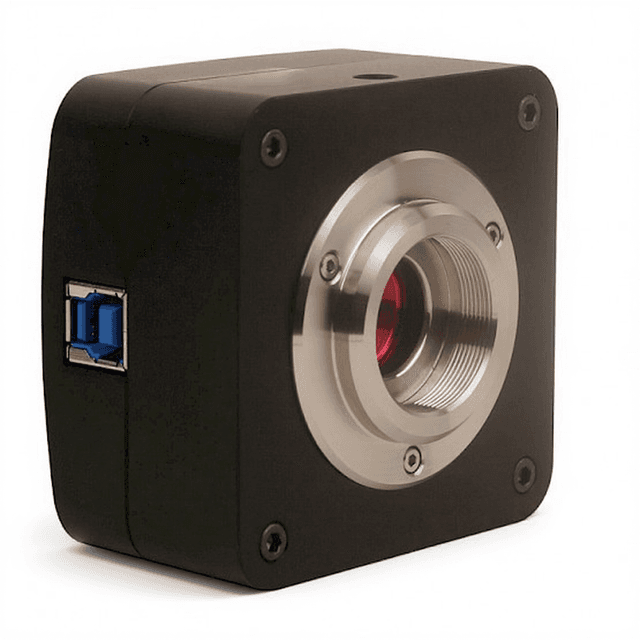
ConductVision is our video-tracking software. Record your sessions on video, and it reports the measures listed below.
A 5-year license is $3,990 in total.
The same license also scores standard tests such as the open field, the elevated plus maze, the Morris water maze and the Barnes maze. Results export as CSV files.
Send it over and we'll email you a personalized answer — no call, no scheduling.
Prefer to talk it through?
Enhance your setup with compatible accessories
Creator Insights
William N. Dember (1928–2003) was an American experimental psychologist at the University of Cincinnati whose work centered on curiosity, attention and exploratory behavior; Harry Fowler, later professor emeritus at the University of Pittsburgh, studied reward, motivation and sequential choice. Their 1958 Psychological Bulletin review was the first systematic synthesis to define spontaneous alternation — a rodent’s tendency to alternate arm choices on successive trials — as a stable, quantifiable phenomenon, and it established the alternation score as the standard measure. Scattered observations of alternation dated to the 1930s, but this review became the operational foundation for the Y-maze spontaneous-alternation task. The paradigm is now a mainstay of rodent studies of hippocampal and cholinergic spatial working memory.
To view William N. Dember’s publications, visit PubMed.
Did you work with William N. Dember? to suggest corrections or share material for these Creator Insights.
ConductScience celebrates method creators: researchers who, through rigorous and often ingenious experiments, develop the tools that reveal how the brain and body work. These are real scientific discoveries that become everyday instruments for the labs that follow.
Use this apparatus with
Automate arm entries, alternation sequences, dwell time, and zone transitions from overhead video.
ConductVision Y-Maze ->Spontaneous alternation, forced alternation, novel-arm recognition, and continuous alternation workflows.
ConductMaze Y-Maze Protocol ->Free calculator for spontaneous alternation percentage from arm-entry sequences.
Y-Maze Alternation Calculator ->Configuration considerations
Use these notes to scope species, cohort, tracking, and automation needs. Only verified product or support routes are linked from this section.
Three 120-degree arms, removable inserts, overhead tracking compatible
Standard spontaneous alternation and novel-arm recognition apparatus for mice.
$1,295.00
Add to CartScaled arms for adult rats with optional guillotine doors
Used for spontaneous alternation, forced alternation, and spatial recognition tasks in rats.
$1,790.00
Switch to Rat ->Door control, sensors, TTL triggers, and software integration
For forced alternation and delayed non-match protocols requiring controlled access to arms.
Configure tracking ->§ 1
The Y-Maze is a three-arm spatial working-memory apparatus that exploits rodents natural tendency to investigate a less recently visited arm. Spontaneous alternation requires no explicit training, making it a rapid screen for hippocampal and prefrontal working-memory function. 1
The same apparatus supports several distinct protocols: spontaneous alternation, forced alternation, novel-arm recognition, and continuous alternation. These should be named explicitly because each protocol has different memory load, training burden, and door-control requirements. 1
Y-Maze outcomes are strongly affected by total activity. A low alternation score is difficult to interpret if the animal makes too few arm entries, so entry count and session duration should be reported with alternation percentage. 1
§ 2
Spontaneous alternation: one free-exploration session, usually 5 to 8 minutes.
Critical methodological constraints
Core Y-Maze metrics ConductVision scores from arm-entry sequences.
Spontaneous Alternation
Working-memory index
Total Arm Entries
Activity control
Arm Dwell Time
Preference and bias
Novel Arm Time
Recognition memory
Center Time
Decision behavior
+ Additional metrics: alternation by time bin, repeated-arm errors, latency to first arm, arm-entry sequence, velocity, and inactivity.
Successful triads divided by all possible triads.
§ 3
PubMed publication counts, sample apparatus output, and recent papers from a dated PubMed snapshot.
PubMed volume and co-occurring methods for spatial working-memory assays.
Representative arm-entry sequence summary from spontaneous alternation.
Age-related emergence of behavioral deficits and amyloid pathology in the J20 mouse model of Alzheimer's disease.
Canet G, Zussy C, Otaegui L, et al.. Behav Brain Res. 2026 Sep 24.
Transgenic mouse models carrying familial Alzheimer's disease mutations are widely used in preclinical research, yet phenotypic variability across age and sex can complicate experimental design and interpretation.
α1-Antitrypsin attenuates microglial NLR family pyrin domain containing 3 inflammasome activation via cannabinoid receptor 2 signaling to ameliorate α-synucleinopathy-related behavioral deficits.
Feng L, Lo H, Weng W, et al.. Mol Biomed. 2026 Sep 20.
α-Synucleinopathies are marked by persistent neuroinflammation and disabling non-motor symptoms involving nucleus accumbens (NAc) dysfunction, yet the neuroimmune mechanisms linking microglial activation to accumbal synaptic pathology remain poorly understood.
Prenatal binge-like ethanol exposure induces long-lasting hippocampal oxidative stress, altered inflammatory responses, and memory impairment.
Mendes PFS, Baia-da-Silva DC, Dos Santos VRN, et al.. Naunyn Schmiedebergs Arch Pharmacol. 2026 Sep 17.
Prenatal ethanol exposure is associated with persistent neurodevelopmental abnormalities, yet the neurobiological consequences of moderate binge-like exposure remain poorly understood.
Dietary Magnolia kobus DC. Attenuates Age-Associated Hippocampal Alterations in Mice in Association with Modulation of Iron Metabolism- and Ferroptosis-Related Markers.
Kim JM, Na HJ, Kim Y, et al.. J Microbiol Biotechnol. 2026 Sep 15.
Brain aging is a major contributor to cognitive decline and neurodegenerative disorders. Ferroptosis, a regulated form of cell death driven by iron-dependent lipid peroxidation, has emerged as a key mechanism associated with age-related hippocampal dysfunction.
Comparative neurocognitive effects of commonly used sedative agents in aged mice.
Chang JE, Joo H, Lee EH, et al.. Neurotoxicology. 2026 Sep 11.
Sedative agents are widely used in older patients, but their comparative neurocognitive effects remain incompletely understood. Aging-related vulnerability of the brain may contribute to differential neurocognitive responses following sedative exposure.
Repeated clethodim exposure induces behavioral alterations and reduces hippocampal BDNF in rats.
Barbosa AJ, Lima CEJ, Souza JL, et al.. Neurotoxicology. 2026 Sep.
Clethodim (CL) is a cyclohexanedione oxime herbicide that inhibits acetyl-CoA carboxylase in grasses and is widely used to control glyphosate-resistant weeds. Despite its extensive agricultural application, information regarding its toxicological effects on non-target organisms remains limited.
§ 4
Limitations of the paradigm, methodological caveats, and current directions.
Variables that can shift Y-Maze results apart from the effect under study.
Alternation percentage is unstable when animals make too few entries.3
Preference or avoidance of one arm can reduce alternation independent of working memory.
Spontaneous alternation, forced alternation, and novel-arm recognition should be analyzed separately.
Forced and novel-arm protocols depend on consistent door timing and retention interval.
Moving external cues changes the spatial frame and can impair recognition performance.
Y-Maze spontaneous alternation is fast and low stress, but it is sensitive to locomotor activity and exploratory drive. 1 Strong interpretation requires enough entries, balanced arm occupancy, and protocol-specific endpoints rather than alternation percentage alone. 2
Use a pre-defined threshold appropriate to session length and species. Very low entry counts make the denominator too small for reliable alternation estimates.
Yes, if it has removable doors or inserts and the protocol defines sample phase, delay, and choice phase separately.
Y-Maze spontaneous alternation is free exploration, while many T-Maze protocols use discrete forced-choice trials with reward or rule structure.
Quarterly editorial review of emerging Y-Maze methodology. Q2 2026
Extended sessions increasingly report alternation decay over time instead of one whole-session percentage.
Automated full-body threshold rules are reducing scorer variation in arm-entry calls.
Y-Maze remains a common first-pass working-memory screen in AD, stroke, TBI, and pharmacology batteries.
Automated doors are making forced alternation and novel-arm recognition more reproducible.
§ 5
10 selected methods and validation references for Y-Maze.