ConductVision Drosophila Package
$1,990 per yearA 5-year license is $3,990 in total.
The ConductVision license for Drosophila tests.

Y-shaped behavioral maze for studying learning and memory in Drosophila melanogaster through two-choice discrimination assays.

Director of Science · ConductScience
Ask Louise about Drosophila Y Maze fit, setup, configuration, or quote prep.
Already working with us? Sign in to connect this with My Scientist.
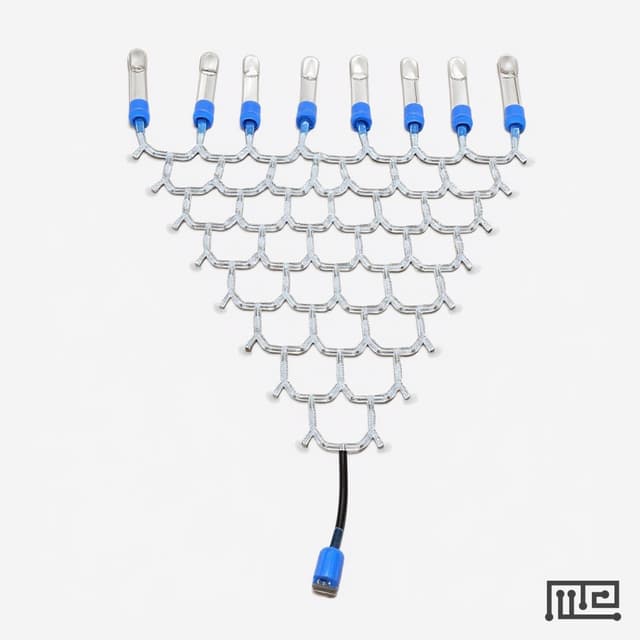
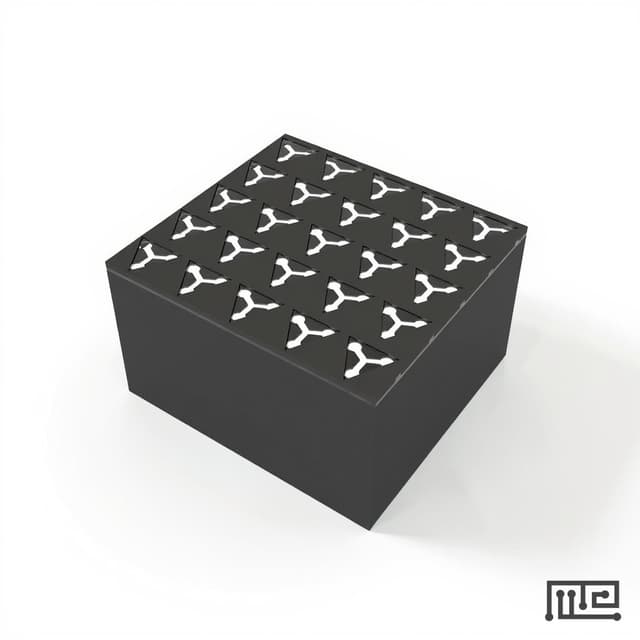
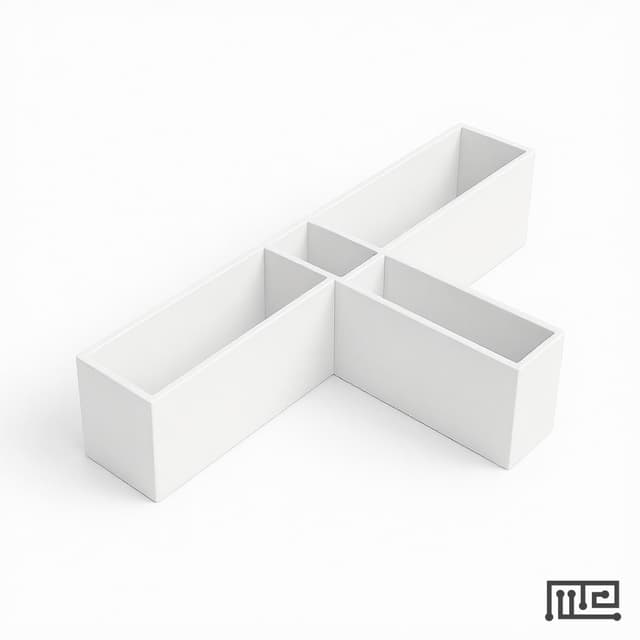
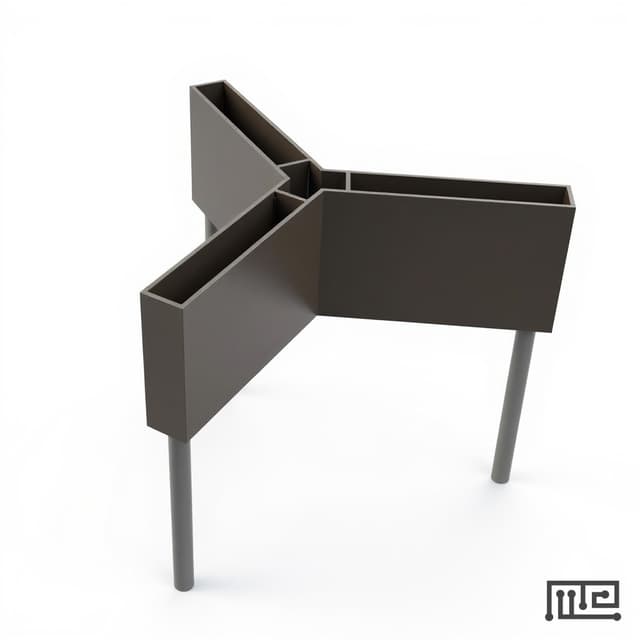
The Drosophila Y Maze is a behavioral testing apparatus designed for studying learning and memory processes in Drosophila melanogaster. The apparatus features a Y-shaped configuration with two choice arms, enabling researchers to conduct associative learning experiments where flies must discriminate between rewarded and non-rewarded pathways. This paradigm allows for systematic analysis of choice behavior, spatial memory formation, and learning plasticity in fruit flies.
The system provides a controlled environment for investigating the neural and genetic mechanisms underlying cognitive processes in Drosophila. Researchers can manipulate genetic, environmental, and pharmacological variables while measuring behavioral responses across multiple trials. The apparatus supports studies of memory acquisition, retention, and retrieval, making it valuable for research into the molecular basis of learning and the effects of genetic mutations on cognitive function.
The Drosophila Y Maze operates on the principle of two-choice discrimination learning, where individual flies are presented with a binary decision between two maze arms. During training trials, one arm is paired with a positive stimulus (typically food reward or preferred environmental condition) while the other remains unrewarded or may contain an aversive stimulus. The fly's initial choice is recorded, and following exposure to the reward contingency, the animal is returned to the choice point for subsequent trials.
Learning is quantified by measuring the change in choice preference over multiple trials, with successful acquisition indicated by an increase in selections of the rewarded arm above chance levels. The paradigm leverages the fly's natural foraging behavior and ability to form associative memories between spatial locations and reward outcomes. Memory retention can be assessed by introducing delays between training and testing phases, while memory extinction can be studied by removing reward contingencies during probe trials.
| Measurement | Drosophila Y Maze Apparatus |
|---|---|
| Size | Dimensions: 23cm x 15cm |
| Feature | This Product | Typical Alternative | Advantage |
|---|---|---|---|
| Maze Configuration | Y-shaped design with two choice arms | T-maze configurations with perpendicular arm arrangements | Y-shaped geometry provides more natural choice angles and reduces directional biases in fly navigation |
| Unit Availability | Available in sets of 6 units or 10 sets of 10 units | Individual units or smaller batch sizes | Bulk configurations enable high-throughput genetic screens and large-scale behavioral studies |
| Species Optimization | Specifically designed for Drosophila melanogaster | Generic maze designs adapted from rodent paradigms | Drosophila-specific scaling ensures appropriate behavioral responses and natural movement patterns |
| Behavioral Paradigm | Two-choice discrimination learning protocol | Multi-arm radial maze designs with higher complexity | Simplified choice structure enables clear learning metrics while maintaining robust behavioral readouts |
This Y-maze system provides Drosophila-optimized dimensions with bulk unit availability for high-throughput studies. The Y-shaped configuration offers natural choice geometry compared to T-maze alternatives while maintaining the simplicity needed for genetic screens.
| Model | SKU | Listed price | Status | Shipping box |
|---|---|---|---|---|
| 10 Sets of 10 Units | ME-DYM-10U | $1,290.00 | Available | 43.2 x 38.0 x 27.9 cm |
| 1 set of 6 units | ME-DYM | $150.00 | Available | 43.2 x 38.0 x 27.9 cm |
Conduct pilot studies to determine optimal reward strength and trial timing for your specific fly strain.
Why: Different genetic backgrounds may show varying learning rates and motivation levels requiring protocol optimization.
Clean maze thoroughly between different genetic strains to prevent contamination of behavioral responses.
Why: Residual odors or pheromones from previous flies can influence choice behavior in subsequent experiments.
Record environmental conditions and time of day for each testing session to identify potential confounding variables.
Why: Drosophila activity and learning performance can vary significantly with circadian rhythms and environmental factors.
Use age-matched flies and standardize food deprivation periods before testing when using food rewards.
Why: Consistent hunger levels and developmental stage ensure reliable baseline motivation for reward-based learning.
If flies show strong side preferences, rotate maze orientation between trials or use counterbalanced reward placement.
Why: Inherent spatial biases can mask learning effects and reduce the sensitivity of behavioral measurements.
Include control groups with no reward to distinguish learned preferences from random choice patterns.
Why: Control conditions help validate that observed behavioral changes represent true associative learning rather than habituation effects.
Allow adequate inter-trial intervals to prevent fatigue while maintaining memory consolidation windows.
Why: Proper trial spacing optimizes both behavioral performance and the formation of stable memory traces.
ConductScience provides a standard one-year manufacturer warranty covering defects in materials and workmanship, with technical support available for setup and protocol optimization.
Background reading relevant to this product:
What is the typical trial duration for Y-maze learning experiments?
Trial duration varies by protocol but typically ranges from 30 seconds to 5 minutes per trial, with inter-trial intervals of 1-2 minutes to allow for maze resetting and fly handling.
How many trials are needed to observe significant learning effects?
Most protocols use 10-20 training trials to establish learning, though this depends on the strength of the reward stimulus and genetic background of the fly strain being tested.
Can the maze accommodate different fly strains and genetic backgrounds?
Yes, the apparatus is suitable for standard laboratory Drosophila strains, though behavioral parameters may need adjustment based on strain-specific locomotor activity and learning rates.
What types of rewards work effectively in this paradigm?
Common rewards include sucrose solutions, preferred odors, optimal temperature zones, or removal of aversive stimuli such as bright light or electric shock.
How is learning quantified in Y-maze experiments?
Learning is measured as the change in choice preference from initial random selection (50%) to preference for the rewarded arm, typically expressed as performance index or learning score.
What environmental factors should be controlled during testing?
Temperature, humidity, lighting conditions, air currents, and time of day should be standardized, as these factors can influence fly activity and behavioral responses.
How does this compare to T-maze paradigms?
Y-maze designs provide more natural choice geometry compared to T-mazes and may reduce turning biases, while maintaining the essential two-choice discrimination learning paradigm.
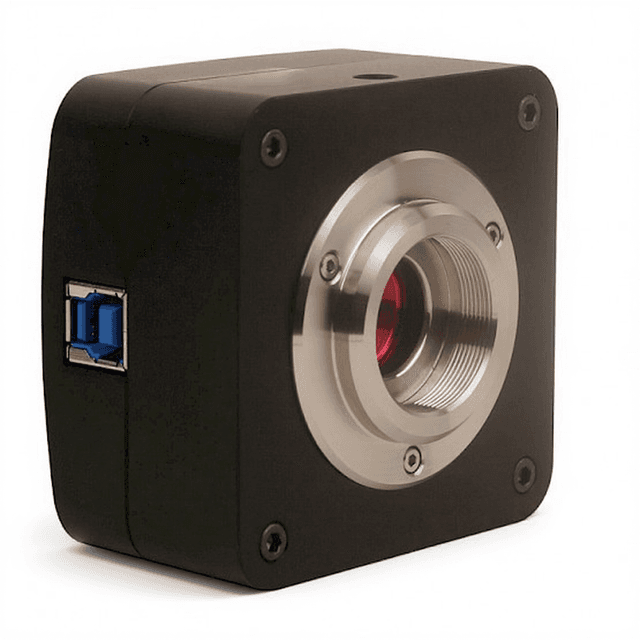
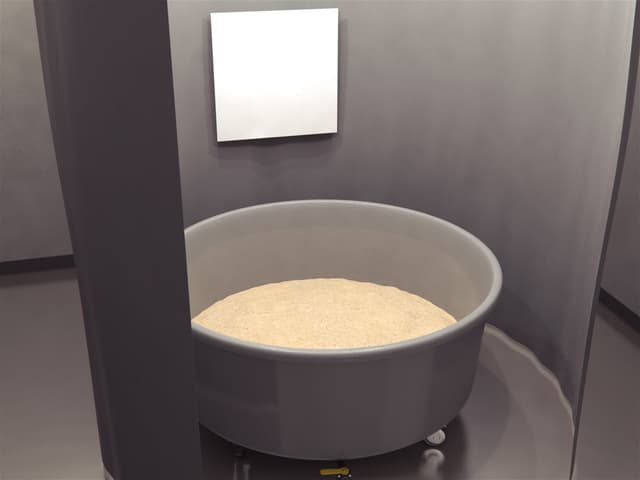
ConductVision is our video-tracking software. Record your sessions on video, and it scores standard Drosophila tests, such as those listed below.
The Drosophila Package includes a custom assay made on request. To have one made for this test, ask in your quote request.
A 5-year license is $3,990 in total.
The ConductVision license for Drosophila tests.
Send it over and we'll email you a personalized answer — no call, no scheduling.
Prefer to talk it through?