Obesity & Metabolic Disease — Animal Models & Behavioral Testing

Compare genetic and dietary mouse models of obesity and metabolic syndrome side by side. Match each model to behavioral and metabolic assessments and the equipment you need to run them.

Why Animal Models for Obesity & Metabolic Research

Obesity and metabolic syndrome affect over one billion people globally and are major risk factors for type 2 diabetes, cardiovascular disease, and non-alcoholic fatty liver disease. Mouse models of obesity enable controlled investigation of the genetic, neural, and environmental mechanisms driving energy imbalance, adipose tissue dysfunction, and metabolic comorbidities under conditions impossible to replicate in human studies.

Genetic models such as ob/ob (leptin-deficient) and db/db (leptin receptor-deficient) produce severe, early-onset obesity through disruption of the leptin signaling axis, while MC4R knockout mice model melanocortin pathway dysfunction — the most common monogenic cause of human obesity. Diet-induced obesity (DIO) in C57BL/6J mice replicates the polygenic, environment-driven obesity most prevalent in human populations.

Behavioral phenotyping is increasingly recognized as essential in obesity research, as metabolic dysfunction drives changes in locomotor activity, anxiety-like behavior, cognitive function, and mood. The behavioral tests below assess these comorbid phenotypes and provide functional outcome measures complementing traditional metabolic endpoints like body weight, glucose tolerance, and insulin sensitivity.

Model Comparison

ModelTypeBackgroundObesity OnsetMetabolic ComorbidityBehavioral ImpactTest WindowBest For
ob/obTransgenicC57BL/6J4 weeks; visibly obese by 6 weeksHyperglycemia, hyperinsulinemia, dyslipidemia; insulin resistance resolves with age on C57BL/6J backgroundReduced locomotor activity, impaired spatial memory, increased anxiety-like behavior8–16 weeksStudies of leptin signaling, central appetite regulation, and energy homeostasis. Drug screening for anti-obesity compounds where leptin replacement serves as a positive control.
db/dbTransgenicC57BLKS/J3–4 weeks; severe obesity by 8 weeksSevere type 2 diabetes with progressive beta-cell failure, persistent hyperglycemia (>400 mg/dL), nephropathy, and peripheral neuropathyMarked hypoactivity, impaired learning and memory, increased anxiety and depressive-like behavior8–20 weeksStudies of type 2 diabetes pathophysiology and diabetic complications including nephropathy, neuropathy, and impaired wound healing. Research on the intersection of metabolic disease and cognitive decline.
DIODietaryC57BL/6JSignificant weight gain by 4–6 weeks on HFD; obese phenotype by 12 weeks on dietProgressive insulin resistance, glucose intolerance, hepatic steatosis, dyslipidemia, and low-grade systemic inflammationReduced locomotor activity, impaired cognitive flexibility, increased anxiety-like behavior in a subset of mice12–20 weeks on dietTranslational studies of diet-driven obesity and metabolic syndrome. Drug screening for anti-obesity and insulin-sensitizing compounds. Studies of gut microbiome, inflammation, and the obesity-cognition axis using a genetically intact model.
MC4R KOTransgenicC57BL/6J x 129S46–8 weeks; progressive maturity-onset obesity with continued weight gain through adulthoodHyperinsulinemia, late-onset hyperglycemia, increased linear growth, hyperphagiaReduced locomotor activity, increased food-seeking behavior, altered reward processing8–24 weeksStudies of melanocortin signaling and central appetite control pathways. Preclinical testing of MC4R agonists and downstream targets. Research on the most common monogenic human obesity for translational relevance.

ob/obTransgenic

Background: C57BL/6J

JAX Stock: 000632

Mutations:Lep (ob) — spontaneous nonsense mutation in the leptin gene
Obesity Onset4 weeks; visibly obese by 6 weeks
Metabolic ComorbidityHyperglycemia, hyperinsulinemia, dyslipidemia; insulin resistance resolves with age on C57BL/6J background
Behavioral ImpactReduced locomotor activity, impaired spatial memory, increased anxiety-like behavior
Test Window8–16 weeks

Classic monogenic obesity model carrying a spontaneous loss-of-function mutation in the leptin gene. Homozygous ob/ob mice exhibit severe hyperphagia, morbid obesity (60–70 g by 4 months), and profoundly reduced energy expenditure. Metabolic phenotype includes transient hyperglycemia, marked hyperinsulinemia, and hypothermia. Leptin administration reverses obesity and metabolic abnormalities, making this model uniquely valuable for leptin biology studies.

Ideal for: Studies of leptin signaling, central appetite regulation, and energy homeostasis. Drug screening for anti-obesity compounds where leptin replacement serves as a positive control.

Zhang Y, et al. (1994). Positional cloning of the mouse obese gene and its human homologue. Nature, 372(6505), 425-432. PMID: 7984236

ob/ob Behavioral Battery

Open Field Test

Assesses locomotor activity and anxiety-like behavior. ob/ob mice show significantly reduced ambulatory distance and increased thigmotaxis reflecting both physical limitations and heightened anxiety.

View Open Field Test

Elevated Plus Maze

Measures anxiety-like behavior independent of locomotor output. ob/ob mice spend less time in open arms, indicating elevated anxiety that is partially reversible with leptin treatment.

View Elevated Plus Maze

Y-Maze Spontaneous Alternation

Tests spatial working memory. ob/ob mice show reduced alternation rates, reflecting obesity-associated hippocampal dysfunction and neuroinflammation.

View Y-Maze

Novel Object Recognition

Evaluates recognition memory. Impaired discrimination index in ob/ob mice indicates cognitive deficits linked to metabolic dysregulation and hippocampal insulin resistance.

View Novel Object Recognition

Forced Swim Test

Assesses depressive-like behavior. Increased immobility in ob/ob mice reflects mood disturbances associated with leptin deficiency and metabolic dysfunction.

View Forced Swim Test

db/dbTransgenic

Background: C57BLKS/J

JAX Stock: 000642

Mutations:Lepr (db) — point mutation in the leptin receptor gene causing exon skipping
Obesity Onset3–4 weeks; severe obesity by 8 weeks
Metabolic ComorbiditySevere type 2 diabetes with progressive beta-cell failure, persistent hyperglycemia (>400 mg/dL), nephropathy, and peripheral neuropathy
Behavioral ImpactMarked hypoactivity, impaired learning and memory, increased anxiety and depressive-like behavior
Test Window8–20 weeks

Leptin receptor-deficient model with severe obesity and progressive type 2 diabetes. Unlike ob/ob mice, the diabetic phenotype is persistent and worsens with age due to beta-cell exhaustion on the C57BLKS/J background. Mice develop nephropathy, peripheral neuropathy, and wound healing deficits, modeling the full spectrum of diabetic complications. Body weight reaches 50–60 g by 3–4 months.

Ideal for: Studies of type 2 diabetes pathophysiology and diabetic complications including nephropathy, neuropathy, and impaired wound healing. Research on the intersection of metabolic disease and cognitive decline.

Chen H, et al. (1996). Evidence that the diabetes gene encodes the leptin receptor: identification of a mutation in the leptin receptor gene in db/db mice. Cell, 84(3), 491-495. PMID: 8608603

db/db Behavioral Battery

Open Field Test

db/db mice exhibit severe hypoactivity due to obesity and neuropathy. Distance traveled is markedly reduced; use as both a metabolic and neurological readout.

View Open Field Test

Novel Object Recognition

Recognition memory is impaired in db/db mice from 8–10 weeks, reflecting hippocampal insulin resistance and diabetic cognitive decline.

View Novel Object Recognition

Y-Maze Spontaneous Alternation

Working memory deficits emerge early in db/db mice. Reduced spontaneous alternation correlates with hippocampal oxidative stress and synaptic plasticity impairment.

View Y-Maze

Elevated Plus Maze

Anxiety-like behavior is elevated in db/db mice. Decreased open arm exploration occurs independently of locomotor deficits when normalized for total arm entries.

View Elevated Plus Maze

Grip Strength Test

Detects peripheral neuropathy-related muscle weakness in db/db mice. Progressive grip strength decline correlates with diabetic neuropathy severity.

View Grip Strength Test

DIODietary

Background: C57BL/6J

Obesity OnsetSignificant weight gain by 4–6 weeks on HFD; obese phenotype by 12 weeks on diet
Metabolic ComorbidityProgressive insulin resistance, glucose intolerance, hepatic steatosis, dyslipidemia, and low-grade systemic inflammation
Behavioral ImpactReduced locomotor activity, impaired cognitive flexibility, increased anxiety-like behavior in a subset of mice
Test Window12–20 weeks on diet

The most clinically relevant obesity model, using environmental manipulation (60% kcal from fat diet) to induce obesity in genetically intact C57BL/6J mice. Recapitulates polygenic, diet-driven human obesity with gradual onset, individual variability, and the full metabolic syndrome. Some mice are diet-resistant, modeling human individual differences in obesity susceptibility. Requires 12–16 weeks on diet for robust metabolic phenotype.

Ideal for: Translational studies of diet-driven obesity and metabolic syndrome. Drug screening for anti-obesity and insulin-sensitizing compounds. Studies of gut microbiome, inflammation, and the obesity-cognition axis using a genetically intact model.

Surwit RS, et al. (1988). Diet-induced type II diabetes in C57BL/6J mice. Diabetes, 37(9), 1163-1167. PMID: 3044882

DIO Behavioral Battery

Open Field Test

Tracks locomotor activity decline and anxiety-like thigmotaxis in DIO mice. Provides essential baseline measure of obesity-related activity reduction for normalizing other behavioral tests.

View Open Field Test

Rotarod Test

Assesses motor coordination and endurance. DIO mice show reduced latency to fall reflecting both increased body mass and impaired neuromuscular function.

View Rotarod Test

Novel Object Recognition

High-fat diet impairs hippocampal-dependent recognition memory. Deficits emerge after 12–16 weeks on diet and correlate with hippocampal neuroinflammation.

View Novel Object Recognition

Y-Maze Spontaneous Alternation

Working memory impairment in DIO mice reflects diet-induced hippocampal insulin resistance. Sensitive to dietary intervention and exercise reversal.

View Y-Maze

Elevated Plus Maze

Anxiety-like behavior varies by individual in DIO cohorts. Useful for stratifying responders and non-responders to metabolic-psychiatric comorbidity.

View Elevated Plus Maze

MC4R KOTransgenic

Background: C57BL/6J x 129S4

JAX Stock: 006414

Mutations:Mc4r — targeted deletion of the melanocortin-4 receptor gene
Obesity Onset6–8 weeks; progressive maturity-onset obesity with continued weight gain through adulthood
Metabolic ComorbidityHyperinsulinemia, late-onset hyperglycemia, increased linear growth, hyperphagia
Behavioral ImpactReduced locomotor activity, increased food-seeking behavior, altered reward processing
Test Window8–24 weeks

Targeted knockout of the melanocortin-4 receptor, the most common single-gene cause of severe obesity in humans. MC4R KO mice exhibit progressive, maturity-onset obesity with hyperphagia, hyperinsulinemia, and increased linear growth (obesity with increased body length). Unlike leptin pathway models, these mice have intact leptin signaling upstream of the melanocortin system, making them valuable for dissecting downstream appetite regulation.

Ideal for: Studies of melanocortin signaling and central appetite control pathways. Preclinical testing of MC4R agonists and downstream targets. Research on the most common monogenic human obesity for translational relevance.

Huszar D, et al. (1997). Targeted disruption of the melanocortin-4 receptor results in obesity in mice. Cell, 88(1), 131-141. PMID: 8980228

MC4R KO Behavioral Battery

Open Field Test

MC4R KO mice show reduced ambulatory activity consistent with decreased energy expenditure. Important for disentangling hyperphagia from reduced activity as obesity drivers.

View Open Field Test

Rotarod Test

Progressive rotarod impairment parallels weight gain. Useful for tracking the functional impact of obesity on motor coordination in longitudinal MC4R studies.

View Rotarod Test

Novel Object Recognition

Assesses whether MC4R deletion affects cognitive function independently of metabolic disturbance. Recognition memory deficits emerge with chronic obesity.

View Novel Object Recognition

Elevated Plus Maze

Evaluates anxiety-like behavior in MC4R KO mice. Melanocortin signaling modulates stress responses, and MC4R KO mice may show altered anxiety profiles.

View Elevated Plus Maze

Forced Swim Test

Screens for depressive-like behavior in MC4R KO mice. Melanocortin system dysfunction has been implicated in mood regulation beyond appetite control.

View Forced Swim Test

Behavioral Test Battery by Model

Which tests are validated for each model. Build your protocol by selecting from recommended assays.

Testob/obdb/dbDIOMC4R KO
Open Field Test
Elevated Plus Maze
Y-Maze Spontaneous Alternation
Novel Object Recognition
Forced Swim Test
Grip Strength Test
Rotarod Test

Behavioral Testing Equipment

Purpose-built equipment for Obesity & Metabolic Disease preclinical research. Each product ships with protocol documentation and technical support from PhD scientists.

Open Field Test

Open Field Test

Square or circular arena for locomotor activity, exploratory behavior, and thigmotaxis. Primary measure of obesity-related hypoactivity and anxiety-like behavior.

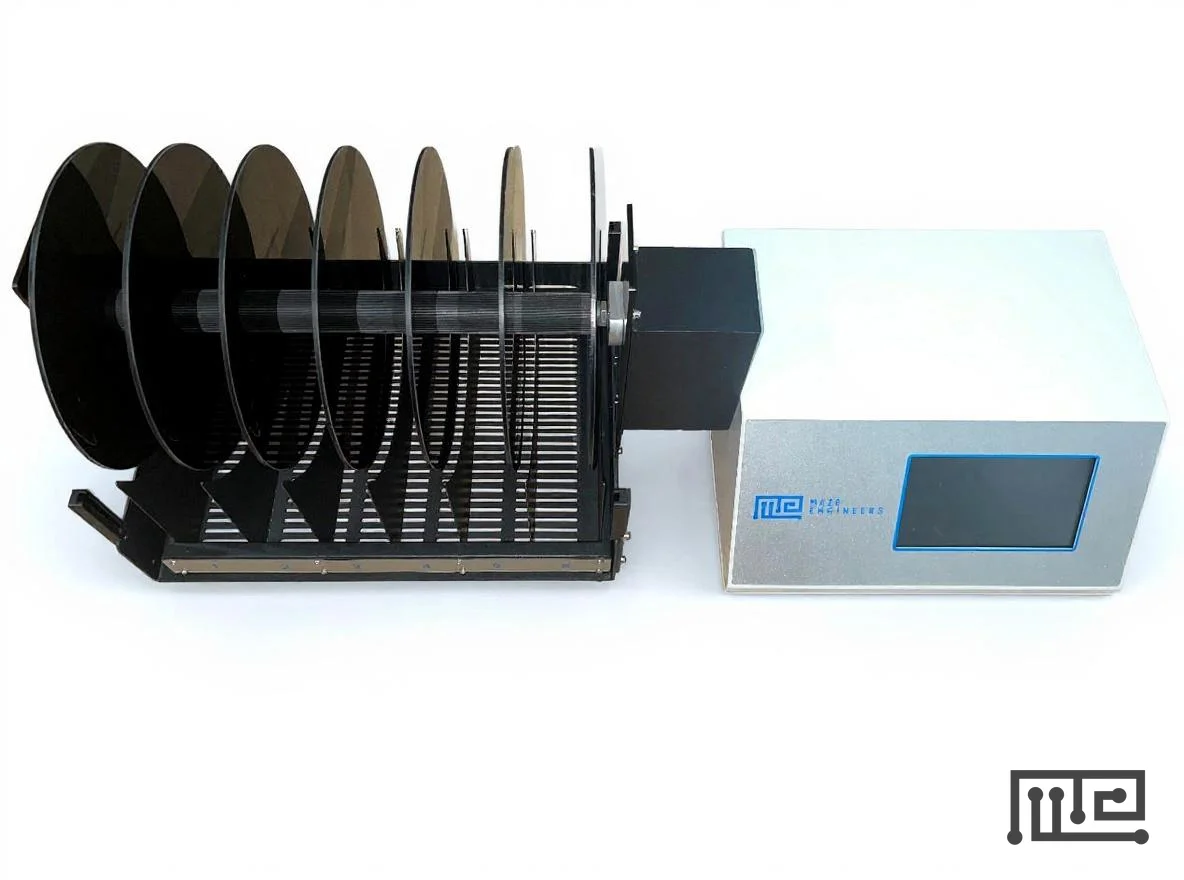
Rotarod Test

Rotarod Test

Accelerating or fixed-speed rotating rod for motor coordination and endurance. Detects functional motor impairment secondary to obesity and metabolic dysfunction.

Novel Object Recognition

Novel Object Recognition

Arena with standardized object sets for recognition memory. Key assay for detecting obesity-driven cognitive decline and hippocampal dysfunction.

Y-Maze

Y-Maze

Three-arm maze for spontaneous alternation and spatial working memory. Rapid, no-training-required cognitive assessment sensitive to metabolic impairment.

Elevated Plus Maze

Elevated Plus Maze

Four-arm elevated maze with open and closed arms for anxiety-like behavior. Phenotypes metabolic-psychiatric comorbidity in obesity models.

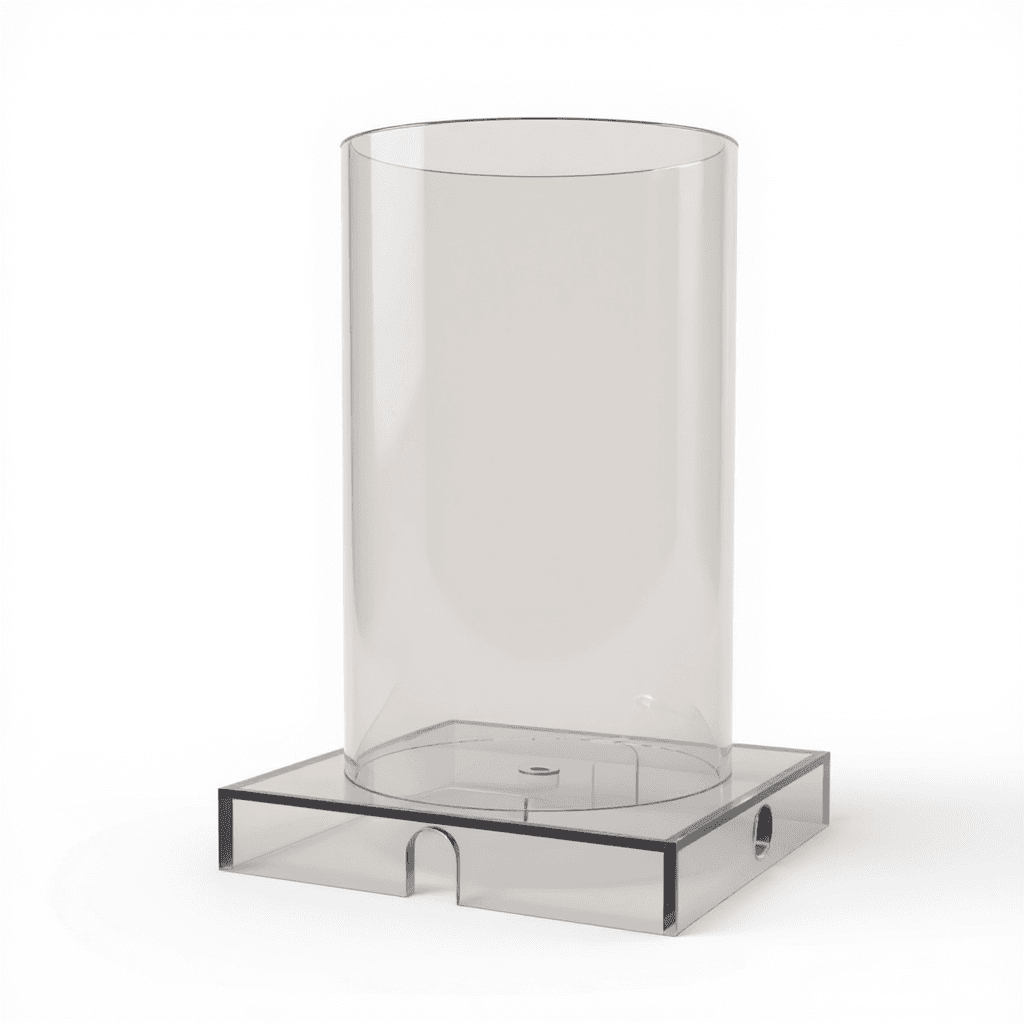
Forced Swim Test

Forced Swim Test

Cylindrical water tank for depressive-like behavior assessment via immobility time. Screens for mood disturbances associated with metabolic disease.

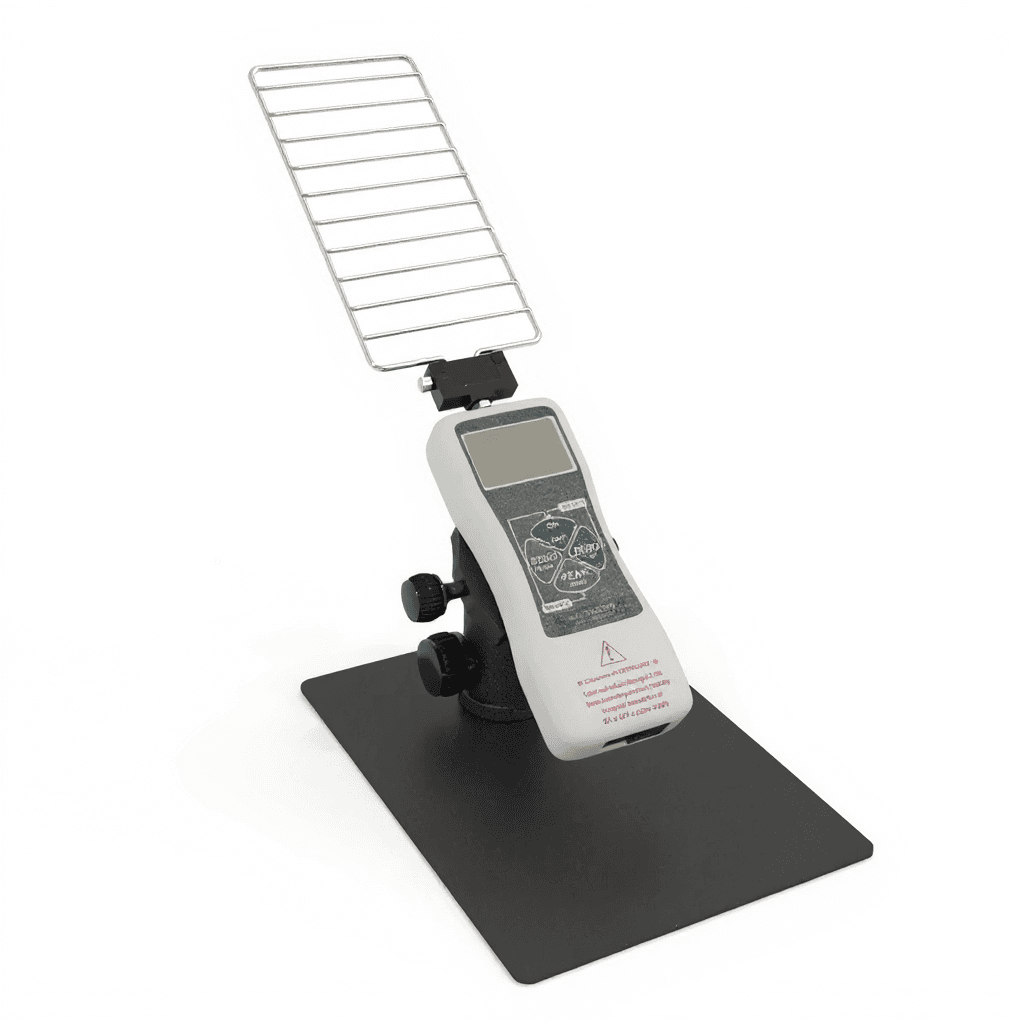
Grip Strength Test

Grip Strength Test

Digital force gauge for neuromuscular strength measurement. Detects peripheral neuropathy-related weakness in diabetic obesity models like db/db.

Frequently Asked Questions

What is the difference between ob/ob and db/db mice?

Both are leptin pathway models but target different nodes. ob/ob mice lack leptin itself — they produce no functional leptin protein, so exogenous leptin administration completely reverses their obesity. db/db mice lack a functional leptin receptor, so they have extremely high circulating leptin but cannot respond to it. db/db mice develop more severe type 2 diabetes with progressive beta-cell failure, while ob/ob mice on C57BL/6J background show transient hyperglycemia that improves with age.

Why is C57BL/6J the preferred strain for diet-induced obesity?

C57BL/6J mice are uniquely susceptible to diet-induced obesity due to a natural deletion in the nicotinamide nucleotide transhydrogenase (Nnt) gene, which impairs mitochondrial energy metabolism and glucose-stimulated insulin secretion. When placed on a 60% high-fat diet, they reliably develop obesity, insulin resistance, and hepatic steatosis over 12–16 weeks. Other C57BL/6 substrains (e.g., C57BL/6N) have an intact Nnt gene and show different metabolic responses, so substrain matters.

How long does it take for DIO mice to become obese?

On a 60% kcal high-fat diet, C57BL/6J mice show significant weight divergence from chow-fed controls within 4–6 weeks. A robust obese phenotype with insulin resistance and glucose intolerance is typically established by 12–16 weeks on diet. For maximal metabolic dysfunction including hepatic steatosis and dyslipidemia, 16–20 weeks on diet is recommended. Some researchers use DIO mice commercially available from JAX (pre-fed on HFD for 6+ weeks) to reduce in-house diet exposure time.

What behavioral tests should I run on obesity models?

Start with the open field test to establish baseline locomotor activity, as obesity profoundly affects ambulation. Follow with cognitive tests (Y-maze, novel object recognition) to assess obesity-driven cognitive decline. Include the elevated plus maze for anxiety-like behavior and forced swim test for depressive-like behavior, as metabolic-psychiatric comorbidity is a key translational outcome. For diabetic models (db/db), add grip strength testing to assess peripheral neuropathy.

Do obesity models have confounds in behavioral testing?

Yes, and they are critical to address. Reduced locomotor activity in obese mice can confound any test where movement is the measured outcome — for example, reduced exploration in the elevated plus maze may reflect physical limitation rather than anxiety. Normalize anxiety and cognitive measures for total locomotor output. Use the open field as a covariate. For rotarod, body weight is a major confound; report both latency to fall and body-weight-adjusted performance.

What is the MC4R KO model and how does it relate to human obesity?

MC4R (melanocortin-4 receptor) knockout mice model the most common single-gene cause of severe obesity in humans. MC4R mutations account for 2–6% of severe early-onset obesity cases in humans. The mice develop progressive, maturity-onset obesity with hyperphagia, hyperinsulinemia, and increased linear growth. Unlike leptin pathway models, MC4R KO mice have intact leptin production and signaling upstream of the melanocortin system, making them the primary model for melanocortin-targeted therapeutics like setmelanotide.

Can obesity models be used for neuroinflammation and cognitive studies?

Yes, and this is a rapidly growing research area. High-fat diet and genetic obesity models both develop hippocampal neuroinflammation, characterized by microglial activation, elevated IL-1beta and TNF-alpha, and impaired synaptic plasticity (reduced LTP). Cognitive deficits on NOR and Y-maze correlate with hippocampal neuroinflammatory markers. DIO in C57BL/6J is the most commonly used model for obesity-cognition studies because it recapitulates the diet-driven inflammation relevant to human metabolic cognitive impairment.