Schizophrenia — Animal Models & Behavioral Testing

Compare pharmacological, developmental, and genetic models side by side. Match each model to validated assays for positive symptoms, negative symptoms, and cognitive deficits.

Why Animal Models for Schizophrenia Research

Schizophrenia is a chronic psychiatric disorder affecting approximately 1% of the global population, characterized by positive symptoms (hallucinations, delusions, disorganized thinking), negative symptoms (social withdrawal, anhedonia, avolition), and cognitive deficits (impaired working memory, attention, and executive function). Current antipsychotics primarily address positive symptoms, leaving a critical unmet need for treatments targeting negative and cognitive symptom domains.

Mouse models of schizophrenia cannot fully replicate hallucinations or delusions but can model measurable behavioral analogs: locomotor hyperactivity as a proxy for psychomotor agitation, social withdrawal for negative symptoms, and deficits in working memory, prepulse inhibition (PPI), and reversal learning for cognitive impairment. NMDA receptor hypofunction models (MK-801, PCP) reflect the glutamate hypothesis, while developmental models (poly(I:C) MIA) and genetic models (DISC1) capture neurodevelopmental and genetic risk factors.

Choosing the right model depends on your target symptom domain: MK-801 produces acute, reversible hyperlocomotion and PPI deficits for rapid positive-symptom screening. Chronic PCP induces sustained negative and cognitive symptoms. Poly(I:C) MIA models the neurodevelopmental trajectory with all three symptom domains in offspring. DISC1 mutants capture genetic risk with progressive cognitive decline. Below, we compare four widely used models and map each to validated behavioral assays.

Model Comparison

ModelTypeBackgroundPositive SymptomsNegative SymptomsCognitive DeficitTest WindowBest For
MK-801 (Dizocilpine)PharmacologicalC57BL/6J or CD-1Robust hyperlocomotionMild social withdrawal (acute)PPI disruption, working memory impairmentImmediate (30–120 min post-injection)Rapid screening of antipsychotics for positive symptoms; PPI rescue studies; acute dose-response studies of glutamatergic compounds.
PCP (Phencyclidine) ChronicPharmacologicalC57BL/6J or Sprague-Dawley (rat)Hyperlocomotion (acute phase)Sustained social withdrawalPersistent working memory and attentional deficits3–14 days post-withdrawalScreening drugs for negative and cognitive symptoms; studying sustained glutamatergic dysfunction; modeling treatment-resistant symptom domains.
Poly(I:C) MIADevelopmentalC57BL/6JAmphetamine-induced hyperlocomotionSocial withdrawal, anhedoniaPPI deficits, reversal learning impairment8–16 weeks (offspring)Studying neurodevelopmental origins of schizophrenia; gene-environment interaction research; testing preventive interventions during the prodromal period.
DISC1TransgenicC57BL/6JHyperlocomotion (L100P)Social withdrawal, depressive-like behavior (Q31L)Working memory impairment, reduced PPI8–20 weeksStudying genetic risk factors for schizophrenia; dissecting positive vs. negative symptom neurobiology; investigating DISC1 signaling cascades as drug targets.

MK-801 (Dizocilpine)Pharmacological

Background: C57BL/6J or CD-1

Positive SymptomsRobust hyperlocomotion
Negative SymptomsMild social withdrawal (acute)
Cognitive DeficitPPI disruption, working memory impairment
Test WindowImmediate (30–120 min post-injection)

MK-801 is a non-competitive NMDA receptor antagonist administered via intraperitoneal injection (typically 0.1–0.3 mg/kg for mice). It produces dose-dependent hyperlocomotion, stereotypy, ataxia, and disruption of prepulse inhibition within minutes of injection. Higher doses (0.5 mg/kg+) produce social withdrawal. The acute model reflects the NMDA receptor hypofunction hypothesis of schizophrenia and provides a rapid, reversible assay for antipsychotic screening. Effects resolve within 2–4 hours.

Ideal for: Rapid screening of antipsychotics for positive symptoms; PPI rescue studies; acute dose-response studies of glutamatergic compounds.

Wong EH, et al. (1986). The anticonvulsant MK-801 is a potent N-methyl-D-aspartate antagonist. Proc Natl Acad Sci U S A, 83(18), 7104-7108. PMID: 3529096

MK-801 (Dizocilpine) Behavioral Battery

Open Field Test

Primary readout for MK-801-induced hyperlocomotion. Total distance traveled increases 2–5 fold within 10 minutes of injection. Dose-dependent stereotypic circling and ataxia are captured by path analysis.

View Open Field Test

Acoustic Startle Chamber

MK-801 disrupts prepulse inhibition in a dose-dependent manner. PPI rescue by antipsychotics is one of the most widely used predictive validity assays for positive symptom treatment.

View Acoustic Startle Chamber

Y-Maze

Spontaneous alternation is reduced by MK-801, reflecting working memory impairment. The test is rapid and does not require food restriction or training — ideal for acute pharmacological studies.

View Y-Maze

Social Interaction Test

At higher doses, MK-801 reduces social investigation time in a freely interacting dyad or three-chamber test. Provides a negative symptom readout alongside the locomotor positive symptom proxy.

View Social Interaction Test

Novel Object Recognition

MK-801 impairs recognition memory discrimination index when administered before the sample or test phase. Dissects encoding vs. retrieval components of NMDA-dependent memory.

View Novel Object Recognition

PCP (Phencyclidine) ChronicPharmacological

Background: C57BL/6J or Sprague-Dawley (rat)

Positive SymptomsHyperlocomotion (acute phase)
Negative SymptomsSustained social withdrawal
Cognitive DeficitPersistent working memory and attentional deficits
Test Window3–14 days post-withdrawal

Repeated subchronic PCP administration (5–10 mg/kg, i.p., twice daily for 5–7 days in mice) followed by a washout period produces sustained behavioral deficits that model the negative and cognitive symptom domains of schizophrenia. Unlike acute NMDA antagonist models, chronic PCP produces lasting reductions in social interaction, impaired novel object recognition, and reversal learning deficits that persist for 1–2 weeks after the final injection. The model induces frontal cortical parvalbumin interneuron loss paralleling postmortem findings in schizophrenia patients.

Ideal for: Screening drugs for negative and cognitive symptoms; studying sustained glutamatergic dysfunction; modeling treatment-resistant symptom domains.

Jentsch JD, Roth RH. (1999). The neuropsychopharmacology of phencyclidine: from NMDA receptor hypofunction to the dopamine hypothesis of schizophrenia. Neuropsychopharmacology, 20(3), 201-225. PMID: 10063482

PCP (Phencyclidine) Chronic Behavioral Battery

Social Interaction Test

Primary negative symptom readout. Chronic PCP-treated mice show persistent reduction in social investigation, following, and contact time during dyadic interaction, persisting 7–14 days post-washout.

View Social Interaction Test

Novel Object Recognition

Chronic PCP impairs object discrimination measured 24 hours after familiarization. This persistent recognition memory deficit models the cognitive impairment domain and responds to novel pro-cognitive compounds.

View Novel Object Recognition

Y-Maze

Reduced spontaneous alternation persists during the post-washout period, reflecting sustained working memory dysfunction. Sensitive to mGluR2/3 agonists and other glutamatergic modulators.

View Y-Maze

Elevated Plus Maze

Anxiety-like behavior assessment during washout. Chronic PCP may alter anxiety levels, which can confound interpretation of social withdrawal and must be controlled for.

View Elevated Plus Maze

Forced Swim Test

Increased immobility in chronic PCP-treated animals models the avolition and motivational deficits of negative symptoms. Distinguishes anhedonia-like behavior from motor impairment.

View Forced Swim Test

Poly(I:C) MIADevelopmental

Background: C57BL/6J

Positive SymptomsAmphetamine-induced hyperlocomotion
Negative SymptomsSocial withdrawal, anhedonia
Cognitive DeficitPPI deficits, reversal learning impairment
Test Window8–16 weeks (offspring)

Injection of poly(I:C) (5–20 mg/kg, i.v. or i.p.) to pregnant dams at E9 or E12.5 activates the maternal immune system via TLR3 signaling, producing elevated IL-6 and type I interferon levels. Offspring develop a schizophrenia-relevant behavioral phenotype in adulthood including enhanced sensitivity to amphetamine and MK-801 (positive symptom analog), reduced social interaction (negative symptoms), and impaired PPI and latent inhibition (cognitive deficits). The model captures the neurodevelopmental trajectory of schizophrenia with a symptom-free juvenile period followed by adult-onset deficits.

Ideal for: Studying neurodevelopmental origins of schizophrenia; gene-environment interaction research; testing preventive interventions during the prodromal period.

Meyer U, et al. (2009). The time of prenatal immune challenge determines the specificity of inflammation-mediated brain and behavioral pathology. J Neurosci, 29(14), 4462-4470. PMID: 19357272

Poly(I:C) MIA Behavioral Battery

Acoustic Startle Chamber

PPI deficit is one of the most robust and reproducible phenotypes in MIA offspring. Prepulse inhibition testing provides a translational biomarker directly comparable to human schizophrenia PPI deficits.

View Acoustic Startle Chamber

Open Field Test

Baseline locomotor assessment and amphetamine challenge. MIA offspring show enhanced locomotor response to amphetamine (0.5–2 mg/kg), a pharmacological proxy for mesolimbic dopamine sensitization.

View Open Field Test

Social Interaction Test

Three-chamber test reveals reduced sociability in MIA offspring from 8 weeks of age. Social deficits model the negative symptom domain and are resistant to typical antipsychotics.

View Social Interaction Test

Fear Conditioning System

Latent inhibition — the reduced conditionability to a pre-exposed stimulus — is disrupted in MIA offspring, paralleling the latent inhibition deficit observed in acute schizophrenia patients.

View Fear Conditioning System

Novel Object Recognition

Long-term recognition memory (24-hour delay) is impaired in MIA offspring. Provides a cognitive endpoint complementary to PPI for screening pro-cognitive therapeutics.

View Novel Object Recognition

DISC1Transgenic

Background: C57BL/6J

Mutations:DISC1 L100P (point mutation)DISC1 Q31L (point mutation)
Positive SymptomsHyperlocomotion (L100P)
Negative SymptomsSocial withdrawal, depressive-like behavior (Q31L)
Cognitive DeficitWorking memory impairment, reduced PPI
Test Window8–20 weeks

DISC1 was identified at the breakpoint of a balanced translocation (1;11)(q42.1;q14.3) that cosegregates with schizophrenia, major depression, and bipolar disorder in a large Scottish pedigree. ENU-induced point mutations L100P and Q31L in mice produce dissociable phenotypes: L100P homozygotes show hyperlocomotion (positive symptom analog) and PPI deficits, while Q31L homozygotes show depressive-like behavior and social withdrawal (negative symptoms). Both mutants display working memory impairment. DISC1 interacts with PDE4B, NDE1/NDEL1, and GSK3-beta, implicating cAMP signaling and neurodevelopmental pathways.

Ideal for: Studying genetic risk factors for schizophrenia; dissecting positive vs. negative symptom neurobiology; investigating DISC1 signaling cascades as drug targets.

Clapcote SJ, et al. (2007). Behavioral phenotypes of Disc1 missense mutations in mice. Neuron, 54(3), 387-402. PMID: 17481393

DISC1 Behavioral Battery

Open Field Test

DISC1 L100P mutants show spontaneous hyperlocomotion, modeling the psychomotor agitation component of positive symptoms. Q31L mutants show normal or reduced locomotion.

View Open Field Test

Acoustic Startle Chamber

Both L100P and Q31L DISC1 mutants show PPI deficits, paralleling the sensorimotor gating impairment in schizophrenia patients. PPI responds to both typical and atypical antipsychotic treatment.

View Acoustic Startle Chamber

Social Interaction Test

Q31L DISC1 mutants show reduced social approach in the three-chamber test, modeling negative symptoms. Social deficits are resistant to haloperidol but responsive to clozapine.

View Social Interaction Test

Y-Maze

Both DISC1 mutant lines show reduced spontaneous alternation, reflecting working memory dysfunction. Sensitive to PDE4 inhibitor treatment, consistent with DISC1-PDE4B interaction.

View Y-Maze

Forced Swim Test

Q31L DISC1 mutants show increased immobility, modeling depressive-like negative symptoms and avolition. Responds to chronic antidepressant treatment, supporting face and predictive validity.

View Forced Swim Test

Behavioral Test Battery by Model

Which tests are validated for each model. Build your protocol by selecting from recommended assays.

TestMK-801 (Dizocilpine)PCP (Phencyclidine) ChronicPoly(I:C) MIADISC1
Open Field Test
Acoustic Startle Chamber
Y-Maze
Social Interaction Test
Novel Object Recognition
Elevated Plus Maze
Forced Swim Test
Fear Conditioning System

Behavioral Testing Equipment

Purpose-built equipment for Schizophrenia preclinical research. Each product ships with protocol documentation and technical support from PhD scientists.

Acoustic Startle Chamber

Acoustic Startle Chamber

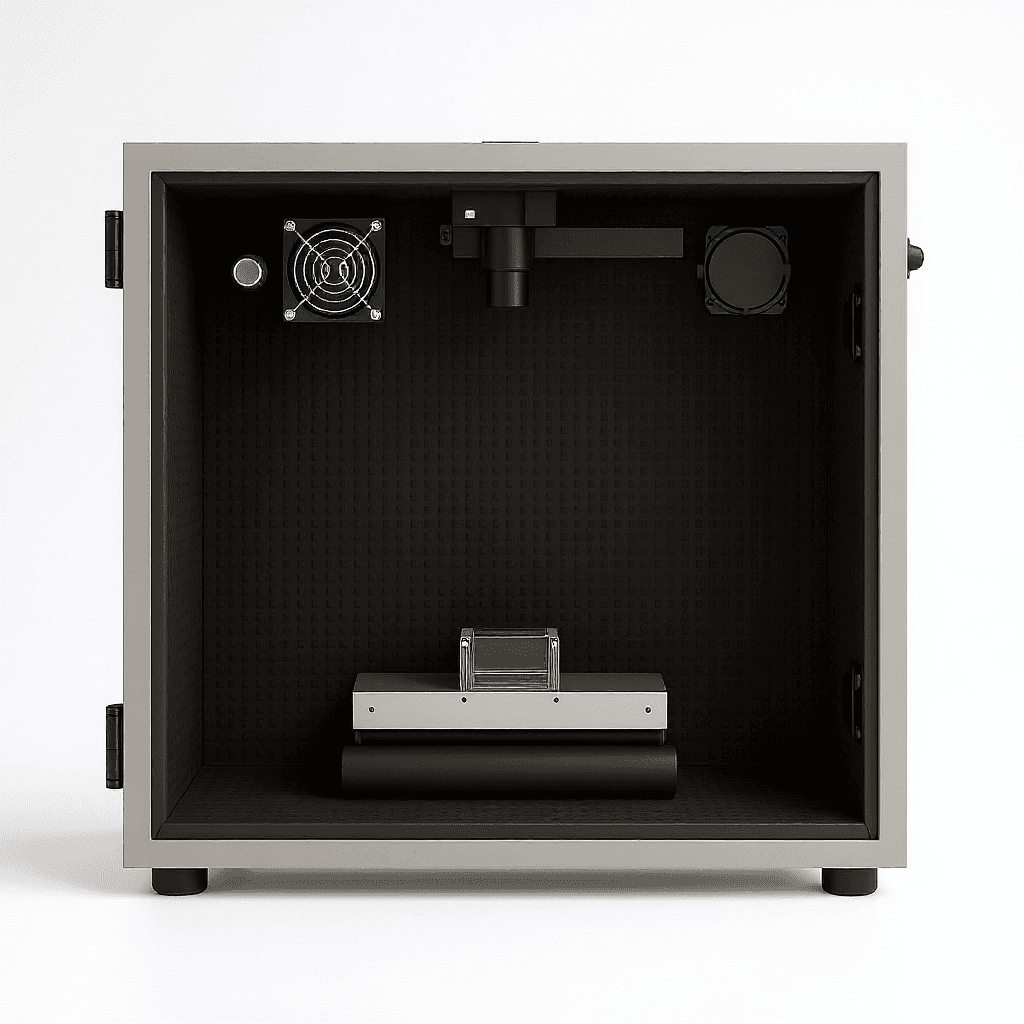
Automated chamber for acoustic startle response and prepulse inhibition (PPI). The primary translational assay for sensorimotor gating deficits in schizophrenia models.

Open Field Test

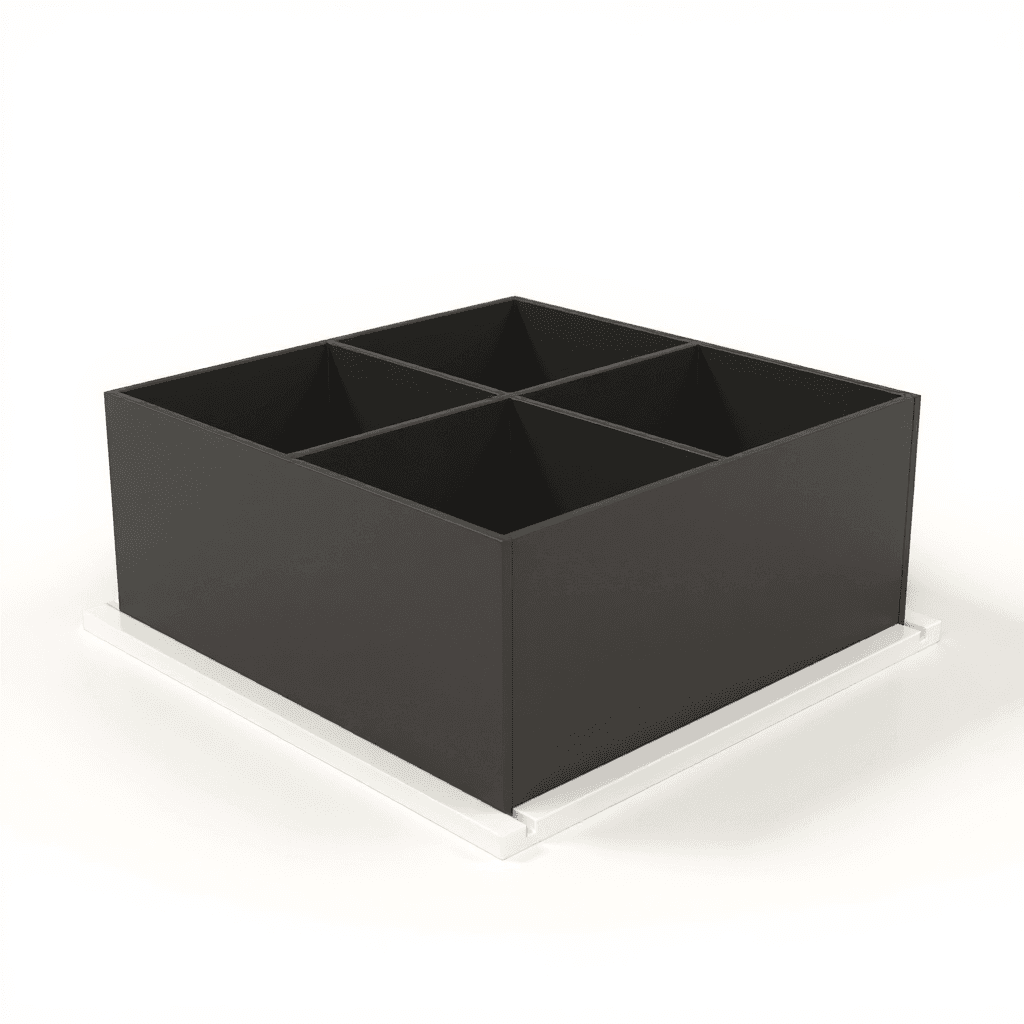
Open Field Test

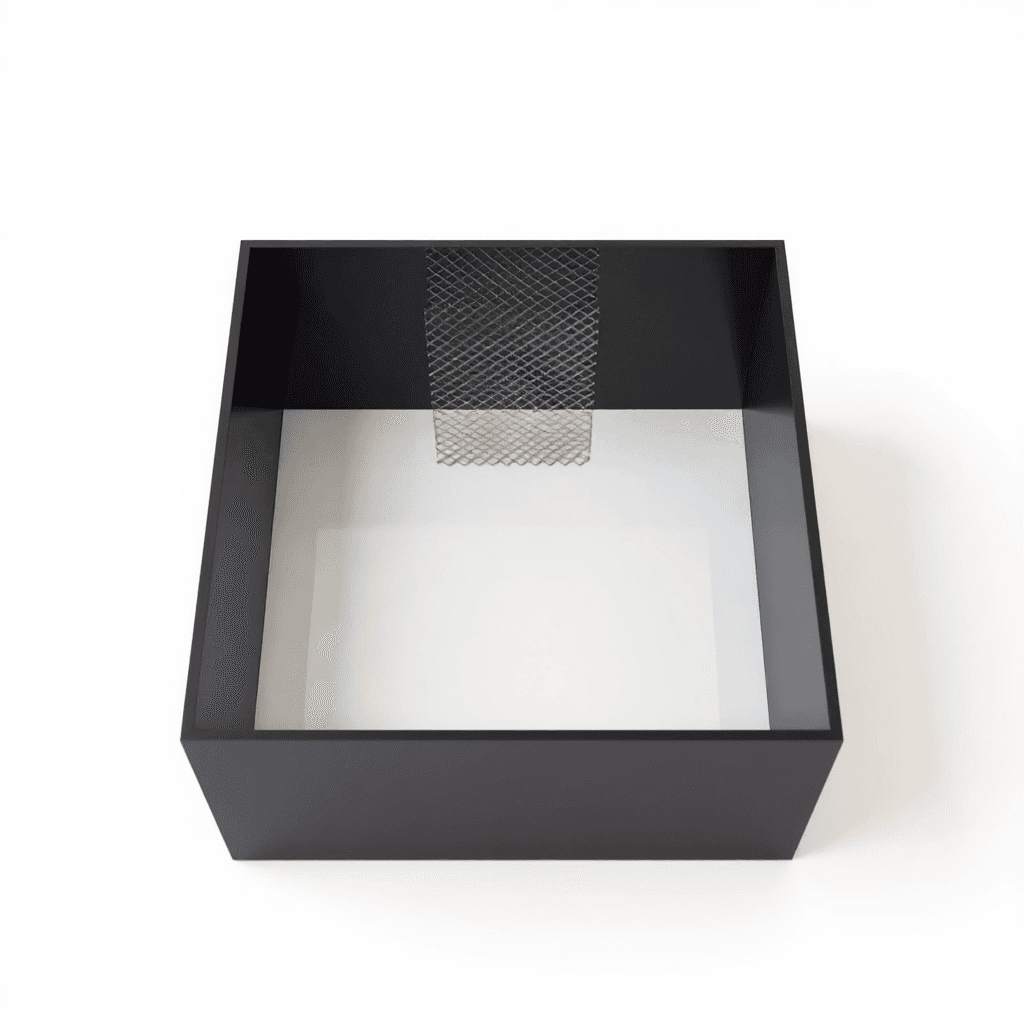
Square or circular arena for locomotor hyperactivity (positive symptom proxy), exploratory behavior, and amphetamine sensitization testing.

Social Interaction Test

Social Interaction Test

Three-chamber apparatus for sociability testing. Primary assay for the negative symptom domain — social withdrawal and reduced social motivation.

Y-Maze

Y-Maze

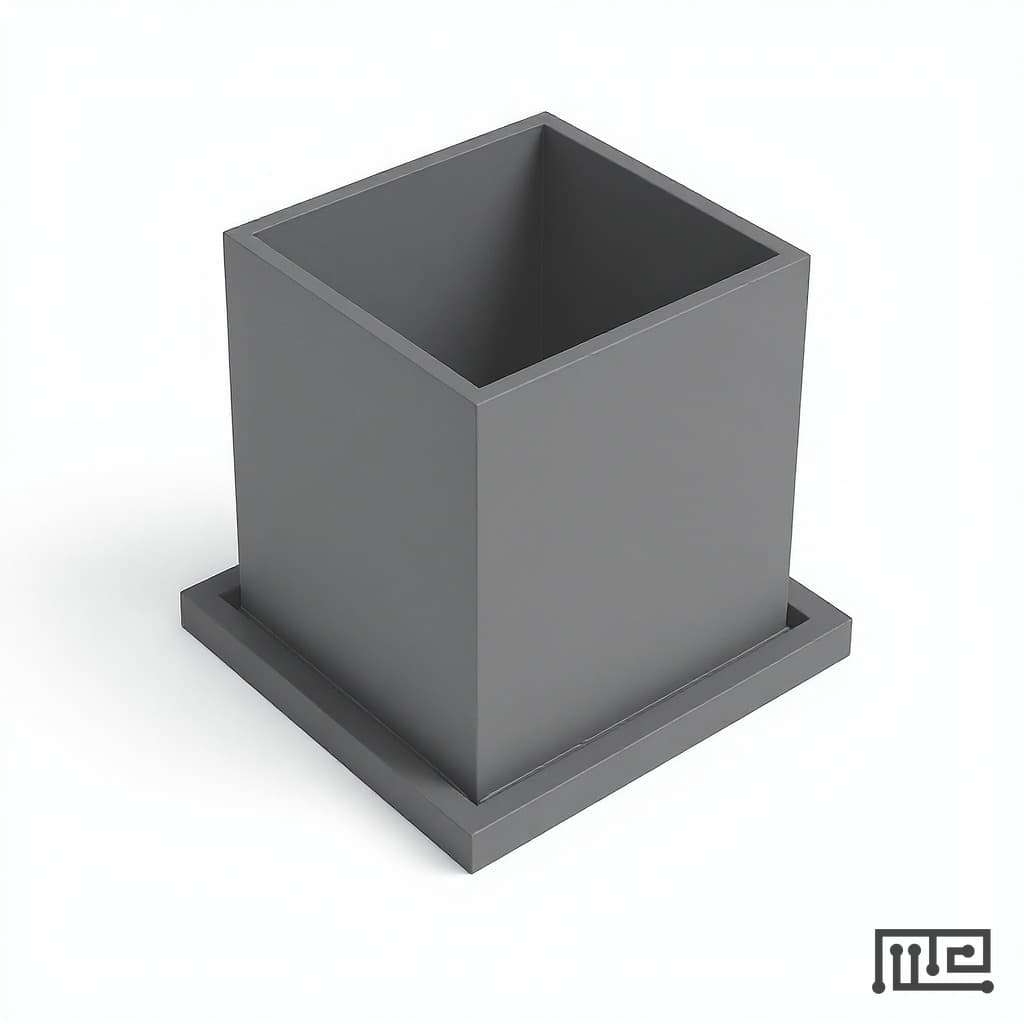
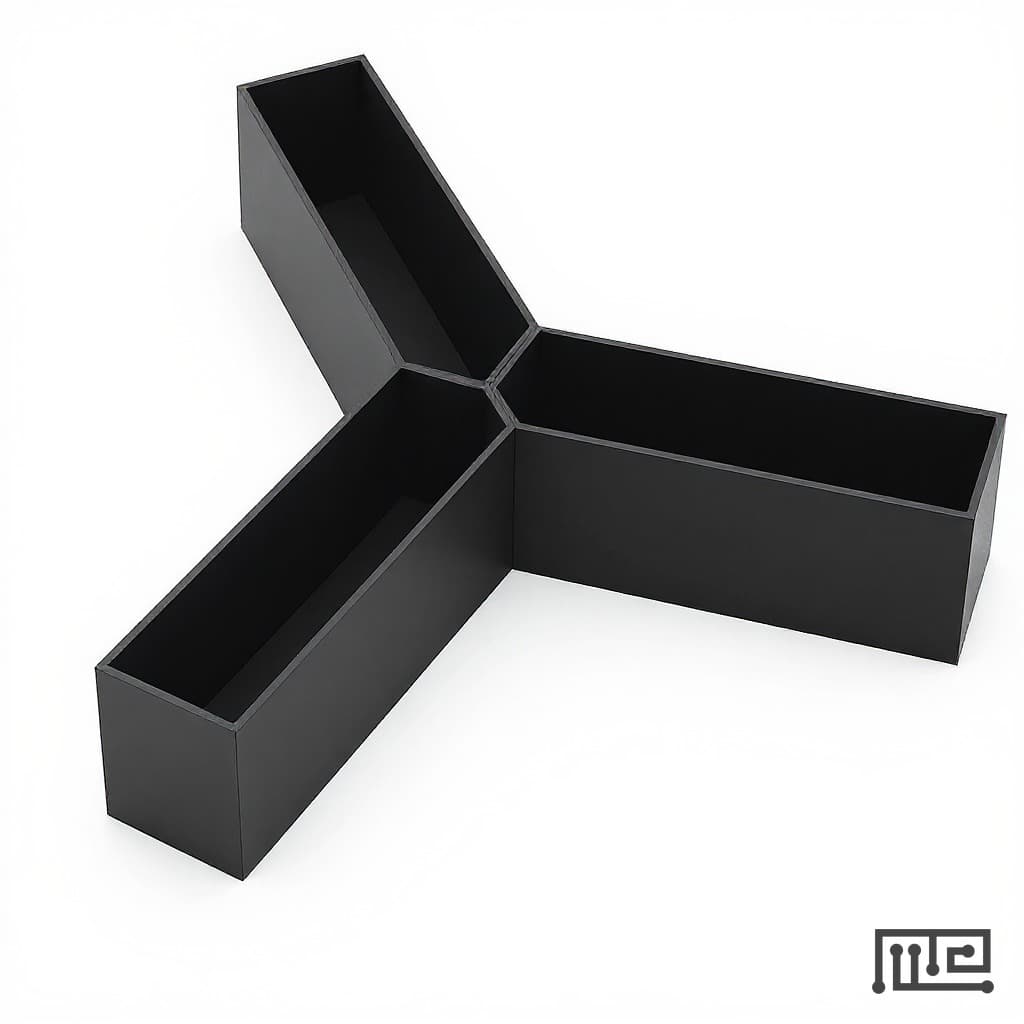
Three-arm maze for spontaneous alternation and spatial working memory. Rapid, training-free assessment of the cognitive deficit domain in schizophrenia.

Novel Object Recognition

Novel Object Recognition

Arena with standardized object sets for recognition memory. Tests persistent cognitive impairment, particularly in chronic PCP and MIA models.

Elevated Plus Maze

Elevated Plus Maze

Four-arm elevated maze for anxiety-like behavior. Important control measure — anxiety confounds interpretation of social withdrawal in negative symptom assays.

Fear Conditioning System

Fear Conditioning System

Automated chamber for contextual and cued fear conditioning and latent inhibition paradigms. Latent inhibition disruption is a core schizophrenia-relevant cognitive readout.

Forced Swim Test

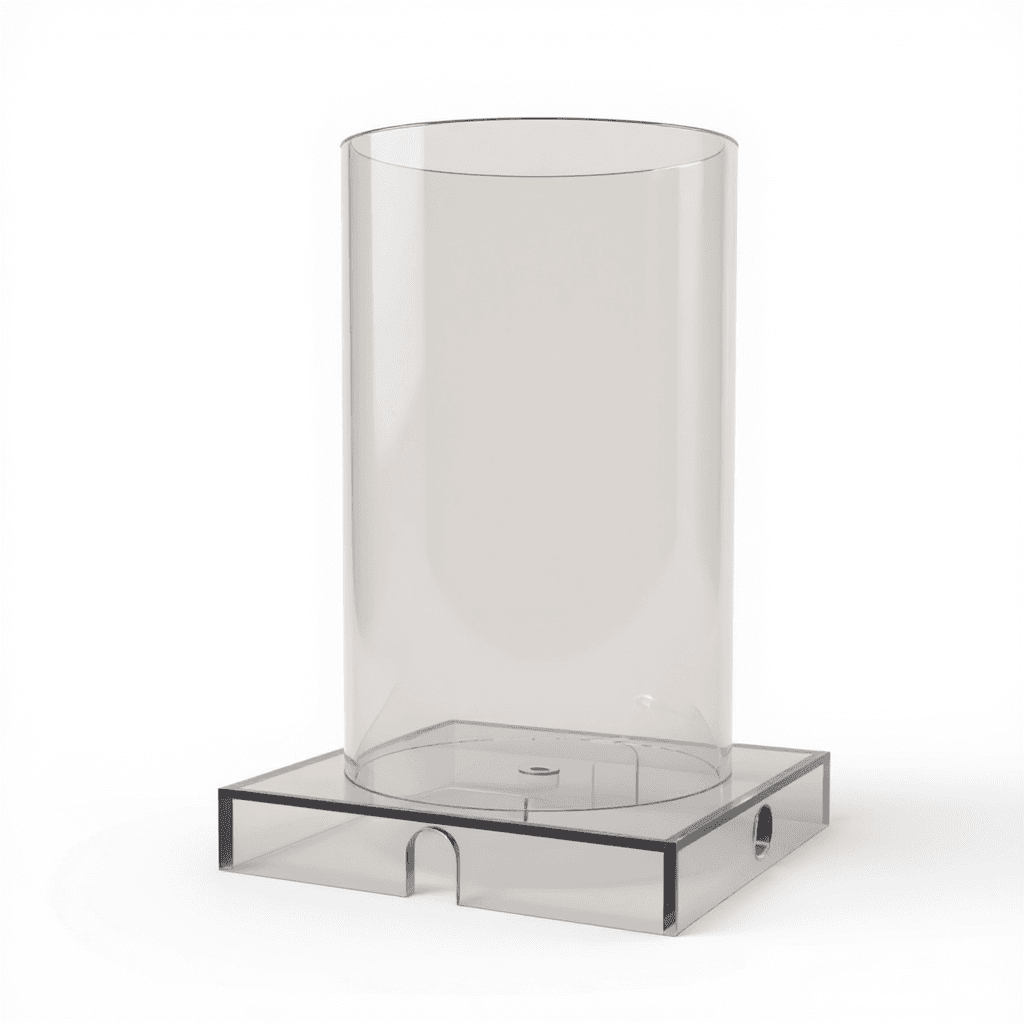
Forced Swim Test

Cylindrical swim chamber for depressive-like behavior assessment. Measures avolition and motivational deficits in the negative symptom domain of schizophrenia models.

Frequently Asked Questions

What is the best mouse model for schizophrenia research?

No single model captures all symptom domains of schizophrenia. MK-801 is best for rapid antipsychotic screening targeting positive symptoms (hyperlocomotion, PPI deficits). Chronic PCP produces sustained negative and cognitive symptoms for testing novel pro-cognitive and pro-social compounds. Poly(I:C) MIA captures the neurodevelopmental trajectory with all three symptom domains. DISC1 provides a genetic model with dissociable positive (L100P) and negative (Q31L) symptom variants. Most preclinical programs use at least two models to cover multiple symptom domains.

What is prepulse inhibition (PPI) and how is it used in schizophrenia research?

PPI is the normal attenuation of a startle reflex when a weak stimulus (prepulse) precedes a strong startling stimulus by 30–500 ms. PPI is consistently impaired in schizophrenia patients and is disrupted by NMDA antagonists (MK-801, PCP) and dopamine agonists in mice. PPI rescue by antipsychotics has strong predictive validity — drugs that restore PPI in animal models tend to reduce positive symptoms in patients. PPI is measured in an acoustic startle chamber and provides one of the most translational biomarkers in psychiatric research.

What is the difference between MK-801 and PCP models?

Both are NMDA receptor antagonists, but their protocols and behavioral profiles differ. MK-801 is typically given acutely (single injection) producing transient hyperlocomotion and PPI deficits lasting 2–4 hours — ideal for rapid positive symptom screening. Chronic PCP (twice daily for 5–7 days followed by washout) produces persistent negative symptoms (social withdrawal) and cognitive deficits (working memory, recognition memory) lasting 1–2 weeks. Chronic PCP better models the treatment-resistant negative and cognitive domains that are the primary unmet clinical need.

How does the MIA model produce schizophrenia-like symptoms?

Poly(I:C) injection to pregnant dams at E9 or E12.5 activates TLR3 signaling, triggering maternal IL-6 and type I interferon release. These cytokines disrupt fetal brain development, particularly GABAergic interneuron migration and prefrontal cortical lamination. Offspring appear normal during juvenile development but develop behavioral deficits in adulthood — mimicking the prodromal-to-onset trajectory of human schizophrenia. The timing of maternal immune activation determines symptom specificity: E9 injection biases toward positive symptoms, while E12.5 produces a broader phenotype.

What is the DISC1 gene and why is it relevant to schizophrenia?

DISC1 (Disrupted-in-Schizophrenia 1) was identified at the breakpoint of a chromosomal translocation that cosegregated with schizophrenia, major depression, and bipolar disorder in a large Scottish family. The DISC1 protein interacts with PDE4B (cAMP signaling), NDE1/NDEL1 (neuronal migration), and GSK3-beta (Wnt signaling). Mouse models with DISC1 point mutations show dissociable phenotypes: L100P mutants model positive symptoms with hyperlocomotion and PPI deficits, while Q31L mutants model negative symptoms with social withdrawal and depressive-like behavior.

Can schizophrenia models be used for cognitive enhancement drug screening?

Yes, and this is a major application. The MATRICS (Measurement and Treatment Research to Improve Cognition in Schizophrenia) initiative identified working memory, attention, and executive function as priority cognitive targets. Chronic PCP and MIA models produce persistent cognitive deficits testable via Y-Maze (working memory), novel object recognition (declarative-like memory), and attentional set-shifting (executive function). Compounds that improve these endpoints in post-PCP-washout animals have the best translational track record for cognitive enhancement in schizophrenia.

What equipment do I need for a basic schizophrenia behavioral battery?

A minimum battery for schizophrenia models includes: (1) Acoustic startle chamber for PPI — the primary translational biomarker; (2) Open field for locomotor hyperactivity and amphetamine sensitization; (3) Social interaction apparatus for negative symptom assessment; and (4) Y-Maze or novel object recognition for cognitive deficit testing. Adding fear conditioning for latent inhibition and forced swim for motivational deficits provides comprehensive coverage of positive, negative, and cognitive symptom domains.

How do I validate that an antipsychotic is working in a mouse model?

Validation depends on the symptom domain. For positive symptoms: the drug should reverse MK-801-induced hyperlocomotion in the open field and restore PPI in the acoustic startle chamber. For negative symptoms: the drug should increase social interaction time in chronic PCP-treated or DISC1 Q31L mice without simply increasing general locomotion. For cognitive symptoms: the drug should improve Y-Maze alternation or NOR discrimination index in chronic PCP-washout animals. Always include a motor function control (rotarod or open field locomotion) to rule out non-specific sedation.