Stroke — Animal Models & Recovery Testing

Compare focal ischemia, photothrombotic, and global ischemia models side by side. Match each model to validated motor and cognitive recovery assays and the equipment you need to run them.

Why Animal Models for Stroke Research

Stroke is the second leading cause of death worldwide and a primary cause of long-term disability. Despite decades of research, only thrombolysis (tPA) and thrombectomy have proven effective clinically. The failure of over 1,000 neuroprotective agents in clinical trials — despite preclinical success — has driven a critical reappraisal of animal models, outcome measures, and study design in stroke research.

Focal ischemia models like middle cerebral artery occlusion (MCAO) reproduce the large-vessel occlusion seen in the majority of ischemic strokes. Photothrombotic stroke produces precise, reproducible cortical infarcts ideal for studying plasticity and recovery. Endothelin-1 creates dose-dependent focal ischemia that can target specific brain regions. Global ischemia models replicate the hippocampal vulnerability seen in cardiac arrest survivors.

Model selection depends on your research question: MCAO for clinically relevant focal ischemia and neuroprotection studies, photothrombotic for cortical plasticity and rehabilitation research, endothelin-1 for targeted subcortical or cortical lesions, and global ischemia for studying selective neuronal vulnerability and post-ischemic cognitive impairment.

Model Comparison

ModelTypeBackgroundInfarct LocationMotor DeficitCognitive DeficitTest WindowBest For
MCAOFocal IschemiaC57BL/6JMCA territory (striatum + cortex)Immediate (minutes)24–72 hours24 hours to 4 weeks post-strokeNeuroprotection and reperfusion studies; clinically relevant large-vessel occlusion modeling; studies requiring both motor and cognitive outcomes.
PhotothromboticFocal IschemiaC57BL/6JCortical (precise targeting)Immediate24–48 hours (if cortex involved)24 hours to 8 weeks post-strokeCortical plasticity and recovery research; rehabilitation studies requiring consistent infarct placement; optical imaging of peri-infarct reorganization.
Endothelin-1Focal IschemiaC57BL/6J or Sprague-Dawley (rat)Targeted (cortex, striatum, or hippocampus)30 minutes post-injection24–72 hours24 hours to 4 weeks post-injectionTargeted regional ischemia (cortex, striatum, hippocampus); studies requiring gradual infarct evolution; smaller, more survivable infarcts than MCAO.
Global IschemiaGlobal IschemiaC57BL/6JHippocampal CA1 (selective)Minimal3–7 days7–28 days post-ischemiaSelective hippocampal vulnerability studies; post-cardiac arrest cognitive impairment; hippocampal neuroprotection without motor confounds.

MCAOFocal Ischemia

Background: C57BL/6J

Infarct LocationMCA territory (striatum + cortex)
Motor DeficitImmediate (minutes)
Cognitive Deficit24–72 hours
Test Window24 hours to 4 weeks post-stroke

Gold standard for focal cerebral ischemia. A silicon-coated monofilament is advanced through the internal carotid artery to occlude the MCA origin. Transient MCAO (60–90 minutes) produces striatal and cortical infarction with reperfusion injury; permanent MCAO produces maximal infarction. Infarct volume is reproducible but variable between operators — laser Doppler confirmation of occlusion is essential. Mortality is 10–20% in experienced hands.

Ideal for: Neuroprotection and reperfusion studies; clinically relevant large-vessel occlusion modeling; studies requiring both motor and cognitive outcomes.

Engel O, et al. (2011). Modeling stroke in mice - middle cerebral artery occlusion with the filament model. J Vis Exp, (47), 2423. PMID: 21248698

MCAO Behavioral Battery

Rotarod

Motor coordination recovery tracking. Severe deficits at 24 hours, partial recovery over 2–4 weeks. Accelerating protocol (4–40 RPM) is most sensitive to residual deficits.

View Rotarod Test

Grip Strength

Contralateral forelimb weakness is the primary motor deficit. Grip strength deficit correlates with infarct volume and tracks recovery over weeks.

View Grip Strength Test

Balance Beam

Foot slips and traversal time detect asymmetric motor deficits. Sensitive to contralateral deficits that may recover on rotarod. Beam width can be narrowed for increased sensitivity.

View Balance Beam Test

Morris Water Maze

Spatial learning and memory deficits emerge 3–7 days post-MCAO. Tests hippocampal function and cortical processing. Wait until motor deficits partially recover to avoid confounding swim ability.

View Morris Water Maze

Novel Object Recognition

Recognition memory deficits without the motor demands of water maze. Sensitive to cortical infarction. Can be tested earlier post-stroke than MWM.

View Novel Object Recognition

PhotothromboticFocal Ischemia

Background: C57BL/6J

Infarct LocationCortical (precise targeting)
Motor DeficitImmediate
Cognitive Deficit24–48 hours (if cortex involved)
Test Window24 hours to 8 weeks post-stroke

Rose bengal dye (10–30 mg/kg IV) is illuminated through the intact skull with a focused light source (cold light, 560 nm). Photochemical activation generates singlet oxygen that damages endothelium, triggering platelet aggregation and focal cortical thrombosis. Infarct size is controlled by illumination diameter, duration, and dye concentration. Produces a sharply demarcated cortical infarct with no penumbra — ideal for plasticity studies but less clinically representative than MCAO.

Ideal for: Cortical plasticity and recovery research; rehabilitation studies requiring consistent infarct placement; optical imaging of peri-infarct reorganization.

Watson BD, et al. (1985). Induction of reproducible brain infarction by photochemically initiated thrombosis. Ann Neurol, 17(5), 497-504. PMID: 4004172

Photothrombotic Behavioral Battery

Balance Beam

Precise cortical targeting allows selective forelimb motor cortex lesions. Foot slips on the beam detect contralateral deficits with high sensitivity. Excellent for tracking motor recovery over weeks.

View Balance Beam Test

Grip Strength

Contralateral grip strength deficit proportional to motor cortex infarct size. Rapid, quantitative readout for longitudinal recovery tracking.

View Grip Strength Test

Rotarod

Coordination deficits after motor cortex photothrombosis. Recovery trajectory depends on infarct size — small cortical lesions may recover fully by 2–3 weeks.

View Rotarod Test

Open Field Test

Post-stroke anxiety-like behavior and locomotor changes. Thigmotaxis may increase; total distance helps control for general activity when interpreting motor-specific tests.

View Open Field Test

Gait Analysis

Automated detection of asymmetric stride length, paw placement, and swing speed. Sensitive to subtle residual deficits that rotarod may miss during recovery.

View Automated Gait Analysis

Endothelin-1Focal Ischemia

Background: C57BL/6J or Sprague-Dawley (rat)

Infarct LocationTargeted (cortex, striatum, or hippocampus)
Motor Deficit30 minutes post-injection
Cognitive Deficit24–72 hours
Test Window24 hours to 4 weeks post-injection

Endothelin-1, a potent vasoconstrictor peptide, is applied topically to the cortical surface or injected stereotaxically near cerebral arteries. Produces dose-dependent, reversible vasoconstriction and focal ischemia at the injection site. Unlike MCAO, ET-1 can target specific cortical or subcortical regions. Infarct develops gradually over hours as vasoconstriction peaks. Spontaneous reperfusion occurs as ET-1 is metabolized, modeling transient ischemia.

Ideal for: Targeted regional ischemia (cortex, striatum, hippocampus); studies requiring gradual infarct evolution; smaller, more survivable infarcts than MCAO.

Windle V, et al. (2006). An analysis of four different methods of producing focal cerebral ischemia with endothelin-1 in the rat. Exp Neurol, 201(2), 324-334. PMID: 16740259

Endothelin-1 Behavioral Battery

Rotarod

Motor coordination deficits proportional to lesion size and location. Cortical motor area ET-1 produces deficits comparable to photothrombotic stroke; striatal injection produces milder impairment.

View Rotarod Test

Barnes Maze

Spatial learning deficits after cortical or hippocampal ET-1 injection. Dry-land alternative to MWM — avoids swim confounds in animals with motor impairment.

View Barnes Maze

Balance Beam

Sensitive to focal motor cortex lesions from ET-1. Contralateral foot slip rate increases proportionally with lesion size.

View Balance Beam Test

Novel Object Recognition

Cortical and hippocampal ET-1 injections impair recognition memory. Lower motor demand than maze tasks — suitable for early post-stroke testing.

View Novel Object Recognition

Open Field Test

Locomotor activity and anxiety-like behavior post-stroke. Controls for general activity level when interpreting cognitive test performance.

View Open Field Test

Global IschemiaGlobal Ischemia

Background: C57BL/6J

Infarct LocationHippocampal CA1 (selective)
Motor DeficitMinimal
Cognitive Deficit3–7 days
Test Window7–28 days post-ischemia

Bilateral common carotid artery occlusion for 15–20 minutes produces transient global forebrain ischemia. The hippocampal CA1 region is selectively vulnerable due to high metabolic demand and excitotoxic susceptibility. Produces delayed neuronal death in CA1 (peaking at 3–7 days) with relative sparing of motor cortex, striatum, and cerebellum. Models cardiac arrest and resuscitation outcomes in humans.

Ideal for: Selective hippocampal vulnerability studies; post-cardiac arrest cognitive impairment; hippocampal neuroprotection without motor confounds.

Traystman RJ. (2003). Animal models of focal and global cerebral ischemia. ILAR J, 44(2), 85-95. PMID: 12652003

Global Ischemia Behavioral Battery

Morris Water Maze

The primary outcome for global ischemia — hippocampal-dependent spatial learning is severely impaired while motor function is largely preserved. Testing at 7–14 days post-ischemia captures peak CA1 neuronal loss.

View Morris Water Maze

Barnes Maze

Spatial memory deficits parallel MWM impairment. Lower stress and no swim requirement — preferable for aged animals or protocols requiring repeated testing.

View Barnes Maze

Y-Maze Spontaneous Alternation

Rapid, training-free assessment of spatial working memory. Global ischemia reduces alternation rate, reflecting hippocampal dysfunction. Quick screen before more extensive MWM testing.

View Y-Maze

Novel Object Recognition

Recognition memory impairment following CA1 neuronal death. Perirhinal and hippocampal contributions make NOR sensitive to global ischemia. Low motor demand.

View Novel Object Recognition

Open Field Test

Confirms preserved locomotor function — critical control for interpreting cognitive deficits. Global ischemia should produce cognitive but not motor impairment if occlusion is calibrated correctly.

View Open Field Test

Behavioral Test Battery by Model

Which tests are validated for each model. Build your protocol by selecting from recommended assays.

TestMCAOPhotothromboticEndothelin-1Global Ischemia
Rotarod
Grip Strength
Balance Beam
Morris Water Maze
Novel Object Recognition
Open Field Test
Gait Analysis
Barnes Maze
Y-Maze Spontaneous Alternation

Behavioral Testing Equipment

Purpose-built equipment for Stroke preclinical research. Each product ships with protocol documentation and technical support from PhD scientists.

Rotarod Test

Rotarod Test

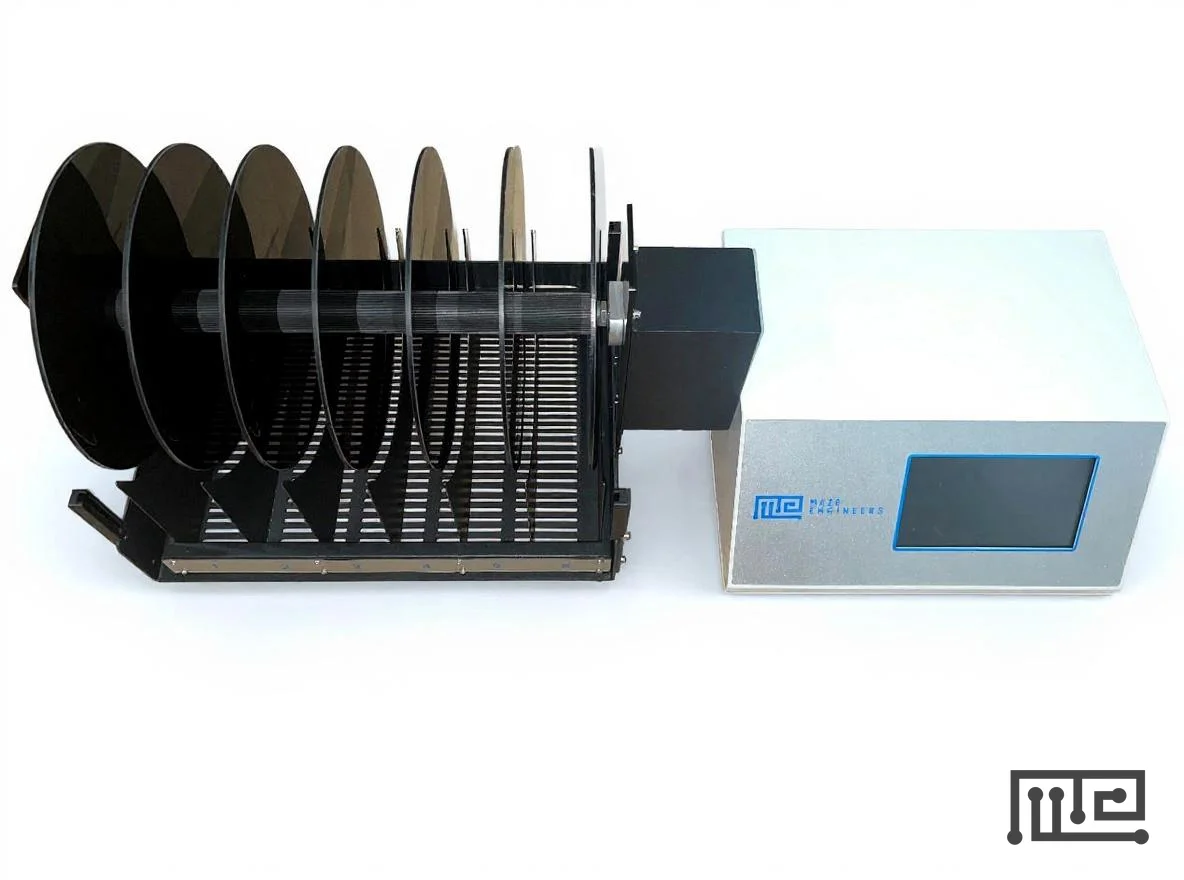
Accelerating or fixed-speed rotating rod for motor coordination recovery. Primary motor outcome measure for focal ischemia models.

Balance Beam Test

Balance Beam Test

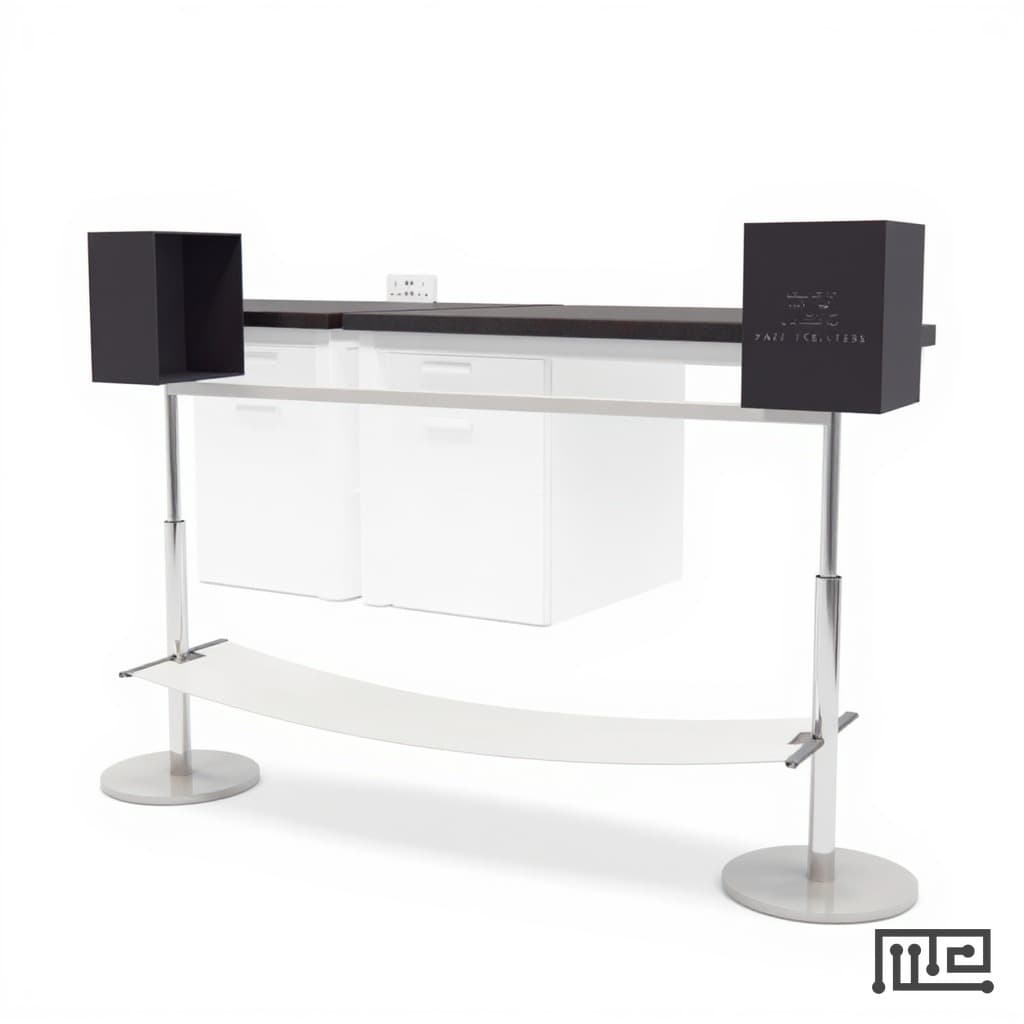
Narrow beam traversal for contralateral motor deficits. Foot slip count is one of the most sensitive post-stroke motor measures.

Grip Strength Test

Grip Strength Test

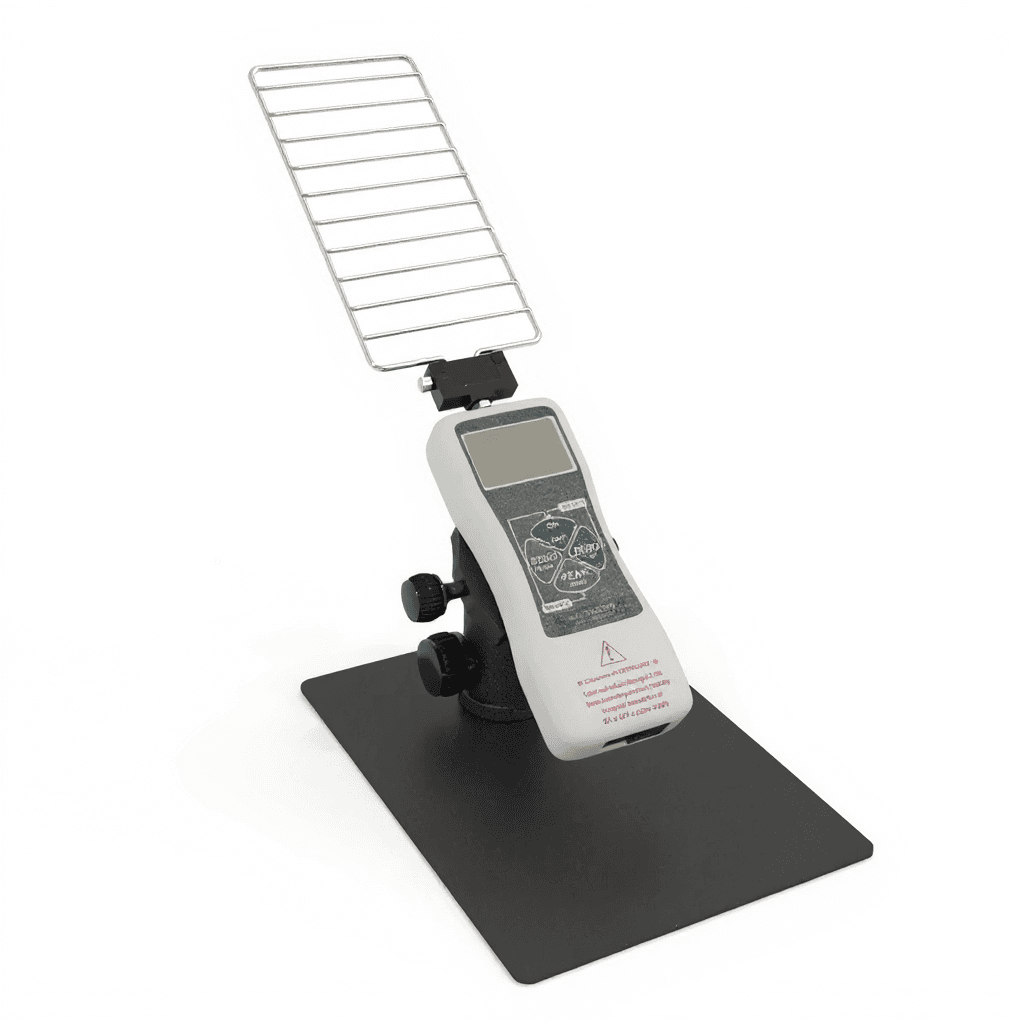
Peak force measurement for forelimb strength. Quantifies contralateral weakness with high reproducibility.

Morris Water Maze

Morris Water Maze

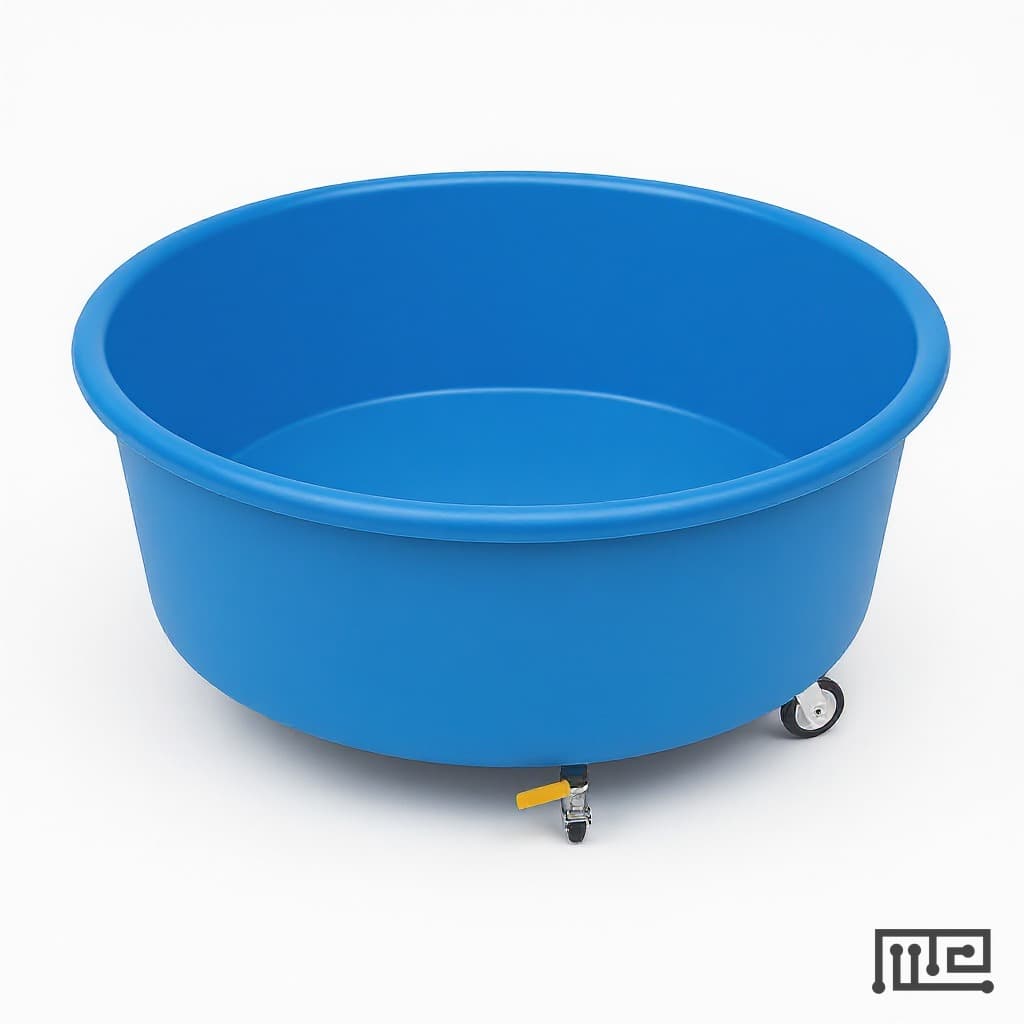
Spatial learning and reference memory assessment. Gold standard cognitive outcome for stroke models, especially global ischemia.

Barnes Maze

Barnes Maze

Dry-land spatial learning without swim stress. Preferred for post-stroke cognitive testing in animals with residual motor deficits.

Y-Maze

Y-Maze

Rapid spatial working memory assessment via spontaneous alternation. Quick cognitive screen with no training required.

Novel Object Recognition

Novel Object Recognition

Recognition memory testing with low motor demand. Suitable for early post-stroke cognitive assessment.

Open Field Test

Open Field Test

Locomotor activity and anxiety-like behavior. Essential control measure confirming motor vs cognitive deficit specificity.

Automated Gait Analysis

Automated Gait Analysis

Automated stride analysis for asymmetric gait deficits. Detects subtle residual motor impairment during stroke recovery.

Frequently Asked Questions

What is the best mouse model for stroke research?

MCAO (intraluminal filament) is the gold standard for clinically relevant focal ischemia — it produces large cortical-striatal infarcts mimicking human large-vessel stroke. Photothrombotic stroke provides precise, reproducible cortical lesions ideal for plasticity and rehabilitation research. Endothelin-1 allows targeted ischemia at specific brain regions. Global ischemia (BCCAO) models cardiac arrest outcomes with selective hippocampal damage. Choose based on whether you need motor outcomes (focal models) or cognitive outcomes (global ischemia).

How does MCAO work in mice?

A silicon-coated nylon monofilament is inserted through the external carotid artery, advanced through the internal carotid artery, and positioned at the origin of the middle cerebral artery to block blood flow. For transient ischemia, the filament is withdrawn after 60–90 minutes; for permanent ischemia, it is left in place. Laser Doppler flowmetry over the MCA territory confirms successful occlusion (>70% reduction in cerebral blood flow). Infarction develops in the MCA territory affecting striatum and lateral cortex.

What behavioral tests are used after stroke in mice?

Motor assessment: rotarod (coordination and balance), balance beam (foot slips and traversal time), grip strength (contralateral forelimb weakness), and gait analysis (stride asymmetry). Cognitive assessment: Morris water maze and Barnes maze (spatial learning), Y-maze spontaneous alternation (working memory), and novel object recognition (recognition memory). Always include open field as a locomotor control. For focal ischemia, test motor outcomes acutely (24–72 hours) and longitudinally (1–4 weeks); delay cognitive testing until motor function partially recovers.

What is photothrombotic stroke?

Photothrombotic stroke uses the photosensitive dye rose bengal (injected IV at 10–30 mg/kg) combined with focused illumination through the intact skull. Light activation of rose bengal generates singlet oxygen that damages vascular endothelium, triggering platelet aggregation and localized thrombosis. The result is a sharply demarcated cortical infarct whose size and location are controlled by the illumination spot diameter and position. It is minimally invasive (no craniotomy), highly reproducible, and has low mortality (~5%).

Why does global ischemia selectively damage the hippocampus?

Hippocampal CA1 pyramidal neurons are selectively vulnerable to ischemia due to high expression of glutamate receptors (especially NMDA receptors), high metabolic demand, limited collateral blood supply, and slower post-ischemic recovery of protein synthesis. During global ischemia, excitotoxic glutamate release causes calcium overload specifically in CA1 neurons, triggering delayed cell death 2–4 days after reperfusion. This selective vulnerability is why cardiac arrest survivors often present with memory impairment despite intact motor and sensory function.

How long should I wait after stroke before cognitive testing?

For focal ischemia (MCAO, photothrombotic): wait 7–14 days before spatial learning tasks (MWM, Barnes maze) to allow motor recovery — swim impairment confounds water maze performance. Novel object recognition can be tested earlier (3–7 days) because it has low motor demand. For global ischemia (BCCAO): motor function is largely preserved, so cognitive testing can begin at 7 days when CA1 neuronal death has peaked. Y-maze spontaneous alternation at 7 days provides a quick cognitive screen before committing to a full MWM protocol.