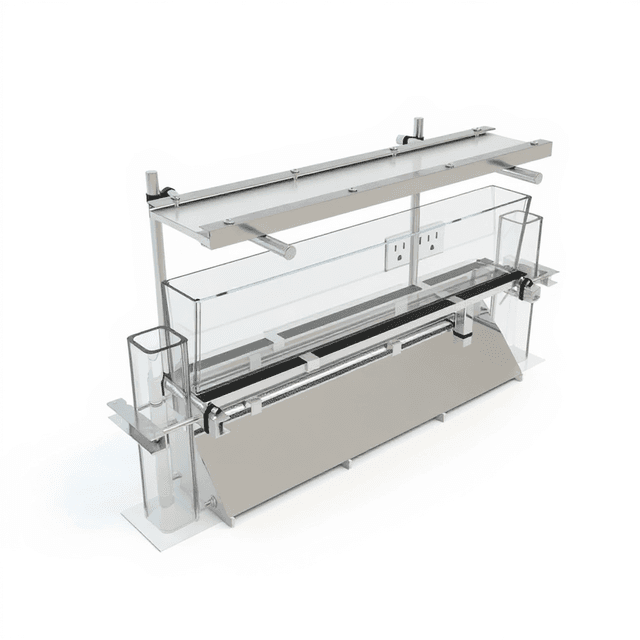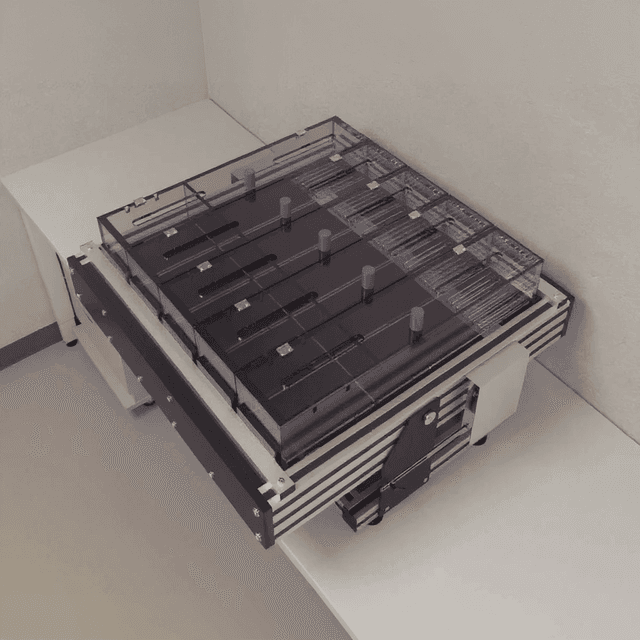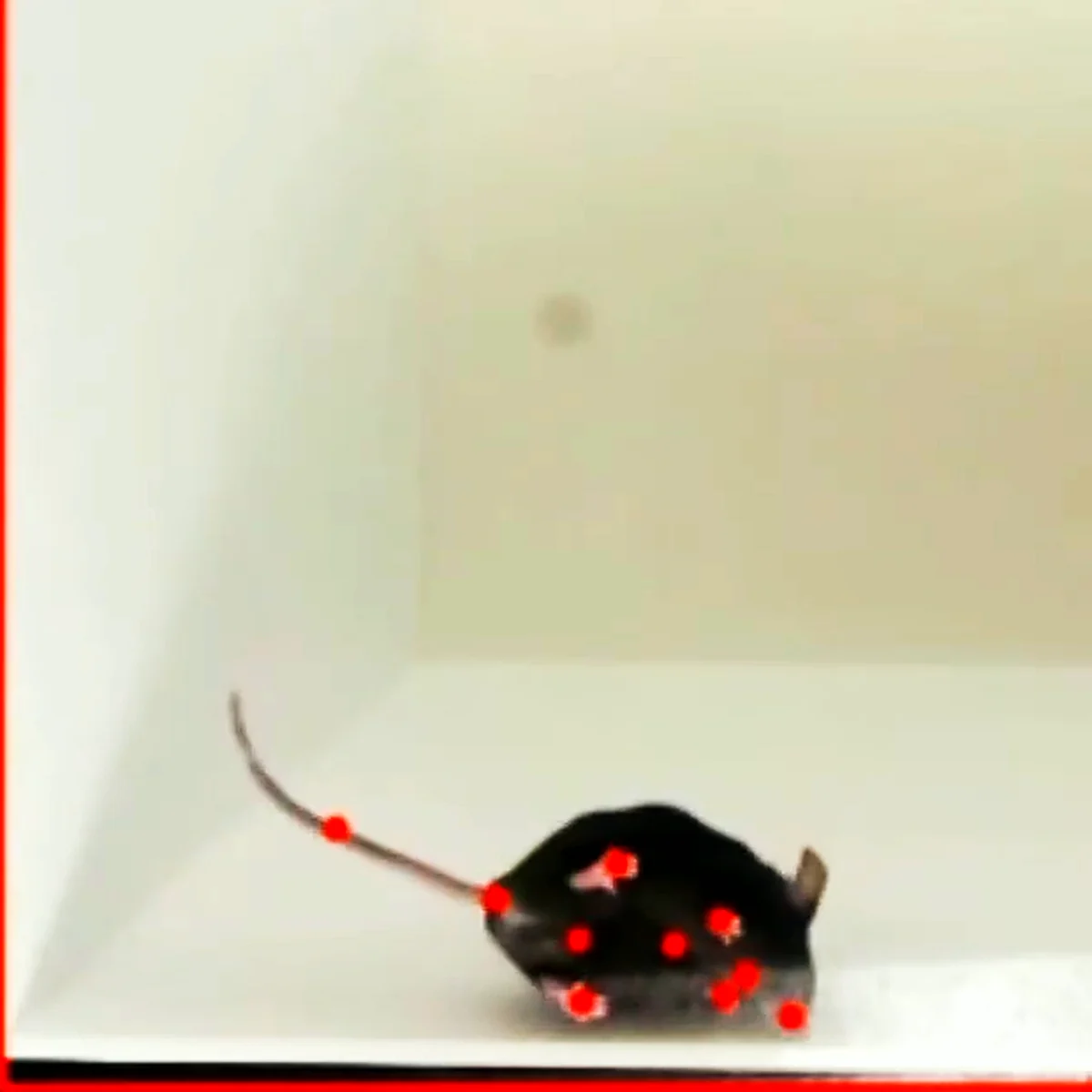
ConductVision
$1,490 per yearA 5-year license is $3,990 in total.
The same license also scores standard tests such as the open field, the elevated plus maze, the Y-maze and the Morris water maze. Results export as CSV files.
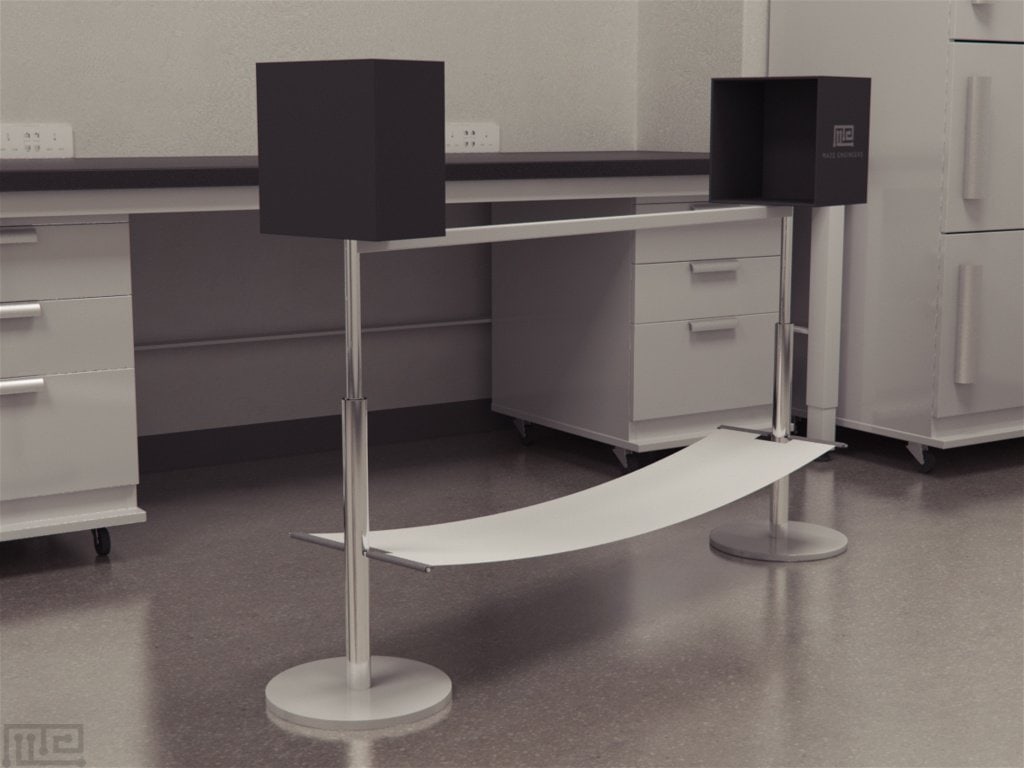
Motor coordination assessment apparatus featuring multiple beam widths (6-48mm) and elevated platforms for evaluating balance, coordination, and motor learning in mice and rats.

Director of Science · ConductScience
Ask Louise about Balance Beam Test fit, setup, configuration, or quote prep.
Already working with us? Sign in to connect this with My Scientist.
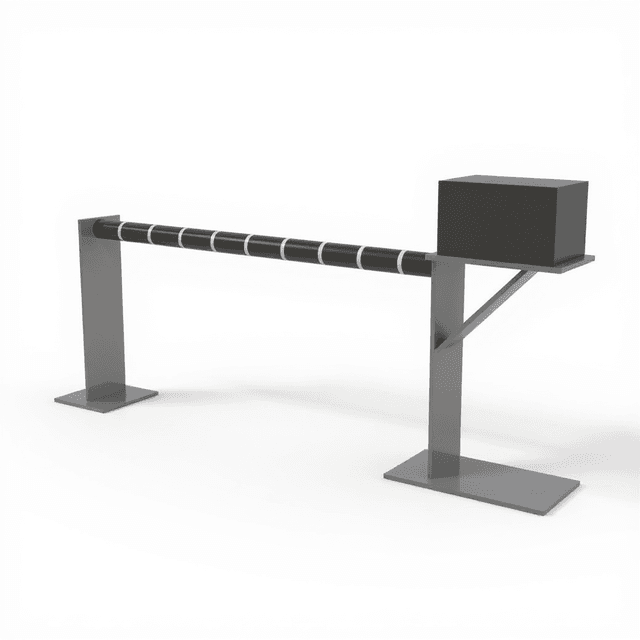
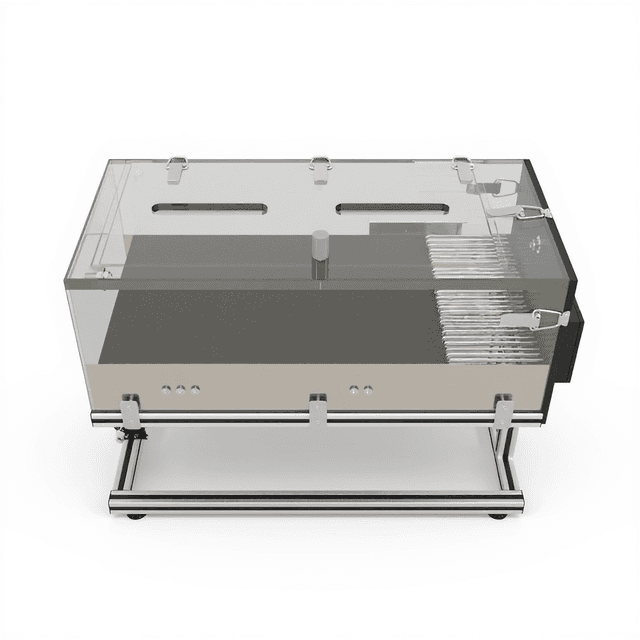
The Balance Beam Test is a fundamental motor coordination assessment apparatus designed to evaluate sensorineural balance, coordination, and motor learning in rodent models. The system consists of narrow elevated beams of varying widths (6, 12, 24, and 48mm) that subjects traverse between two platforms, providing quantitative measures of balance performance and motor skill acquisition.
Constructed from clear acrylic with species-specific dimensions (100cm length for mice, 125cm for rats), the apparatus includes end platforms (20x20x20cm for mice, 25x25x25cm for rats) at a standard 50cm height. Multiple beam widths allow progressive difficulty assessment, while optional modifications including start platforms, encatchment areas, and adjustable height/angle configurations enable protocol customization for specific research requirements.
The balance beam test operates on the principle of challenging postural control and motor coordination through progressive task difficulty. Subjects must traverse narrow elevated beams using precise limb placement and dynamic balance adjustments. The varying beam widths (6-48mm) create a gradient of difficulty, with narrower beams requiring greater precision and balance control.
Motor performance is assessed through multiple parameters including traversal time, number of foot slips or falls, hesitation time, and successful completion rate. The elevated design (50cm height) introduces consequences for balance failures, motivating careful movement execution. Clear acrylic construction allows unobstructed observation and video recording for detailed kinematic analysis.
The test exploits the natural aversion of rodents to elevated, narrow spaces while utilizing their motivation to reach the safety of the end platform. Repeated trials enable assessment of motor learning, with performance improvements indicating successful skill acquisition and motor memory formation.
| Add-on | Price | Details |
|---|---|---|
| Ledge Tapered Beam | $450 | In this test, rats or mice are trained to traverse an elevated beam that is tapered along the extent with an underhanging ledge (2cm wide, dropped 2cm below the |
| Acrylic Beam | $250 | |
| Spiked Beam | $390 | Spiked beams give an obstacle in the beam. Please specify number of spikes requested |
| Round Beam | $450 |
Add any of these to your quote request.
| Measurement | Mouse | Rat |
|---|---|---|
| Length | 100 cm | 125 cm |
| Height | 50 cm | 50 cm |
| Feature | This Product | Typical Alternative | Advantage |
|---|---|---|---|
| Beam Width Options | Four widths included (6, 12, 24, 48mm) | Fixed width systems often provide single beam dimension | Progressive difficulty assessment enables comprehensive motor function profiling across skill levels |
| Construction Material | Clear acrylic throughout | Wooden or painted metal construction limits visibility | Unobstructed observation enables detailed behavioral scoring and high-quality video documentation |
| Species Optimization | Dedicated mouse (100cm) and rat (125cm) versions | One-size-fits-all designs compromise performance scaling | Appropriate proportions ensure natural locomotor behavior and consistent challenge across species |
| Platform Integration | Integrated end platforms (20x20x20cm mice, 25x25x25cm rats) | Separate platform components require additional setup | Standardized goal areas provide consistent motivation and reduce setup complexity |
| Optional Enhancements | Start platforms, encatchment, height/angle adjustment available | Limited customization options in basic models | Protocol flexibility enables specialized applications and progressive training paradigms |
| Beam Profile Options | Rectangular standard, round beams upon request | Single profile limits challenge variation | Surface geometry variation enables advanced motor challenge protocols and grip strength assessment |
This balance beam apparatus provides comprehensive motor assessment capabilities through multiple beam widths, clear acrylic construction for optimal observation, and species-specific optimization. The modular design with optional enhancements supports diverse research applications from basic motor screening to complex learning paradigms.
| Model | Size | SKU | Listed price | Status | Shipping box |
|---|---|---|---|---|---|
| Mouse | Length 100 cm · Height 50 cm | ME-BB-M01 | $2,090.00 | Available | 33.02 x 33.02 x 33.02 cm |
| Rat | Length 125 cm · Height 50 cm | ME-BB-R01 | $2,290.00 | Available | 43.18 x 33.02 x 30.48 cm |
Verify beam levelness using a precision spirit level before each testing session and document any height variations.
Why: Slight inclines can bias performance measures and introduce confounding variables in motor assessment.
Inspect beam mounting points weekly for wear or looseness, particularly after extended use with heavier animals.
Why: Secure connections prevent mid-trial structural failure that could injure animals or invalidate data.
Allow 2-3 minutes between trials for subject recovery and maintain consistent inter-trial intervals throughout testing.
Why: Standardized rest periods prevent fatigue confounds and enable reliable performance measurement across sessions.
Record ambient temperature and humidity during testing sessions as environmental factors can affect grip and performance.
Why: Environmental conditions influence motor control and should be documented for data interpretation and replication.
If subjects consistently refuse to traverse, reduce beam height or use food reward in end platform to increase motivation.
Why: Task aversion can prevent data collection and may indicate excessive difficulty or insufficient training.
Position soft padding beneath the apparatus during initial trials to prevent injury while maintaining behavioral consequences.
Why: Safety measures reduce animal welfare concerns while preserving the motivational aspects of the elevated design.
Clean beam surfaces with ethanol between subjects and allow complete drying to maintain consistent grip characteristics.
Why: Surface contamination from previous subjects can alter traction and introduce variability in performance measures.
Mark consistent starting positions on the start platform to standardize initial subject placement across trials.
Why: Standardized starting positions reduce variability in task initiation and improve measurement reliability.
ConductScience provides a standard one-year manufacturer warranty covering defects in materials and workmanship, with comprehensive technical support for setup and protocol optimization.
The balance beam is a test of motor coordination and balance in rodents. The test assesses sensorimotor function following motor cortex injury, traumatic brain injury, gamma-aminobutyric acid infusion into the frontal cortex and rodent models of stroke (reviewed by; Carter et al., 2001). In addition, this test can be used to evaluate the effects of aging and to characterize transgenic animals.
Rodent performance on the beam may improve with time after injury, with the use of drugs and with motor experience (Gentile et al., 1978, Feeney et al., 1982, Brailowsky et al., 1986). Amelioration of motor coordination after injury may be the result of a transient neural loss-of-function in areas remote from but connected to the area of injury.
The balance beam test requires the use of one or more narrow beams with varying dimensions and elevated from the ground. Avoidance stimuli should be used at the start of the beam. A goal box that serves as an escape from the stimuli should be placed at the opposite end. The trials should be video recorded.
Results can be presented as latency to traverse the beam, the number of foot slips and mean score if using a grading system (Feeney et al., 1982, Metz et al., 2000).
This test is widely used to assess fine motor deficits. It enables both short and long studies with multiple time points. Furthermore, it is inexpensive, methodologically unsophisticated and allows for substantial modifications of equipment and experimental protocol to fit diverse study designs.
The Balance Beam task is primarily used in the assessment of the sensorimotor functions of rodents. The apparatus has seen popularity due to its inexpensive nature and ease of construction. The Balance Beam allows researchers to evaluate motor functions by observing the ambulatory performances of the subjects on a narrow beam. Usually, an aversive stimulus such as bright lights and loud noise are used to motivate the subject to cross the beam to reach the safe space at the end. However, positive reinforcements can be just as effective in motivating the subjects. The difficulty of the Balance Beam task can also be easily manipulated by simply changing the width or shape of the beam. Rounded beams tend to be more challenging than square beams.
Subjects with abnormalities in motor functions tend to show poor performance on the Balance Beam task. Subjects with impairments are most likely to fall off the beam as they traverse it. Subjects may also show other behaviors such as hesitation to cross the beam, slower speeds or misplaced steps. These observations can be translated into different measures to obtain an assessment of the subjects’ balance and motor capabilities. In comparison to other tests of balance and motor functions, such as the Rotarod, the Balance Beam task can provide a more sensitive measure of certain subtle motor capabilities of the subjects (Stanley et al., 2005).
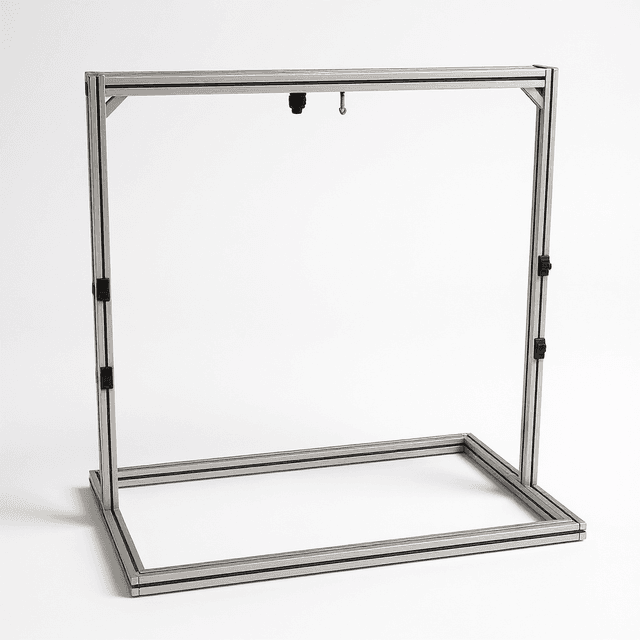
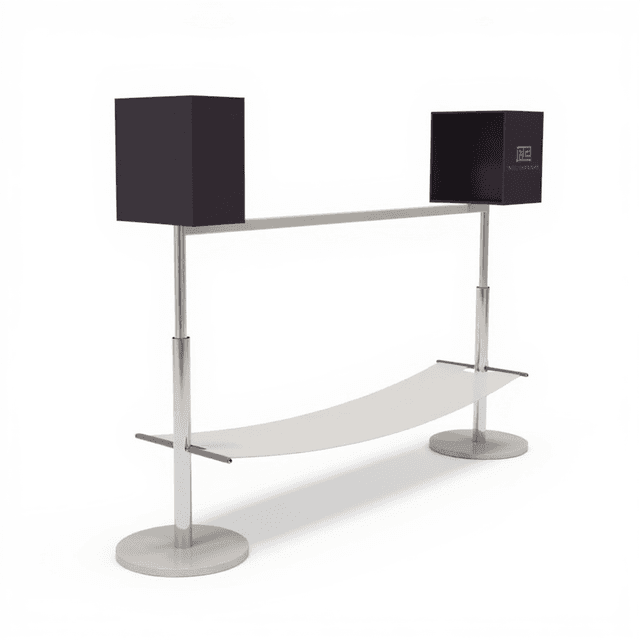
The Balance Beam apparatus is made of two support columns and a narrow beam. The support columns allow adjustment of the height of the beam. The beams of the apparatus are available in a range of lengths, widths, and sizes to accommodate the different needs of the experiment and levels of task difficulty. In addition to the basic setup, the Balance Beam apparatus can also include enclosed spaces to be placed at the ends of the beam, start or end platforms, an additional flat beam to act as support for compromised animals and a catchment to protect animals from falls.
Other apparatuses used in the assessment of motor capabilities include the Tilt Ladder, the Horizontal Ladder, and the Stairway test.
The Balance Beam apparatus has a simple construct of a narrow beam suspended above the ground using support columns. The beam has a tapered design and is available in lengths of 125 cm to 1 m. A lower, flat beam can be added along with the narrow beam to assist compromised animals. Additionally, provision for a detachable catchment under the narrow balance beam is also available to prevent injury to animals that fall off the beam. The side posts that suspend the beam can be used to adjust the elevation of the beam. In general heights of 50 to 60 cm above the ground are used for the task. Additions such as a 25 x 25 cm start platform and an end box (25 x 25 x 25 cm) can also be added to the start and end points to motivate the animals.
Balance Beam task provides a simple assessment of motor coordination and motor capabilities. The test is useful in comparing the effects of drugs on the motor functions of animals and in the development of appropriate treatment. Further, the task also allows evaluation of age-related decline in motor functions and effects of negative stimuli such as bright lights on motor capabilities. In comparison to the Rotarod test, the Balance Beam walking test tends to be more sensitive in evaluating certain types of motor coordination deficits.
Prior to beginning the experiment, the apparatus should be thoroughly cleaned to prevent the influence of any lingering stimuli. Overhead lighting set-up is recommended to prevent shadows. The arena should be sufficiently lit. Observation of the Balance Beam task can be done using tracking software and a video camera, such as Noldus Ethovision XT or ANY-Maze mounted above the apparatus. Live scoring is also possible. It is recommended that at least two investigators perform the test.
Pre-training
Allow the subject at least 60 minutes to acclimate to the testing area. Use a beam wider than the narrow testing beam to train the subjects. Place the subject at the start and allow it to traverse the beam to reach the end-point. Repeat the task for 4 consecutive trials for every subject. Return the animal to its home cage.
Evaluation of motor functions using the Balance Beam task
Allow the subject at least 60 minutes to acclimate to the test area. Begin testing with the widest beam. Place the subject at the start point and allow it to traverse it to the end-point within the allocated time (can range from 1 to 5 minutes). Repeat the task with different widths and shapes of beams. For each beam perform at least 2 consecutive trials. In case the subject falls off the beam, record it as a fail and allocate it a maximum latency time.
Balance Beam task provides a simple assessment of motor coordination and motor capabilities. The test is useful in comparing the effects of drugs on motor functions of animals and in the development of appropriate treatment. Further, the task also allows evaluation of age-related decline in motor functions and effects of negative stimuli such as bright lights on motor capabilities. In comparison to the Rotarod test, the Balance Beam walking test tends to be more sensitive in evaluating certain types of motor coordination deficits.
Prior to beginning the experiment, the apparatus should be thoroughly cleaned to prevent the influence of any lingering stimuli. Overhead lighting set-up is recommended to prevent shadows. The arena should be sufficiently lit. Observation of the Balance Beam task can be done using tracking software and video camera, such as Noldus Ethovision XT or ANY-Maze , mounted above the apparatus. Live scoring is also possible. It is recommended that at least two investigators perform the test.
Pre-training
Allow the subject at least 60 minutes to acclimate to the testing area. Use a beam wider than the narrow testing beam to train the subjects. Place the subject at the start and allow it to traverse the beam to reach the end-point. Repeat the task for 4 consecutive trials for every subject. Return the animal to its home cage.
Evaluation of motor functions using the Balance Beam task
Allow the subject at least 60 minutes to acclimate to the test area. Begin testing with the widest beam. Place the subject at the start point and allow it to traverse it to the end-point within the allocated time (can range from 1 to 5 minutes). Repeat the task with different widths and shapes of beams. For each beam perform at least 2 consecutive trials. In case the subject falls off the beam, record it as a fail and allocate it a maximum latency time.
The Balance Beam is a simple apparatus that is easy to modify and adapt to the different needs of an investigation. Simple modifications include the addition of end boxes that provide a safe space for the animal (Sweis et al., 2016) and changing the width and shape of the beams used. Further, different styles of beams such as spiked beams, clear acrylic beams, tapered edge beams, can also be used to test different parameters.
Another simple variation to the Balance Beam test is placing the beam at an inclination. Since some rodents tend to climb up an inclination when threatened. The inclined beam modification is inclusive of this tendency of rodents while testing balance and motor capabilities (Brooks and Dunnett, 2009). This modification was successfully used by Tung et al. in their behavioral assessment of the aging mouse vestibular system. Changing the elevation of the beam is also another simple modification that can be made to achieve different levels of difficulty (Metz et al., 2000, Curzon et al., 2009).
A Challenging Beam Test adaptation of the traditional Balance Beam is often used to further refine the capabilities of Balance Beam task. The apparatus combines the qualities of the Balance Beam with the Grid task to achieve a refined assessment of the subject’s motor capabilities. This adaptation has been used in sensorimotor assessments of Parkinson's disease (Glajch et al., 2012) and evaluation of motor functions in mice overexpressing human wildtype alpha-synuclein (Fleming et al., 2006).
Modification to the experimental protocol allows further adaptation of the Balance Beam task for different investigations. The shaping protocol (Sakić et al., 1996) uses positive motivation, such as food rewards, to encourage the subjects to explore the beam during the acquisition trial. Following the initial trial, the process is repeated by placing the subject at different start points on the beam. Another protocol variation includes using a stress-sensitive set-up of the Balance Beam (Prévôt et al., 2017). The protocol uses an aversive stimulus, most often bright lights, and a dark goal box to stimulate the subject to cross the beam.
The Balance Beam test is used to analyze the sensorimotor functions of rodents. Subjects with anxiety or disease models tend to take a longer time to traverse the beam. Injury and disease can also cause the subjects to lack in motor capabilities. The following parameters are typically measured using the Balance Beam test,
Front paw falls tend to be rare and hence are not usually recorded for analysis. Researchers often use a grading or scoring system to analyze the performance of the subjects in the Balance Beam task. Other behaviors like freezing can also be recorded. Visualization of the data using graphs provides an easy way to observe the difference in performance of sham versus disease or injury models.
The Balance Beam task has often been used in the assessment of balance in children. The Springfield Beam Walking test (Seashore, 1947) was developed to provide a standardized measure of dynamic balance. The study evaluated the performances of males aged 5 to 18 years. Another age-based study was conducted by Kokubun et al in children with mental retardation. The age of walking has long been used as a measure of infantile motor development. The 1996 paper aimed to clarify the predictive value of age in determining walking and motor performances in the later years of a child. The beam walking task used in the investigation was modified depending on the severity of mental retardation in the children.
The Balance Beam task has also seen an application in studies evaluating the balance performances of hearing-impaired children. Maes et al used the balance beam task as one of the tasks to measure balance in hearing-impaired children with and without vestibular dysfunction. It was found that children with vestibular dysfunction performed worse than those with normal vestibular responses, though both groups performed significantly poorer than the normal hearing group. Another study by Ebrahimi et al evaluated the Balance Beam performances of hearing-impaired children with and without cochlear implants. The balance performances of the implant group were significantly lower than that of the non-implant group. The result suggested that the implant group were at a higher risk of developing motor and balance deficits.
The Balance Beam task was used by Miyasike-daSilva et al to investigate if mobility aids reduced attentional demands during walking. Subjects were tasked with an attentional demand task in addition to the beam walking task. It was observed that mobility aids improved walking performance while allowing the participants to have a faster reaction time to the attentional demand task. This trend was also observed in healthy older participants.
Sipp et al used the Balance Beam task to assist with the identification of the neural mechanisms involved in the loss of balance during walking. High-density EEG, electromyography, and body motion analysis were recorded as the participants walked the treadmill-mounted balance beam. The data obtained from the recorded parameters when the participant walked on and off the beam balance was used to analyze sensorimotor cortex clusters.
The availability of latest technology also makes execution of the Balance Beam task using virtual reality a possibility (see also Virtual T-Maze and Virtual Elevated Plus Maze). Antley and Slater (2011) investigated if participants would behave similarly in an immersive virtual environment as they would in a physical environment. Participants performed a Beam Walking task in both physical and immersive virtual environments. Surface electromyography data revealed a significantly comparable onset of muscle activity in both environments. This result suggests that virtual Balance Beam can be efficiently used to assess motor function and balance in humans. With virtual reality, setting up different environments with varying levels of complexity can be easily accomplished. Environments can include a cityscape or an outdoor nature set-up. The benefit of virtual environments is that they are easily modifiable, cost-effective and provide a safe environment for the participants.
The Balance Beam task provides a simple and sensitive method of evaluating sensorimotor functions in rodents. The task is more efficient in evaluating subtle motor functions in comparison to the Rotarod test. The simplicity of the construct of the Balance Beam apparatus makes it highly modifiable and adaptable to different requirements of investigations. The difficulty of the task can be easily changed by simply changing the width or the shape of the beams used. A variety of modifications also make this apparatus flexible for different researches.
The Balance Beam task is more suitable for active strains of rodents. However, less active subjects can be trained on the beam using a positive stimulus before the actual experiment. Another consideration is the weight of the animals. Subjects with heavier body weight may require wider beams since the subject’s ability to grip the beam changes with its weight. Repeated trials can also result in experimental fatigue. Thus, it is important that the subjects are allowed enough time to recover between sessions. Apart from these factors, the handling of the subject can also influence the performance in addition to the subject's own mental state and innate behaviors.
From the Maze Engineers documentation for this apparatus.
What parameters can be measured during balance beam testing?
Primary measures include traversal latency, number of foot slips, falls or balance corrections, hesitation time, and successful completion rate. Video analysis enables detailed scoring of gait parameters, limb placement precision, and movement kinematics.
How do I determine appropriate beam width progression for my study?
Begin with the widest beam (48mm) to establish baseline performance, then progress to narrower widths based on subject performance. Typical protocols use 3-5 trials per width with 24-48 hour intervals between width changes.
What training is required before formal testing?
Most protocols include 2-3 habituation sessions using the widest beam to reduce anxiety and establish basic task understanding. Training duration varies by species and experimental goals, typically requiring 3-7 days.
How does beam shape affect performance measurement?
Rectangular beams provide consistent edge definition for standardized foot placement, while round beams increase difficulty through unstable surface geometry. Round beams are recommended for advanced motor challenge protocols.
What factors should I consider for video documentation setup?
Position cameras for side view analysis with high-speed capability (minimum 120 fps) for detailed gait analysis. Clear acrylic construction eliminates reflection issues when proper lighting angles are maintained.
How do optional components enhance experimental capabilities?
Start platforms standardize trial initiation and reduce handling stress, while encatchment areas enable consequence-based learning without injury risk. Height/angle adjustability allows progressive difficulty manipulation within subjects.
What maintenance is required for consistent performance?
Clean all surfaces with appropriate disinfectant between subjects and sessions. Inspect beam attachments regularly for secure mounting and verify height measurements periodically for protocol consistency.
How does this apparatus compare to other motor coordination tests?
The balance beam provides specific assessment of dynamic balance and precision motor control, complementing rotarod (continuous motor challenge) and grid walking tests (discrete step placement). It offers intermediate difficulty between open field locomotion and complex obstacle courses.
ConductVision is our video-tracking software. Record your sessions on video, and it reports the measures listed below.
A 5-year license is $3,990 in total.
The same license also scores standard tests such as the open field, the elevated plus maze, the Y-maze and the Morris water maze. Results export as CSV files.
Send it over and we'll email you a personalized answer — no call, no scheduling.
Prefer to talk it through?
Enhance your setup with compatible accessories