Primary Assay — Starlet Sea Anemone
Tentacle Retraction (Mechanosensory)
Nematostella vectensis
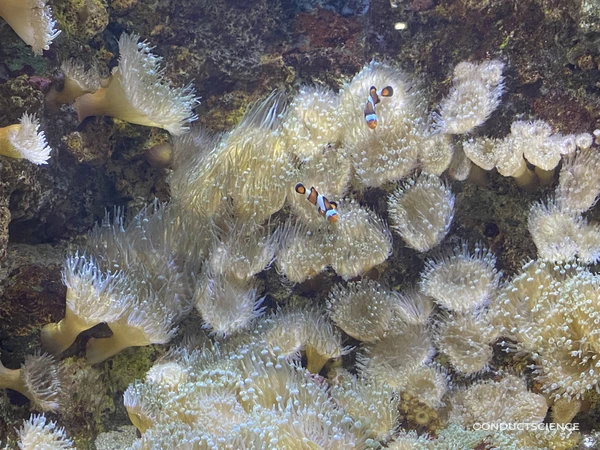
Tentacle retraction is a rapid defensive response that shows habituation — a fundamental form of learning in this brainless organism. Retraction parameters and habituation rate probe neural circuit function in the nerve net.

Quantitative Output
Measured Parameters
Every parameter is automatically tracked frame-by-frame in the ConductVision pipeline for Nematostella vectensis.
| Parameter | Unit | Description |
|---|---|---|
| Retraction latency | ms | Response speed |
| Retraction amplitude | % length | Degree of withdrawal |
| Habituation rate | slope | Response decrement |
| Recovery time | s | Return to extended state |
References
Citations for Tentacle Retraction (Mechanosensory)
- Layden MJ, et al. (2016). Nematostella vectensis achaete-scute homolog NvashA regulates neural cell fate specification. Dev Biol, 415(2), 230-241. PMID: 27173373
Compatible Equipment
Hardware for Starlet Sea Anemone Research
Nematostella Observation Chamber
Behavior recording
Light Stimulus Array
Phototaxis testing
Sand Substrate System
Burrowing behavior
Mechanosensory Stimulus Probe
Tentacle retraction
Feeding Stimulus Delivery
Glutathione-triggered feeding
Related Assays
Other Starlet Sea Anemone Primary Assays
08
Phototaxis / Light Response
Nematostella vectensis
Nematostella exhibits light-responsive behavior despite lacking eyes. Light avoidance, response latency, and body contra…
08
Burrowing Into Substrate
Nematostella vectensis
Nematostella burrows into sandy substrate using peristaltic body movements. Burrowing latency, depth, duration, and subs…
08
Feeding Response (Prey Capture)
Nematostella vectensis
Nematostella captures prey with nematocyst-bearing tentacles and opens its mouth in response to glutathione — a chemical…
Run Tentacle Retraction (Mechanosensory) on ConductVision
Our team will configure the protocol, camera rig, and analysis pipeline for your starlet sea anemone facility.