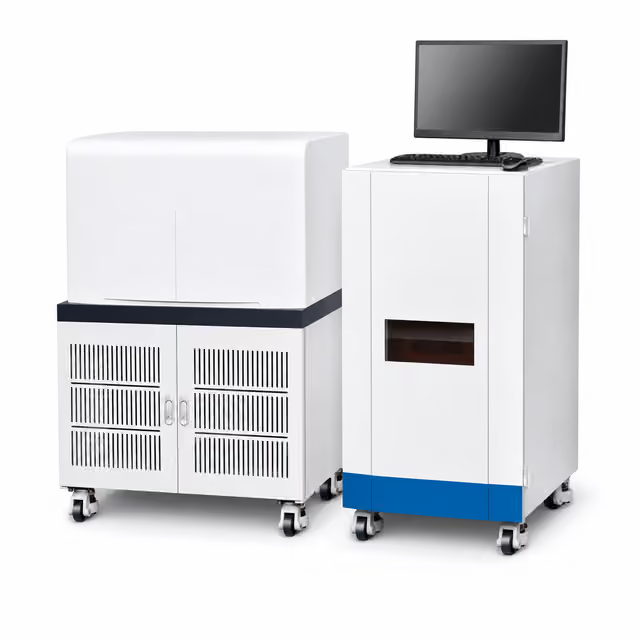
Automatic Microtome BK-2228
Automated precision microtome for histological sectioning with 0.25-100 μm thickness range and variable feed speed control for consistent tissue preparation.
Available models: BIO-0553, RD-355AT, and RD-355ATK.

Louise Corscadden, PhD
Director of Science · ConductScience
Ask Louise about Automatic Microtome BK-2228 fit, setup, configuration, or quote prep.
Already working with us? Sign in to connect this with My Scientist.
Key Specifications
Full details →- Model fit
- 1 selectable configurations
- SKU family
- CS-ARM-001
- Shipping box
- 45.5 x 59.5 x 54.5 cm
- Ordering
- Online checkout and quote request available
- Category
- Microtomes
- Build notes
- Confirm accessories, station layout, and support needs before purchase
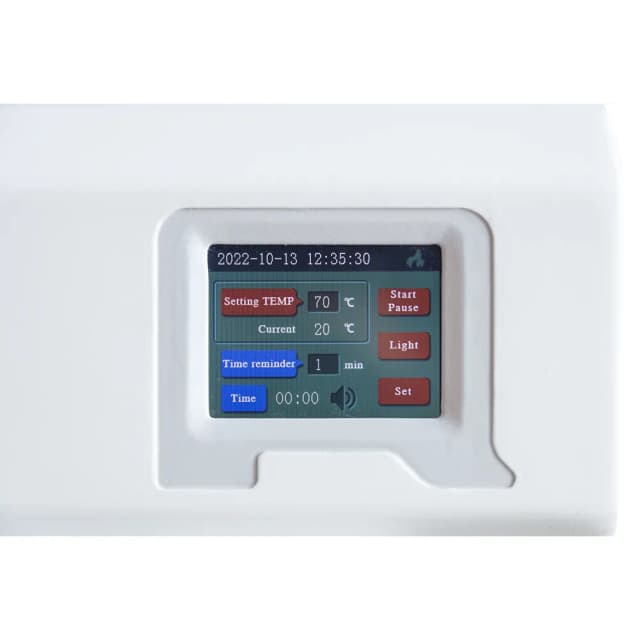
Automatic Microtome BK-2228 - Professional Pathology Equipment for sectioning tissue slices. Sectioning thickness range: 0.25-100 micrometers. Trimming thickness: 1-600 micrometers. Minimum thickness: 0.25 micrometers. Features include 4.3-inch smart display, precision motor-lead screw assembly, dual independent locking design, visual zero-offset positioning with adjustable X/Y axis, anti-sticking coated pressing plate, external handheld controller, and magnetic anti-static chip tank. Technical Specifications: Model BK-2228, Precision plus/minus 5 percent, Maximum specimen size 70x70mm, Power supply AC110/220V 50/60Hz, Power consumption 150W, External dimensions 610x490x340mm, Net weight 45kg, Gross weight 65kg. Ideal for pathology laboratories, medical institutions, research centers, tissue preparation facilities, and histology labs.
How It Works
The automatic microtome operates on the principle of controlled mechanical sectioning using a precision blade advancement system. The embedded specimen is mounted in a specimen clamp that can be rotated for optimal sectioning angle. During operation, the motorized feed mechanism advances the specimen toward a fixed blade at predetermined increments, controlled by the thickness setting dial ranging from 0.25 to 100 micrometers.
The sectioning process involves automated specimen advancement at adjustable speeds between 1500-3500 μm/s, with the blade making contact and creating uniform sections. The retraction mechanism (0-50 μm setting) withdraws the specimen slightly after each cut to prevent blade drag and compression artifacts. This automated cycle continues until the desired number of sections is obtained, with the precision error maintained at ±1% throughout the process.
The blade holder system provides mechanical stability through its adjustable base (60mm range) and press plate (23mm range), ensuring consistent blade angle and pressure. The motorized components are controlled by the integrated electronics system, which maintains consistent feed rates and responds to thickness setting adjustments for reproducible sectioning results.
Features & Benefits
Shipping weight
- 36.71 lb
Shipping box
- L: 45.5 cm
- W: 59.5 cm
- H: 54.5 cm
| Feature | This Product | Typical Alternative | Advantage |
|---|---|---|---|
| Section Thickness Range | 0.25-100 μm with variable increments (0.25 μm, 0.5 μm, 1 μm steps) | Many models offer 1-50 μm ranges with fixed increment steps | Wider range accommodates both ultrathin serial sectioning and thick survey sections for diverse microscopic techniques. |
| Feed Speed Control | Variable 1500-3500 μm/s with automated control | Manual feed systems or limited speed ranges | Optimizes sectioning speed for different specimen hardness while maintaining consistent results and reducing operator fatigue. |
| Precision Error | ±1% across the full thickness range | Precision specifications vary widely by model | Ensures reproducible section thickness for quantitative measurements and consistent staining protocols. |
| Retraction System | Adjustable 0-50 μm with selectable increments (5-10-15-50 μm) | Fixed retraction or limited adjustment options | Minimizes compression artifacts and blade chatter across different specimen types and embedding media. |
| Blade Holder Adjustment | 60mm front-to-back range with 23mm press plate movement | Limited adjustment ranges in entry-level models | Accommodates various specimen block sizes and allows precise blade positioning for optimal sectioning angles. |
This automatic microtome combines wide thickness range capabilities with precise automated control, offering both the flexibility for diverse sectioning applications and the consistency required for quantitative microscopic analysis. The adjustable retraction and comprehensive blade holder system provide versatility for different specimen types and sectioning requirements.
Practical Tips
Verify thickness calibration weekly using certified test specimens, particularly at the most commonly used thickness settings.
Why: Maintains the ±1% precision specification and ensures reproducible results across different experiments and specimen series.
Clean the specimen path and blade area thoroughly between different specimen types to prevent cross-contamination.
Why: Prevents tissue debris buildup that can affect section quality and maintains sterile conditions for diagnostic specimens.
Start sectioning at slower feed speeds (1500-2000 μm/s) for new or difficult specimens before increasing to optimal speed.
Why: Allows assessment of section quality and blade performance before committing to high-throughput sectioning parameters.
If sections show compression artifacts, increase retraction setting in 5 μm increments and reduce feed speed slightly.
Why: Compression artifacts indicate insufficient specimen withdrawal or excessive sectioning speed for the specimen characteristics.
Document feed speed and retraction settings used for each specimen type to establish optimal protocols for reproducible results.
Why: Creates standardized protocols that improve consistency across different operators and experimental series.
Always engage safety locks when changing blades and ensure the specimen clamp is properly secured before starting automated sectioning.
Why: Prevents blade contact injuries and specimen displacement during high-speed automated operation.
Allow the instrument to reach thermal equilibrium for 15-20 minutes before beginning precision sectioning work.
Why: Mechanical components expand slightly with warming, which can affect thickness calibration and section consistency.
Check blade holder alignment monthly using the adjustment ranges to ensure optimal cutting geometry is maintained.
Why: Proper blade geometry is essential for clean sectioning and prevents premature blade dulling or section tearing.
Setup Guide
What’s in the Box
- Automatic microtome main unit
- Blade holder assembly (typical)
- Specimen clamp system (typical)
- Power cable
- User manual and operation guide (typical)
- Calibration tools and test specimens (typical)
- Safety accessories (typical)
Warranty
ConductScience provides a standard one-year manufacturer warranty covering parts and labor for defects in materials and workmanship. Technical support includes installation guidance, operation training, and troubleshooting assistance throughout the warranty period.
Compliance
What is the minimum achievable section thickness and how consistent is it across a sectioning series?
The minimum section thickness is 0.25 μm with 0.25 μm increments up to 2.5 μm. The system maintains ±1% precision error, ensuring consistent thickness across extended sectioning runs for quantitative analysis.
How does the retraction system prevent sectioning artifacts?
The adjustable retraction system (0-50 μm) withdraws the specimen slightly after each cut, reducing blade drag, compression artifacts, and chatter that can compromise section morphology, particularly important for soft tissues.
What specimen block sizes can be accommodated with the adjustment ranges?
The 60mm front-to-back blade holder adjustment and rotatable specimen clamp accommodate standard histological block sizes, while the 23mm blade press plate range allows optimization for various specimen heights and blade angles.
Is the feed speed adjustable during operation and what factors determine optimal speed?
Feed speed is adjustable from 1500-3500 μm/s. Optimal speed depends on specimen hardness, embedding medium, and desired section quality - slower speeds typically improve morphology for difficult specimens.
How does the automated system compare to manual microtomes for section consistency?
The automated feed mechanism eliminates operator variability in sectioning rhythm and pressure, providing more consistent section thickness and reducing operator fatigue during extended sectioning sessions.
What blade types are compatible with the holder system?
Consult product datasheet for specific blade compatibility, though the adjustable holder system with 23mm press plate range typically accommodates standard disposable and steel microtome blades.
Can the instrument handle both routine and specialized sectioning applications?
The wide thickness range (0.25-100 μm) and variable parameters support both routine histopathology sectioning and specialized applications requiring ultrathin or thick sections for different microscopic techniques.
What maintenance procedures are required for consistent performance?
Regular blade changes, cleaning of the specimen path, and periodic calibration verification maintain sectioning quality. The ±1% precision specification should be verified periodically with test specimens.
Have a question about this product?
Have a question? Just ask.
Send it over and we'll email you a personalized answer — no call, no scheduling.
Prefer to talk it through?
Replacement Parts & Consumables


Upgrade Options